Location
Mount Vernon, WA 98274
Location
Mount Vernon, WA 98274

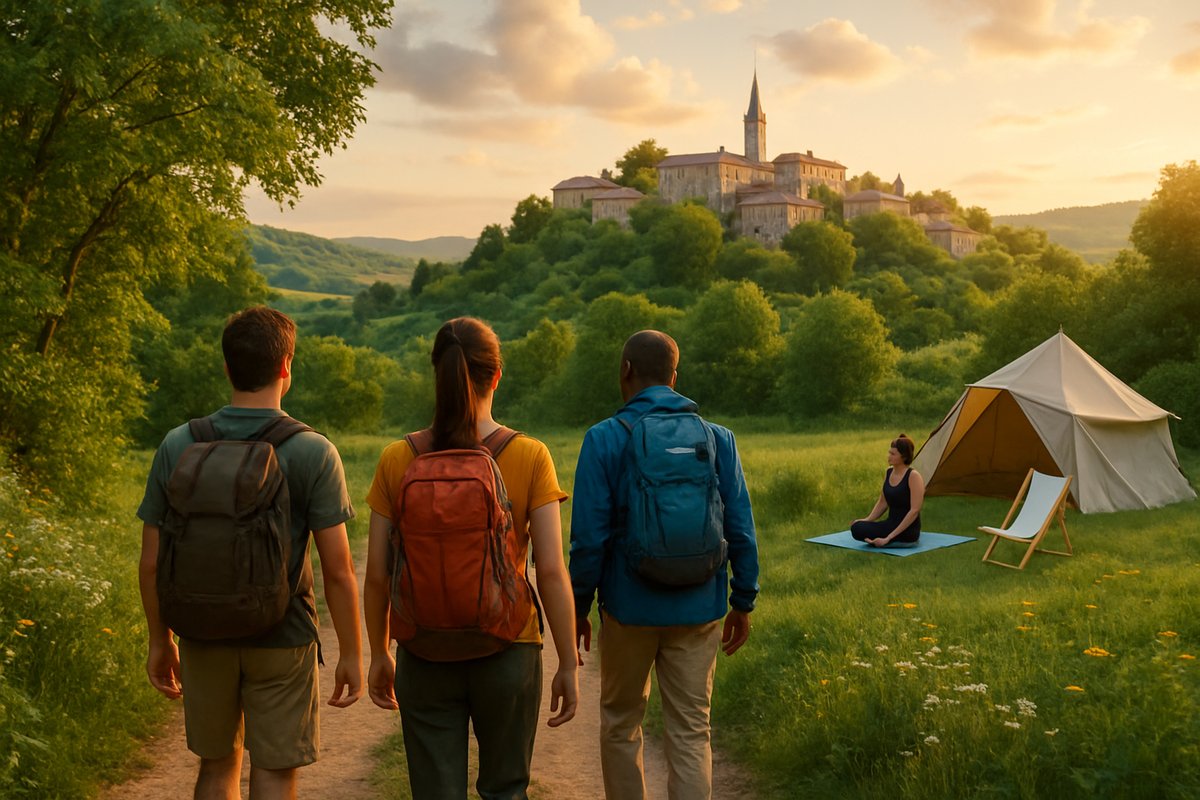
A new wave of micro-adventures is reshaping the way people explore the world, emphasizing community engagement, sustainability, and personal growth. From rewilded village trails in rural Europe to pop-up urban retreats, nomads and weekend warriors alike are rewriting the travel playbook.
It began as a whisper among weekend travelers: ditch the heavy itinerary, leave room for surprise, and make every mile count. What started as a grassroots response to overbooked tour buses and crowded landmarks has rapidly evolved into a full-blown movement. Recent data from the World Tourism Organization show a 20 percent rise in short-stay, experience-focused trips over the past two years. Rather than checking off landmarks, a growing number of explorers are seeking meaningful connections with local people, lands, and cultures.
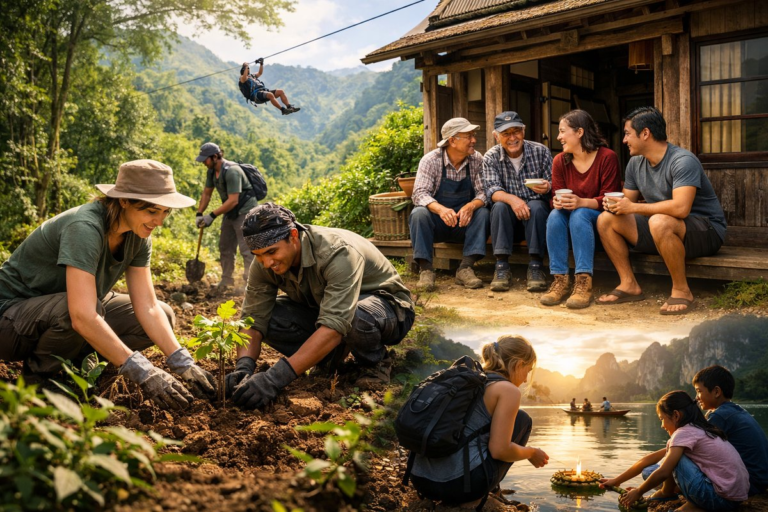
In the rolling hills of central Portugal, an old railway corridor once destined for scrap has been repurposed as a community-managed eco-trail. Volunteers from nearby villages have planted indigenous wildflowers, installed bird-friendly nesting boxes, and trained local guides to share centuries-old folklore. “This is more than a path,” explains one organizer. “It’s a living classroom.” Hikers stream through on day trips from Lisbon, weaving natural history lessons into their steps, and some even sign up for volunteer weekends to maintain the trail.
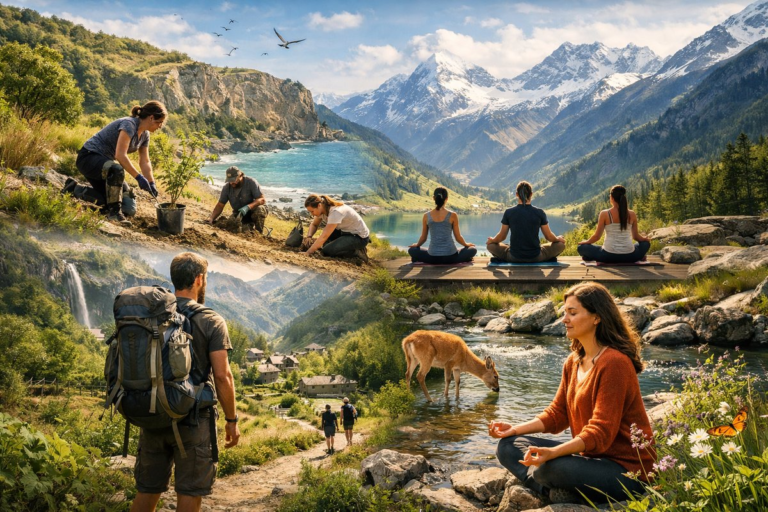
Meanwhile, in a former industrial district of a major European capital, a series of shipping containers have been transformed into pop-up micro-retreat pods. Operating on a by-donation model, the initiative invites city workers to unplug from screens and tune into guided forest-bathing sessions, poetry readings around a digital-free bonfire, and nighttime star-watching on a rooftop launchpad. The pods operate on a closed-loop water system and solar-powered lighting, showcasing how sustainable design can adapt to dense urban landscapes.
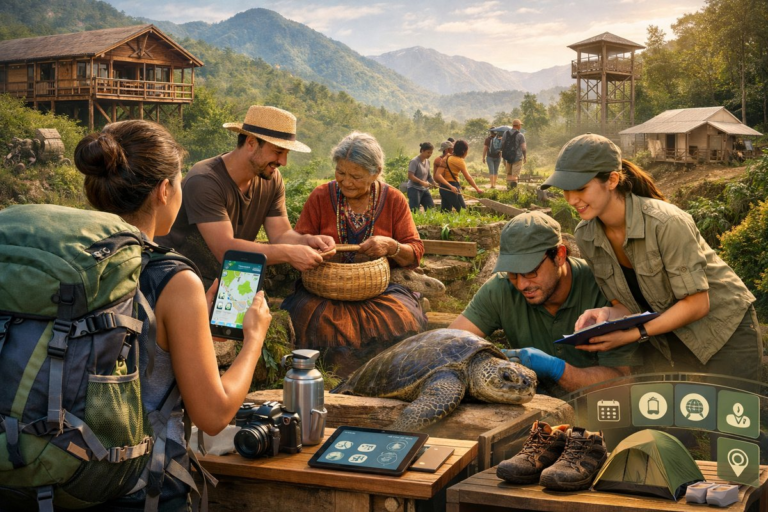
Travelers are responding, too. A survey of 5,000 trip-planners by an independent research collective revealed that four out of five respondents prioritize environmental impact and cultural authenticity over traditional luxury amenities. That shift is rippling through the travel industry. Small-scale guesthouses are partnering with local farms to offer “farm-to-table” breakfasts. Sailing charters are swapping fossil fuels for electric-hybrid motors. And new online platforms connect travelers directly with artisans crafting community-funded homestays in remote corners of Southeast Asia.
These micro-journeys don’t require months of planning or a bottomless budget. They thrive on curiosity and intentionality. A two-night hostel stay in a mountain hamlet can include a session on medicinal plant identification, as well as collaboration on a village art installation. A weekend off-grid in a repurposed blood-orange orchard might entail silent meditation at dawn and sari-making workshops at dusk. The price tag may be modest, but the value-measured in unexpected friendships and quiet revelations-is priceless.
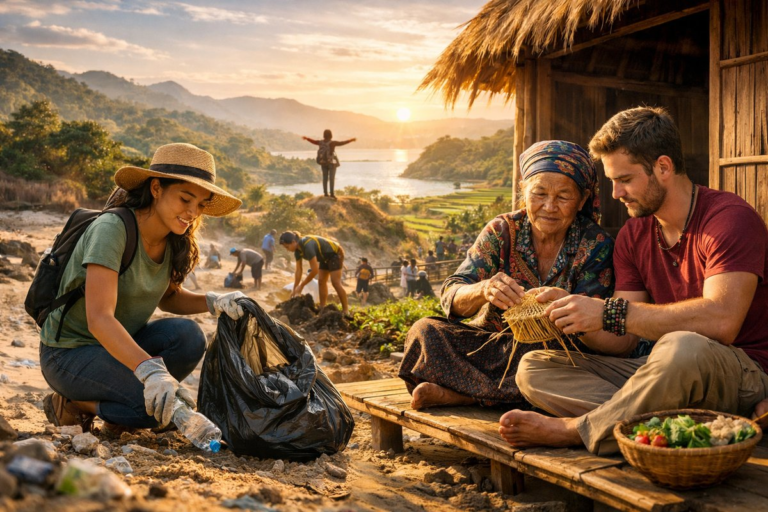
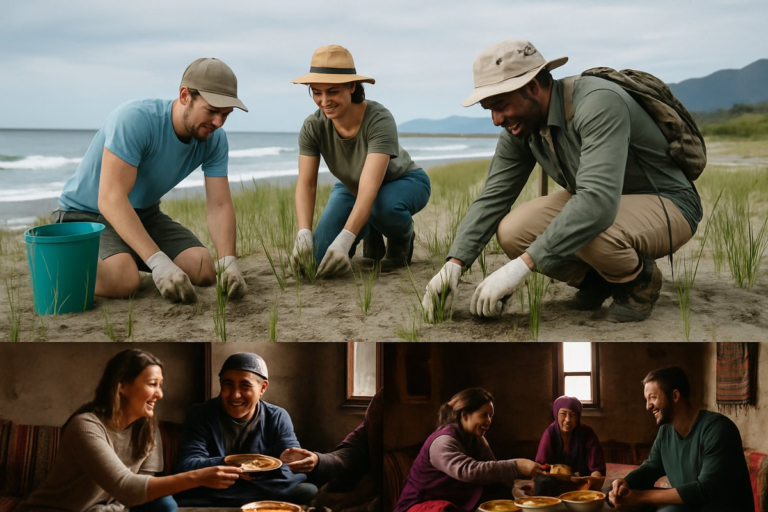
Sustainability isn’t just a buzzword in this emerging scene; it’s woven into every itinerary. Many micro-adventure operators adhere to a “zero trace, full respect” ethos. Guests pack reusable food wraps, participate in beach cleanups, or contribute to wildlife monitoring efforts during their stay. The result is a travel style that gives back to landscapes and communities rather than simply consuming them.
The financial impact is significant, too. Rural regions once bypassed by mass tourism are seeing a resurgence of small businesses. From roadside homestays built by local families to cooperatively owned cafés showcasing regional cuisine, these ventures generate income that stays in the community. A case study in Eastern Europe demonstrated a 35 percent boost in household earnings after the launch of a community-run micro-trek circuit. Meanwhile, the carbon footprint of each visitor remains low, thanks to emphasis on public transport links and pedal-powered excursions.
Experts believe the trend will continue growing as more travelers seek genuine experiences over glossy photo ops. Digital nomads, in particular, are gravitating toward destination hubs where coworking spaces double as cultural centers-hosting traditional dance lessons by day and digital storytelling workshops by night. Even multi-generational families are adopting bite-sized itineraries: grandparents, parents, and children join forces for three-day hiking retreats that include interpretive geology walks and hands-on cheese-making demonstrations.
Critics warn that any travel boom can strain local resources if not managed carefully. Community leaders emphasize the importance of transparent planning and participatory decision-making. In the Portuguese rail-trail project, for example, a rotating council of residents and frequent visitors meets quarterly to assess congestion, trail maintenance needs, and budget allocations. Their open-door policy ensures that new proposals-like adding a guided night-hike program-are vetted by those most invested in preserving the ecosystem.
Back on the shipping-container rooftops of the city retreat, organizers have launched a digital detox pledge: no mobile devices during communal activities. Participants report deeper conversations and heightened awareness of urban bird species they’d never noticed before. One business traveler described the experience as “a mini-sabbatical that recharged my creativity.” Already, similar designs are popping up in other metropolises, from converted bungalows in Southeast Asia to garden-rooftop yurts in North America.
What these dispersed experiments share is intentionality. They flip the script on traditional tourism by placing stewardship at the heart of the journey. Travelers are no longer passive observers but active participants in cultural exchange, environmental monitoring, and community well-being. The result feels less like ticking off a to-do list and more like co-authoring a living story.
As summer travel seasons approach, the micro-adventure movement offers a timely reminder: purpose can be found in even the simplest of escapes. A weekend unplugging in a woodland cabin can teach resilience. An impromptu bike loop through a coastal marsh can inspire wonder. When travelers align their curiosity with community and ecology, every trip becomes a catalyst for positive impact.
In an era of screen fatigue and global uncertainty, that kind of purposeful journey resonates deeply. Whether you’re planning a flight across continents or charting a local expedition, there’s room in your itinerary for small-scale adventures that leave a big footprint of goodwill. After all, the best stories often emerge when we step off the beaten path.