Location
Mount Vernon, WA 98274
Location
Mount Vernon, WA 98274


Across city halls, living rooms, and community centers, neighbors are trading pinches of paprika, cinnamon sticks, and secret blends in gatherings known as spice swaps. These events celebrate heritage, foster sustainability, and remind us that every grain of spice carries a narrative meant to be shared.
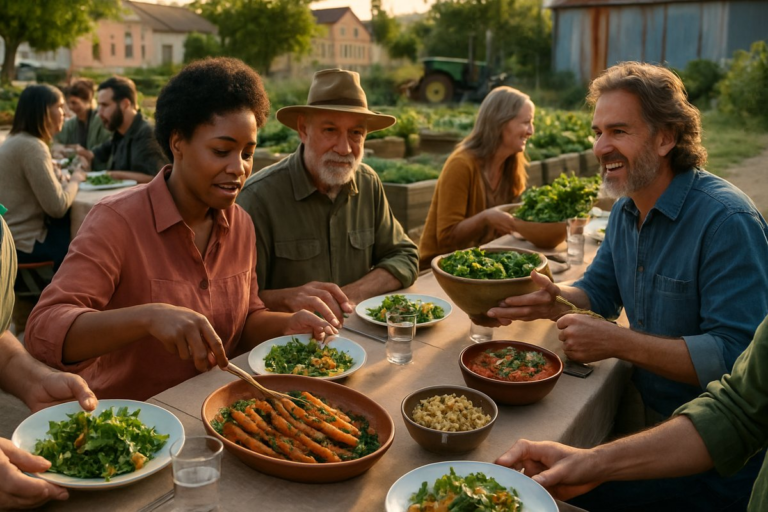
In a sunlit room downtown, folding tables are arranged in a circle, each laden with small glass jars and fabric pouches filled with vibrant powders and aromatic seeds. At one station, a grandmother carefully scoops a ruby-red chili blend into mini test tubes; at another, a young home cook unfurls a handwritten recipe for a coconut-curry powder inherited from a great-grandmother. By the end of the afternoon, dozens of neighbors will have swapped spices, traded stories, and left with entirely new flavor profiles to inspire their next meal.
The idea of exchanging spices is hardly new-history is marked by centuries of spice routes that connected continents and cultures. Traders traversed deserts, climbed mountain passes, and sailed treacherous seas to deliver precious cinnamon, black pepper, and cloves to eager markets. Along with goods came language, customs, and recipes. Today’s spice swaps echo that ancient exchange, but on a human scale: tables replaced by trading posts in living rooms, caravans by city buses, and imperial monopolies by community-driven gatherings.
In neighborhoods from Vancouver to Lisbon, small groups have embraced these gatherings as a way to celebrate immigrant heritage and forge connections among new arrivals and long-term residents alike. At a recent swap in a coastal town, a family from West Africa brought a nutty peanut-based blend, while another participant contributed a Chilean merquén, a smoky mixture of chili and coriander. As people passed around samples and toppings, conversations flowed about childhood memories, holidays, and the spices’ journeys from farm to table.
Beyond the joy of discovering new flavors, spice swaps offer a stage for cultural storytelling. Each blend can carry legends about its origin-a grandmother who guarded her saffron mix behind locked doors, a herbalist who taught apprentices the secrets of star anise. Sharing a spice blend becomes an invitation to share a life story. Participants describe the first time they crushed cardamom pods beneath a mortar and pestle to fill the house with an incense-like warmth, or the way a pinch of fenugreek transforms a soup into something both medicinal and soulful.
Sustainability has become another pillar of these events. By encouraging bulk purchases and reusable containers, swap hosts reduce single-use packaging and food waste. Instead of buying small plastic packets, participants bring their own jars and cloth bags. Organizers often partner with zero-waste stores for discounted bulk spices and set up a “community pantry” table where surplus ingredients find new homes. Some swaps even charge a small donation that funds local urban gardens or seed libraries.
Recipe sharing is woven into the practice. Alongside the main table of spices, hosts pin printed recipe cards to a corkboard: a turmeric-ginger elixir for cold nights, a sumac-olive oil dip for warm crusty bread, a fragrant five-spice rub for roasting squash. Newcomers flip through the cards, adding notes about substitutions or tips for adjusting heat levels. A digital group chat preserves these recipes beyond the gathering, allowing members to remix seasonal blends and post photos of dishes they’ve prepared.
For those inspired to start their own event, the process is surprisingly straightforward. First, identify a venue: a kitchen in a community center, a backyard patio, or even a local cafe after closing hours. Spread the word through neighborhood social media groups, community newsletters, or flyers at libraries. Ask attendees to bring at least one batch of a homemade or store-bought spice blend in a labeled container, along with sampling spoons and a note describing its flavor profile and origin. Provide extra jars or reusable bags for those who may have run out. Finally, set up a communal table, encourage mingling, and consider inviting a guest speaker-a local chef, food historian, or herbalist-to share insights about spice cultivation and use.
Technology has seeped into these grassroots gatherings, too. Some organizers create dedicated messaging apps to coordinate potluck swaps, share hints about rare finds at farmers’ markets, or post tutorial videos on DIY spice-drying racks. Others leverage online platforms to livestream DIY demonstrations-such as how to toast cumin seeds or distill homemade vanilla extract-and invite distant family members to watch and contribute questions in real time.
Voices from the community illustrate the deeper resonance of these gatherings. A first-generation baker describes how she felt seen when someone recognized her family’s distinctive allspice blend and made the connection to her Caribbean roots. A retiree, recently moved from the countryside, admits she once felt isolated in her new city until a neighbor shared ayurvedic spice tips that reminded her of home. A teenager battling school anxiety found solace in learning about spice chemistry-how capsaicin triggers endorphin release-and now experiments with hot pepper jams as a creative outlet.
The practice isn’t without challenges. Allergies must be managed carefully; clear labeling and open discussion about tree nuts, sesame seeds, and gluten-containing mixes are essential. Consistency in quality can vary when everyone’s jar comes from different sources. To address these issues, some swap groups set up a “testing station” outdoors, where participants can first sample a fewer-known blend in tiny cups before adding it to their main stash. Others host occasional “bulk order” days with trusted suppliers to ensure at least one consistent spice source within the community.
As spice swaps become more established, local restaurants and pop-up chefs are taking notice. A bistro in one city now hosts a monthly “swap-and-supper” event, where home cooks trade spices and then bring dishes to a communal dinner. A food festival recently added a “people’s spice market” alongside artisanal vendors, letting visitors haggle in good humor and sample rare blends from around the world. These interactions are reminding both home cooks and professionals that the roots of creativity often spring from shared curiosity.
Ultimately, these community spice swaps reaffirm a simple truth: food is a universal language, and spices are its most colorful dialects. In every clink of a jar lid, every waft of cinnamon or turmeric, there’s an invitation to connect. Strangers become storytellers, and neighbors become fellow custodians of culinary heritage. By carving out space to share and learn, participants are not just building flavor libraries-they’re weaving human networks founded on empathy, curiosity, and trust. And in an increasingly digital age, these analog rituals reconnect us with the tactile, fragrant, and deeply personal stories that season our lives.
If you’ve ever wondered what a pinch of memory tastes like, gather a few friends, a few spoons, and a few spices-and listen to the stories waiting to be tasted.