Location
Mount Vernon, WA 98274
Location
Mount Vernon, WA 98274

As inflation and rate shifts reshape household budgets, a new wave of plain-language tools is helping savers and investors plan with precision. From analog notebooks to AI-driven platforms, financial clarity is within reach for anyone tired of buzzwords and complicated spreadsheets.
In recent months, households across the globe have felt the pinch of rising costs-from groceries and rent to insurance and transportation. At the same time, central banks have adjusted interest rates to tame inflation, tipping the scales for both savers and borrowers. Amid the noise of economic headlines, many people find themselves asking a basic question: How do I budget, invest and plan for the future without drowning in jargon?
A growing number of tools and communities are rejecting complexity in favor of clear guidance. Borrowers who once feared adjustable rates are turning to simple online simulators that show monthly payments under different scenarios. Gig workers juggling irregular paychecks rely on visual trackers-often built with free spreadsheet templates-to see what’s left after essentials. Even investors who once steered clear of the stock market are testing micro-investing apps that allow purchases of fractional shares with no minimum balance.
Human behavior lies at the heart of any finance solution. Without an intuitive way to review spending or without an emotional incentive to save, even well-designed platforms can fall short. That’s why many fintech startups pair cold data with warm encouragement-daily check-in reminders, celebratory badges for hitting savings targets and community forums for swapping tips. The result is a mindset shift: money management becomes less about fear of interest-rate quotes and more about steady progress toward personal goals.
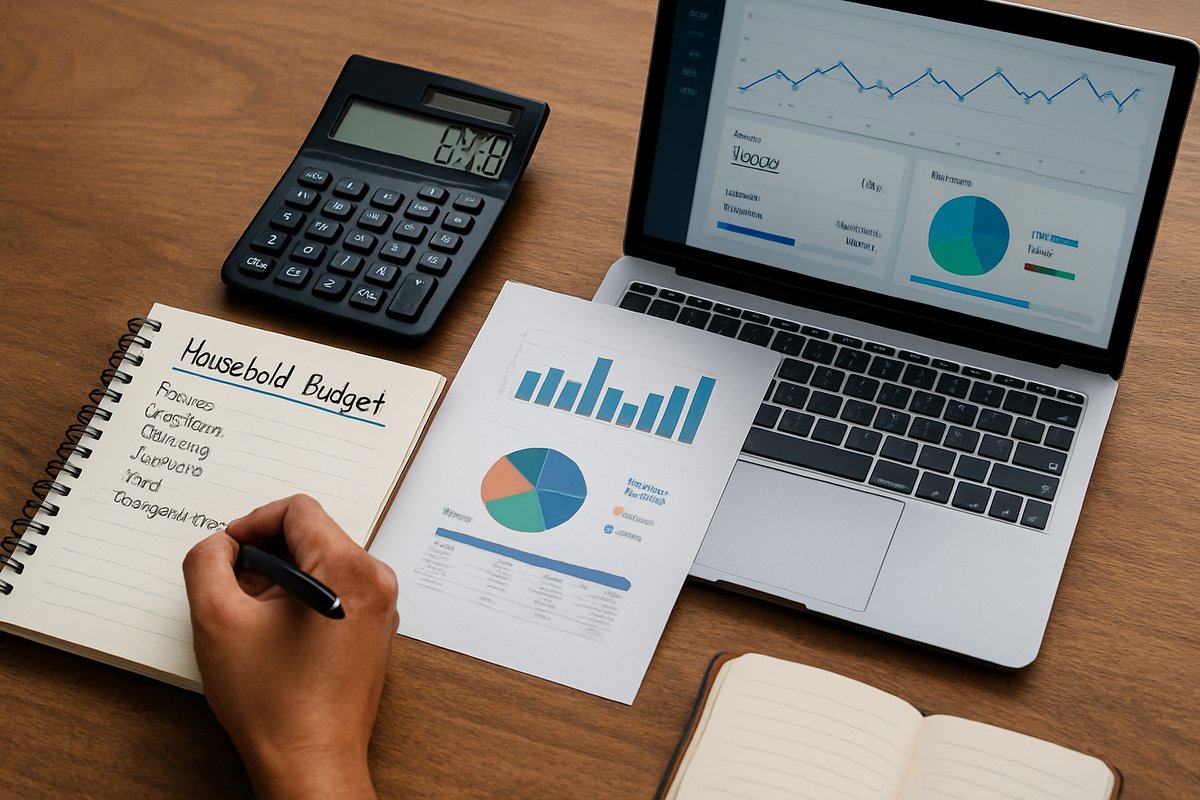
These plain-language tools span analog and digital realms. On the analog side, physical budget planners-spiral notebooks with sections for income, fixed costs, variable expenses and savings targets-offer a tactile experience. Writing down each purchase by hand can make spending feel more real, and flipping back through previous months reveals spending patterns at a glance. For those who prefer analog but still crave data, handheld financial calculators help model loan payments, project compound-interest growth and compare lease versus buy scenarios without switching to another device.
Digital solutions, by contrast, bring real-time data into view. Many apps now link directly to checking and savings accounts, categorize transactions automatically and send instant alerts when a budget category nears its limit. Behind the scenes, some leverage machine-learning models to forecast upcoming expenses-electricity bills tend to spike in summer, for instance-and recommend small adjustments to stay on track. The sharing economy has also fueled peer support: users can join private groups to celebrate milestones, troubleshoot tax filings or explore sustainable investing options.
On the investing front, fractional-share platforms have lowered the barrier to entry. Instead of shelling out hundreds or thousands for a full share, retail investors can buy slices of large-cap companies or diversified funds with as little as a few dollars. Robo-advisors, meanwhile, automate asset allocation by asking a handful of questions about risk tolerance and time horizon, then rebalancing portfolios without the need for deep market knowledge. Even traditional brokerages now offer intuitive dashboards with visual cues-pie charts for asset mix, timelines for goal projections and sliders to simulate how increasing contributions accelerates target achievement.
Another emerging trend is community-driven financial education. Online courses and video series-often designed for groups of friends, coworkers or neighborhood meetups-break down topics like credit-score fundamentals, tax-sheltering strategies and basic insurance planning. By removing financial education from the exclusive realm of specialists, these programs foster peer accountability and sustained momentum. Students share monthly check-ins, post snapshots of progress in group chats and receive friendly nudges when they stray off plan.
Privacy and data security remain top concerns. With personal accounts linked to third-party platforms, users demand clear policies: what information is collected, how it’s stored, and who can access it. Transparent platforms highlight end-to-end encryption, double-authentication logins and strict no-selling clauses-making trust a central pillar of the user experience. This emphasis on data stewardship not only protects individuals, but also builds brand loyalty in an era of frequent data breaches.
Sustainability is another lens through which many are reshaping financial priorities. Environmentally conscious savers are exploring green bonds, ESG funds and community lending platforms that support local businesses. By aligning investment portfolios with social and environmental values, these individuals believe they can build wealth while fostering tangible positive impact. Tools that screen companies based on carbon footprint, labor practices and governance standards have seen a surge in downloads as a result.
Despite all the available resources, the path to financial freedom starts with simple steps: understanding your cash flow, setting realistic goals, and choosing tools that match your style. Whether you favor a high-touch budget journal or an AI-powered dashboard, the secret lies in consistent engagement. Over time, small habits compound into lasting progress-just as compound interest turns dollars into substantial balances.
For those seeking clarity, the message is clear: financial literacy isn’t reserved for experts. Plain-language explanations, user-friendly interfaces and supportive communities are democratizing money management. As technology evolves and economic pressures persist, smart budgeting and investing tools will continue to empower individuals to build futures with confidence-one expense tracked, one investment made, and one goal achieved at a time.