Location
Mount Vernon, WA 98274
Location
Mount Vernon, WA 98274

A growing wave of travelers is swapping passive sightseeing for hands-on engagement, from sea turtle conservation on tropical beaches to cultural preservation in remote villages. Armed with expert guides and gear tailored for impact, these purpose-driven adventures reshape both communities and the way we wander.
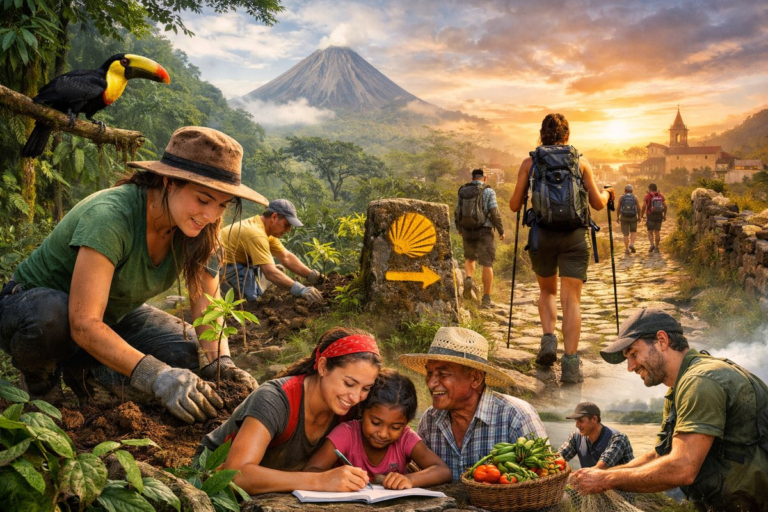
Travel has long been measured by the number of stamps in a passport or the count of must-see landmarks, but a quiet revolution is reshaping our notion of exploration. Recent data from global travel surveys reveal that over seventy percent of vacationers now seek experiences that leave a positive mark on destinations and communities. Travelers aren’t just collectors of sunsets; they’re aspiring collaborators, eager to blend discovery with real-world impact.
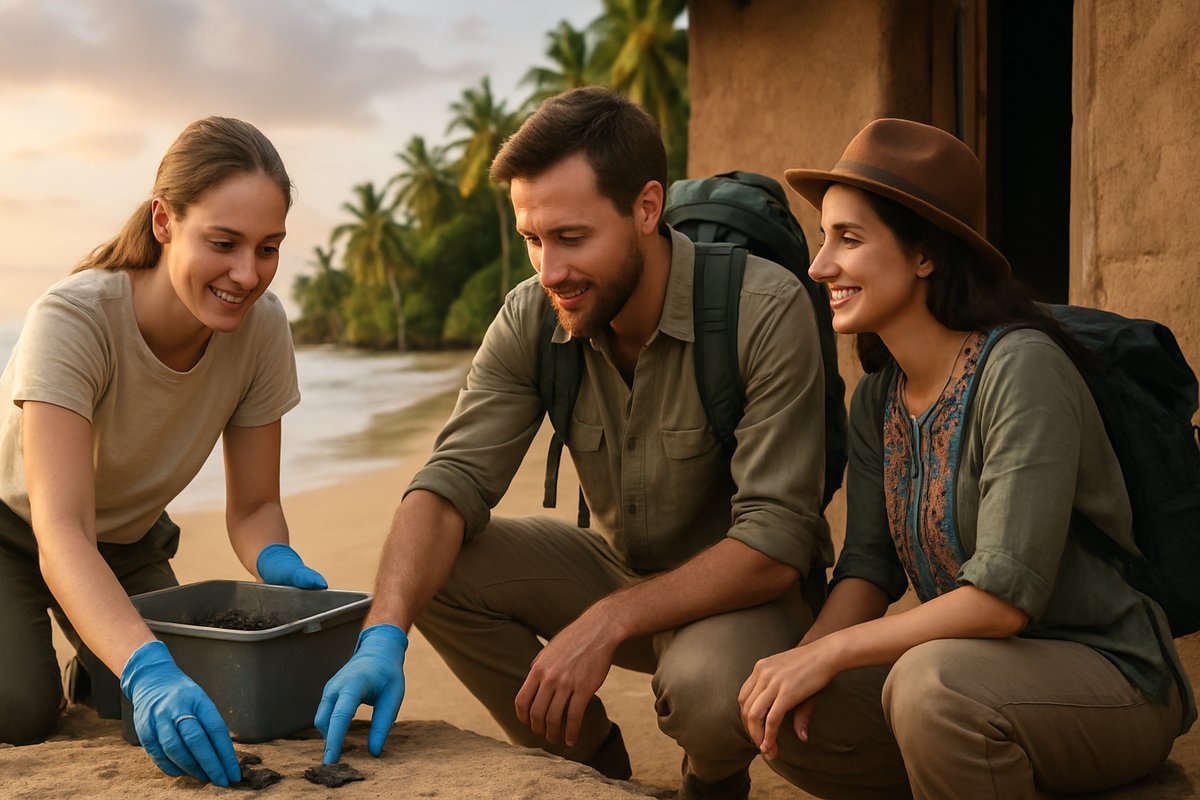
Take the case of Jade, an environmental science student from California who spends her weekends on the shores of Costa Rica patrolling sea turtle nests. Armed with headlamps and sturdy gloves, she joins nightly beach watches to protect vulnerable nests from predators and artificial lights. After carefully relocating dozens of nests to safer zones, she monitors hatchling progress and logs data for local marine biologists, bridging academic research and grassroots conservation.
Beyond hands-on work, Jade contributes to community education efforts-organizing workshops at nearby schools to teach children about marine ecosystems and the threats of plastic waste. Her efforts help ensure that conservation extends beyond foreign volunteers, planting seeds of stewardship in future generations. This kind of engagement not only boosts turtle survival rates-often by more than thirty percent-but also fosters genuine cross-cultural connections that endure long after hatchlings hit the waves.
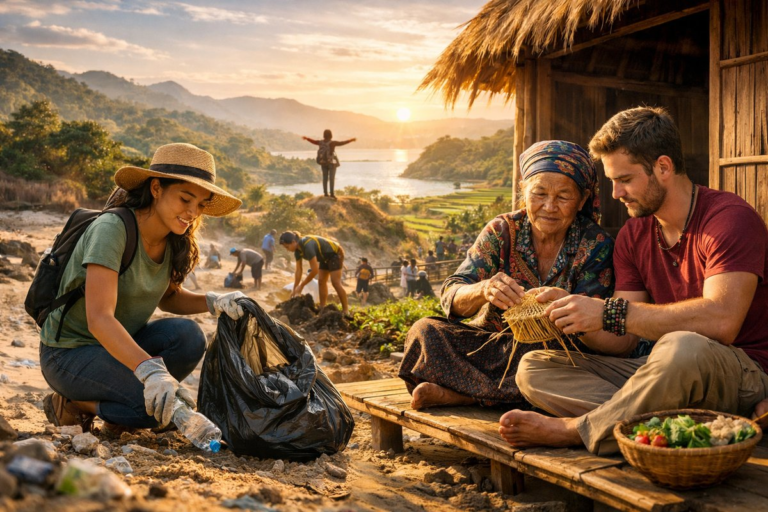
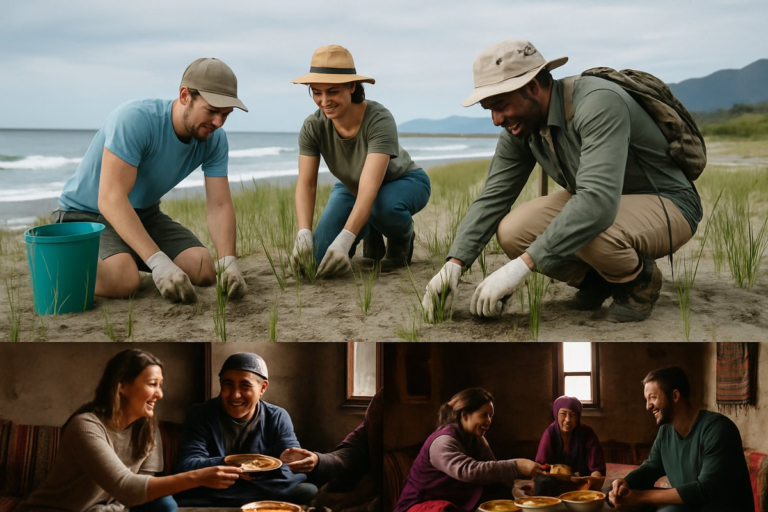
Meanwhile, in the Scottish Highlands, travelers like Marcus are seeking cultural immersion in places where centuries-old traditions teeter on the brink of fading away. He spent two weeks in a remote Gaelic village, where evenings were devoted to learning ancestral songs around peat-fueled hearths. Elders invited him into homes to demonstrate weaving techniques for traditional tartan scarves, a craft handed down through family lineages.
Back home, Marcus shares what he’s learned by leading public weaving circles, offering community members a tactile link to a global heritage. His story illustrates how purpose-driven trips can transform tourists into cultural ambassadors, ensuring that local arts flourish in unexpected corners of the world.
On volcanic slopes halfway around the globe, Bali’s regenerative tourism initiatives are reshaping visitor impact. Tour groups assist in reforestation projects, planting native trees that help restore soil health and guard against erosion. Volunteers learn to track sapling survival rates and water schedules, deepening their understanding of ecological cycles in tropical environments.
According to UNESCO reports, heritage preservation programs saw an eighteen percent uptick in participation last year. Collaborations between NGOs and local communities fund restoration work on centuries-old temples and irrigation systems, blending archaeology with environmental science in dynamic public-private partnerships.
Digital platforms have emerged to match travelers with vetted projects that align with personal passions-whether that’s wildlife tracking, language tutoring, or urban agriculture. One nonprofit noted a forty percent surge in volunteer sign-ups over the past twelve months, reflecting the growing appetite for more immersive, hands-on travel experiences.
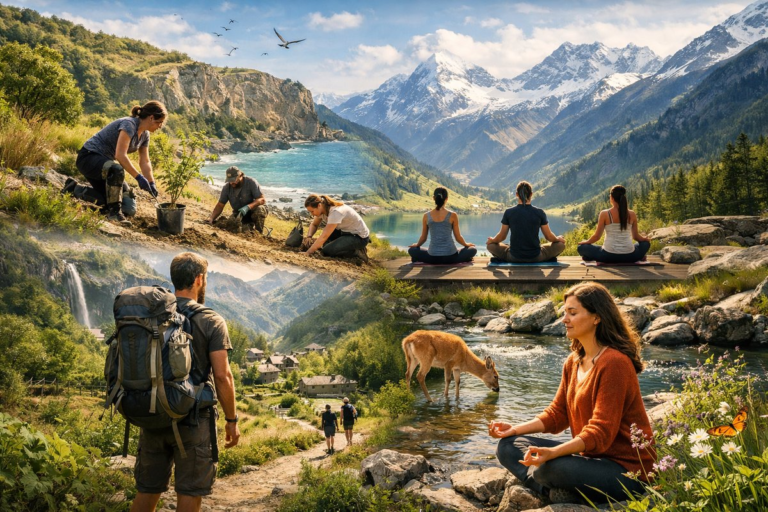
But purposeful travel isn’t limited to distant shores. Micro-adventures close to home-like community garden build-outs, river clean-ups, or pop-up language exchanges in city squares-allow weekend warriors to channel their wanderlust into local action. A study by an environmental NGO found these quick-turnaround projects boost post-trip satisfaction by nearly thirty percent and often spark long-term volunteer commitments.
Picking the right gear is a key ingredient for impact-driven trips. A portable water purifier bottle ensures access to safe drinking water without adding to plastic waste. Solar-powered portable chargers keep navigation apps and cameras online when off-grid. A lightweight travel hammock can double as a resting station between shifts in coastal cleanup or conservation zones.
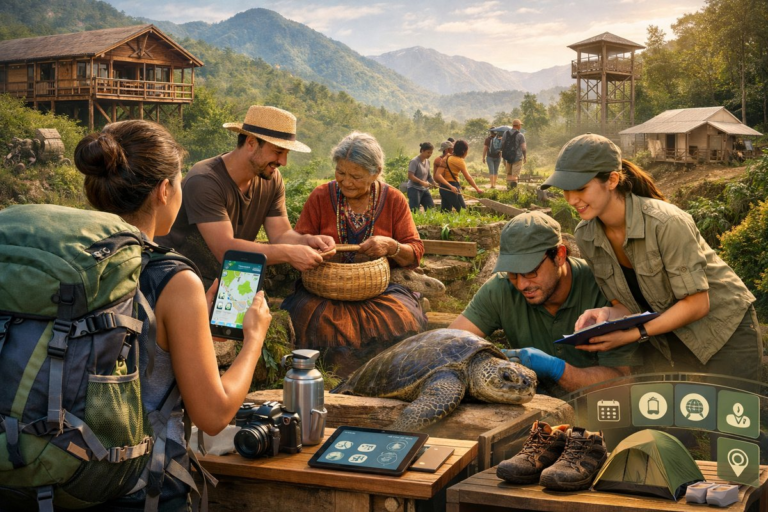
Digital guides and apps also play a vital role. Offline map applications loaded with project site locations, translation tools for local dialects, and wildlife identification software streamline fieldwork and reduce friction. Collapsible cooking kits facilitate group meals at remote sites, while compact first-aid kits address minor injuries swiftly, keeping everyone safe and focused on the mission.
Beyond tangible tools, responsible travel hinges on cultural sensitivity. Pocket phrasebooks, etiquette tip sheets, and virtual orientation sessions with local hosts help avoid unintentional offenses. Travelers learn when to ask permission before photographing ceremonies, how to negotiate fair compensation for artisanal crafts, and why extractive “voluntourism” models can inadvertently undercut paid community roles.
Mental health experts now document the wellbeing benefits of purpose-driven trips. A 2022 wellness study found participants who engaged in community restoration projects reported lower anxiety levels and enhanced life satisfaction up to three months after returning home. Knowing you’ve contributed to something bigger than yourself can foster lasting resilience and a renewed sense of purpose.
Solo travelers find extra reassurance in small group programs that focus on heritage tours or sustainable farming. Shared accommodations and peer networks offer safety and social support, transforming potential solo anxiety into collective camaraderie. Meanwhile, families increasingly opt for multi-generational projects-planting coral nurseries with kids or joining bird-survey expeditions in protected national parks-to blend adventure, learning, and bonding.
Experts recommend approaching purposeful travel with clear intentions: pick projects that define measurable goals, set aside time for quiet reflection, and develop post-trip action plans to keep the momentum alive. Many programs now include virtual alumni networks, allowing participants to track long-term outcomes, exchange field updates, and support localized fundraising efforts.
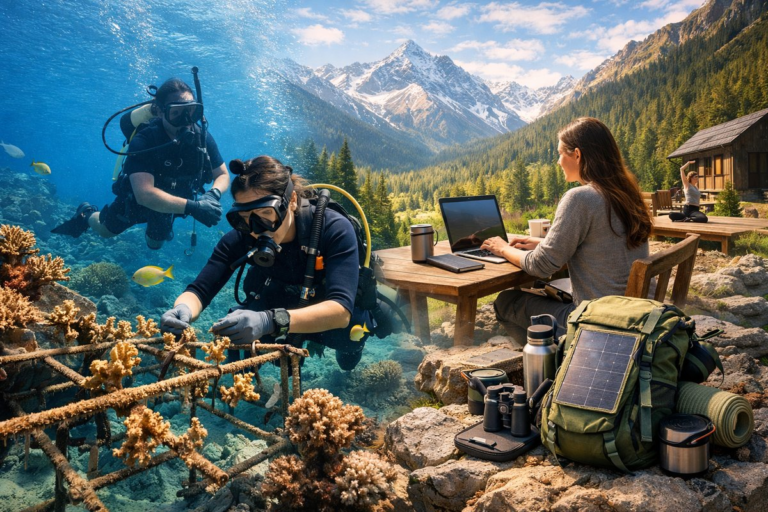
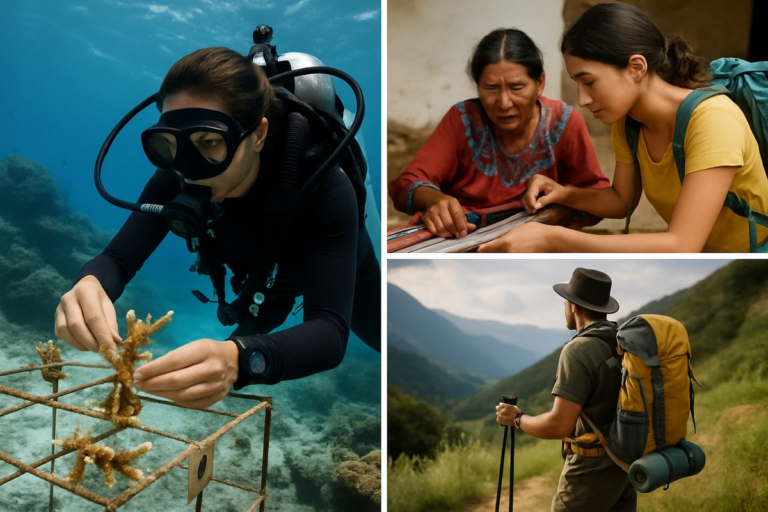
Marine conservation efforts in the Caribbean illustrate how travelers can dive into research. Programs in Bonaire, for instance, enlist volunteers to collect reef health data, attach coral fragments to degraded sites, and monitor growth. These activities shine a light on warming seas, bleaching events, and fishing pressures-turning visitors into informed ocean advocates.
Back on terra firma, agro-tourism farms across Europe and South America welcome curious minds eager to learn regenerative agriculture. Permaculture workshops, soil composting tutorials, and crop-rotation planning sessions equip participants with skills they can apply in their own backyards or community projects.
In Patagonia, guided treks combine glacier walks with citizen science surveys on bird migrations, feeding global research databases with new observations. Augmented reality pilots in ancient ruins are overlaying digital reconstructions onto real-world landscapes, boosting visitor engagement and knowledge retention by up to forty percent compared with traditional audio tours.
When venturing into remote mountain regions, satellite communication devices ensure travelers can check in and share location updates even where cellular coverage vanishes. These safety measures let participants focus on their project work with confidence, whether they’re tagging trees in a reforestation zone or mapping archaeological remains in a desert canyon.
Ultimately, purposeful travel is about more than souvenirs and social media posts. It’s about crafting stories of shared discovery and collective stewardship that outlive the journey. As eco-tourism and cultural preservation efforts continue to scale-survey data shows both growing double digits annually-the chance to engage meaningfully with our planet’s people and places has never been more accessible.
Next time you plan an escape, consider weaving in a project that matters. Equip yourself with the right tools, align with trusted guides, and arrive with an open heart. Every trip can become a platform for positive change-where traveler and host alike grow, learn, and thrive together.