Location
Mount Vernon, WA 98274
Location
Mount Vernon, WA 98274

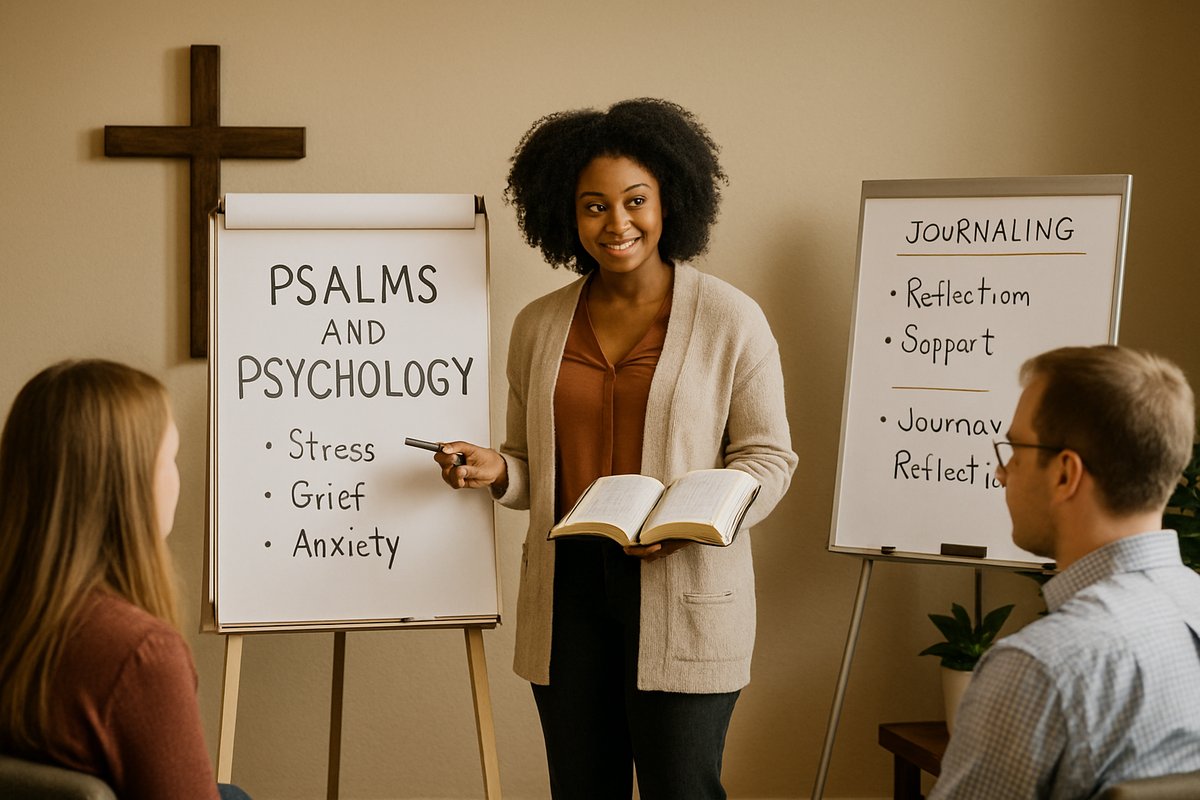
Across denominations, congregations are launching 'Psalms and Psychology' workshops that combine ancient scripture with modern mental-health insights. These programs aim to help participants process stress, grief, and anxiety through guided reflection, communal support, and structured journaling.
In recent months, dozens of churches across the country have introduced ‘Psalms and Psychology’ workshops-an innovative series of gatherings that invite Christians to explore the healing intersections of biblical prayer and contemporary mental-health practices. Driven in part by rising rates of anxiety and depression reported by health surveys, these programs seek to offer parishioners fresh tools for emotional resilience rooted in centuries-old spiritual wisdom.
Organizers say the inspiration came from both pastoral care experiences and mental-health research indicating that reflective practices can promote well-being. A 2022 national study by a major faith-based research institute found that 68 percent of regular churchgoers reported significant life stressors in the past year, yet only 22 percent had access to structured support within their faith communities. ‘We realized our congregations needed more than sermons,’ says one program coordinator in the Midwest. ‘They needed spaces where they could process emotions together and connect those experiences back to Scripture.’
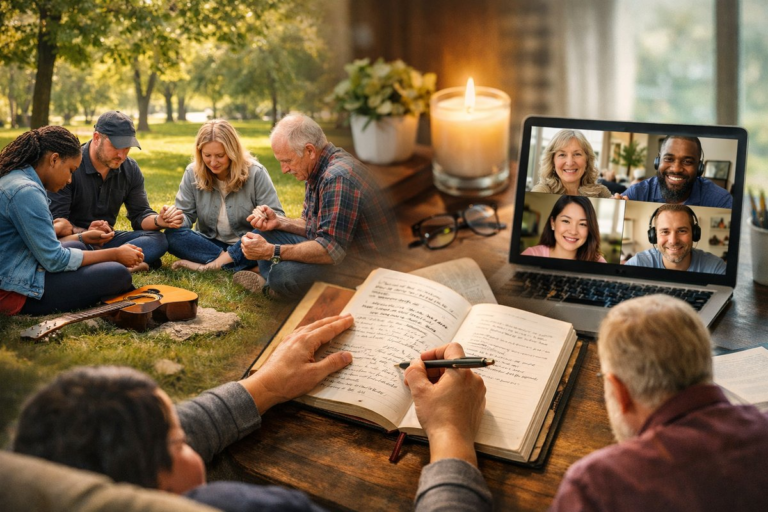
Each workshop spans four weeks, meeting once per week in a church hall or community center. Sessions open with a brief musical meditation-often a simple choral chant or piano arrangement of a psalm-based hymn-designed to ground participants in a contemplative frame of mind. Following the music, a licensed counselor or trained facilitator leads a short teaching segment that unpacks a passage from Psalms, examining its historical context and theological themes alongside findings from psychology on topics like coping with loss or managing intrusive thoughts.
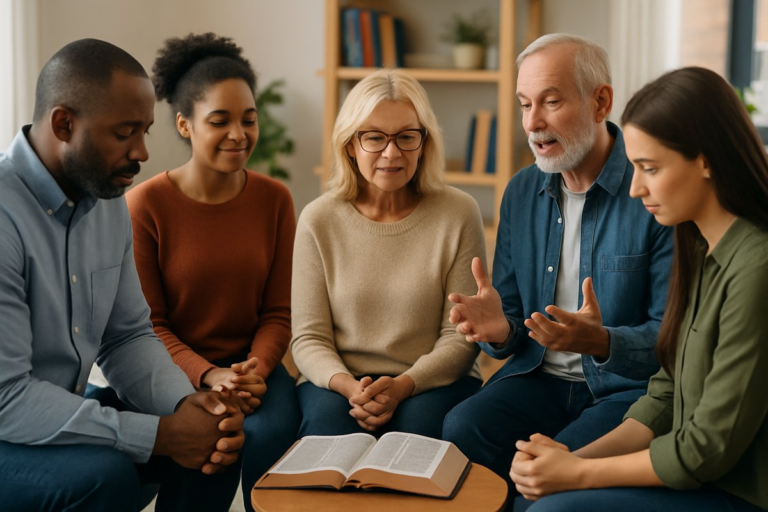
For example, one recent workshop at a suburban parish focused on Psalm 23, “The Lord is my shepherd.” Participants reflected on the metaphor of guidance and protection, then practiced visualization techniques adapted from mindfulness programs. They closed with small-group sharing, where attendees described moments in their lives when they felt lost and how the imagery of the shepherd brought comfort. ‘I had never thought of that psalm as a trauma-healing text, but now I see how language and ritual can rewire our nervous systems,’ says one attendee.
Leaders emphasize that these gatherings are not therapy groups, but rather spiritually centered spaces enhanced by best practices from mental-health fields. To ensure appropriate boundaries, clergy partner with licensed counselors who volunteer or are contracted for guidance and training. Workshop materials include structured journaling prompts, stress-management exercises, and group-discussion guidelines that balance psychological insight with prayerful reflection.
Feedback has been overwhelmingly positive. A pilot survey conducted by the denomination behind the initiative cited that 87 percent of participants felt ’emotionally supported,’ while 75 percent reported ‘stronger personal connections to Scripture.’ One young mother noted that the journal prompts helped her articulate long-held anxieties about parenting, allowing her to pray more freely. An older veteran shared that the group setting enabled him to discuss painful memories in a faith-infused context without fear of judgment.
Behind the scenes, workshop coordinators are mindful of resource constraints. Many parishes operate on tight budgets, so materials are designed for easy reproduction: photocopiable handouts, digital slide decks, and playlists of public-domain music. Churches with limited staff have tapped volunteers with counseling or social-work backgrounds to facilitate. ‘It’s a true grassroots effort,’ explains a pastor in the Northeast. ‘When people see real change-less panic, more peace-they want to pitch in, whether by offering their skills or donating coffee for the meetings.’
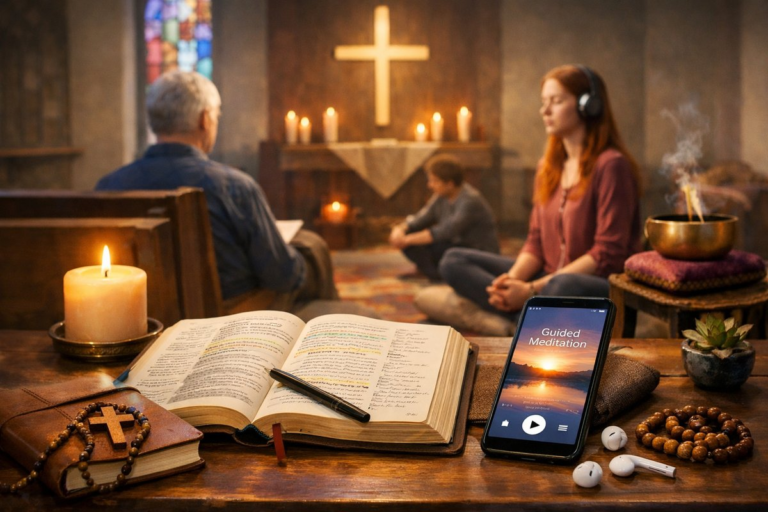
One surprising outcome has been the rise of intergenerational connections. While some young adults who attend primarily for grief support bring their smartphones and earbuds, older participants often carry well-worn study Bibles and fountain-pen journals. Over the course of each workshop, they end up swapping tools and tips: highlighters for marking key verses, smartphone apps for tracking prayer requests, and even mindfulness-based coloring pages inspired by illuminated manuscripts.
To deepen the communal dimension, several churches have supplemented workshops with public prayer stations on Sunday mornings. Large boards invite passersby to write brief prayers or words of encouragement on sticky notes-some related to personal stressors, others to global concerns like climate anxiety or social unrest. These shared prayers are then read aloud during midweek services, reinforcing the link between private reflection and corporate worship.
Experts in pastoral care see this movement as part of a broader shift toward holistic ministry. Theologians have long emphasized the importance of spiritual formation, but only recently have congregations begun to integrate psychological insights in structured ways. A leading seminary now offers a certificate in ‘Psychology for Pastoral Ministry,’ equipping future church leaders with foundational training in grief counseling, trauma awareness, and mental-health screening.
Still, not everyone is convinced. Some critics worry that blending therapy techniques with worship risks diluting the distinctiveness of each discipline. ‘Our tradition already provides robust paths for healing through confession, forgiveness, and communal liturgy,’ argues one theologian. ‘We must be careful not to treat the Psalms as self-help manuals.’ Workshop designers respond by clarifying that psychological methods serve as interpretive lenses rather than replacements for prayer or sacraments. They maintain that the ultimate goal remains spiritual transformation.
As the pilot phase expands, organizers plan to launch an online toolkit for churches nationwide. It will include customizable slide decks, facilitator training modules, and sample playlists of psalm-based music. There is also talk of translating materials into multiple languages to reach immigrant congregations and partnering with community-health organizations in underserved areas.
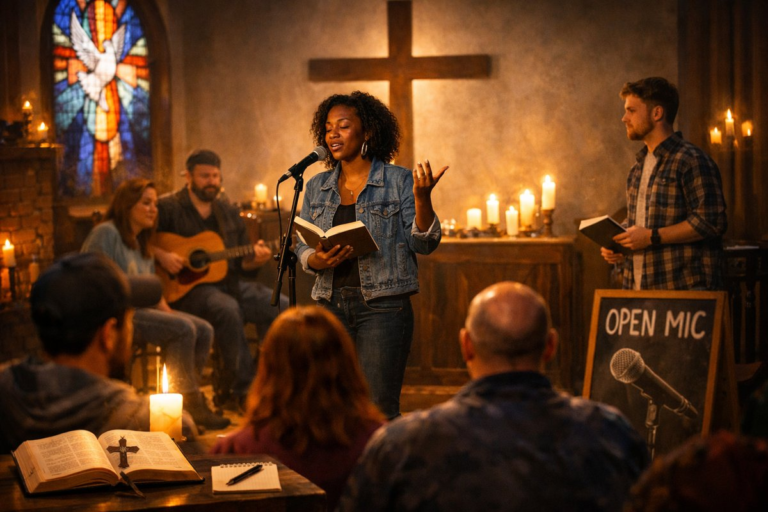
For many participants, the true measure of success lies not in attendance numbers but in quieter testaments: a parent sleeping more soundly, a veteran finding fresh hope, a teenager expressing grief in song rather than silence. ‘Healing happens when we feel seen, heard, and held by God and by one another,’ reflects a workshop leader. ‘Psalm 34 says “He heals the brokenhearted and binds up their wounds.” We’re simply giving people a chance to experience that promise together.’
As churches continue to innovate in response to evolving needs, ‘Psalms and Psychology’ workshops illustrate how ancient texts can speak into modern struggles. In a time marked by uncertainty and division, these gatherings offer a reminder that faith communities can bridge spiritual longing and emotional health-one verse, one conversation, one prayer at a time.