Location
Mount Vernon, WA 98274
Location
Mount Vernon, WA 98274

Discover how combining hands-on play with emotional awareness can spark a child's sense of wonder and resilience. This guide offers practical strategies-from creative toy rotations to emotion-based conversations-that nurture both cognitive skills and heartfelt connections.
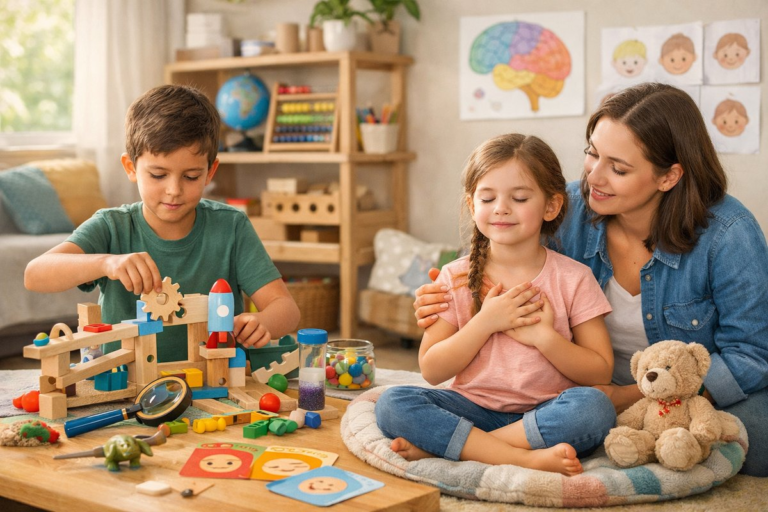
Parenting in the early years often feels like walking a tightrope between guiding a child’s curiosity and honoring their emotional world. Young learners arrive at each new milestone with big questions: Why do leaves change color? How do I tell my friend I’m upset? When parents weave wonder and warmth into daily routines, they set the stage for both deep learning and emotional resilience. Rather than surrendering to perfection or rigid lesson plans, caregivers can lean into playful experiments, heartfelt exchanges, and simple tools that spark discovery and self-expression.
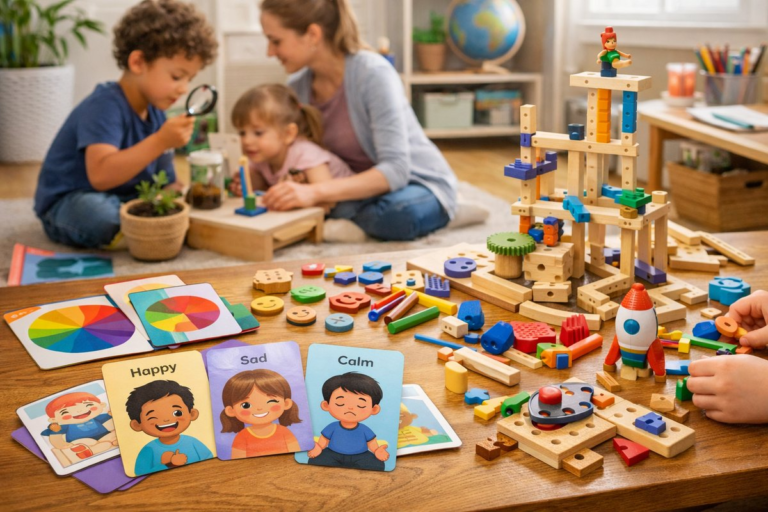
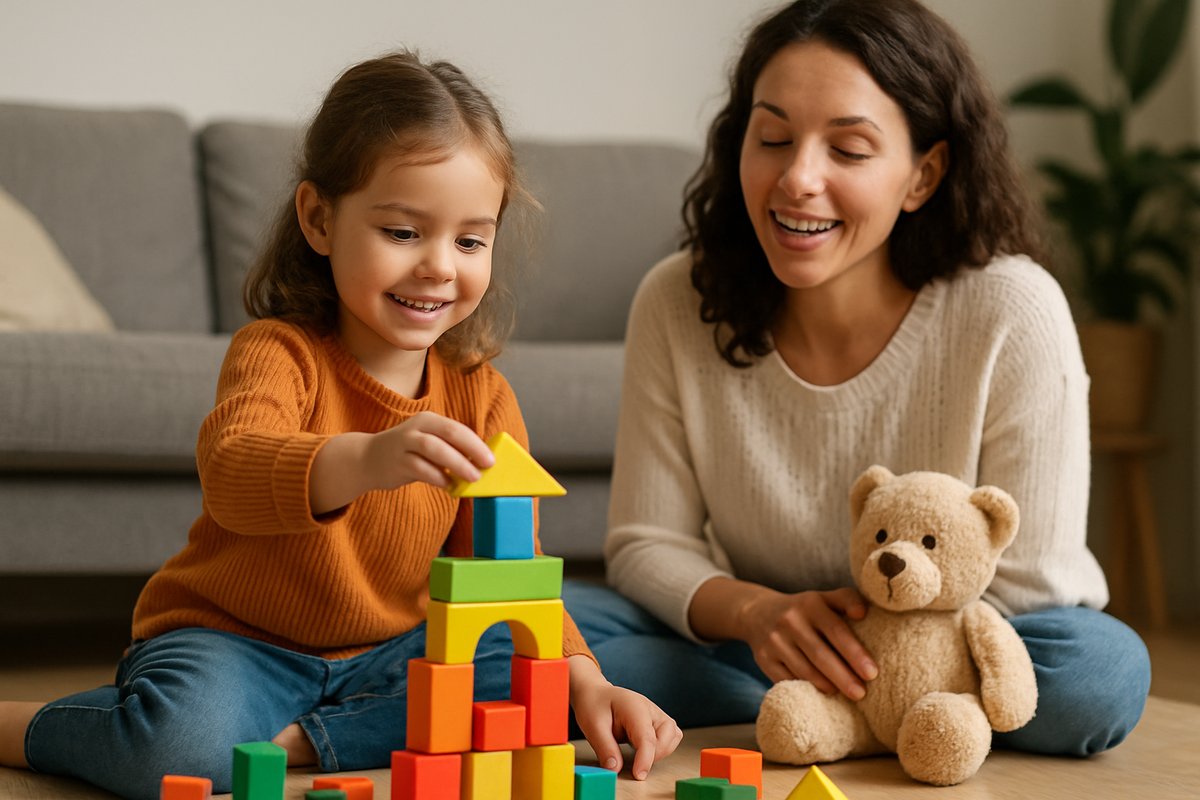
Unstructured play remains one of the most powerful catalysts for cognitive growth. When children stack blocks, sort shapes or build towers out of cups, they’re doing far more than just having fun. They’re testing gravity, experimenting with patterns and exploring spatial relationships. As you watch, resist the urge to correct or instruct and instead narrate the child’s discoveries: “I notice you put the red block on top of the blue one-what happens if you try a different order?” This open-ended commentary helps little ones articulate their thinking while reinforcing that mistakes and detours are part of every scientist’s journey.
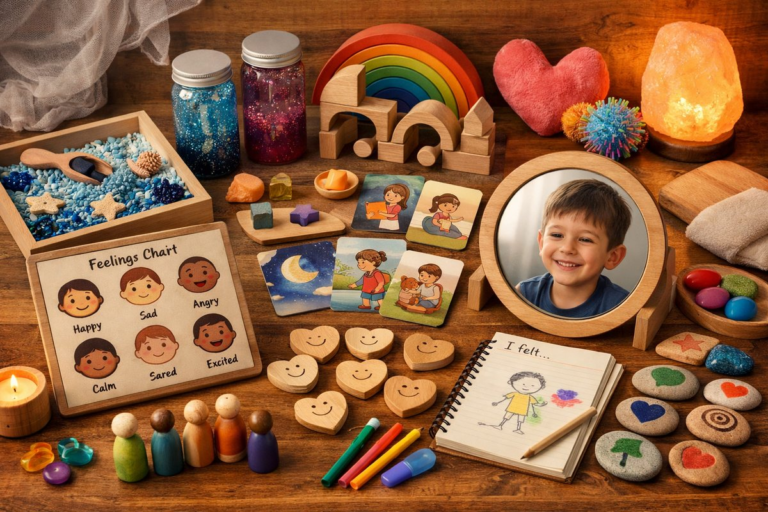
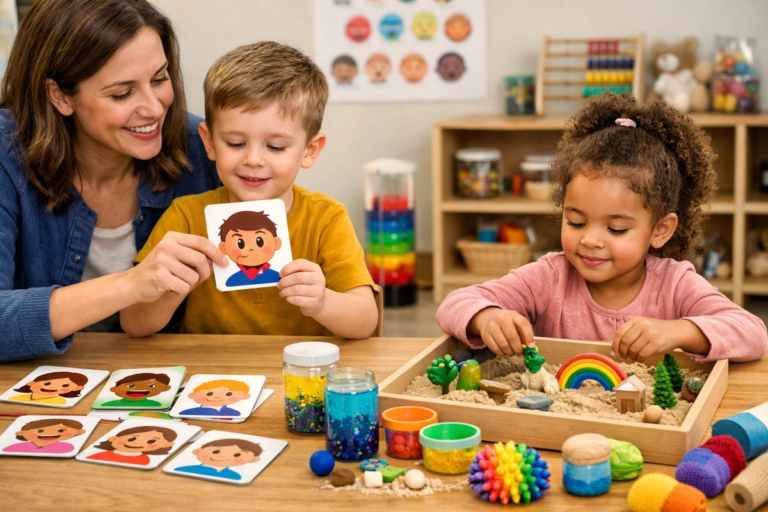
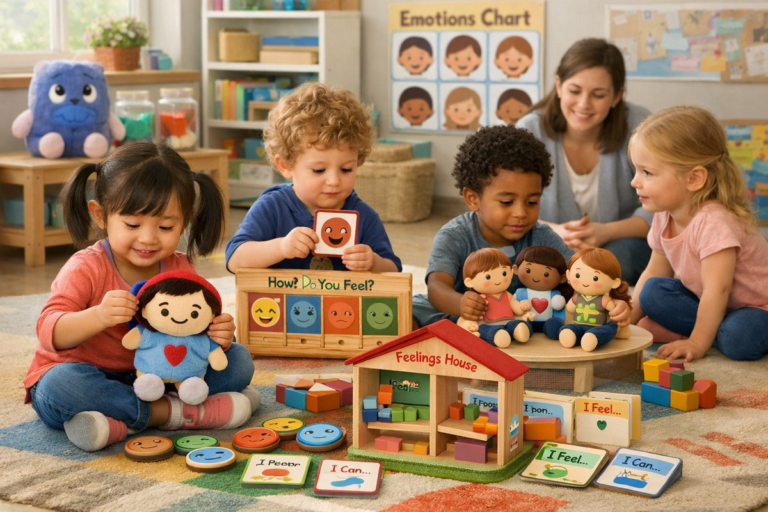
Alongside cognitive play, emotional literacy deserves an equal spotlight. Naming feelings-happy, frustrated, curious, scared-equips children with the vocabulary to talk about their inner lives. Setting aside a few minutes each day for an “emotion check-in” can become a ritual that reinforces safety and connection. Ask your child to point to faces on a feelings chart or draw an expression in a notebook. When you normalize emotions as natural and fleeting, kids learn that upset moments won’t last forever and that they can seek comfort or brainstorm solutions without shame.
Choosing the right tools and materials can amplify both intellectual curiosity and emotional insight. Simple wooden puzzles encourage problem-solving and fine motor control, while a set of color-coded tension balls or textured fidget items offers a quiet way to self-soothe during moments of overwhelm. Rotating toys on a weekly or biweekly schedule prevents boredom and sparks fresh enthusiasm. If blocks and magnets have been on the shelf for too long, a sudden reintroduction can feel like discovering a brand-new world of possibilities.
Daily routines present countless opportunities for mini-lessons that blend wonder with compassion. During story time, pause at a dramatic moment and ask, “What do you think this character is feeling right now? How would you handle this situation?” Over breakfast, cut fruit into shapes and talk about geometry-“This slice is a triangle because it has three corners.” In the car on the way to preschool, play an I-Spy game that highlights the colors of street signs or identifies patterns in building facades. These low-pressure moments reinforce that learning happens everywhere and that emotions are part of every experience.
Creating a dedicated learning nook doesn’t require a whole room. A corner of the living room or a portable storage cart can house a curated selection of materials: a sensory bin filled with rice or beads, a tray of magnetic letters for early literacy experiments and a washable mat for painting or stamping. Keep a small chalkboard or dry-erase board nearby to capture your child’s ideas, doodles and invented words. By making materials easily accessible but organized, you foster independence, as children can choose activities that call to them and return them when they’re done.
Real-life moments often become our most powerful teachers. Picture a child on the verge of tears because a tower has collapsed one too many times. Instead of rushing in to rebuild, try pausing and offering a simple reflection: “It looks like you’re feeling frustrated. Your tower took a tumble-what could we try next?” Sometimes handing over a few sticky notes or a small book of emotion stickers is all it takes to bridge the gap between overwhelm and curiosity. Giving children agency-letting them decide whether to take a break or keep experimenting-reinforces that they are capable learners and that parents trust them to navigate challenges.
In a world filled with screen time temptations and endless scheduling demands, the greatest gifts a parent can offer are presence and permission. Presence means tuning in to your child’s unique interests and emotional signals. Permission means valuing exploration over perfection, questions over answers, messy creases of paper over pristine worksheets. When caregivers model their own curiosity-tinkering with a household object, experimenting with a new recipe or admitting they don’t know an answer-they teach an invaluable lesson: learning never stops.
Raising thinkers who feel deeply requires patience, creativity and a toolbox of simple materials that inspire both the mind and the heart. Whether you’re swapping out wooden blocks for magnetic tiles or introducing an emotion-matching card game, the true magic happens when play and feeling come together. In those moments of joint discovery, children learn not only how their world works, but how to navigate it with confidence, empathy and imagination. Embrace the wonder in every build, every question and every shared smile.