Location
Mount Vernon, WA 98274
Location
Mount Vernon, WA 98274


Next-generation driver-assist features are transforming highway travel from a hands-on chore to a partly supervised journey. From sensor fusion and over-the-air updates to challenges on poorly marked backroads, we explore how adaptive cruise control and early autonomy are reshaping both machine and driver roles.
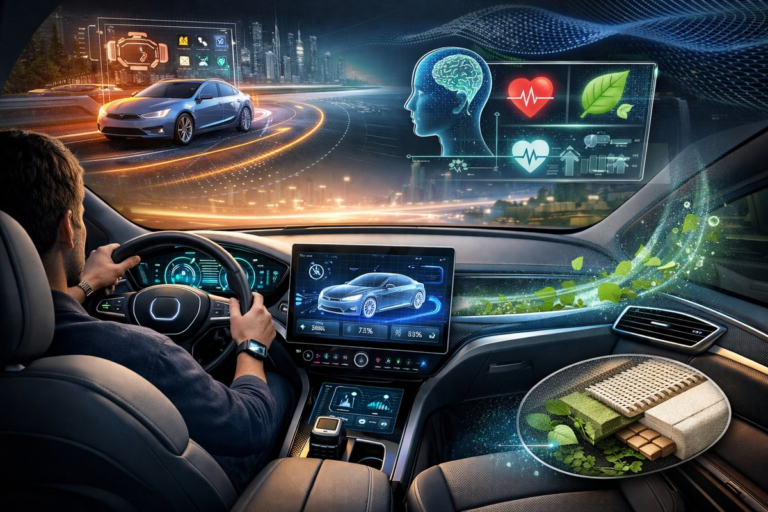
At the intersection of safety and convenience, the latest suite of driver-assist technologies is redefining what it means to be behind the wheel. What started as a simple cruise-control dial has evolved into systems that can follow traffic flow, center the vehicle between painted lines and even change lanes on command. In 2023, automakers reported that more than 60 percent of new passenger cars sold in the United States included some form of adaptive cruise control, according to industry analysts. That shift signals a larger trend: cars are learning not just to respond to our inputs, but to anticipate the road ahead.
Decades ago, cruise control held speed steady on long highway runs. By the early 2000s, radar-based sensors allowed cars to brake and accelerate automatically based on distance to the vehicle ahead. Lane-departure warnings soon followed, alerting drivers when their wheels drifted toward rumble strips. These modular features arrived one at a time, often as expensive options on luxury sedans. Today, they’re bundled together under acronyms like ACC (Adaptive Cruise Control), LKA (Lane Keep Assist) and TSA (Traffic Sign Assist), trickling down into mid-range models and compact crossovers.
In early 2023, the National Highway Traffic Safety Administration granted approval for the first Level 3 autonomy system-where drivers can cede full control under certain conditions-on designated highways. That milestone made headlines, but most vehicles on the road remain at Level 1 or 2, requiring constant driver supervision. Major rollouts of these advanced features-from hands-free highway driving to automatic lane-changing-now exist alongside experimental robo-taxis and deep-dive research partnerships between automakers and tech startups.
At the core of modern autonomy is sensor fusion. Multiple cameras, radar units and ultrasonic detectors feed data into a central computer, building a 360-degree view of the vehicle’s surroundings. Over-the-air updates ensure the car’s neural networks are always learning from millions of highway miles. But data privacy advocates have raised concerns: who owns that driving data, and how securely it’s stored. Transparent permission settings in companion apps are becoming standard, letting drivers opt in to share performance logs or crash videos for system improvements.
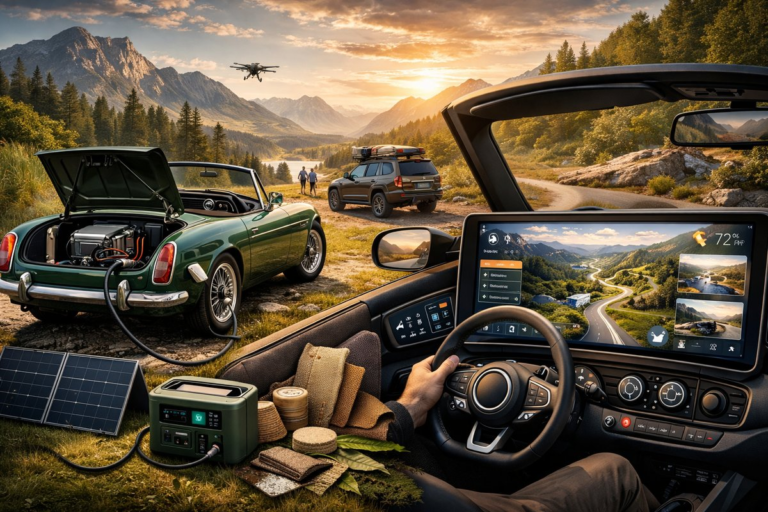
Even the best-trained system can struggle on crumbling secondary roads. Poor paint contrast, faded signage and steep inclines can trick lane-centering algorithms. On a recent road trip through mountain passes, one driver reported the car repeatedly disengaging its lane-keep mode when blind curves obscured painted lines. Coming to a sudden alert, the driver had to take manual control to avoid a sharp bend. These real-world scenarios underscore that current systems excel on well-maintained freeways, but face steep challenges once conditions deviate from the assumptions baked into the software.
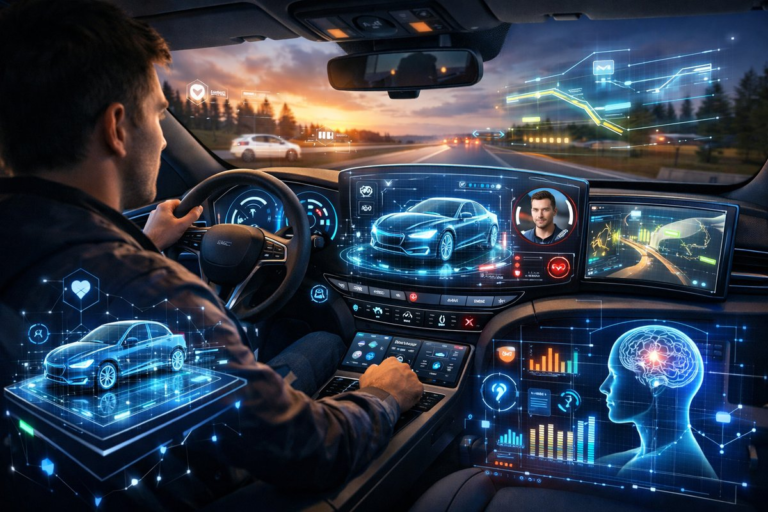
That tension between human and machine is at the heart of today’s debate. For many drivers, relinquishing throttle and brake control feels like giving up authority. Cognitive-load studies reveal that constant monitoring of an “almost-autonomous” system can be more fatiguing than pure manual driving-drivers stay alert but are never quite sure what the car will do next. To address distraction risks, some systems now include driver-monitoring cameras that track eye movement and head position. If the driver’s gaze wanders for too long, audible warnings prompt them to reassume control.
Beyond the vehicle itself, infrastructure must evolve. Dedicated short-range communication (DSRC) and emerging 5G networks promise low-latency data links between cars and smart traffic signals. Imagine a highway embedded with sensors that broadcast lane-closure alerts or changes in speed limits directly to onboard computers. Pilot corridors in a handful of states are already testing these vehicle-to-infrastructure (V2X) systems, though widespread adoption faces high rollout costs and interoperability hurdles.
Advanced driver-assist features also bring environmental benefits. By smoothing acceleration and braking patterns, adaptive cruise control can improve fuel efficiency by up to 10 percent on long drives. Electric vehicles with regenerative braking systems amplify those gains, recapturing energy more consistently when human inconsistency is removed from the equation. Fleet operators are taking note: ride-sharing companies now tout reduced energy use and lower maintenance costs when cars spend more time in semi-automated mode.
Maintaining these high-tech systems requires new routines. Cameras need occasional lens cleaning, sensor housings must stay free of debris, and radar modules require calibration after front-end repairs. Many shops now use Bluetooth OBD-II diagnostic scanners to verify sensor health or update firmware. Even hobbyists can purchase wireless tools that plug into the car’s port and report live status to a smartphone. Regular checks help prevent unexpected disengagements just when the automation is needed most, such as during sudden traffic slowdowns.
Ahead lies the regulatory path to fully hands-free driving. Level 3 approvals will expand beyond limited highways, but each new jurisdiction brings a patchwork of rules and liability frameworks. Insurance companies are already adjusting premiums for cars equipped with advanced systems, weighing data from onboard logs against crash-report records. Meanwhile, automakers are partnering with telecom providers to secure dedicated spectrum for high-reliability communications.
On the ownership side, adding autonomy features typically raises sticker prices by several thousand dollars. But as hardware costs decline and basic systems become standard on entry-level trims, early adopters find more affordable options in the used car market. Certified-pre-owned programs now include state-of-the-art driver-assist suites, complete with recent map updates and sensor recalibrations performed by the dealer.
Ultimately, the evolving relationship between human and machine on our highways is rewriting the rules of motion-and memory. Does the car remember every lane-centering correction it made on a rain-soaked night? Probably not, but the logs live somewhere in its black-box archives. As systems mature, drivers will learn where to trust the car and where to stay ready. The road ahead is a shared adventure: part human instinct, part silicon precision.