Location
Mount Vernon, WA 98274
Location
Mount Vernon, WA 98274

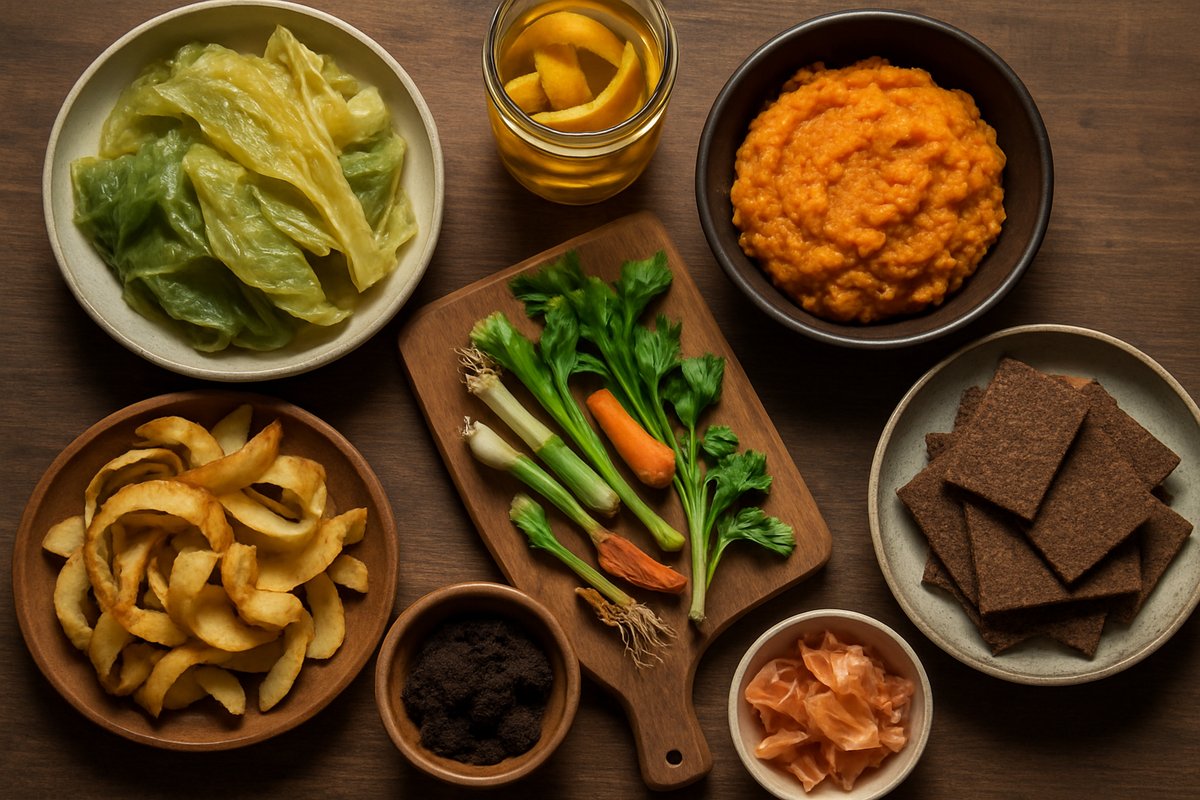
Home cooks and professional chefs are turning kitchen scraps into center-stage ingredients. Upcycled cooking is proving that food waste can fuel innovation, deepen cultural connections, and spark fresh flavors in everything from fermented veils of vegetable leaves to coffee-ground crackers.
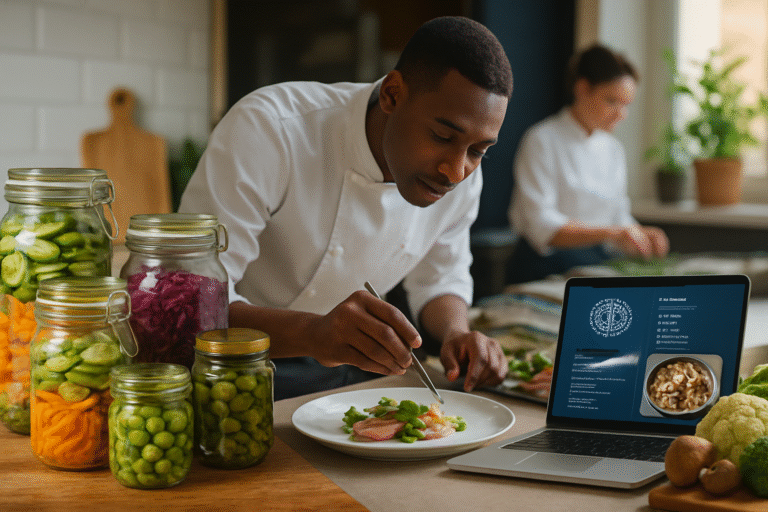
In a bright corner of a shared community kitchen, glass crocks bubble quietly with fermenting cabbage leaves and spent grain from a neighborhood brewery. Nearby, stainless steel bowls hold banana peels marinating in smoky spices, destined to become a plant-based “bacon.” Across town, a culinary student grinds day-old bread into crumbs destined for a crispy topping that might otherwise have been tossed out. This scene captures a rising tide in food culture: upcycled cooking. It’s a movement built on the promise of flavor reclaimed from the castoffs of everyday meals, a sustainable practice that bridges tradition with forward-thinking innovation.
A 2023 survey by a leading food-waste alliance found that nearly 60 percent of home cooks have tried repurposing food scraps into new dishes over the past year. On restaurant menus, nose-to-tail and root-to-stem offerings now share space with hyper-seasonal specials that showcase everything from carrot-top pesto to citrus-rind candy. Chefs hail from widely different backgrounds, but they share one goal: honoring the resources in front of them rather than letting them end up in landfills.
Upcycled cooking is rooted in long-established traditions around the world. In many Asian households, fish bones and shrimp shells simmer together for hours to form a rich stock that infuses soups and braises. In Mediterranean kitchens, day-old bread transforms into panzanella salad or crunchy crostini. In West African communities, fufu might be made from cassava peels fermented and dried, ensuring every part of the root is treasured. These age-old practices are now being reimagined through modern lenses.
One emerging trend is spent-grain sourdough. Breweries produce tons of leftover barley and wheat, often discarded once the beer has finished fermenting. Entrepreneurs and home bakers are now drying and milling those grains into flour, creating a nutty, moisture-rich foundation for loaves, pancakes, and crackers. The result: an unmistakable malty tang that turns a humble slice of toast into a conversation starter about resourcefulness.
Coffee shops are joining the upcycling wave, too. Spent coffee grounds find new life as a base for crunchy crackers, body-scrub ingredients, or even as a marinade for grilled vegetables that pick up an earthy depth. Recipes for coffee-ground pesto and spice rubs have circulated widely on social media, inspiring cooks to experiment with bitter, umami notes previously hidden in the morning cup.
Perhaps the most visually dramatic example is banana-peel “bacon.” When peels are thinly sliced, soaked in a smoky marinade of tamari, maple syrup, and paprika, and then baked at low heat, they crisp to a texture not unlike the breakfast staple they mimic. The trend highlights how familiar flavors and textures can be conjured from ingredients that would otherwise feed neither person nor planet.
Sustainability is only one dimension of upcycled cooking. The deeper appeal lies in flavor discovery and storytelling. A chef studying indigenous cuisines might learn that peach pits can be pressed for oil, revealing a subtly sweet, almond-like essence. A home cook exploring Mexican mole begins to roast the seeds left over from pumpkin carving, transforming them into pepitas that add crunch and color to salads and rice bowls. Each experiment uncovers cultural connections and personal memories tied to the foods we think we already know.
Behind these innovations, small-batch producers are developing specialty tools and ingredients. Glass fermentation jar kits equipped with airlock lids make lacto-fermentation accessible to beginners, while odor-neutralizing compost bins sit neatly on a countertop, inviting even urban dwellers to collect onion skins and herb stems for their backyard pile or municipal drop-off. Digital scales allow precise measurements of salt, sugar, or bran so that recreating a successful ferment becomes more predictable, especially for first-time creators.
Chefs say that the creative spark often comes from a single moment: spotting a forgotten leafy green in the fridge or testing whether citrus peels can yield candied troves of flavor. Once the potential is recognized, recipes follow by trial and error. An immersion blender whirs vegetable trimmings into creamy soups; a dehydrator transforms herb stalks into fine powder to boost marinades or finishing salt; even a basic food processor can turn stale tortilla chips into crunchy breadcrumbs that resurrect tacos al carbon or meatloaf.
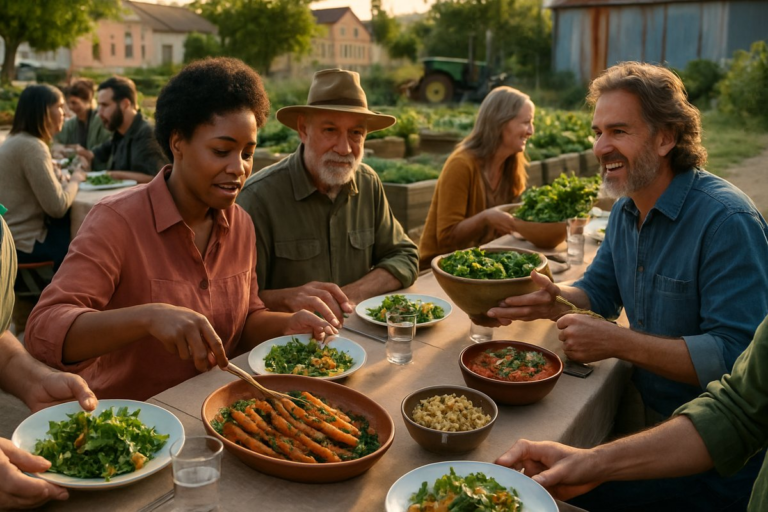
Home cooking classes dedicated to zero-waste techniques have sprouted in co-working kitchens and community centers. Participants learn to rotate scraps through broths, ferments, and pickles, then share their own findings: a spice blend made from charred pepper stems, an impromptu slaw using broccoli leaves, a weakly sweet syrup derived from last season’s pumpkin rinds. Sessions end with communal feasts, reinforcing the social magic of sharing foods that might once have been discarded.
The economic benefits are tangible. According to a recent industry analysis, households that embrace upcycled cooking can reduce their grocery bills by up to 15 percent, simply by getting creative with what they already have. Restaurants report a drop in ingredient costs when they integrate scrap-based components into daily specials. Suppliers, in turn, find outlets for byproducts once considered waste, creating new revenue streams and strengthening circular-economy practices.
Of course, the journey isn’t without hurdles. Perishability remains a challenge: carrot tops and herb stems must be processed promptly to avoid spoilage. Safety guidelines must be followed when fermenting at home, ensuring jars and utensils are sanitized to prevent unwanted bacterial growth. Flavor balance also requires finesse-too much acidity from over-fermented vegetables or astringency from unpeeled citrus rinds can overpower a dish.
Experts suggest starting small: collect vegetable peels in a sealed container in the fridge, then use them to make a simple stock. Roast the liquid-rich peels for ten minutes at 400°F before simmering. Strain and freeze for later use in soups, sauces, or risottos. As confidence grows, experiment with more adventurous projects-kombucha brewed on pineapple cores, chili oil infused with pepper stems, or brown butter gelato churned with stale waffle bits.
Technology and collaboration accelerate progress. Online forums dedicated to upcycled cooking host recipe exchanges, troubleshoot batch problems, and spotlight local ingredient exchanges where households trade surplus citrus or onion skins. Urban farms partner with cafes to collect spent coffee grounds, turning them into compost for rooftop gardens. Breweries collaborate with artisan bakeries to supply spent grain blends for sourdough programs in schools.
Looking ahead, the next frontier may be digital marketplaces for upcycled byproducts-platforms that connect restaurants with flour mills, home cooks with dehydrator owners, and local councils with community compost hubs. As supply chains tighten and consumers demand transparency, upcycled cooking may shift from niche trend to mainstream necessity.
For now, each bubbling crock and marinated peel tells a story of resourcefulness and possibility. Whether you’re a seasoned chef or a curious home cook, the path from shell to fork invites you to see value in the overlooked, deepen your connection to culture and seasonality, and share nourishment that extends beyond the plate.
The transformation of scraps into sustenance is both practical and poetic. In every morsel of upcycled flavor, there’s a reminder that food is more than fuel-it’s a chance to honor the past, protect the future, and celebrate the endless rhythms of growth, decay, and renewal that define our relationship with the natural world.