Location
Mount Vernon, WA 98274
Location
Mount Vernon, WA 98274

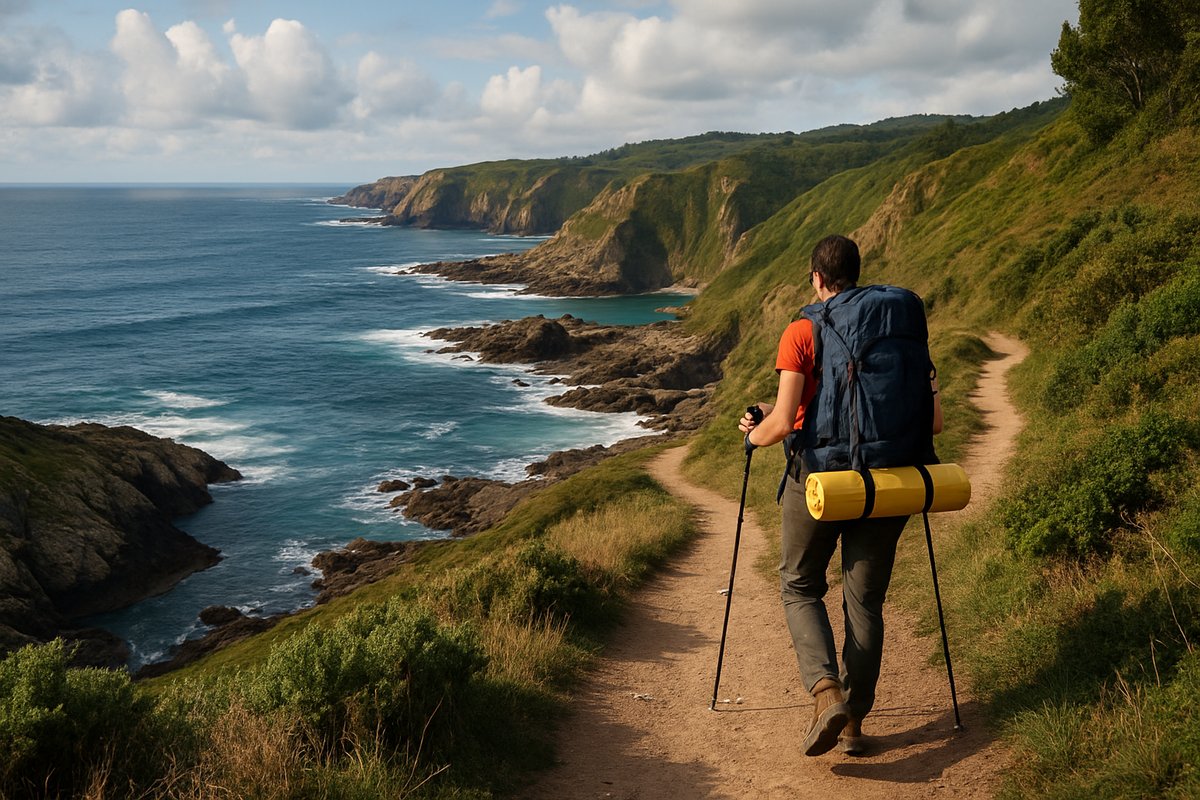
A new wave of investments and grassroots initiatives is transforming Spain's lesser-known coastal pilgrimage route. Along windswept cliffs and hidden coves, communities are balancing economic revitalization with sustainable practices, inviting modern-day pilgrims to discover cultural treasures and personal transformation. This article explores the latest developments, traveler experiences, and what to pack for the journey.
The jagged cliffs and hidden coves of northern Spain have long offered a subtler path for modern-day pilgrims, but only recently has the Camino del Norte received the same level of attention as its more famous counterpart inland. In the past twelve months, regional governments have funneled funding into revitalizing centuries-old waystations, upgrading coastal albergues, and installing sustainable signage that draws on renewable energy. These steps aim to strike a delicate balance between boosting local economies and preserving the raw, windswept beauty that defines this ancient pilgrimage.
Though overshadowed historically by the inland French Way, the coastal trail traces a route forged by medieval mariners and merchants who once linked fishing villages and fortified towns along the Bay of Biscay. Walkers pass through hamlets where stone chapels perch above tidal estuaries and where salt-harvesting traditions surface in artisanal workshops. Each step is a reminder that this journey is as much about making contact with living culture as it is about logging miles along the rugged shoreline.
Investments announced earlier this year include the restoration of three 12th-century hospedajes and the integration of solar-powered waymarkers that glow softly after dusk, guiding pilgrims through misty mornings. Digital kiosks have appeared in key villages, offering real-time weather updates, bed availability, and emergency contacts-all in three languages. By marrying centuries-old hospitality with modern conveniences, organizers hope to make the trail more accessible to novice trekkers without diluting the elemental sense of discovery that fuels the pilgrimage.
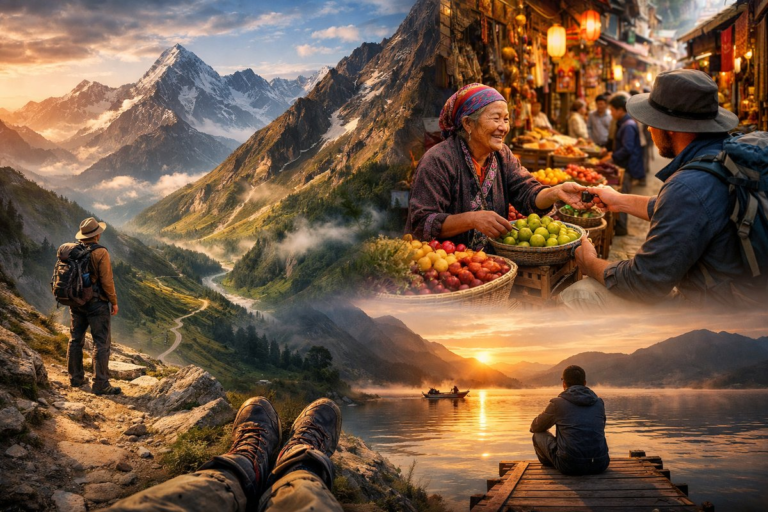
Many who have walked the route in recent months describe moments of quiet transcendence: watching dawn light spread across slate rooftops, feeling the salt breeze tangential to conversations with fellow pilgrims, or pausing at cliff-top chapels to let the wind carry away the noise of daily life. A photographer from southern France noted that the pastel hues of sunrise over the Cantabrian Sea cast the landscape in a palette he had never seen before, while a retired teacher from eastern Europe marveled at how a simple wooden bench halfway along the trail became both a communal gathering spot and an impromptu stage for storytelling.
The economic ripple effect has been tangible in the region’s micro-economies. Farmers are banding together to offer roadside stands of cheese and cured hams, while coop-run albergues provide dormitory-style lodging and communal meals prepared with produce from nearby farms. Local craftsmen have revived centuries-old ceramic and weaving techniques, selling hand-dyed scarves and clay vessels to pilgrims eager for a tangible memento of their trek. This resurgence of micro-entrepreneurship has helped stem the tide of rural depopulation that once threatened many of these coastal communities.
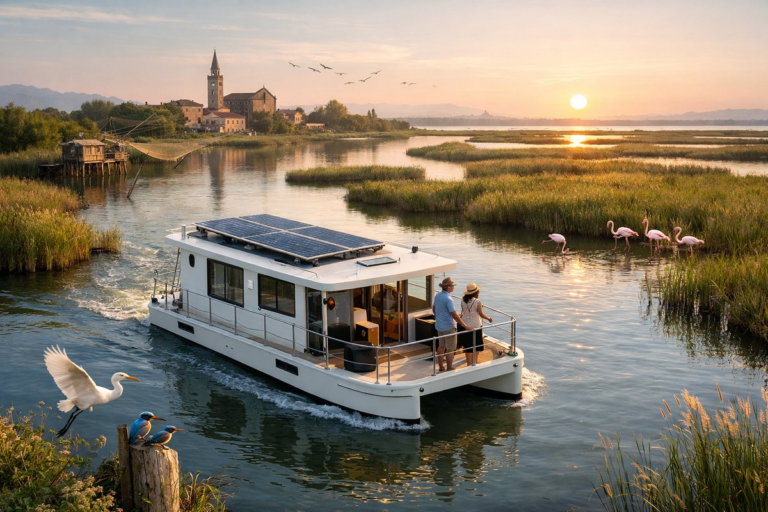
Sustainability lies at the heart of the recent overhaul. Trash-sorting receptacles now dot every village square, and eco-lodges powered by rooftop solar panels welcome those who want to minimize their footprint. A handful of trail stewards bicycle the route weekly, checking on water stations and offering refillable dechlorination cartridges so walkers can drink from mountain streams with peace of mind. Many pilgrims now carry collapsible water bottles to reduce plastic waste, a simple gesture that has significantly lowered single-use plastic along the entire coastal corridor.
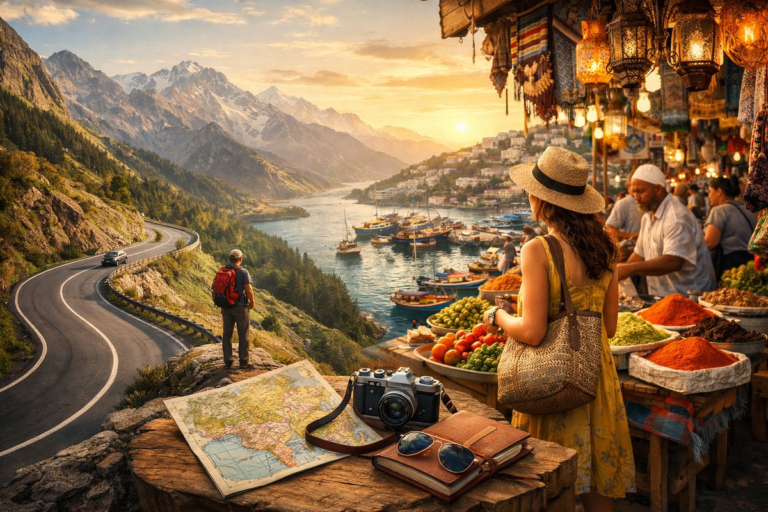
Timing a journey along the northern coast demands careful planning. Spring delivers vibrant wildflowers and mild temperatures, but lingering rains can render forest stretches slippery. Summer dazzles with long, sunlit days, yet mid-season crowds can strain small-scale services. Autumn’s crisp air brings fewer travelers and a canvas of rust and gold across the hills, but shorter daylight hours require early mornings and headlamps. No traveler should venture out without sturdy hiking boots, a weather-resistant jacket, and a reliable map-whether printed or downloaded via a dedicated trail app.
For those seeking detours, the coastal pilgrimage offers myriad side trails to sparkling beaches, hidden waterfalls, and ancient lighthouses. A short diversion leads to a secluded fishing inlet where the tide uncovers tidal pools, teeming with starfish and hermit crabs. Inland, moss-covered groves of eucalyptus and oak offer an entirely different mood, punctuated by the distant notes of grazing livestock. Culinary stops range from family-run taverns pouring small carafes of regional white wine to outdoor stalls where roasted chestnuts beckon passersby during cooler afternoons.
Beyond the physical challenges lies an inner terrain waiting to be explored. Many pilgrims describe a sense of digital disconnection as the journey demands attention to each footfall and the rhythm of waves. Some set daily intentions-gratitude, patience, or resilience-and use a lightweight travel journal to capture fleeting thoughts or sketches of the landscape. A decade-old priest who now prefers the trail over parish walls speaks of how solitude on a high clifftop chapel bench became the most profound form of chapel he has ever occupied.
Yet technology still plays a supportive role. Offline mapping apps have become indispensable, with detailed contour lines and elevation profiles helping trekkers avoid unexpected ascents. Solar chargers slip easily into a backpack pocket, ensuring a smartphone can double as an emergency beacon when reception flickers out near remote coves. Group messaging tools enable small contingents to share live coordinates, and a handful of artisanal radio repeaters boost signals in narrow valleys-an eclectic mix of old-world magic and new-world convenience.
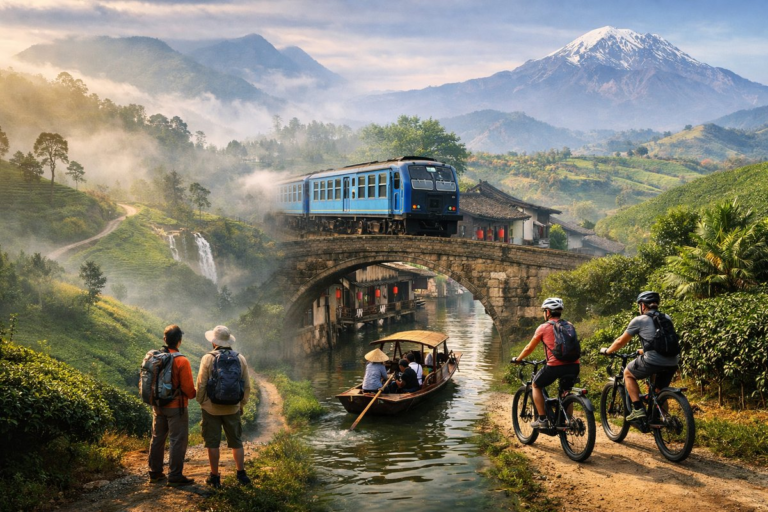
Not every step along the coast is smooth. Unpredictable fog can roll in from the sea within minutes, obscuring path markers on cliff edges. Some stretches remain so remote that a single misplaced turn can lead hours off course, reinforcing the value of solid navigation skills and a reliable guidebook. Mountain bikers share parts of the route in summer, and though speed is rarely an issue, the collision of two-wheeled momentum with pedestrian traffic has prompted organizers to designate specific hours for mixed use, a small compromise for maintaining safety.
As word of the transformed coastal way spreads, new partnerships are already taking shape between environmental nonprofits, village councils, and private foundations. Plans call for native tree-planting projects along eroded sections, additional solar albergues, and cultural exchange workshops where pilgrims and locals can share music, dance, and folklore. Far from becoming a homogenized corridor, this evolving pilgrimage serves as a living laboratory for sustainable travel-and reminds each visitor that sometimes the most enduring journeys unfold not just across landscapes, but deep within ourselves.