Location
Mount Vernon, WA 98274
Location
Mount Vernon, WA 98274

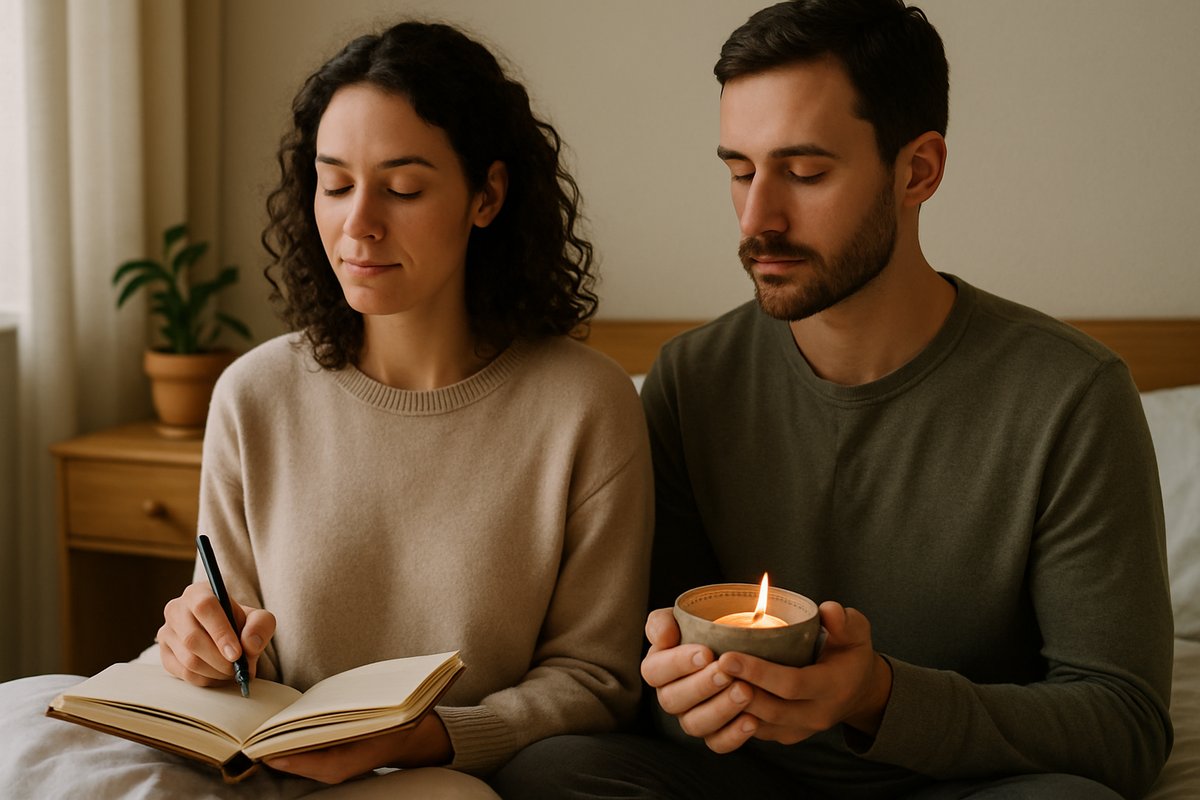
In the quiet space between words, couples around the world are discovering that silence can be the loudest form of communication. By weaving small, reflective rituals into daily life-ranging from shared journaling to micro-ceremonies-partners cultivate empathy, creativity, and a sense of mutual purpose.
On an unassuming Tuesday evening in a compact Berlin flat, two partners settle into a ritual they’ve lovingly named “Listening Lantern.” One dims the lights, the other strikes a match, and together they spend five minutes in silence, focusing only on each other’s presence. No phones, no to-do lists, just an unspoken invitation to observe breath, posture, and the subtlest emotional shifts. When the match burns out, they exchange just two sentences: one appreciation and one honest curiosity.
This simple ceremony-a blend of indirect feedback and shared mindfulness-has become a lifeline for them. It bypasses the usual friction of daily life: the rushed check-ins at breakfast, the misheard requests for dinner, the endless mental laundry. Instead, each partner offers the gift of full, tender attention. Over time, they’ve noticed small changes: more genuine compliments, softer tones when frustrations arise, and moments of laughter sparked by newly discovered quirks.
Such intimate rituals are multiplying in living rooms, kitchen islands, and back-porches worldwide. Far from elaborate hallmarks, these practices thrive on minimalism and emotional intelligence. They accommodate busy schedules and different energy levels, yet they build remarkable channels of empathy. Couples are trading elaborate date nights for micro-protocols like “two-word feedback” or “gratitude glances” during shared meals-tiny calls to witness each other’s inner weather.
Learning to listen without fixing is the cornerstone of these approaches. In relationship research, equipping partners with the skill of non-judgmental listening dramatically reduces conflict escalation. A recent survey by the Relationship Institute found that 72 percent of couples who practiced daily, timed listening sessions reported noticeable declines in misunderstandings and hurt feelings within two months. The trick lies not in perfection but in consistency: a one-minute pause each day can reset habitual reactions born of fatigue or resentment.
Emotional fluency-or the ability to read, interpret, and respond to feelings-thrives in these reflective encounters. Partners learn to spot microexpressions, shifts in tone, or lingering gazes that speak volumes. When one partner senses tension behind a simple “I’m fine,” they might gently acknowledge the unspoken: “I’m noticing you seem distant. Is there space for me to ask about it?” This indirect feedback-a question rather than a judgment-opens a door instead of slamming it shut.
Across cultures, couples adapt the core idea to their traditions. In Mumbai, some blend evening chai with a ritual of named appreciations: as steam rises from delicate cups, partners take turns naming one act of kindness they witnessed in the other that day. In São Paulo, dance-based “emotion mapping” sessions harness common movements-samba steps, arm circles-to express frustrations and hopes, then literally reorient bodies toward each other in an embrace that symbolizes both release and reconnection. In rural Japan, a variant of kintsugi-the art of mending pottery with gold-translates to relationship work: couples write about fissures in their connection on rice paper, then layer over them with gold paint, celebrating imperfections as sources of beauty.
None of these practices demands travel or large budgets-most arise from curiosity and the willingness to experiment. Yet they all honor two principles: emotional safety and shared growth. Emotional safety means recognizing the raw territory of disappointment, fatigue, or fear. Partners agree to step gently when navigating these moods, granting one another the benefit of the doubt. Shared growth means setting joint intentions: what do we want to learn about life, love, and each other as time unfolds?
Building shared growth can take many shapes. Some couples carve out a monthly “vision workshop,” complete with colored markers, sticky notes, and low-stakes themes-“what sparks our play?” or “how do we want to handle setbacks?” Others maintain a shared digital board where they pin miniature goals: finish a jigsaw puzzle, learn a new song on guitar, plant an herb garden. Ticking off these micro-quests fuels momentum, a reminder that partnership can be a playground for collective curiosity.
However, even the simplest ritual faces obstacles. Time is the most obvious barrier-two careers, kids, aging parents, personal projects. Emotional labor can also become lopsided: if one partner tends to lead every gratitude round, resentment can quietly creep in. Cultural expectations may intrude too: some families frown on overt displays of vulnerability, while others emphasize hierarchy over mutual exploration.
Addressing these challenges calls for policies of care as intentional as the rituals themselves. Here are some guiding ideas:
• Rotating facilitation: Take turns proposing and leading rituals so that each partner’s voice and pace get honored. If one designs a reflective journaling prompt, the other picks the next week’s conversation cards.
• Time-boxing: Block short, predictable slots on shared calendars-five minutes after breakfast or a quick check-in before bed. Short bursts feel less daunting than an open-ended date night squeeze.
• Aggregating small wins: Celebrate mini-milestones. Sent a kind text? Share it aloud. Completed a puzzle quest? High-five. These moments build positive reinforcement, signaling that small investments reap emotional dividends.
• Culture weaving: Lean into your backgrounds. Maybe you start each ritual with a cultural proverb or a song from childhood. Recognizing heritage adds another layer of meaning, knitting personal history into present connection.
Beyond these guidelines, specific tools can help translate intention into action. A shared journal-whether a leather-bound notebook or a cloud-based document-becomes a living record of where you’ve been and where you’re headed. Conversation card decks, stocked with unusual prompts, spark questions you might never think to ask. Even a simple kitchen timer serves as a cue: when the bell chimes, you shift gears from distraction to devotion.
As these rituals take root, couples often notice unexpected side effects. Anxiety around heavy topics softens when unpacked in a deliberate container. Creativity blossoms when partners brainstorm joint adventures, from urban micro-escapes to book-club-for-two sessions. Embodied trust grows when physical gestures-holding hands during a gratitude round or a spontaneous dance break-become permission to drop defenses.
Of course, no ritual is a silver bullet. Sometimes silence reveals deeper wounds or mismatched expectations. In those moments, couples benefit from an open heart more than a rigid script. A quick pivot-“This feels too heavy, can we switch to naming three funny things today?”-keeps connection alive, acknowledging that emotional flow is dynamic, not linear.
At the heart of these practices lies curiosity. Couples who view partnership as a shared learning lab discover that every upset can seed insight, every calm can deepen appreciation. By treating each small check-in as an experiment-open to iteration and surprise-they sidestep perfectionism. The goal isn’t a flawless ceremony but a living negotiation: each ritual evolves as you do.
So tonight, wherever you are, consider turning off notifications for five minutes. Gather a timer, a pen, or even just your two hands. Invite your partner into the space between your words and watch what stirs. In those echoes of empathy, you may find that the simplest rituals hold the greatest power to transform hearts-and to keep love growing through every season.