Location
Mount Vernon, WA 98274
Location
Mount Vernon, WA 98274


A new chapter in food culture is unfolding, driven by a resurgence of fermentation, sustainable seaweed sources, and inventive plant-forward cooking. Chefs and home cooks alike are reimagining pantry staples and tapping into global traditions to craft meals that nourish both body and planet.
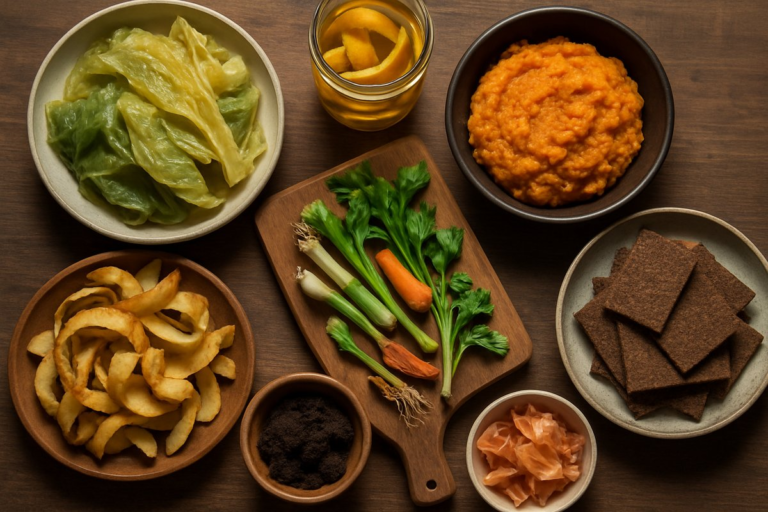
Across bustling night markets and virtual cooking classes, a culinary renaissance is taking shape-one that bridges ancestral wisdom with cutting-edge science. While avocados and kale once dominated headlines, today’s buzz centers on the dynamic trio of fermentation, seaweed, and plant-based creativity. Market research firm Innova found that global product launches featuring fermented ingredients rose by nearly 35 percent over the past year, a clear signal that consumers are hungry for flavors shaped by time and microbes rather than merely convenience.
In the aisles of specialty grocers, rows of kombucha bottles now share shelf space with jars of kimchi, lacto-fermented hot sauces, and probiotic-rich yogurt alternatives. Home fermenters are reclaiming their kitchens, swapping store-bought condiments for handcrafted miso pastes and lacto-fermented pickles. Online communities report that searches for “home fermentation kit” climbed more than 40 percent in the past six months, a trend fueled by both culinary curiosity and an appetite for gut-friendly foods celebrated by nutrition experts.
Meanwhile, seaweed-a longtime staple in coastal diets around the world-has washed onto the global stage with renewed vigor. Snack brands are packaging crisp seaweed sheets in snackable portions, positioning them as nutrient-dense alternatives to potato chips. Chefs are weaving nori ribbons into grain bowls, and artisanal producers are selling dried dulse flakes for seasoning. Seaweed’s umami punch, coupled with its low environmental footprint, positions it as a star player in the shift toward sustainable ingredients.
The plant-forward movement has been steadily gaining momentum, but it’s now reaching a more confident, creative phase. Beyond simple meat substitutes, kitchens are experimenting with whole-plant preparations-jackfruit carnitas, cauliflower liver pâté, and algae-enhanced sauces. In a survey by culinary consultancy Foodscapes, 68 percent of chefs said they plan to increase the share of vegetables and grains on restaurant menus, using mushrooms, legumes, and unconventional plants to build texture and depth.
This wave goes beyond taste. It’s embedded in a broader conversation about food waste, carbon footprints, and the ethics of sourcing. Compostable packaging and bulk bins for dry goods are gaining traction in both grocery stores and co-ops, allowing shoppers to buy exactly the quantities they need. Restaurants are collaborating with local farms to repurpose surplus produce into soups and dressings, closing the loop on ingredients that would otherwise be discarded.
Technology plays a supporting role in these innovations. Digital platforms now connect home cooks with backyard growers for hyperlocal produce deliveries. Smart refrigerators equipped with inventory-tracking apps can suggest recipes that use items nearing their expiration dates, nudging users toward more mindful consumption. And lab-grown cultures are being applied not just to meat alternatives, but to dairy-free cheeses and hearts of palm “scallops,” offering new textures and flavor profiles.
Despite all the novelty, there’s a deep reverence for food traditions. In small urban kitchens, multigenerational families gather to share time-honored techniques: spicing rice with leftover broth, fermenting seasonal fruits before winter, or kneading dough and letting it rest until it bubbles with air. These rituals offer a powerful counterpoint to the instant gratification of fast food apps, reminding us that cooking is a collaborative, sensory experience.
Global influences are cascading into everyday cooking as well. Ethiopian-inspired stews spiced with berbere, Indonesian tempeh renditions, and Filipino banana ketchup are no longer confined to ethnic restaurants-they’re finding their way into suburban pantries. Social media platforms brim with tutorials for jollof rice, sambal creations, and lemon basil pestos, sparking cross-cultural exchanges that celebrate both authenticity and adaptation.
Nutrition science is also evolving in step with these trends. Functional ingredients like adaptogenic mushrooms-chaga, reishi, lion’s mane-are being incorporated into broths and smoothies, promoted for stress resilience and immune support. Ancient grains such as millet, teff, and amaranth are making comebacks, prized for their nutrient profiles and gluten-free status. Many of these revival ingredients once limited to niche markets are now on supermarket shelves, democratizing access to diverse nutrients.
Amid all this change, dining remains a deeply social act. Community kitchens are hosting zero-waste potlucks, encouraging neighbors to bring creative leftovers. Pop-up dinners under city lights convene strangers around long communal tables, celebrating both seasonal harvests and human connection. Food festivals dedicated to fermentation, seaweed, and plant-forward fare are drawing thousands eager to taste new products and share knowledge.
Yet even as diners embrace the novel, they crave simplicity. A perfectly balanced miso soup, a crisp seaweed snack seasoned with sesame, or a grain bowl drizzled with fermented hot sauce can feel profoundly satisfying. These dishes are reminders that innovation doesn’t always mean complexity; sometimes it’s about honoring humble ingredients and letting their innate flavors shine.
Looking ahead, the synergy between sustainability and flavor will likely intensify. Sea growers are experimenting with multistrata ocean farms that cultivate seaweed alongside shellfish, creating ecosystems that filter water and sequester carbon. Researchers are isolating new strains of beneficial bacteria for fermentation, potentially unlocking taste profiles yet undiscovered. And as plant-forward cooking aligns with nutritional guidelines aimed at reducing chronic disease, the mainstreaming of healthful, delicious alternatives seems all but assured.
In kitchens around the world, cooks-whether novice or seasoned-are invited to explore these trends at their own pace. A spoonful of kimchi in a lunchtime rice bowl, a sprinkle of dried seaweed on scrambled eggs, or a stew thickened with pureed lentils can be first steps into a broader culinary world. Each experiment adds to a collective tapestry of taste, bridging cultures and generations.
The culinary landscape is shifting toward ingredients that tell stories: of tradition and innovation, of environmental stewardship, and of community resilience. As we sharpen our knives and dust off our fermentation crocks, we’re reminded that every meal is a chance to connect-with the earth, with distant coastlines, and with each other. In that sense, the next wave of food trends is less about fleeting fads and more about rediscovering what nourishes us at the deepest level.