Location
Mount Vernon, WA 98274
Location
Mount Vernon, WA 98274

From restoring coral reefs to learning traditional crafts in remote villages, modern explorers are reshaping the idea of leisure travel into meaningful exchanges. This article delves into emerging trends, hands-on experiences, and eco-friendly gear that make every trip feel like a contribution-with lasting memories and local impact.
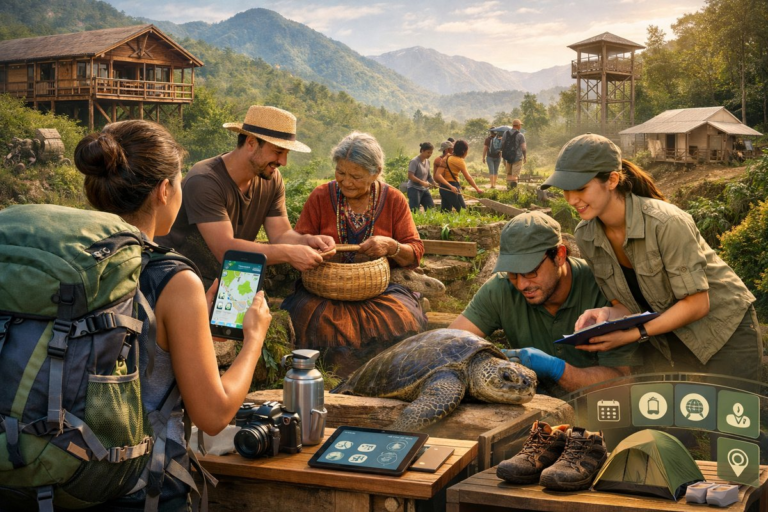
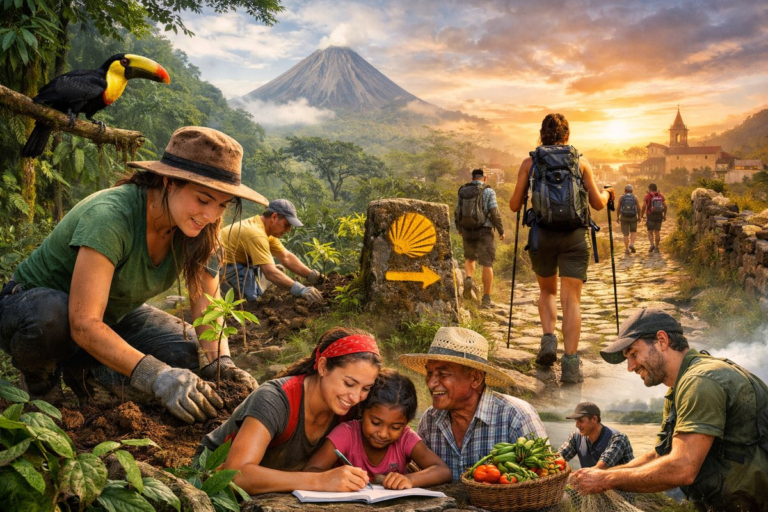
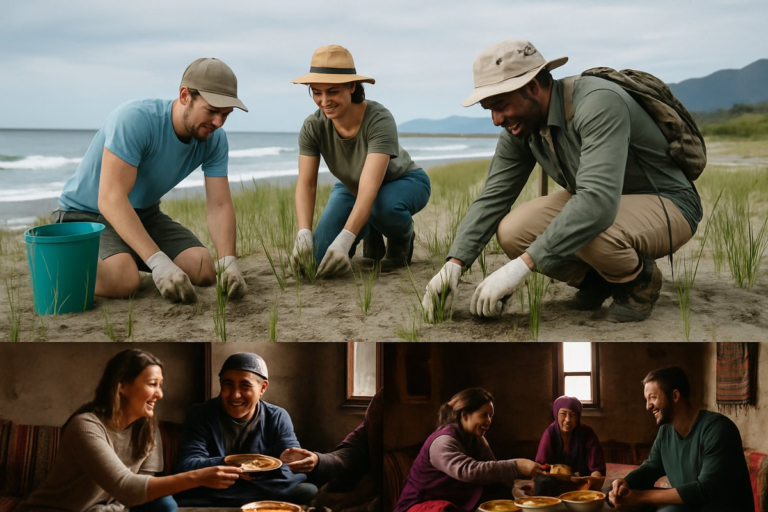
Travelers today are looking beyond typical sightseeing itineraries. They’re craving experiences that leave both an imprint on their own lives and a positive mark on the communities they visit. Whether volunteering on a coral restoration project in the tropics, staying with a remote farming family to learn ancestral techniques, or unplugging entirely in a forest retreat, this new wave of purpose-driven exploration is redefining what it means to go away on vacation.
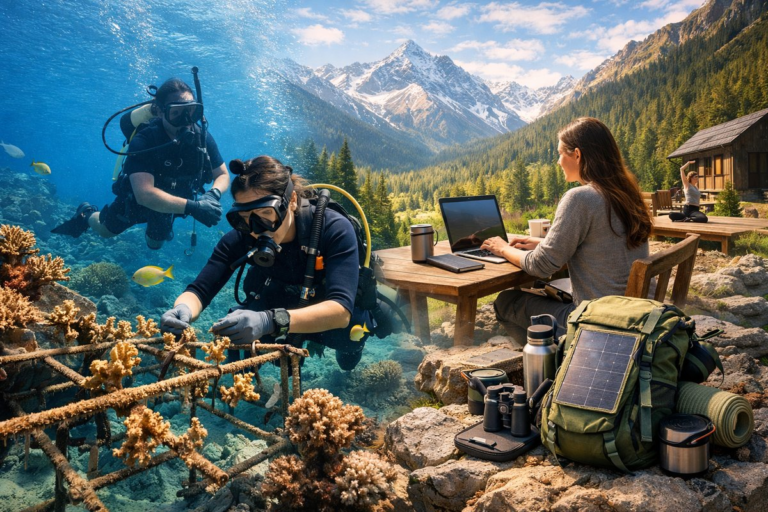
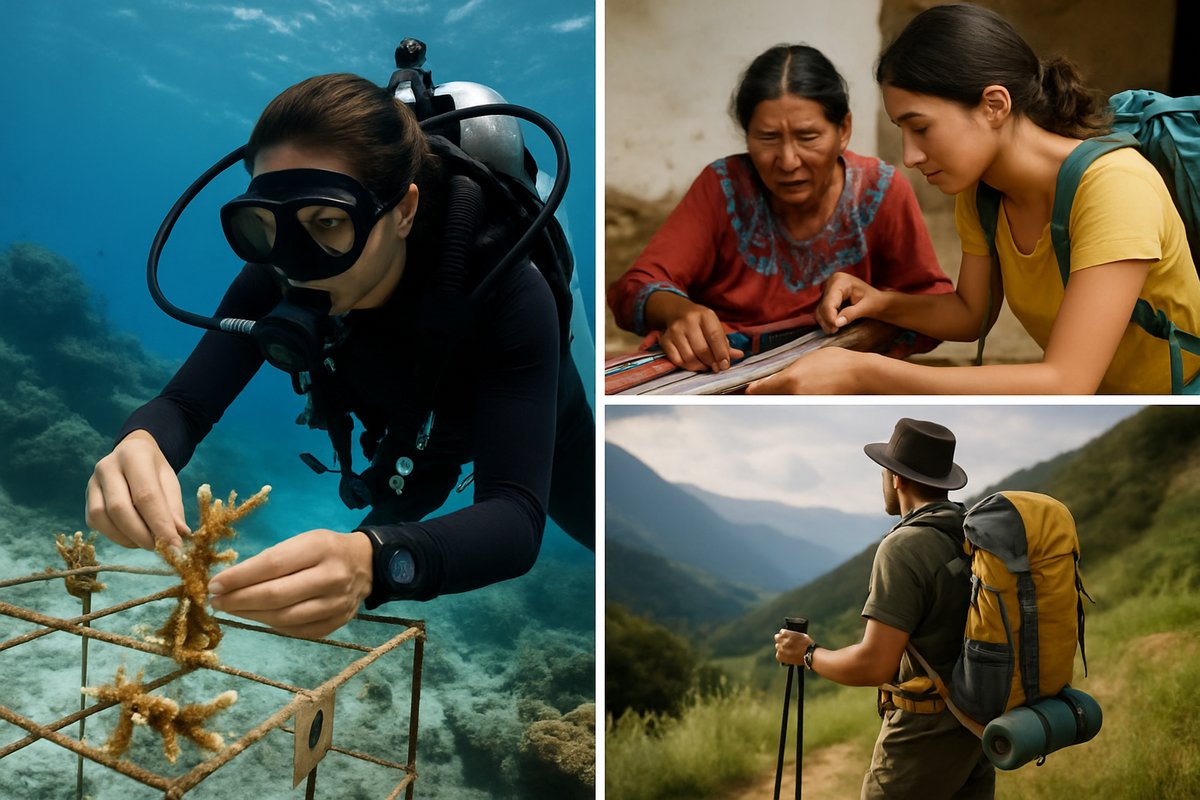
A few years ago, diving into turquoise waters was all about beating depth records or snapping the perfect social media shot. Now, more travelers are signing on as citizen scientists to help transplant baby corals onto bleached reefs. Under the guidance of marine biologists, small groups are trained to handle delicate coral fragments, secure them onto underwater frames, and monitor growth rates over weeks or months. The result is twofold: vital data for conservation efforts and the satisfaction of directly aiding an ecosystem under threat.
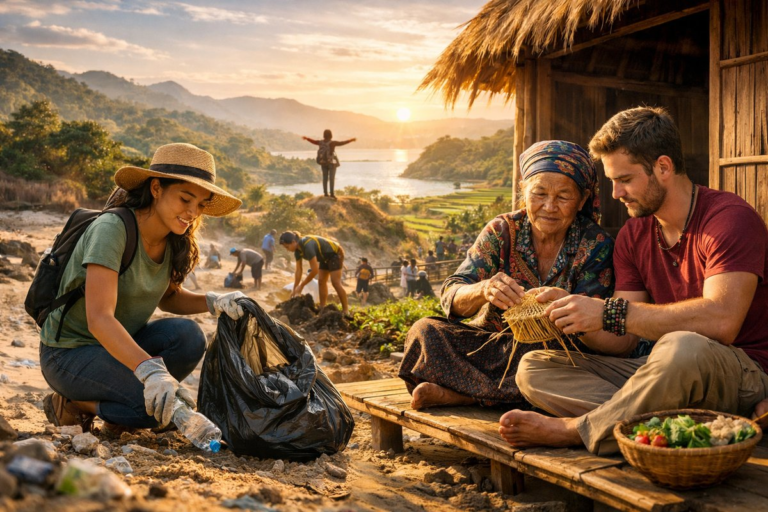
On land, cultural immersion programs are rising in popularity. A six-day homestay with an indigenous weaving collective offers travelers hands-on lessons in dyeing yarn with local plants and weaving intricate textiles on backstrap looms. In exchange, guests help sort raw fibers or package finished pieces for sale at fair-trade markets. These stays often include shared meals cooked from garden harvests, storytelling around a fire, and honest conversations about how global demand for fast fashion affects rural artisans.
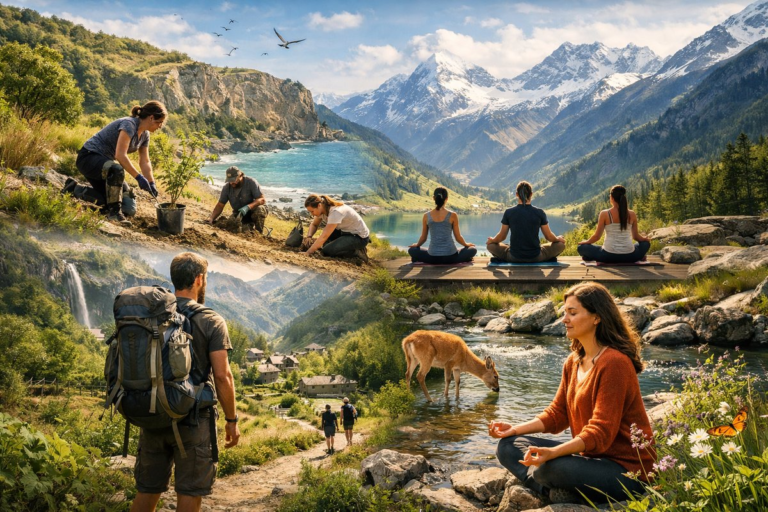
For those whose schedules only allow a quick escape, weekend digital detox trips in old-growth forests are becoming a go-to reset. Participants lock away phones and screens in sealed pouches provided by retreat organizers, then spend two nights in small cabins or yurts powered by solar arrays and rainwater catchments. Guided mindfulness walks, silent communal meals, and nature journaling sessions help travelers reconnect with their senses and break habitual scrolling. According to a recent survey conducted by an independent lodge operator, 87 percent of participants reported deeper focus and reduced stress levels after just one weekend unplugged.
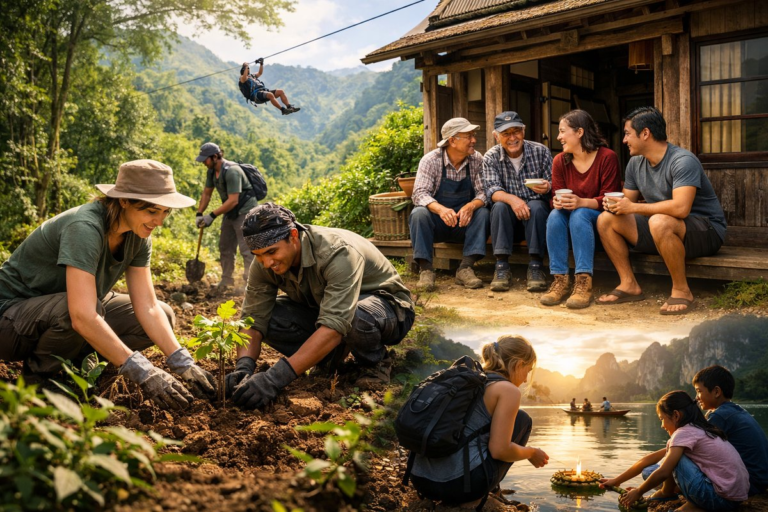
Adventure tour operators have responded to this shift by developing modular itineraries that combine adventure with service. A typical 10-day expedition might begin with rafting down a wild river and end with building footbridges in mountain villages. Daytime treks, zip-line crossings, and canyon swims are interspersed with volunteer hours constructing basic infrastructure, teaching English to schoolchildren, or installing low-cost water filters in rural homes.
Sustainability is woven into every aspect of travel, from lodging to packing choices. Eco-lodges are popping up in rainforests and coastal dunes, built from local materials like bamboo, reclaimed wood, or hempcrete. Rainwater harvesting systems supply showers and sinks, while solar collectors heat communal kitchens. Many lodges partner with local cooperatives to serve farm-to-table meals, featuring heirloom grains and seasonal produce sourced within a 10-mile radius.
Packing light with multifunctional gear has become part of the purposeful mindset. One seasoned traveler describes her kit: a lightweight sustainable backpack made from recycled fabric, a packable rain shell that doubles as an insulation layer, and a water purification straw that filters stream water on the go. For off-grid charging, she recommends a foldable solar panel that recharges batteries for headlamps, phone batteries, and a compact drone used for aerial monitoring during conservation missions.
Wellness elements are also integrated into these journeys. Morning yoga sessions on rooftop terraces overlooking emerald valleys are followed by plant-based breakfasts rich in local superfoods like wild berries and fermented grains. Guest facilitators may guide breathing exercises under ancient oaks or lead restorative sound-bath sessions using local bamboo instruments.
The rise of micro-volunteering is expanding the appeal of purpose-driven travel even for newcomers. Instead of committing weeks to a single project, travelers can sign up for short service blocks of a few hours a day. This flexibility opens doors for business travelers who tack a conservation morning onto a two-day work trip, or college students who volunteer in local community gardens between classes.
Local partnerships lie at the heart of authentic experiences. Reputable operators work closely with village councils, environmental NGOs, and cultural organizations. They tailor programs to community needs, whether it’s funding a wildlife corridor, organizing language exchanges, or mapping coastal erosion. This level of collaboration ensures that the benefits flow both ways-travelers gain insight, skills, and memories, while host communities receive resources, small-scale infrastructure, and market access.
Measuring impact is another emerging trend. Many travel programs now include pre- and post-trip evaluations, asking participants to reflect on changes in their environmental attitudes or cultural empathy. Host partners keep records of volunteer hours, material improvements, and local income generated from guest stays and handicraft sales. These metrics feed into annual reports, helping operators refine their offerings and share success stories with future travelers.
Planning a purpose-driven adventure requires more research up front but pays dividends in authenticity. First steps include defining your core interest-wildlife conservation, cultural craft preservation, social entrepreneurship, or personal wellness. Next, vet operators for transparency: look for published impact reports, clear descriptions of how accommodation fees are allocated, and opportunities for direct communication with community coordinators.
Insurance and safety considerations also take on new layers. Remote volunteer projects often occur far from major hospitals, so travelers should choose policies covering emergency evacuation, high-adventure activities, and medical contingencies. Gear checklists emphasize reliable first-aid kits, lightweight dry bags, sturdy trekking poles, and headlamps with extra batteries.
While planning gear and logistics, travelers often create a reflective ritual to frame the experience. It might be a pre-trip intention-setting journal, a group discussion on values before arriving, or a communal closing circle where participants share highlights and challenges. These practices deepen emotional connections and ensure that the lessons learned on the road reverberate long after the journey ends.
Purpose-driven travel is not without its critics. Some warn of “voluntourism” pitfalls where well-meaning visitors disrupt local economies or take jobs from residents. Others caution that short-term interventions can create dependency if communities rely too heavily on external aid. To address these concerns, leading operators emphasize skill transfers, train local facilitators to lead programs, and maintain ongoing communication rather than one-off projects.
Despite these challenges, the momentum behind meaningful travel shows no sign of slowing. A recent industry report forecasts that one in four leisure travelers will seek some form of community engagement or conservation activity on their next trip. As mainstream tour companies integrate service modules and boutique operators craft hyperlocal experiences, purpose-driven itineraries are poised to become a staple across price points and geographies.
For curious travelers plotting a weekend escape or a bucket-list quest, the journey with purpose offers far more than photos for social feeds. It’s a call to step into another world, learn new skills, and leave something valuable behind. Whether you’re assembling a modular adventure that balances scuba work with seaside planting, or you’re drawn to a silent forest retreat scented with pine and moss, gear that supports sustainability and self-reliance will enhance every moment.
As you plan your next trip, imagine how each piece of equipment, every local interaction, and each intentional pause can deepen your connection to place and community. When travelers step off the plane carrying more than souvenirs-when they carry back stories of shared meals, new friendships, and measurable impact-they transform both themselves and the destinations they visit.
Purpose on the road isn’t a trend; it’s a mindset shift. The world is vast, yet each trip can begin with a single choice: to explore not just for pleasure, but with an eye toward lasting good. That choice may lead you to the bottom of the sea, the roof of a mountain, or the heart of a village, but it will always bring you closer to the meaning that travel can hold.