Location
Mount Vernon, WA 98274
Location
Mount Vernon, WA 98274

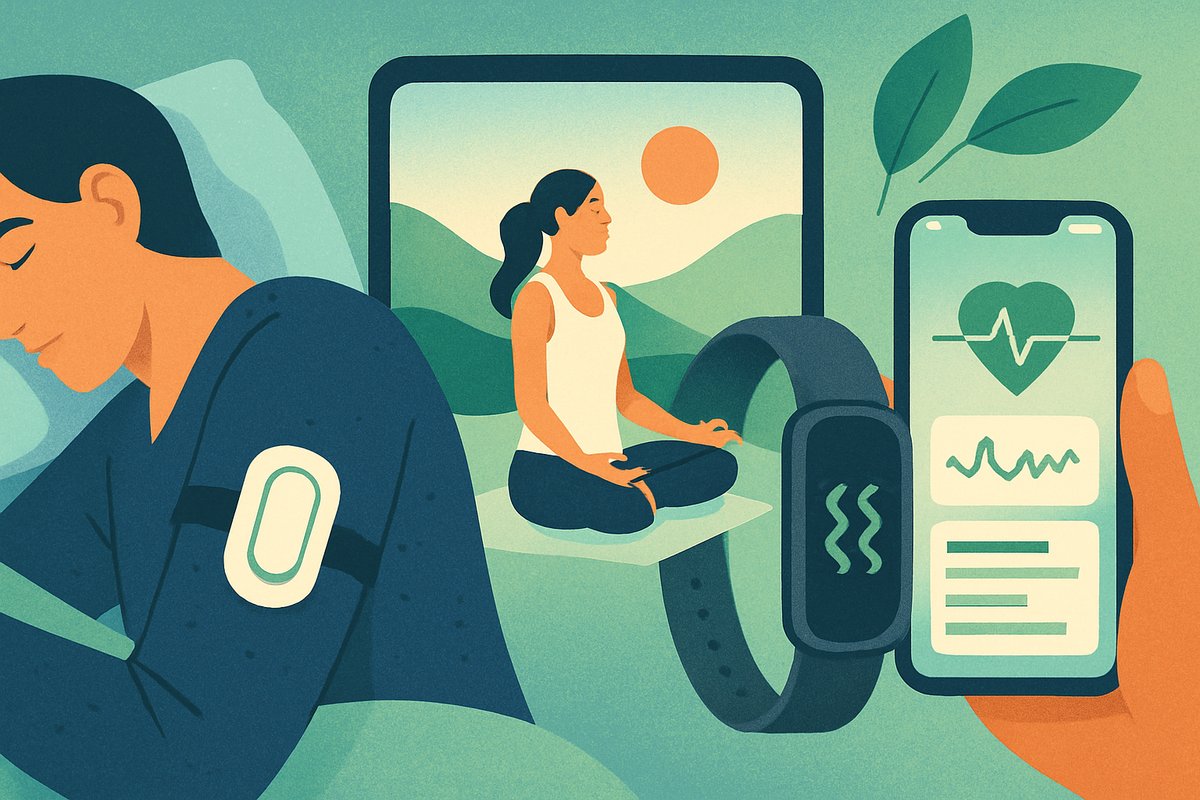
A surge of innovations is reshaping how people nurture their bodies and minds. From sensor-laden sleep wearables to immersive meditation platforms, emerging tools are designed for better rest, recovery, movement and emotional balance-while respecting data privacy and sustainability.
The wellness landscape is evolving faster than ever, driven by a blend of scientific discoveries, consumer demand and cutting-edge technology. Once confined to niche labs and high-end clinics, advanced recovery tools and immersive platforms are entering everyday routines. As sleep deprivation, burnout and sedentary habits climb, companies and researchers are racing to deliver solutions that boost vitality and emotional clarity. But beyond glossy gadgets, a deeper shift is underway: users are demanding devices that secure personal data, minimize environmental impact and integrate seamlessly into daily life.
Recent market analysis indicates that sales of smart sleep trackers grew by over 40 percent in the past year alone. These wearables range from rings that monitor heart rate variability and skin temperature to mattress covers equipped with arrays of micro-sensors. Early clinical trials published in a top sleep journal reported a 15-minute increase in nightly deep sleep when participants used these devices alongside tailored feedback. By combining onboard processing with local data storage, newer models keep raw readings on the device, giving users full control over what gets shared to cloud services.
Lighting is another frontier in circadian research. Offices and living spaces are now being retrofitted with tunable bulbs that mimic natural daylight patterns. A company installing these systems in a 500-seat workspace found a 20 percent drop in afternoon fatigue complaints and a 30 percent increase in self-reported focus. Beyond overhead fixtures, portable desktop lamps can deliver spectrum shifts from warm amber in the evening to crisp white in the morning-helping shift-workers and remote professionals align with healthier sleep rhythms.
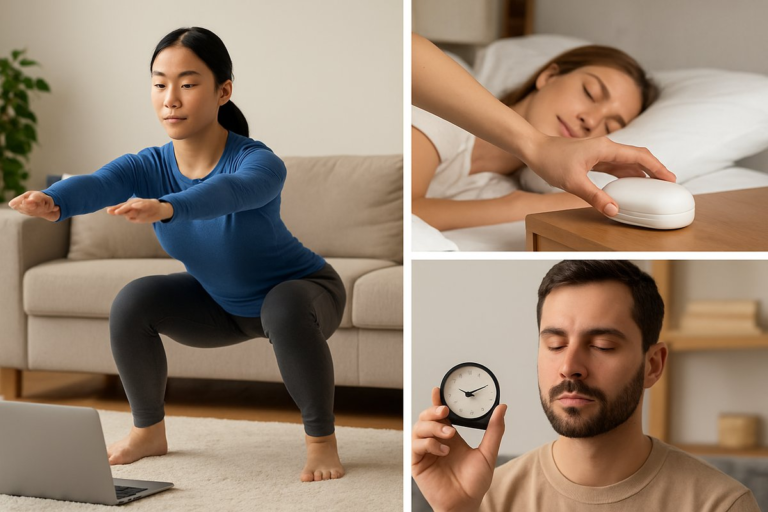
Movement trends have also shifted toward affordability and flexibility. While traditional gyms see plateauing membership growth, digital platforms that host micro-workouts-three- to five-minute sessions tailored by AI-are experiencing explosive adoption. Users complete bursts of strength, mobility or cardio exercises on their own schedule. When paired with motion-tracking cameras or even built-in smartphone sensors, these programs offer real-time form correction without the need for in-person coaching. Surveys suggest the average user increases weekly activity minutes by 25 percent when following guided mini-routines versus free-form exercise.
Immersive environments are making a splash in both movement and mindfulness. Virtual reality headsets, once the purview of gamers, now host guided yoga flows in calming digital forests or ocean-side tai chi classes. Independent trials demonstrate that VR meditation can reduce stress hormone levels by 18 percent after a single 20-minute session. These platforms often come with spatial audio experiences and optional biofeedback accessories, such as wireless earbuds that monitor breathing or headbands that track subtle neural signals.
Recovery protocols are similarly embracing advanced therapies. Portable red-light therapy panels, once found only in pro sports clinics, are now small enough for home use. Emitting targeted wavelengths shown to support cellular repair and reduce muscle soreness, these panels have received clearance for skin health and post-exercise recovery. Anecdotal reports and preliminary trials suggest they help improve skin tone, accelerate wound healing and ease joint discomfort-making them popular among everyday athletes and wellness enthusiasts alike.
A resurgence of interest in cold therapy has also spilled into the mainstream. At-home cryotherapy chambers and manual cold plunge tubs are more accessible and insulated than ever. According to a consumer research group, at least 15 percent of wellness shoppers have tried cold immersion routines in the past six months. Advocates point to enhanced mood, sharper focus and reduced inflammation, while critics urge caution and proper guidance. Educational platforms now offer step-by-step tutorials, safety protocols and community support to ensure newcomers don’t overdo exposure.
Nutrition and supplementation continue to adapt to personalized goals. Rather than generic multivitamins, subscription services now send monthly packs calibrated by at-home blood spot tests or microbiome analyses. Cloud-based dashboards track markers like vitamin D levels, Omega-3 index and gut diversity, then adjust formulations accordingly. Privacy safeguards allow users to opt-out of data sharing, and packaging is shifting toward compostable pouches to minimize plastic waste.
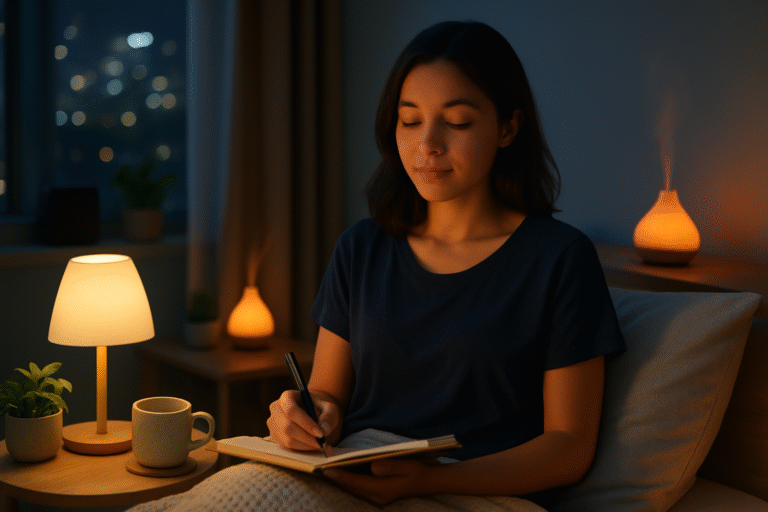
Emotional clarity is gaining new tools as well. AI-driven journaling apps prompt users with reflective questions based on mood tracking and biometric inputs. By combining text analysis with heart rate data from a wearable, these apps can tailor breathing exercises, soundscapes or guided visualizations in real time. One report from a digital health institute noted that consistent journaling paired with biofeedback reduced anxiety scores by over 30 percent after eight weeks of daily use.
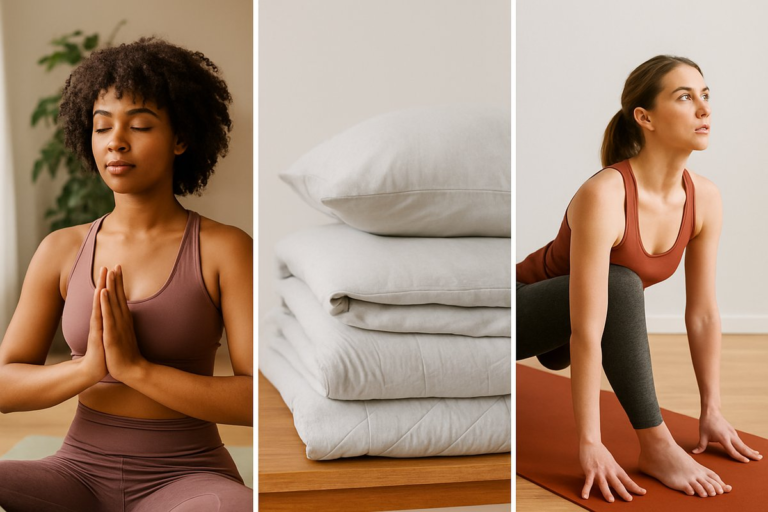
Digital detox retreats are also going virtual. Remote wellness experiences now gift participants a curated box of analog tools-such as artisanal herbal teas, sustainably sourced incense and hand-woven fabric eye pillows-alongside access to live community circles. Facilitators guide small groups through unplugged weekends focused on breath work, mindful movement and nature immersion. Early feedback shows higher adherence rates compared to self-guided programs, suggesting that social accountability remains a powerful motivator even in the digital age.
As these tools multiply, a unifying thread emerges: sustainability and ethical design are no longer optional extras. Consumers want transparency in material sourcing, carbon-neutral shipping and repairable hardware. Several startup accelerators are backing circular economy initiatives, like modular devices that can be upgraded instead of replaced. This contrasts sharply with last decade’s disposable trends and points to a more conscious era of wellness.
While the pace of innovation is exhilarating, experts caution that technology should complement-not replace-foundational habits. Good sleep hygiene, balanced nutrition, regular movement and genuine social connections remain the pillars of long-term health. Emerging gadgets and platforms are most effective when woven into daily rituals that honor individual needs and preferences.
For administrators and lifelong learners exploring these tools, the key is curiosity. Experiment with one or two new practices at a time, monitor how your body and mind respond, and adjust accordingly. Seek out peer support, whether through virtual communities or local groups, to stay motivated and informed. By blending cutting-edge tech with grounded, time-tested rituals, anyone can build a wellness ecosystem that supports vitality and emotional resilience.
The wellness market shows no signs of slowing down. As research labs, startups and established brands continue to collaborate, expect even more tailored solutions in the year ahead-everything from smart textiles that adjust to body temperature, to bio-adaptive soundtracks that synchronize with real-time heart rates. Amidst all the options, the guiding principle remains the same: your foundation of well-being starts with practices that feel authentic, sustainable and respectful of both personal privacy and planetary health.