Location
Mount Vernon, WA 98274
Location
Mount Vernon, WA 98274

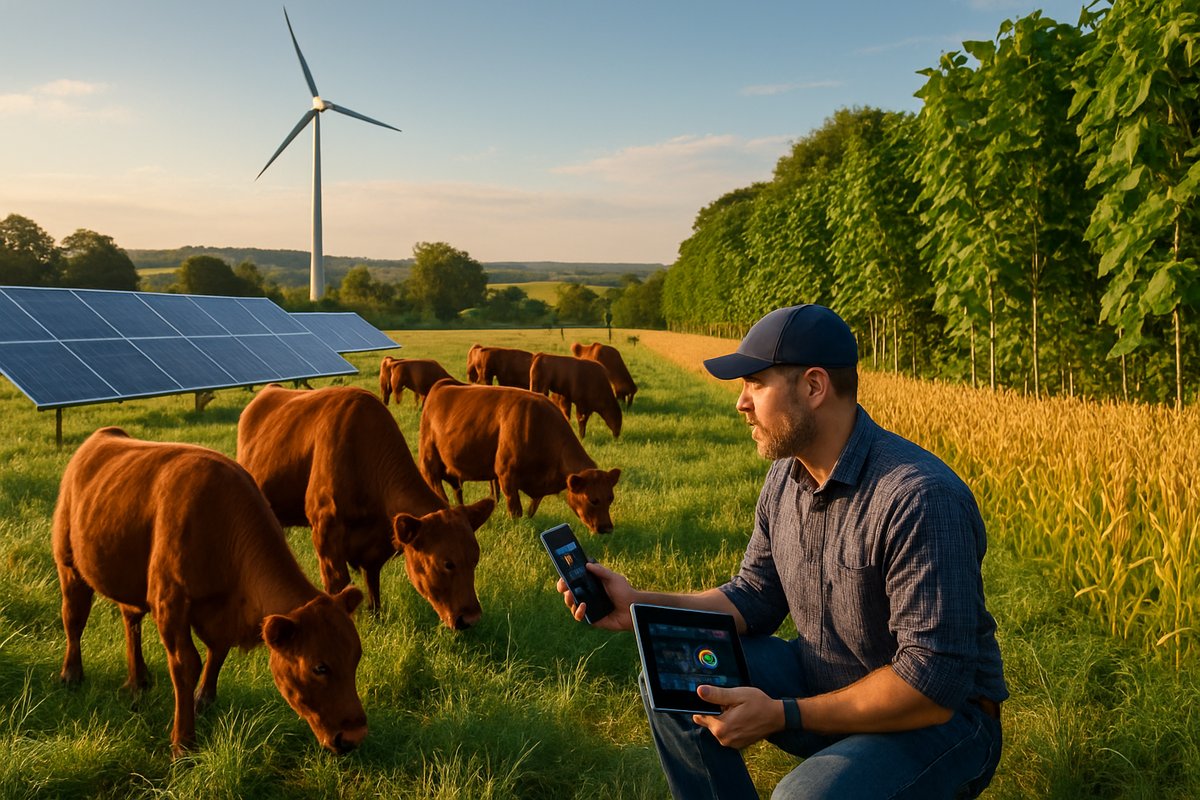
Across farms and ranches, a wave of innovation is transforming how crops are grown and livestock are managed. From regenerative grazing and agroforestry to precision monitoring and renewable energy, these approaches are reshaping rural economies and reinforcing environmental stewardship.
Across sprawling fields and quiet ranches, a wave of innovation is reshaping how crops are grown and livestock are raised. Rising costs, weather unpredictability, and growing concerns about environmental impact have driven farmers to rethink long-standing practices. Sustainability is no longer a buzzword; it’s becoming the foundation of rural economies and local food systems. In this era of tight margins and shifting consumer demands, resilience and adaptability define success on the farm.
One of the most promising approaches gaining momentum is regenerative grazing. By rotating livestock through carefully managed paddocks, farmers allow pastures to recover, boosting forage diversity and soil carbon capture. This system mimics natural herd movements, preventing overgrazing and improving water infiltration. Over time, pastures thrive under grazing cycles, reducing the need for chemical fertilizers and cutting feed costs. The result is healthier animals and more robust grasslands.
Agroforestry is another pillar of modern sustainable farming. This practice weaves trees, shrubs, and crops together in the same space, creating microclimates that protect soil and support biodiversity. Deep-rooted trees draw up nutrients and stabilize eroding ground, while shade from canopies reduces evaporation during hot spells. Fruit and nut yields from the tree canopy provide additional revenue streams. By integrating woody perennials with field crops, farmers forge resilience against drought and market volatility.
Cover cropping remains central to soil regeneration strategies. Planting legumes, grasses, or brassicas during off-season months prevents soil erosion and suppresses weeds. As these cover plants break down, they feed beneficial soil organisms and increase organic matter content. Farms that adopt multiple cover crop species in sequence report improved structure and moisture retention in their fields. This living layer nourishes the earth, cutting input costs and laying the groundwork for healthier harvests the following season.
Farmers are also embracing on-site composting to close nutrient loops. Instead of importing synthetic fertilizers, many producers blend crop residues, manure, and food waste in compost tumblers and windrows. This process creates rich humus teeming with microbes that boost soil fertility and plant resilience. Properly managed compost systems reduce greenhouse gas emissions from decomposing organic waste and create a renewable source of nutrients. Communities near these operations often benefit from lower waste volumes and richer topsoil.
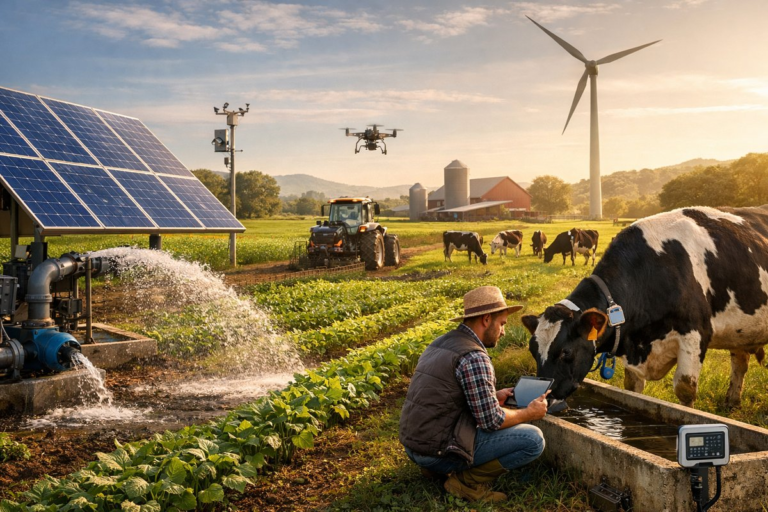
Animal welfare is increasingly integral to sustainable livestock operations. Beyond meeting ethical standards, healthier animals translate into higher yields and better-quality products. Environments outfitted with deep-bedded shelters, ample space, and natural light reduce stress and disease. Farmers are deploying precision livestock monitoring tools-wearable sensors for temperature, motion, and heart rate-to catch early signs of illness. Real-time alerts allow immediate interventions, reducing veterinary costs and antibiotic dependence.
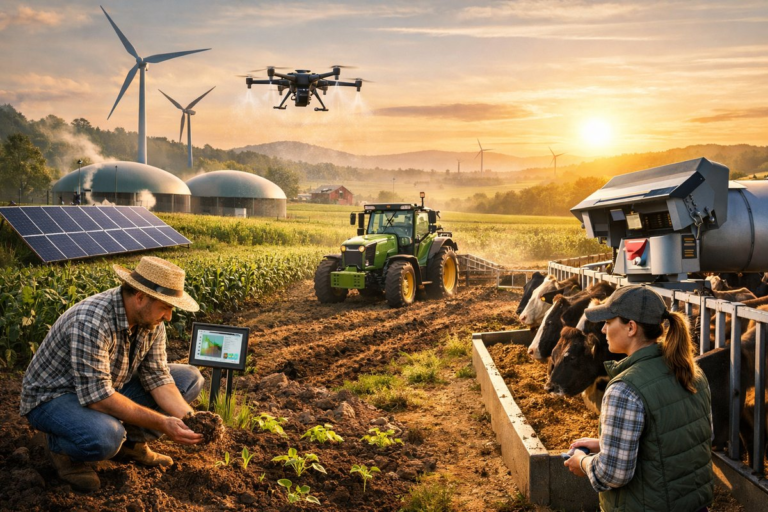
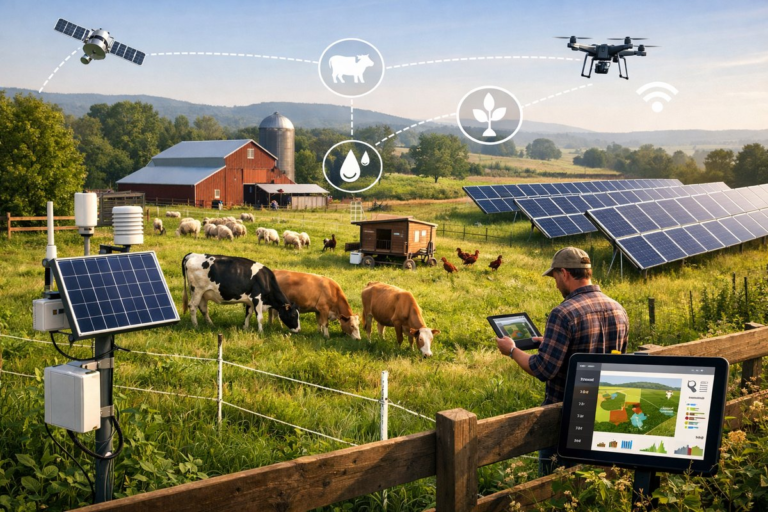
Precision pasture management systems guide rotational grazing schedules based on soil moisture readings, forage growth rates, and weather forecasts. Integrated farm software aggregates sensor data from soil probes, drone imagery, and weather stations. These insights inform decisions on when to move herds or rest fields. A data-driven approach maximizes land productivity and aligns grazing pressure with ecological thresholds, maintaining pasture health for the long term.
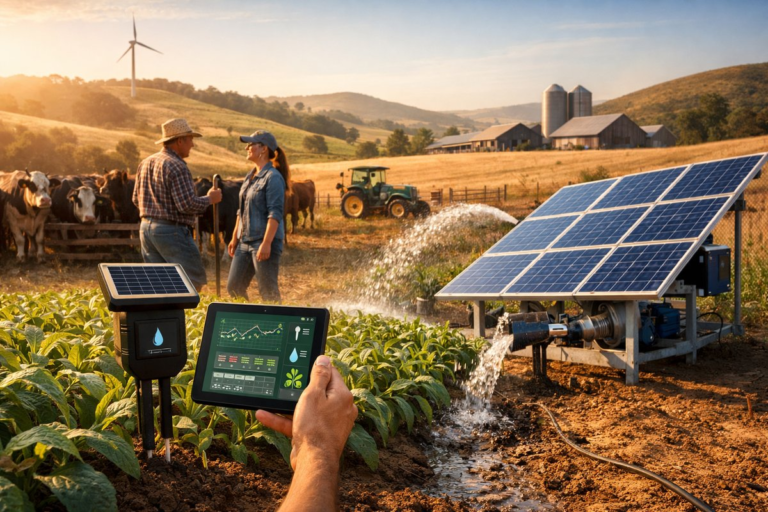
Water scarcity and quality are pressing concerns for livestock and crop operations alike. Rainwater harvesting systems collect rooftop runoff and direct it into storage tanks, offering a clean supply for animals and irrigation. On large properties, small reservoirs capture seasonal flows, enabling farmers to smooth out dry-season shortages. Paired with efficient drip irrigation, these systems reduce water waste and safeguard vital groundwater resources.
Renewable energy installations power many of these modern farms. Solar arrays on barn roofs drive irrigation pumps and fridge units in milk parlors. In windy regions, micro-turbines supplement energy supplies for animal feeding stations and automated gates. By generating power on-site, farmers lower utility bills and shield operations from grid outages. Excess energy can be sold back to local utilities or stored in battery banks for use after dark.
Complementing field and pasture practices, many rural innovators are exploring small-scale hydroponics and vertical farming inside repurposed structures. These systems deliver nutrient solutions directly to plant roots, using up to 90 percent less water than traditional soil-based agriculture. Controlled environments enable year-round production of high-value greens and herbs. When integrated into farm operations, vertical racks inside unused barns can diversify income while reducing food miles.
Community supported agriculture (CSA) models bridge producers and consumers. Subscribers pay upfront for a season’s share of fresh produce, pasture-raised eggs, or lean livestock cuts. This steady revenue helps farmers plan cropping schedules and cover upfront costs. CSA members gain transparency and connection to the land, often participating in on-farm events like harvest days and workshops on sustainable techniques. Direct relationships foster a sense of shared stewardship.
Rural innovation hubs and cooperative alliances play a key role in knowledge exchange. In agricultural extension centers and co-ops, farmers trial seed mixes, test biocontrol agents for pests, or explore mobile processing units. These collaborative spaces break down isolation by bringing together veteran operators, newcomers, researchers, and equipment suppliers. Collective buying power and shared labor pools lower barriers to adopting advanced machinery and experimental methods.
At one Midwest dairy farm, managers combined a composting bedding system with automated scrapers and heat sensors. This hybrid setup slashed ammonia emissions, cut bedding costs by nearly half, and boosted cow comfort. Daily data reports prompted tweaks to scraper schedules and bedding depth, creating a virtuous cycle of improvements. Neighbors now tour the site to evaluate investment prospects for their own herds.
Training and resource networks are stepping up to support these transitions. Online courses on soil biology, grazing tactics, and renewable systems equip farmers with actionable skills. Workshops led by agronomists and animal health experts reinforce on-the-ground learning. Regional pilot projects funded by government cost-share programs defray the price of sensors, fencing, and renewable installations. Financial incentives and technical guidance work in tandem to make sustainable practices more accessible.
Policy shifts at various levels are aligning with sustainability goals. Incentive payments for cover crop adoption, grants for renewable energy, and low-interest loans for soil health initiatives reflect growing recognition of agriculture’s role in climate strategies. These programs help farmers overcome the upfront costs of transitioning to greener systems. By rewarding ecosystem services such as carbon sequestration and water filtration, policymakers are crafting a new economic model for stewardship.
Expanding markets are rewarding farmers who demonstrate sustainable credentials. Retailers and restaurants increasingly source from suppliers verified by third-party certifications for animal welfare and environmental impact. Regional brands highlight regenerative practices on packaging and menus, adding price premiums. Consumers willing to pay a bit more for transparency and traceability drive demand for producers who invest in soil health, animal comfort, and low-impact inputs.
Looking ahead, resilience will define the next phase of agricultural innovation. Climate extremes demand flexible systems that can pivot between dryland techniques and water-conserving methods. Genetic advances in forage species and livestock breeds promise higher yields with lower resource inputs. Digital platforms for peer-to-peer knowledge sharing will scale successful pilots into mainstream practices faster than ever before.
As farmers integrate these strategies, they discover new synergies across crops, livestock, and tech. Trees planted for shade can serve as windbreaks; compost systems channel waste into fuel and fertilizer; sensors link soil, water, and animal data in a living feedback network. This web of interdependent elements forms the backbone of sustainable farms where productivity and ecology reinforce each other.
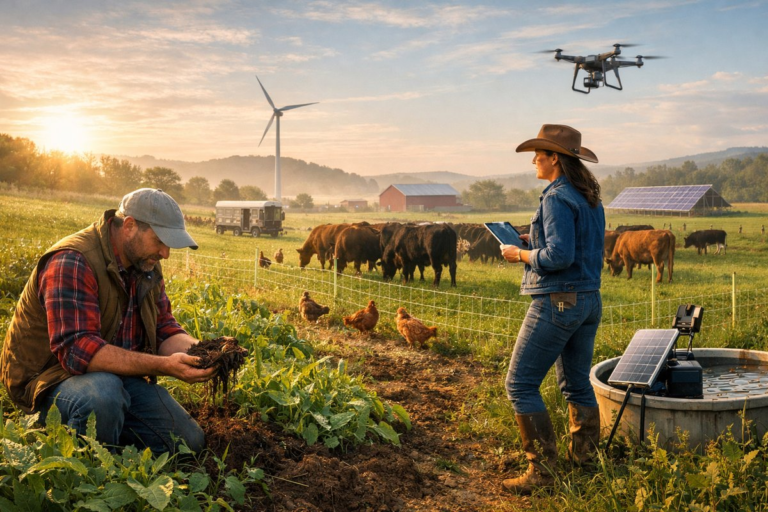
In the quiet dawn hours, a farmer inspecting soil probes and pasture drones embodies a modern steward of the land. The tools may look futuristic, but the values at their core-care for the earth, respect for animal life, and responsibility to community-are timeless. As these principles guide innovation, farms of all sizes can thrive economically while safeguarding natural resources for generations to come.