Location
Mount Vernon, WA 98274
Location
Mount Vernon, WA 98274

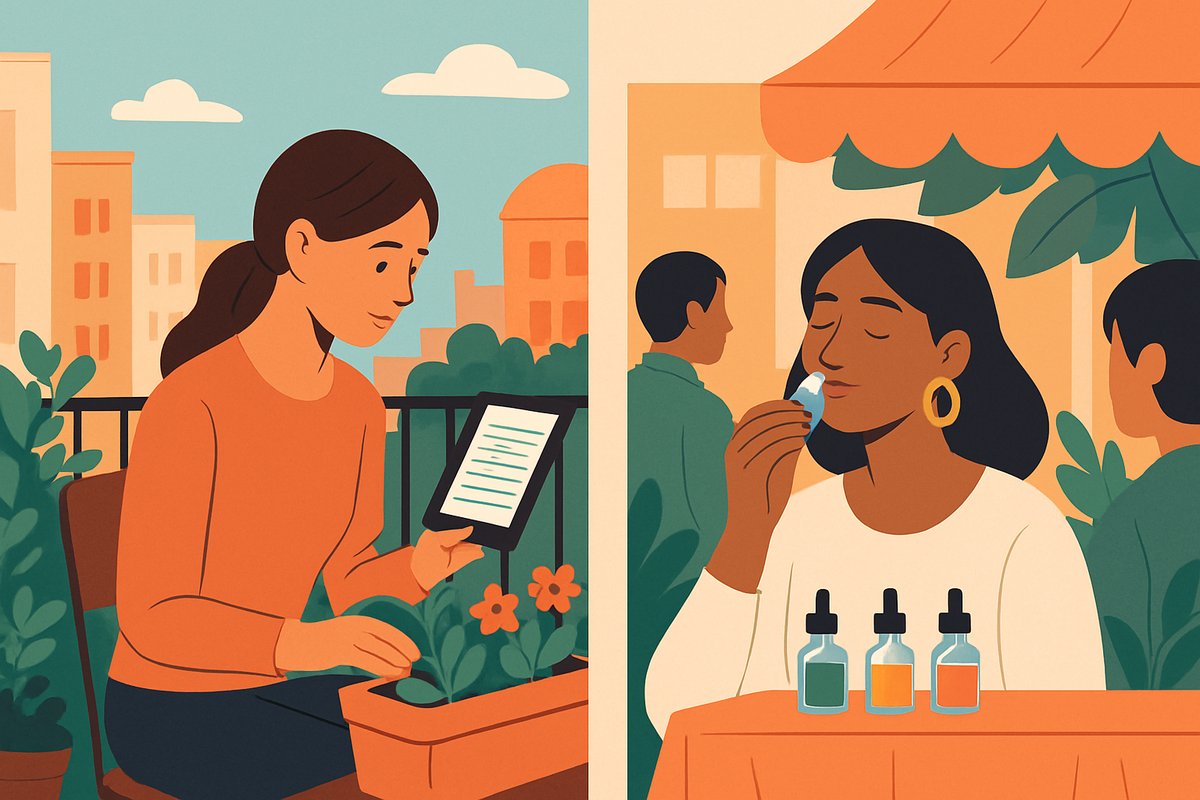
A new mosaic of behaviors is taking shape as people blend digital tools with analog rituals, cultivate micro-gardens on city balconies, and seek both privacy and community in unexpected places. From digital gardens on e-ink readers to pop-up smell bars in local markets, these nascent patterns hint at the priorities of a more intentional, emotionally attuned culture.
In living rooms, coworking spaces, and neighborhood corners around the world, small shifts in how we design experiences and build habits are weaving together a broader story about our collective trajectory. Instead of grand revolutions, we’re seeing subtle accelerations-tactics for feeling more grounded, more connected and more curious in daily routines. These signals of change aren’t confined to a single arena; they ripple across design, technology, culture and lifestyle, suggesting where attention and energy are flowing.
One of the most resonant movements is the synthesis of digital gardens with analog ritual. Enthusiasts are turning once-online note libraries into tangible journeys by printing curated zines of their personal knowledge graphs, while others use e-ink note devices to sketch mind maps that merge code snippets, mood imagery and handwritten reflections in a continuous flow. This hybrid approach balances the fleeting appeal of infinite scroll with the tactile pleasure of turning a page-cultivating deeper focus and longer retention.
Running parallel is the revival of mechanical input. A growing number of remote workers and creators swear by clicky switches and sculpted keycaps as a means to slow down and bring conscious attention to every keystroke. The subtle resistance beneath each fingerpress can transform routine typing into a mindful practice, anchoring thoughts to physical feedback. As offices blur into home sanctuaries, these bespoke keyboards become more than tools; they’re talismans of intentional craft in a world that often feels too digital.
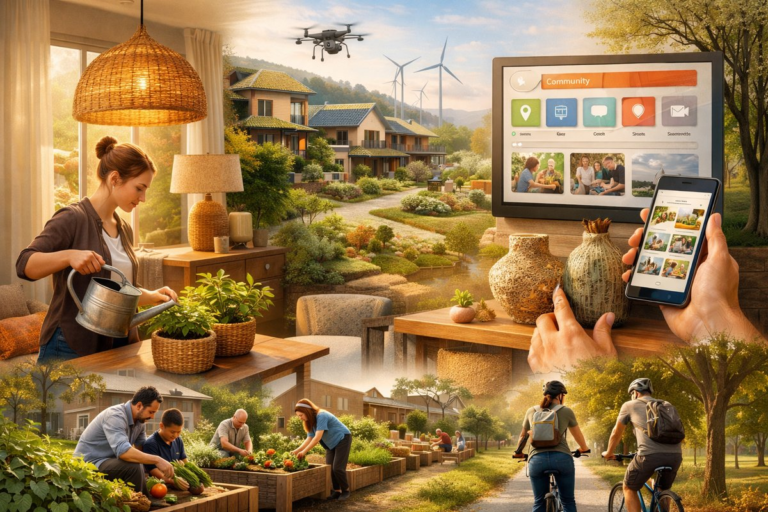
Meanwhile, balconies and window sills-once neglected-are undergoing their own renaissance. Micro-gardens powered by compact hydroponic systems and energy-efficient LED grow lights are sprouting in dense neighborhoods. From aromatic herb clusters to petite kale leaves and flowering marigolds, urban dwellers are embracing a micro-agriculture ethic that reduces food miles and reintroduces a seasonality often lost in global supply chains. The act of tending to these green pods offers a quiet ritual against screen fatigue, grounding people in biological cycles.
At the intersection of community and privacy, localized digital platforms are emerging to redefine hyperlocal connection. Small neighborhood apps that prioritize encrypted chat over public posting are gaining traction. Residents exchange keys to tool libraries, coordinate shared compost heaps and organize pop-up street fairs-all within walled gardens that respect personal data. This shift counters the appetite for massive social networks by recentering on trust, emotional intelligence and real-world neighborliness.
Retail spaces are responding in kind. Beyond product walls and glossy displays, a new wave of sensory-first pop-ups is inviting visitors to engage through scent bars, texture pods and curated soundscapes. Shoppers can sample the crisp musk of reclaimed wood furniture, run their fingers across biodegradable textiles and test the subtle hum of voice-activated lighting. These immersive vignettes tap into the desire for multidimensional storytelling, turning transactions into memorable rituals.
Oral expression and analogue media aren’t left behind. Zine collectives, letter-writing circles and community-run print shops are proliferating alongside micro-podcast networks distributing hour-long conversations for small audiences. The friction of assembling a page layout or packaging a newsletter-stamping envelopes by hand-imbues content with emotional density rarely found in instant messaging. Hands-on publishing becomes a statement of care and sustainability, slowing consumption and allowing audiences to savor each issue.
Meanwhile, digital detox retreats and offline BnBs have moved out of niche wellness corners into broader mainstream awareness. Day-long “screen sabbaths” in scenic lodges, device-free coworking cabins tucked into forests, and phone-locking vaults at city lodges offer micro-escapes from the incessant ping. This appetite for digital silence signals an awareness that constant connectivity can erode creativity and widen attention gaps. Participants return with renewed focus, often integrating analog to-do lists and paper-bound sketchbooks into their pre-digital routines.
Underpinning these phenomena is an undercurrent of emotional specification: a demand for experiences that respond to our inner lives rather than just entertain the external gaze. Brands and innovators are calibrating new offerings around circuits of empathy-designing interfaces that recognize mood shifts, products that age gracefully, and networks that encourage vulnerability with opt-in anonymity.
In workplaces, some companies have introduced “mood-check” kiosks-simple touchscreen stations that let employees register how they feel before starting the day. Summaries are anonymized and shared in group-level dashboards, sparking guided conversations about stress levels and resource allocation. The goal isn’t surveillance but a culture of collective well-being bolstered by data-informed empathy.
Cultural production reflects this pivot toward affective transparency. Musicians are experimenting with live mixing software that displays audience pulse rates in real time, altering the set list based on collective heart-rate variability. Visual artists are embedding haptic feedback into gallery installations, letting viewers feel the brushstroke pressure or paper grain through handheld controllers. Storytellers, too, are exploring branching narratives that adapt to reader-reported moods, creating interactive literature that shifts tone and pacing based on emotional input.
As these patterns coalesce, designers and strategists must grapple with ethical implications. How do we protect sensitive mood data from misuse? What standards govern the fair sharing of community harvests? Which practices ensure that analog revivals don’t exclude those without the time or resources for specialized tools? Answers are still emerging, but collaborative frameworks between technologists, urban planners and social psychologists offer promising pathways.
From living rooms to retail pop-ups, from neighborhood chats to curated offline sanctuaries, the trends shaping our present share a common theme: a reclamation of intentionality. In an age defined by ephemeral content and algorithmic feeds, these emergent patterns represent quiet acts of defiance-small rituals that anchor us to deeper values of sustainability, connection and emotional literacy.
For individuals looking to explore these frontiers, tangible entry points abound. Setting up a personal hydroponic unit allows you to reconnect with growth cycles while reclaiming balcony space. Swapping a standard keyboard for a mechanical alternative can transform daily messaging into a mindful practice. And adopting an e-ink digital notebook bridges the gap between cloud-based knowledge and the sensory pleasures of analog note-taking.
As culture continues to evolve, these gestures-whether tending sprouts under soft LED light or customizing a keycap set in soothing pastel tones-will likely persist and spread. They speak to a larger shift: toward living and working in ecosystems that honor curiosity, prioritize well-being and invite emotional intelligence into the design of everyday tools. Watching where these patterns converge next will offer the most compelling signals of where we’re headed-and what kind of world we truly want to inhabit.