Location
Mount Vernon, WA 98274
Location
Mount Vernon, WA 98274


Fashion has begun to outgrow mere trends and logos, transforming into a medium for individual values and collective impact. From regenerative cotton and zero-waste tailoring to statement jewelry that channels personal history, wardrobes are becoming living portfolios of belief and creativity.
Every garment carries a story-from the soil where its fibers sprouted to the hands that stitched its seams. As consumers awaken to the environmental and social toll of fast fashion, an exciting shift is underway: style is aligning with sustainability and self-expression in unprecedented ways. This new wave of apparel and accessories doesn’t merely serve an aesthetic function; it houses memory, honor, and ethics in every stitch. In this emerging landscape, wearing your values means curating pieces that speak louder than logos.
At the heart of this movement are materials sourced for their regenerative or recycled origins. Organic cotton grown with no synthetic pesticides offers breathability and comfort while safeguarding soil health. Bast fibers such as hemp and flax deliver remarkable tensile strength, creating garments that soften over time rather than degrade. Meanwhile, recycled polyester and reclaimed nylon divert plastic from oceans, refashioning waste into wind-resistant outerwear and travel-ready bags. Tiny innovations in fiber science-like blends that marry Tencel lyocell with natural wool-yield fabrics that manage moisture and resist wrinkles without resorting to toxic finishes.
But sustainability extends beyond fiber choices. Zero-waste patternmaking techniques reshape cutting and assembly processes so that scrap ends up woven back into future collections rather than piled in landfills. In small studios around the globe, designers craft modular pieces with detachable collars, reversible linings, and snap-on accessories. This kind of build-it-once mentality not only cuts waste but encourages creativity: by mixing and matching a single base jacket with different sleeve styles, wearers can reinvent their look while leaning into circular design principles.
Local craftsmanship is rewriting the narrative on mass production. Artisans working on hand-loomed looms or in small batch dye houses are drawing on ancestral techniques to produce fabrics that blend modern performance with timeless character. Naturally dyed scarfs in indigo and madder root bear the unpredictable depth of botanical pigments, each subtle variation turning a simple accessory into wearable art. In coastal communities, small cooperatives weave baskets and bangles from sea-grass and salt-resistant reeds, offering bold, textural accessories that reference place and purpose.
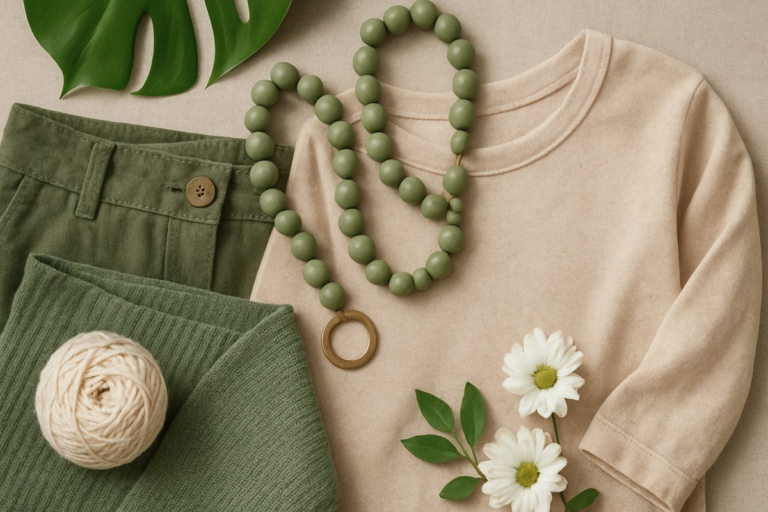
Statement jewelry has also emerged as a conduit for personal narrative. Instead of gold mined under exploitative conditions, many creators now turn to recycled metals and upcycled glass or ceramic beads. A locket crafted from reclaimed silver might house a pressed flower or a miniature handwritten verse, transforming a necklace into a living memory. Chunky resin rings cast from ground coffee husks or spent tire rubber fuse inventive design with clear messaging: style needn’t cost the planet.
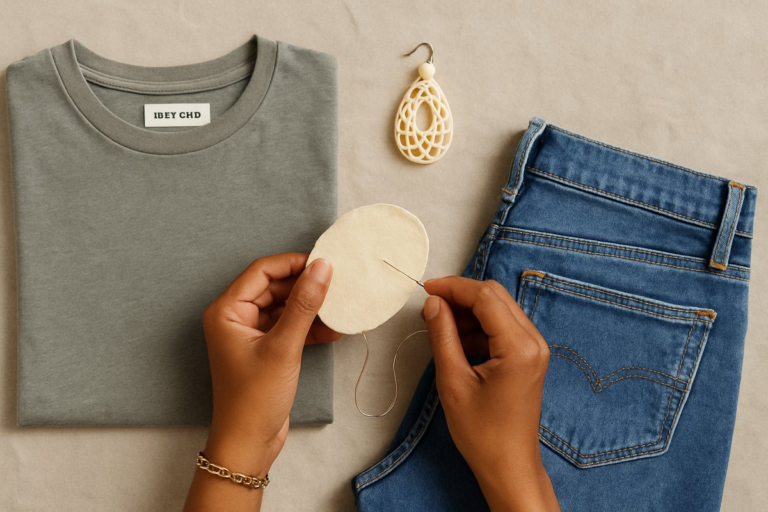
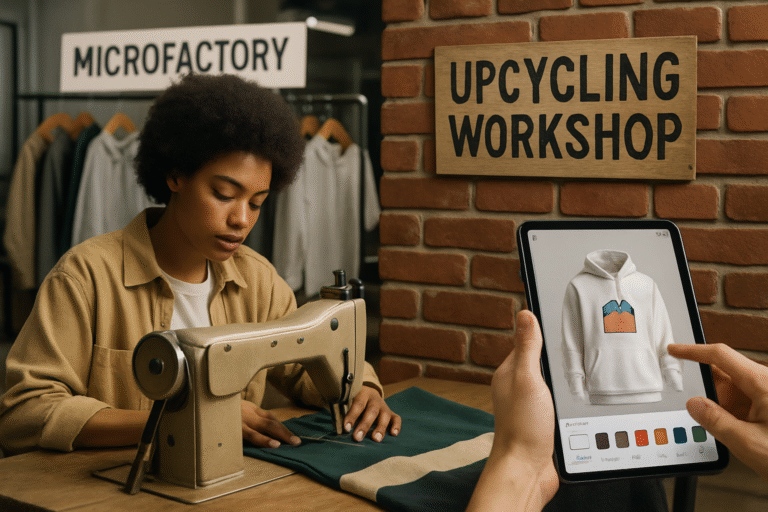
Upcycling isn’t limited to high-end atelier collections. Community swap events and digital platforms encouraging clothing exchanges are flourishing. A vintage denim jacket can gain new life through local denim-repair workshops, where patches and embroidered motifs are added as badges of difference. Tailored embroidery classes teach repair techniques that simultaneously bolster needlework traditions and foster wardrobe longevity. Repair cafés staffed by volunteer stitchers provide free drop-off mending for anyone hoping to extend a favorite sweater’s lifespan.
In cities from Amsterdam to Tokyo, rental closets have become mainstream staples. Busy professionals or occasion-dress seekers can now tap into peer-to-peer wardrobes stocked with carefully curated occasion wear. Renting a sculptural gown or tailored tuxedo for a single evening means reducing closet clutter and landfill waste. When rental services include seamless garment care and delivery, friction melts away, enabling even the most time-pressed individuals to participate in circular fashion.
For many shoppers, digital tools have become invaluable allies in aligning buying habits with personal values. Mobile apps scan fabric and production details through QR codes, revealing a garment’s journey from field to storefront. Ratings systems quantify variables like carbon footprint, water usage, and worker welfare. Social feeds spotlight progress in regenerative agriculture, transparent factories, and eco-packaging experiments. Armed with this data, consumers can build capsular wardrobes that reflect both their aesthetic taste and environmental priorities.
Bold accents remain a vital outlet for individuals to convey identity in a world awash with neutral basics. Oversized sculptural earrings in bioplastic bring kinetic energy to minimalist silhouettes. Chunky platform sandals crafted from recycled rubber add satisfying heft to simple monochrome dresses. A pocket square spun from hand-woven silk threads dyed with plant extracts can invoke everything from ancestral roots to avant-garde presence. Even a bright pop of vegan leather in a city-commuter satchel can spark conversation and widen awareness of cruelty-free alternatives.
Behind these tangible pieces lies a subtler transformation: a shift in how we define value. Once, the shine of a label or the imperviousness of a throwaway trend defined worth. Today, people are eager for garments that age gracefully, reveal patchwork repairs with pride, and tell of shared values rather than celebrity endorsements. Investing in a well-crafted, multi-season coat or a locally spun shawl means prioritizing quality over quantity-and embracing a mindset where each purchase is an ethical vote.
Businesses large and small are responding with more transparent operations and sustainable commitments. Some high-volume brands have pledged to use only 100 percent sustainable cotton within a decade, while independent studios are proving that profit and purpose can coexist. Brick-and-mortar shops host repair-and-restyle nights, while online platforms highlight micro-makers who upcycle bridal wear into bohemian day dresses. The result is a vibrant ecosystem of choice, where style becomes an act of collaboration rather than consumption alone.
This momentum extends into the realm of technology as well. Emerging textiles woven from lab-grown mycelium leather offer a cruelty-free, compostable alternative to animal hides. Solar-infused fabric panels embedded in backpacks can trickle-charge small devices on the go. Smart hangers made from recycled polymers measure fabric tension and humidity, alerting owners when a garment needs airing out or targeted care. While these advances are in early stages, they hint at a future where tech and tradition converge to further reduce fashion’s footprint.
As wardrobes evolve into personal galleries of conviction and creativity, individuals find new joy in mindful curation. A single sustainably dyed silk scarf might spark questions about natural dyes; an upcycled denim tote could open conversations on textile waste. Each choice ripples outward, influencing friends, family, and broader communities. In this era, dressing isn’t a passive transaction but an active dialogue-one that places sustainability, craftsmanship, and emotional resonance at its core.
Ultimately, the most compelling outfits will be those that align with deeper beliefs and spark genuine connection. When we slip into a recycled-fiber blazer or clasp a bracelet forged from reground glass, we’re wearing more than fashion. We’re donning intention, solidarity, and a willingness to reimagine what style can become. By leaning into slow practices, supporting local makers, and exploring innovations in material science, wardrobes can become storybooks-pages stitched from earth’s promise and human ingenuity.
What will your next chapter look like? Assemble a capsule of textiles that honor ecosystems. Seek out accessories that echo personal heritage. Explore rental and repair options for special occasions. And remember: every time you choose a piece made from responsible materials or designed with circularity in mind, you’re weaving your values into the world’s broader tapestry. Style, at its best, is a living, breathing narrative-and when that story is rooted in purpose, it never goes out of fashion.