Location
Mount Vernon, WA 98274
Location
Mount Vernon, WA 98274

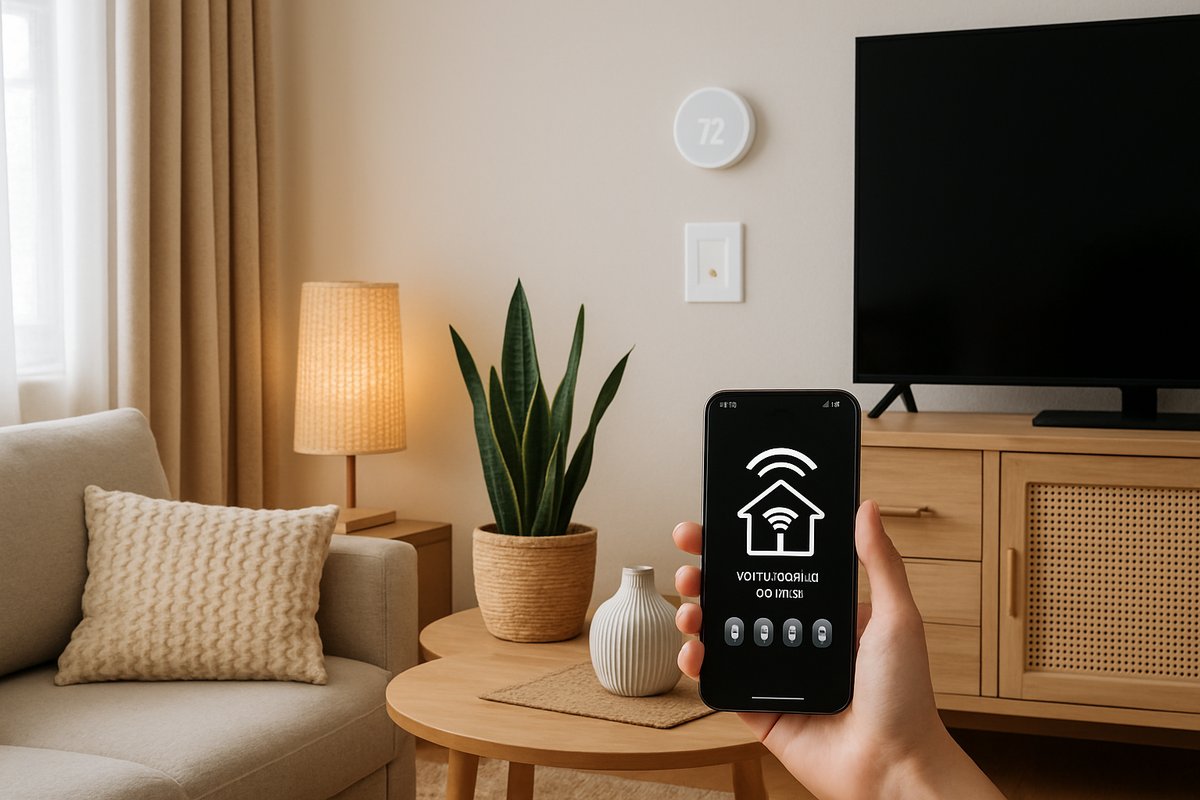
As homeowners seek both convenience and comfort, the latest wave of smart-home innovations and textural design elements is reshaping living spaces. From networked lighting to sustainable textiles, discover how these trends are creating intentional, personalized environments.
A new chapter in home living is unfolding as technology and design converge to deliver spaces that are both highly functional and deeply comforting. Across urban apartments and suburban houses alike, a growing number of residents are integrating smart systems alongside tactile, cozy materials-seeking equilibrium between digital convenience and the human need for warmth and texture. This shift is driving a diverse market of devices, finishes and furnishings aimed at crafting intentional environments for work, relaxation and everything in between.
Industry reports confirm that smart-home adoption remains on the rise. A recent survey by a leading consumer electronics association found that more than half of homeowners now use at least one networked device-ranging from programmable lighting and thermostats to security cameras and voice-activated assistants. Meanwhile, interior designers are emphasizing hygge-inspired accents: plush area rugs, layered textiles, natural woods and soft LED lighting. The result is a hybrid approach that makes living spaces responsive to daily routines while inviting occupants to unwind in a cocoon of comfort.
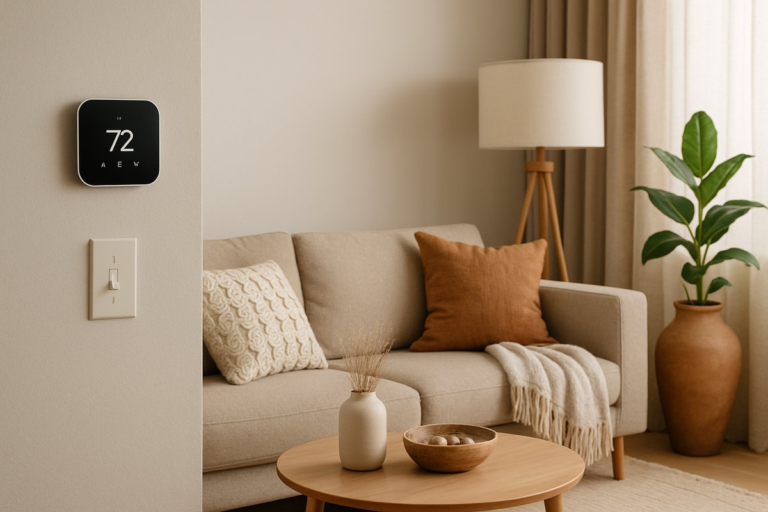
Energy efficiency and sustainability have become key drivers. Smart thermostats and lighting systems not only offer remote control, scheduling and automated adjustments but also generate usage insights that help reduce waste. At the same time, manufacturers are introducing eco-friendly materials-recycled fabrics, plant-based finishes and low-VOC paints-that align with growing environmental awareness. This alignment of technology and sustainability resonates with homeowners who want both greener operations and more mindful design choices.
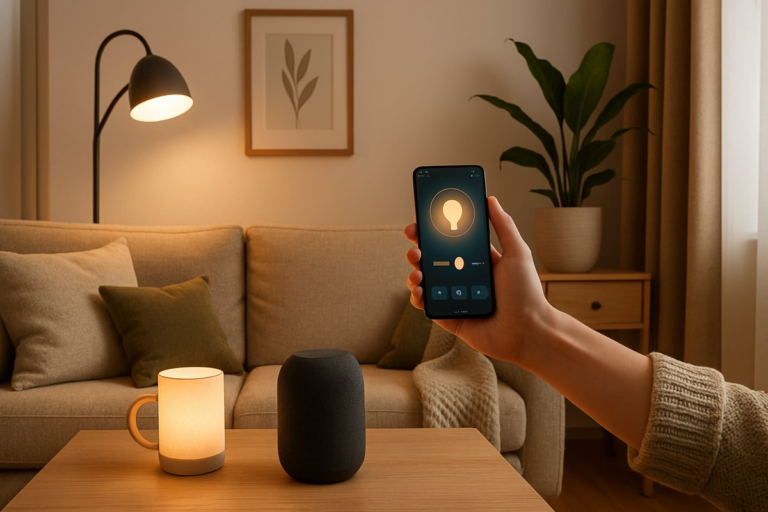
Voice-activated assistants and hub platforms continue to anchor the ecosystem. These central devices can orchestrate lighting scenes, audio playback, window treatments and climate settings with simple commands. From waking up to a gentle sunrise simulation to dimming lights for movie night, scripted routines offer seamless transitions throughout the day. As integrations expand, third-party sensors for humidity, air quality and occupancy feed data into the network, enabling systems to preemptively adjust conditions for well-being and efficiency.
Privacy concerns persist, prompting a counter-movement toward local processing and open-source solutions. While cloud-based platforms deliver ease of setup and software updates, some users prefer self-hosted controllers that retain data within the home network. This choice enables granular control over security and prevents sensitive usage patterns from leaving the premises. Hybrid architectures-combining local edge computing with optional cloud backup-are now emerging as a balanced compromise for both convenience and autonomy.
In parallel with the digital revolution, the tactile layer of design is experiencing a renaissance. Textured throws, chunky knit blankets, sheepskin-style rugs and sculptural cushions are showing up in living rooms and bedrooms. Soft, ambient illumination from dimmable LED strips hidden behind furniture or within shelving units adds depth and visual interest. Natural elements-live plants, reclaimed wood accent walls and stone-inspired tiles-are woven into interiors to counterbalance the sleekness of electronic devices.
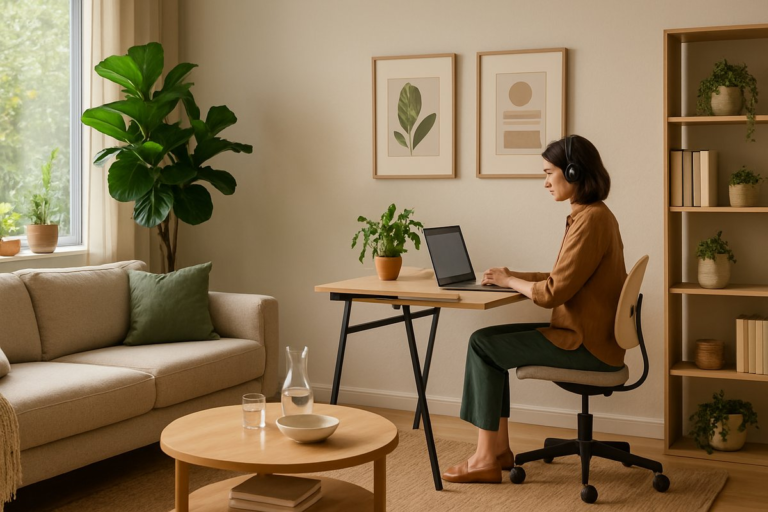
A recent home renovation in a metropolitan loft illustrates this blend. The owners installed wireless LED bulbs in living and work zones, pairing them with voice-controlled dimmers. They layered a high-pile rug atop reclaimed oak flooring to define a reading nook beneath a corner window. A compact smart thermostat optimizes heating and cooling schedules based on occupancy sensors, cutting annual energy costs by nearly 15 percent. Open shelving holds potted ferns and succulents that thrive under tuned full-spectrum lighting, while a textured woven throw transforms a minimalist sofa into an inviting lounge spot.
Experts note that intentionality is the core of modern home transformations. Rather than indiscriminately collecting devices or décor pieces, thoughtful curation ensures each element serves a purpose-whether aesthetic, functional or both. For instance, a smart speaker doubles as a white noise machine to support restful sleep, while programmed lighting scenes cue the brain to transition between focus and relaxation. Similarly, selecting soft-close cabinet hardware and under-cabinet motion sensors can improve kitchen workflows without detracting from the overall design.
For those just starting out, a phased approach is often recommended. Begin with foundational upgrades: a smart thermostat, a pair of programmable LED bulbs and a voice assistant or hub. Once the basics are in place, supplement with targeted décor items like a sustainable area rug, a textured cushion collection or automated window shades. Over time, additional sensors and actuators can be introduced to create more nuanced scenes-like humidity-triggered exhaust fans in bathrooms or occupancy-linked hallway lighting.
Cost remains an obstacle for some, but prices of smart devices have been steadily declining. Entry-level networked bulbs now retail at under thirty dollars apiece, and even multi-zone thermostats can be found at accessible price points. Meanwhile, mass-produced sustainable textiles and furnishings have entered major retailers, making eco-friendly design more affordable. Leasing and subscription models for hubs and software suites offer another way to reduce upfront costs while spreading expenses over time.
The role of installers and specialty retailers has also shifted. Many local technicians now offer bundled services that include setup, training and ongoing support, bridging the gap for homeowners who aren’t tech-savvy. Meanwhile, hands-on workshops at furniture stores and community centers teach participants how to integrate smart switches, program routines and select complementary materials. This educational trend reinforces the idea that home improvement is as much about knowledge sharing as it is about products.
Looking ahead, the convergence of augmented reality and home planning tools is poised to empower users even further. AR apps now allow shoppers to virtually place rugs, lighting fixtures and furniture in their own rooms before purchasing, ensuring that new elements harmonize with existing décor. On the smart-home front, machine learning algorithms will refine automated routines based on subtle user behaviors-automatically adjusting window treatments in response to changing sunlight or fine-tuning thermostat setpoints according to seasonal pattern shifts.
Ultimately, the future of living spaces hinges on intentional integration of smart capabilities and cozy aesthetics. By choosing devices that are both functional and unobtrusive, layering in warm textures and prioritizing sustainability, homeowners can cultivate environments that feel both innovative and nurturing. The era of impersonal, cold technology is giving way to a more human-centered paradigm-one where comfort and convenience coexist in perfect harmony.
As more people recognize the value of these dual priorities, home life is transforming from static shelter into a dynamic, responsive habitat. Every bulb, sensor and textile becomes part of a larger narrative about how we live, work and rest. With thoughtful planning and a willingness to experiment, anyone can turn a basic living area into a versatile sanctuary-equipped for the demands of modern life and rich with the tactile pleasures that make a house feel like home.