Location
Mount Vernon, WA 98274
Location
Mount Vernon, WA 98274

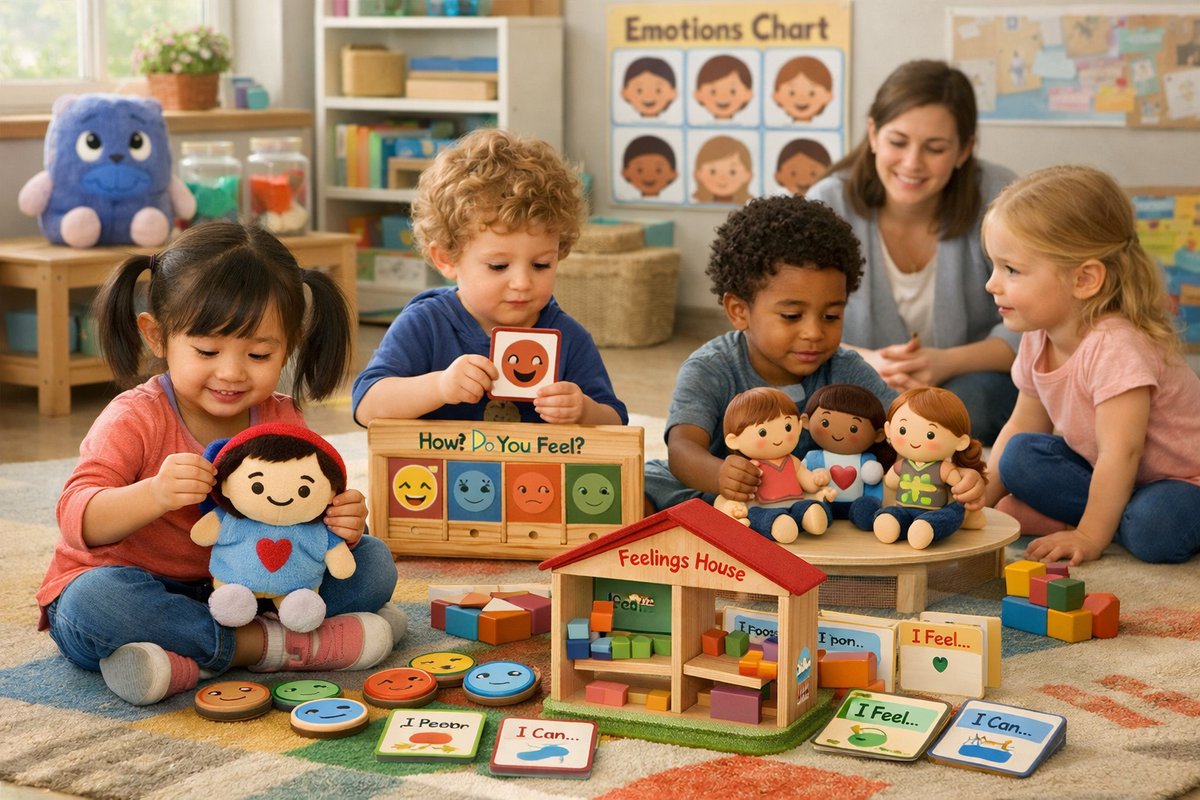
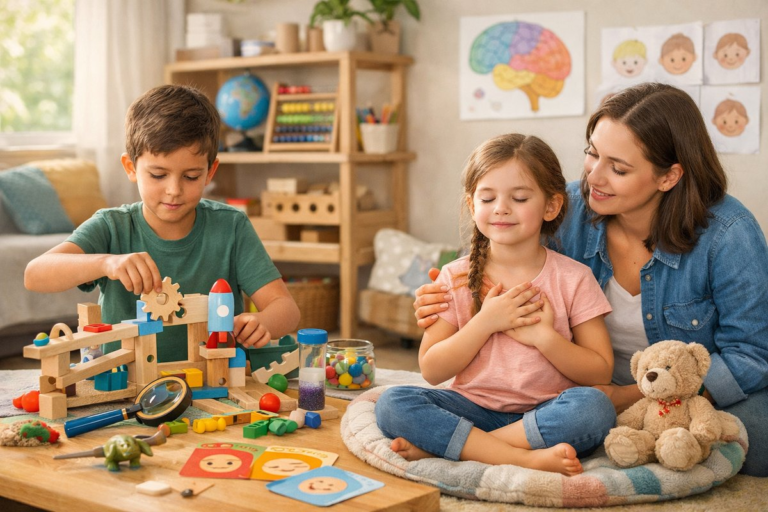
A growing wave of preschools and young families are embracing toys and tools designed to foster emotional awareness alongside cognitive skills. Recent pilot programs highlight how play sets with built-in feeling prompts can help children name emotions, build empathy, and develop agency in social situations.
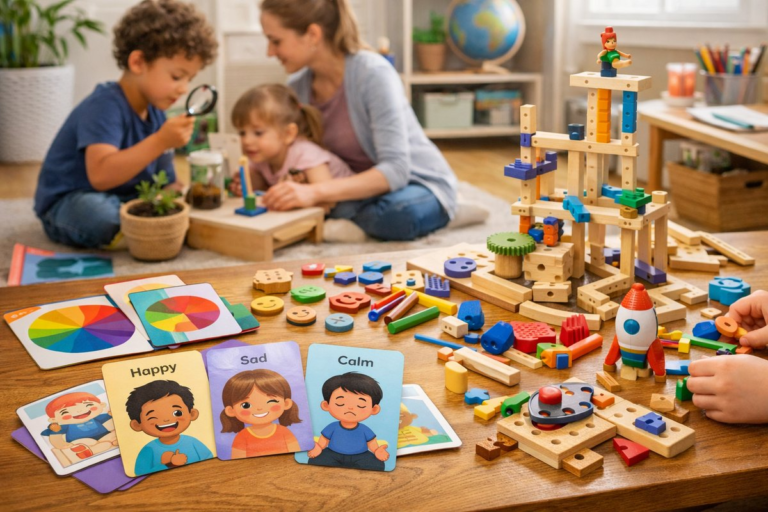
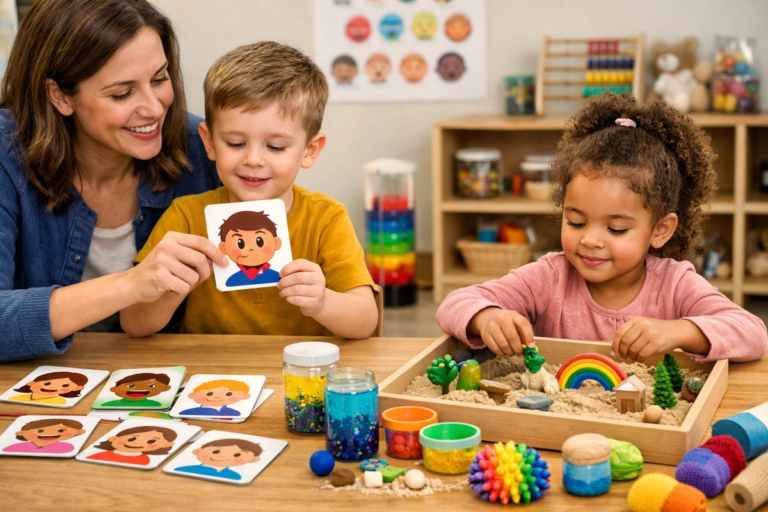
In a bright classroom at Lincoln Early Learning Center, three-year-old Mia carefully places a wooden token into a slot labeled “happy.” Nearby, her classmate Jamal sorts a set of illustrated cards showing faces expressing surprise, sadness, and anger. This simple-looking routine is part of an innovative curriculum that blends traditional learning toys with emotional literacy tools. Educators and researchers are calling this approach a potential game-changer for early childhood development.
Nationwide, early education centers are experimenting with play-based emotional learning alongside foundational skills such as counting, letter recognition, and fine motor development. A recent survey by the National Association for the Education of Young Children (NAEYC) found that 68 percent of preschools have added at least one game or toy explicitly designed to help children identify and discuss their feelings. The movement is gaining traction as mounting evidence links early emotional competence to better academic performance, teamwork, and mental health later in life.
“Children learn best when they feel seen and understood,” explains Dr. Tara Nguyen, a developmental psychologist at Bridgewater University who studies social-emotional learning in early childhood. “Younger kids are wired for exploration, and when we give them tools to express how they feel, they’re more confident engaging with peers and tackling new challenges.” Dr. Nguyen’s recent paper in the Journal of Early Education highlighted one pilot program where toddlers using an emotion-matching puzzle showed a 40 percent increase in peer cooperation compared with a control group.
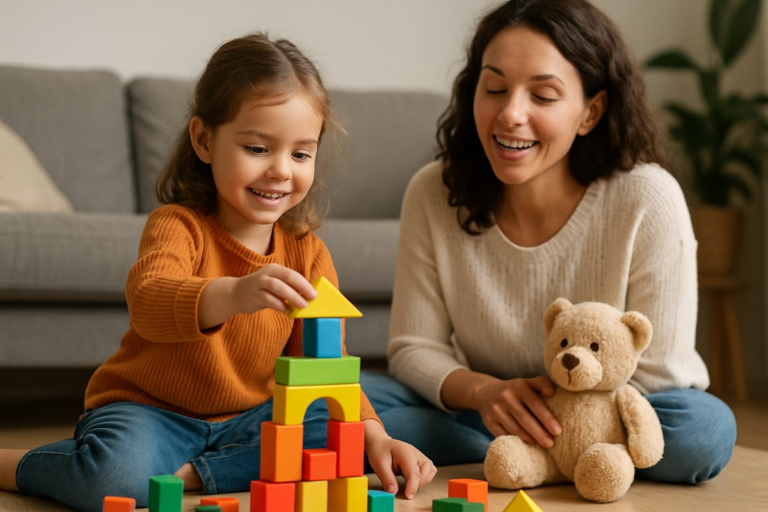
At Lincoln Early Learning Center, lead teacher Marisol Garcia witnessed a similar boost in classroom harmony after introducing a magnetic block set engraved with simple prompts like “Name one thing that made you laugh today” or “Point to the block color that shows how brave you felt.” During free-play sessions, children scroll through the prompts and build towers that reflect their current mood or a recent memory. “The blocks become conversation starters,” Garcia says. “Kids who normally keep to themselves are suddenly sharing stories about their families, vacations, even tough moments at home.”
This blend of tactile play and emotional coaching is no accident. In recent years, toy designers have partnered with child psychologists to embed social-emotional learning into their products. One notable example is a set of double-sided flashcards featuring expressive faces on one side and simple scenario descriptions on the other. The cards encourage caregivers and teachers to role-play situations like “Your friend takes your crayon without asking” or “You win a race” and discuss appropriate feelings and responses. Studies show that children exposed to these guided conversations demonstrate stronger impulse control and empathy.
A 2022 report by the Center for Early Learning Research found that kindergartners who participated in daily emotional learning activities scored 20 percent higher on self-regulation measures by the end of the school year. That matters because self-regulated children are more likely to complete tasks, manage stress, and work through conflicts independently-all essential skills for success in first grade and beyond.
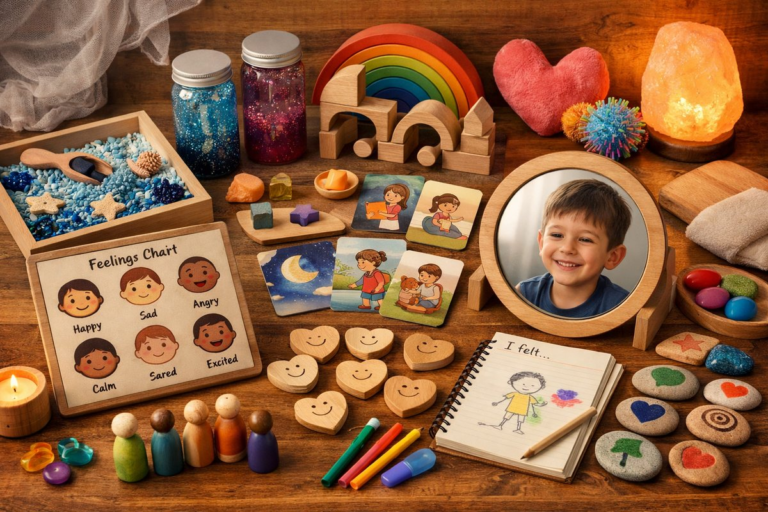
Parents are taking notice too. In a recent consumer poll from EarlyEd Trends, 74 percent of parents reported seeking out toys that pair academic concepts with emotional check-ins. Online marketplaces noted rising searches for terms like “emotion cards for kids” and “learning toys with feeling prompts.” Retailers are responding by expanding their selection of learning tools that bridge logic and empathy, from building-block sets with color-coded feeling stickers to soft dolls equipped with conversation guides aimed at helping children articulate their own experiences.
For families juggling busy schedules, small take-home kits designed for one-on-one parent-child sessions are especially popular. These kits often include a storybook focusing on a particular emotion-anxiety about the first day of preschool, excitement over a new sibling-or a board game that prompts players to share moments when they felt proud, scared, or joyful. Experts stress that the key is not just the toy itself but the shared ritual it creates.
“It’s about carving out space to ask open-ended questions,” says child educator Carla Benson, who leads workshops for parents in Denver. “When families play together and talk about feeling words, kids learn that their emotions matter and that adults are ready to listen. That foundation of trust spills over into classroom behavior and friendships.”
School administrators agree. Several districts that piloted classroom bundles of emotional tools report measurable drops in disruptive incidents. In one Midwestern district, suspensions for aggressive behavior among preschoolers fell by 30 percent after teachers incorporated feeling-face posters, emotion wheels, and cooperative board games into morning circles. By framing emotional literacy as a skill set-like counting or letter tracing-educators help children feel empowered rather than judged.
The rise of emotionally intelligent learning tools also reflects a shift in broader educational priorities. In the last decade, social-emotional learning has moved from the fringes to the mainstream. State education boards in multiple regions now include emotional awareness benchmarks in their early learning frameworks. National foundations are funding large-scale studies to track long-term outcomes, and teacher certification programs increasingly require coursework on child mental health and empathy building.
That doesn’t mean every toy on the market lives up to its promise. Dr. Nguyen cautions parents and teachers to look for products developed in collaboration with early learning experts and backed by field studies. “A plush doll that ‘helps’ with expression is not the same as a kit designed by a developmental team with concrete lesson plans,” she warns. “Quality matters.”
To separate the signal from the noise, many districts and parenting networks are crowdsourcing reviews of emotional learning tools. Teachers share anecdotes about noticeable behavior changes, while parents compare ideas for adapting products to family routines. One online community even maps out “emotion check-in zones” for home and school, complete with suggested prompts and rotation schedules for toys and games.
As the catalog of options grows, experts say the real success story lies in integration, not gimmicks. Emotional tools work best when woven into daily rhythms: morning welcome circles, snack-time check-ins, free play, and bedtime conversations. When children see emotions acknowledged and normalized at every turn, they build vocabulary for their inner worlds and learn strategies for self-soothing and peer support.
Back at Lincoln Early Learning Center, young learners now navigate their day with more confidence. When a disagreement arises over sharing crayons, teacher Garcia holds up an open-ended prompt block: “Ask your friend how they feel right now.” The momentary pause lets the children label their emotions, negotiate turns, and circle back to coloring. A lesson in patience unfolds organically, guided by a handful of well-designed prompts.
“We’re not just teaching letters and numbers,” Garcia reflects. “We’re teaching kids how to be kind, curious, and resilient. That’s education with heart.”