Location
Mount Vernon, WA 98274
Location
Mount Vernon, WA 98274

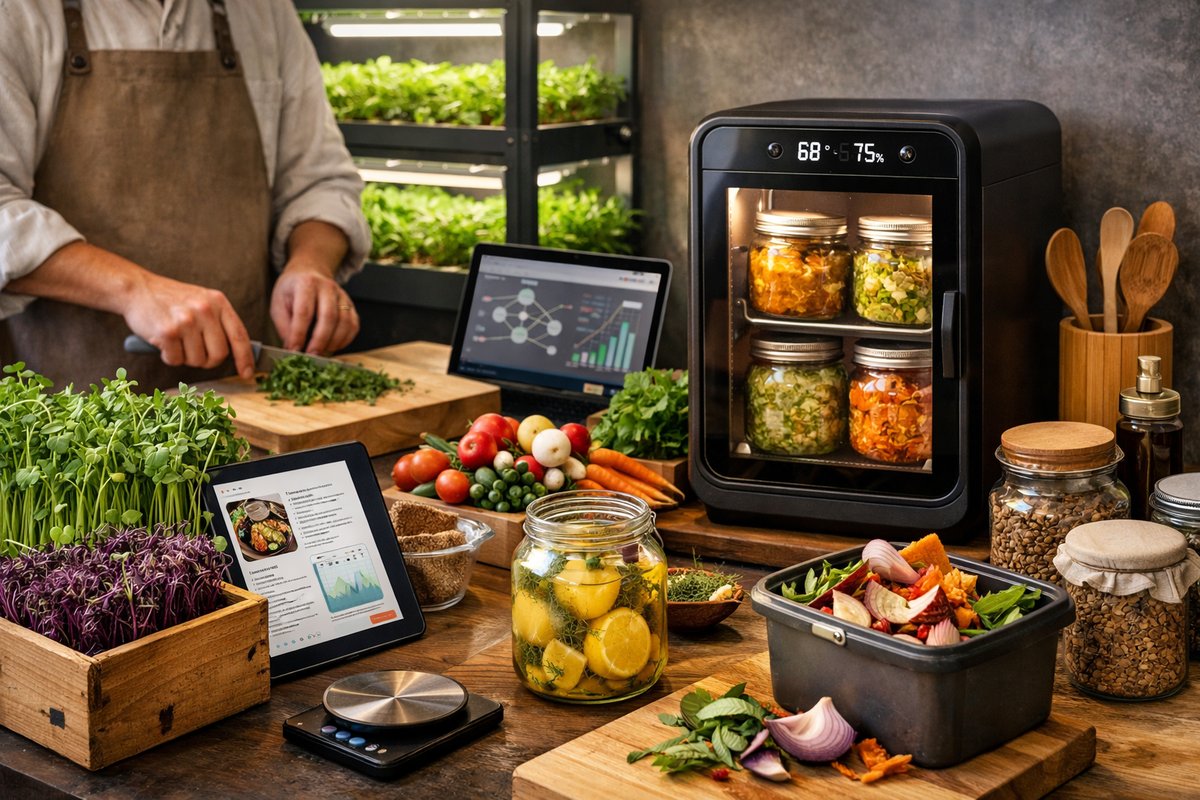
From community-supported farms delivering microgreens to smart fermentation chambers hum quietly on countertops, modern kitchens are balancing tradition and innovation more than ever. Chefs and home cooks alike are weaving together local sourcing, digital tools, and zero-waste practices to turn every meal into an act of cultural storytelling and ecological stewardship.
In kitchens around the world, a quiet revolution is underway. As consumers grow ever more conscious of climate impact, cultural heritage, and personal health, familiar routines are giving way to inventive approaches to sourcing, preparing, and preserving food. Across urban lofts and rural homesteads alike, diners and cooks are rediscovering the power of ingredients-whether harvested from a rooftop greenhouse or cultivated through an app-guided hydroponic tower-to forge deeper connections with place and season. At the same time, digital platforms and smart appliances are streamlining age-old techniques, turning fermentation and slow cooking into precision processes that yield consistently brilliant results. In this evolving landscape, every recipe represents more than a final dish: it embodies a story of adaptation, resilience, and hope for what kitchens of tomorrow might look like.
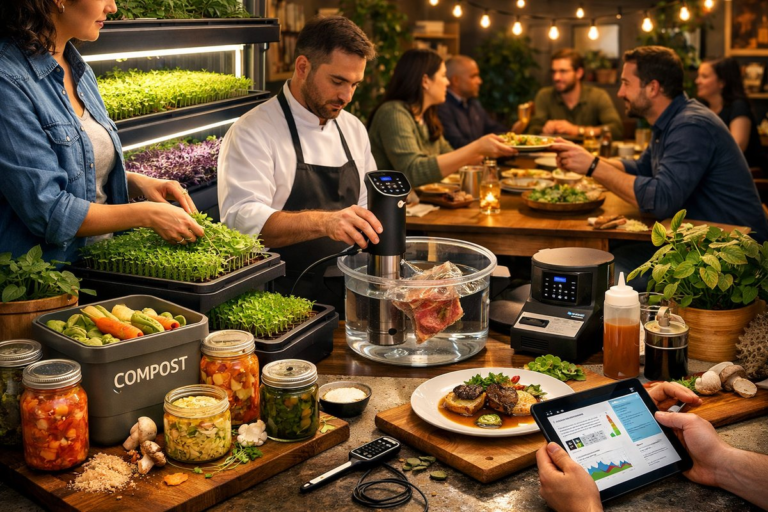
For those chasing true hyperlocal flavor, bringing the garden indoors has never been easier. Compact countertop herb garden kits-complete with LED grow lights and self-watering systems-let enthusiasts clip fresh basil, cilantro, and mint at the height of fragrance, no matter the climate outside. Meanwhile, community-supported agriculture networks and neighborhood hydroponic co-ops are pairing home chefs with seasonal leaves, heirloom tomatoes, and unusual microgreens barely a bike ride from the dinner table. Even small-scale greenhouse startups are experimenting with solar-powered climate control to extend harvest windows, delivering crisp radicchio and baby bok choy through winter months. This return to seasonal rhythms and face-to-face relationships with local farmers is reshaping menus one leaf at a time-and reminding us that taste, after all, begins in the soil.
At the intersection of tradition and innovation, smart kitchen appliances are rewriting the rules of fermentation, sous-vide cooking, and precise baking. Countertop fermentation chambers maintain exact temperatures and humidity for kimchi, yogurt, and kombucha, while wireless thermometers paired with sous-vide immersion circulators ensure tender proteins that emerge with restaurant-quality texture. Apps powered by machine learning can scan pantry inventories, recommend recipes based on leftover ingredients, and even suggest swaps to cut down food waste. Baking enthusiasts, too, are relying on programmable proofing drawers to coax sourdough starters into predictable activity. By blending digital control with centuries-old culinary rituals, these tools help home cooks achieve consistent results and deepen their understanding of the biological processes behind every tangy bite or melt-in-the-mouth roast.
Meanwhile, chefs and home cooks are reimagining cultural crossroads in the form of fusion plates that celebrate shared histories as much as flavors. In kitchens far from their homelands, diaspora communities are forging new culinary languages: think spiced chickpea pancakes draped in fermented bean salsa, or plantain-tamarind empanadas served alongside purple corn beverages. Pop-up supper clubs dedicated to Filipino-Nordic mashups, West African-Latin American heat, and Japanese-Peruvian ceviche have sprung up in cities worldwide, fueled by social media communities hungry for fresh perspectives. These collaborations are more than novelty; they’re living archives of migration and exchange, revealing how food can hold memory, spark dialogue, and build bridges across oceans.
Sustainability advocates have taken the concept of side-dish reuse to new heights, transforming what was once kitchen castoff into the centerpiece of a meal. Carrot tops are blitzed into pistachio-style pesto; broccoli stems become pickled ribbons that enliven grain bowls; and spent coffee grounds find second lives in crusty quick-breads or as part of homemade body scrubs. Even packaging choices are shifting toward compostable wraps made from plant-based cellulose films, replacing plastics without sacrificing freshness. On the restaurant side, chefs partner with local breweries to upcycle spent grain into hearty crackers and artisan loaves, closing loops between industries and reinforcing the notion that waste is simply an ingredient waiting to be claimed.
Beyond land-based foraging, small coastal communities and adventurous home chefs are exploring the untapped bounty of the sea. Hand-harvested seaweeds-kelp, dulse, and wakame-are crossing over from trendy snacks to pantry staples, showing up in delicate broths, noodle bowls, and hybrid pastas. Seaweed farms off chilly coastlines are pioneering regenerative methods that absorb carbon and restore marine habitats, while small-batch producers sun-dry freshly washed sea greens into umami-packed flakes. Even inland cookers can join the tide-to-table movement, rehydrating seaweed in savory stews and tossing it into salads for a briny pop. This ocean-to-pan approach spotlights neglected marine ecosystems and invites cooks to tune into the cyclical rhythms of the tides.
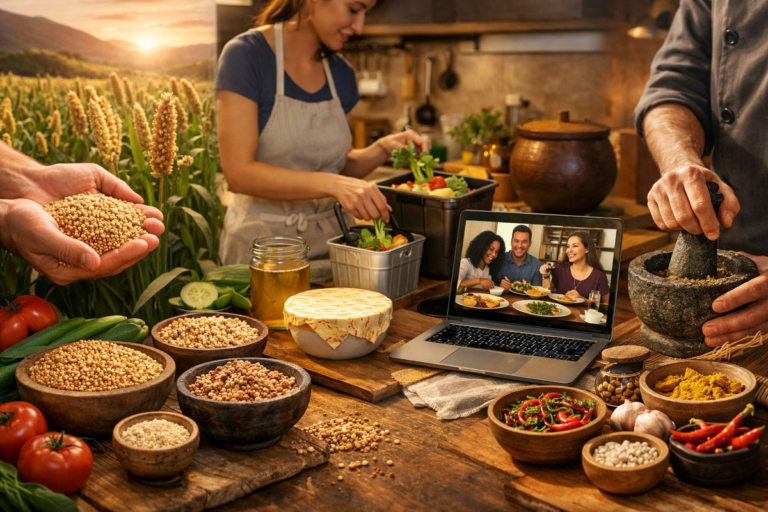
As physical gatherings ebb and flow, the kitchen remains a portal to community even when shared across screens. Virtual supper clubs host monthly themed dinners, complete with ingredient kits delivered in zero-waste packaging. Live-streamed cook-alongs connect amateur cooks in different time zones, while recipe-sharing platforms map crowdsourced feedback so that everyone can refine a dish collectively. In the process, chefs turned content creators are turning intimate cooking traditions into interactive tutorials, prompting viewers to ask questions, swap ingredients, and build digital cookbooks in real time. These networked tables may lack the warmth of a shared hearth, but they offer a new kind of intimacy-one where distance dissolves and every user’s camera angle becomes a seat at the table.
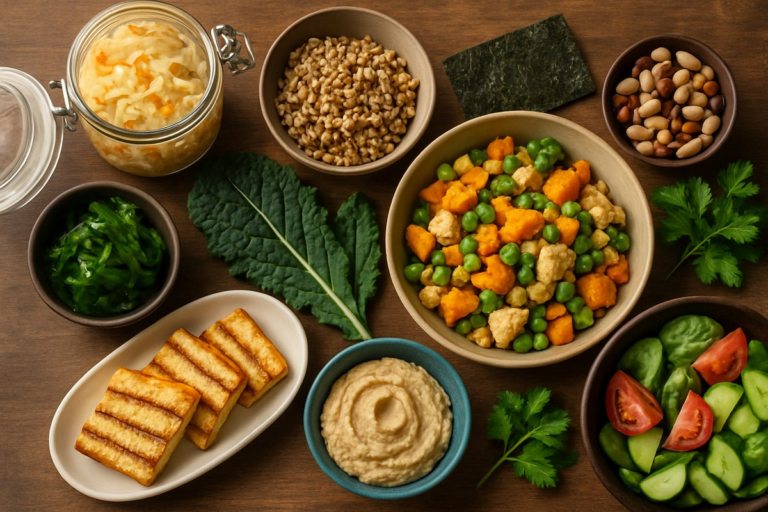
Growing interest in plant-forward plates and functional ingredients has sparked a deeper dive into the science of sabor and wellbeing. Herbal apothecaries are blending adaptogenic mushrooms with everyday steeps, while chefs coax prebiotic fibers from banana blossoms, chicory roots, and resistant potato starch. Vibrant lassi-style smoothies pack in fermented grains like millet with mindful dollops of sea buckthorn oil. Backyard gardeners cultivate medicinal calendula and lemon verbena alongside culinary mint and sage, harvesting leaves to stir into both high-flavor dishes and homemade tonics. By foregrounding the relationship between flavor compounds and health benefits, this trend bridges the gap between nutrition science and the ancient wisdom of healing kitchens.
Whether sparked by climate urgency, curiosity about global heritage, or a longing for digital community, today’s culinary trends point toward kitchens that serve as laboratories, classrooms, and stages for cultural exchange. As we measure ingredients with precision, forage forests for chanterelles, and ferment brightly colored krauts in smart incubators, we’re rediscovering that cooking is at once art, science, and ritual. In the years ahead, these kitchens will continue to evolve-guided by principles of sustainability, rooted in curiosity, and nourished by connections that extend far beyond the plate. Each bite becomes an invitation: to taste the world, honor its people, and craft a more mindful, resilient future.