Location
Mount Vernon, WA 98274
Location
Mount Vernon, WA 98274


From reforesting Costa Rican reserves to tracing ancient pilgrimage routes, modern explorers are redefining tourism by blending adventure with altruism. Discover how purpose-driven trips are reshaping communities, empowering locals, and giving travelers a deeper sense of connection and impact.
For many, travel used to mean ticking off bucket-list landmarks or lounging on sun-soaked beaches. Today, a growing wave of wanderers seeks something more than Instagrammable vistas. They yearn for journeys that leave behind lasting benefits for local communities and the planet, as much as they enrich personal horizons. Whether joining a reforestation drive in Central America, walking centuries-old pilgrimage trails in Asia, or volunteering in remote villages, these purposeful adventures are reshaping the face of tourism.
According to the latest global travel survey from an international booking platform, 72 percent of respondents report they would choose a trip based on its social or environmental impact. This shift isn’t confined to niche travelers or gap-year backpackers. Families embarking on weekend escapes, solo explorers on cross-country treks and retirees craving transformative experiences all now prioritize ethics over extravagance. The article highlights three emerging trends that illustrate how purposeful travel is moving from fringe to mainstream.
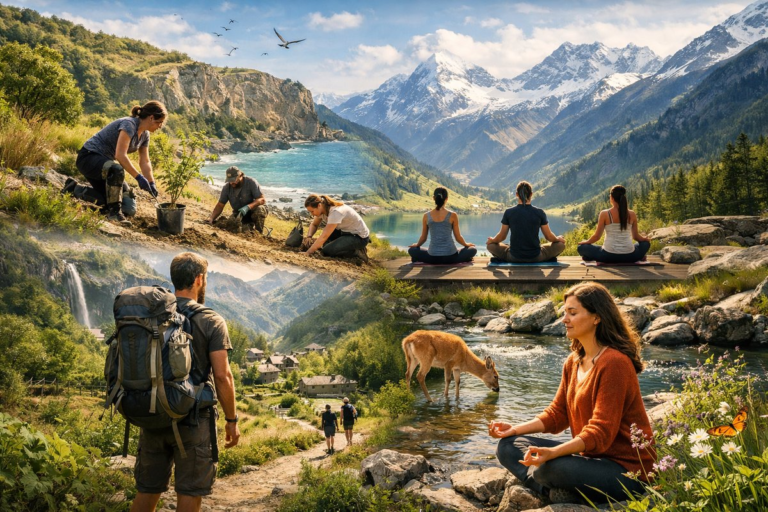
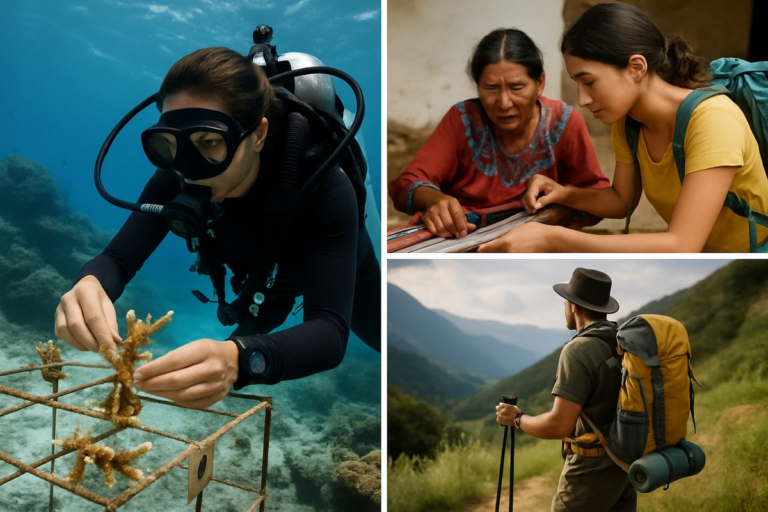
First, conservation-focused stays are gaining momentum across biodiversity hotspots. In Costa Rica’s highland cloud forests, eco-lodges partner with local conservation groups to employ guides from nearby villages. Guests can join daily tree-planting sessions, monitor bird species threatened by habitat loss and support rewilding projects funded by program fees. In one such reserve, volunteers helped plant over 20,000 native seedlings in the past year alone-each contributing to a network of green corridors that allow jaguars and other big cats to roam safely.
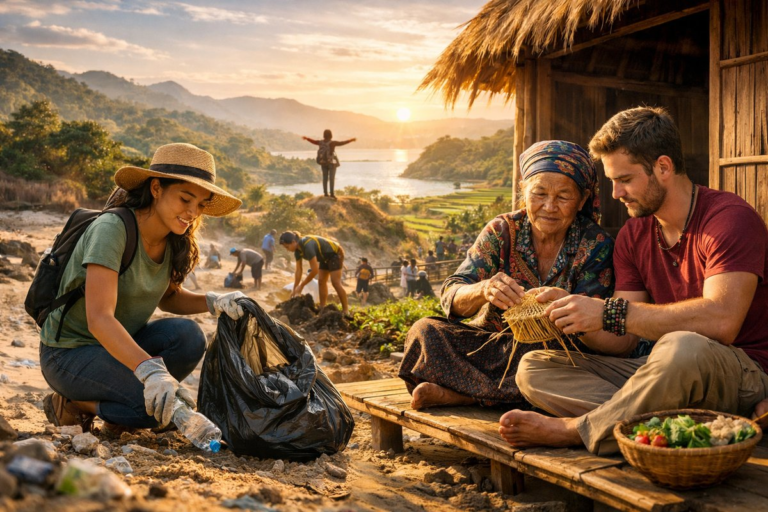
Second, cultural preservation itineraries are emerging in regions that blend heritage tourism with community-empowerment initiatives. In the Canadian Arctic, indigenous-led tours teach visitors how to craft traditional sleds, net fish under the midnight sun and interpret ancient rock art firsthand. Earnings from these itineraries funnel back into language revitalization and youth mentorship programs. Farther east, travelers on Japan’s Kumano Kodo ancient pilgrimage trail participate in tea ceremonies at mountain shrines, learning about Shinto rituals while staying in village-run guesthouses. This collaboration ensures that modern visitors support local elder councils in preserving intangible rituals that date back over a millennium.
Third, volunteer-driven infrastructure projects in remote communities continue to attract travelers seeking tangible outcomes. In rural Nepal, teams of 10 to 15 volunteers help drill wells, build latrines and reinforce school walls with earthquake-resistant materials. Coordinated by reputable NGOs, these programs require no engineering background-participants receive hands-on training onsite. Over the past two years, hundreds of travelers have left behind safe water access for entire hamlets, cutting childhood waterborne illness rates by nearly half.
These purposeful pathways aren’t without challenges. Critics caution against inexperienced volunteers doing more harm than good, or eco-lodges that engage in “greenwashing.” To avoid pitfalls, travelers are advised to vet organizations for transparent financial reporting, local leadership involvement and measurable outcomes. Reputable programs often publish annual impact reports, track reforestation acres, visitor satisfaction ratings or community income growth metrics. Digital platforms specializing in responsible tourism now list only those operators meeting rigorous third-party standards.
For aspiring purpose-driven explorers, planning requires a balance of logistical preparation and ethical research. Start by defining your primary motivation: environmental restoration, cultural exchange or community development. Next, investigate program credentials. Look for operators registered with international nonprofits or certified by recognized bodies like the Global Sustainable Tourism Council. Read reviews on dedicated volunteer-travel forums. Ensure that fees paid directly fund local staff wages, materials and overhead, rather than serving purely as pocket change for foreign intermediaries.
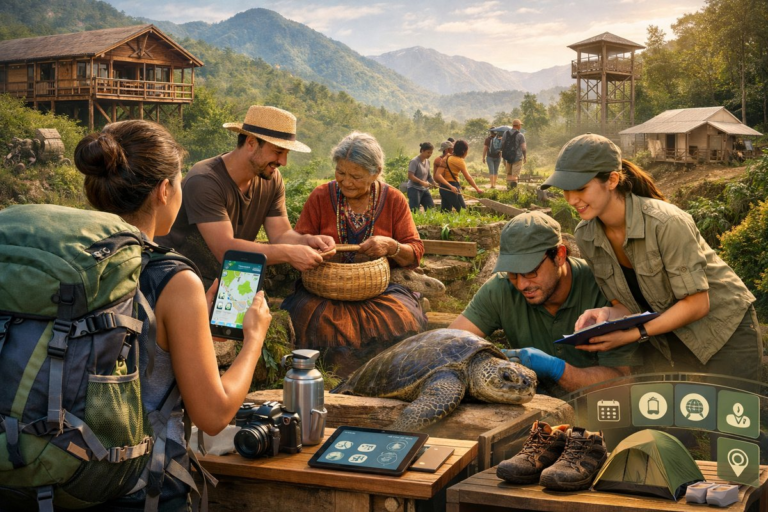
Packing for a meaningful journey differs from standard tourist gear. Light but durable outdoor clothing, reusable water bottles and solar-charging power banks reduce waste and dependence on unreliable electricity grids. Travelers in conservation zones often need waterproof notebooks and field guides for species identification. Cultural immersion trips may call for respectful attire and compact language phrasebooks. Volunteer programs can require personal protective equipment-hard hats, work gloves or sturdy boots-so confirming gear lists well before departure helps avoid last-minute purchases that inflate carbon footprints.
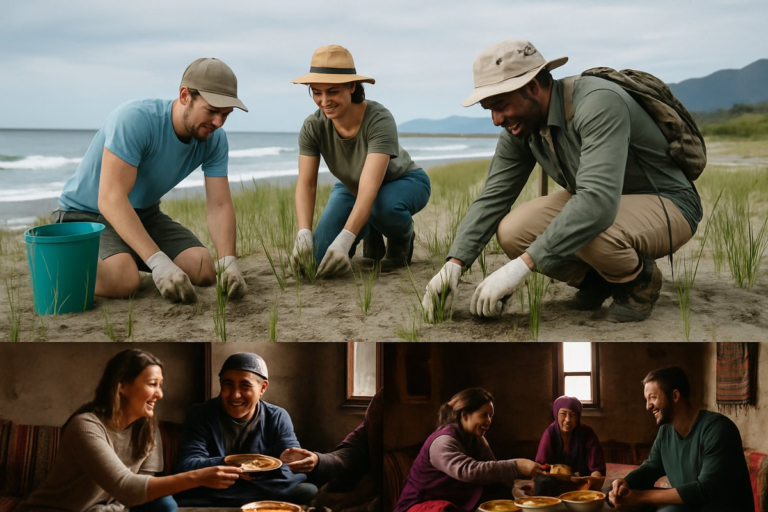
On the ground, the most transformative moments often happen beyond scheduled activities. Shared meals with host families, impromptu classroom visits, or hiking off the beaten path facilitate genuine connections. In Ecuador’s Andes, a volunteer teacher recalls cooking traditional soups alongside local elders after a day of building school desks. The simple ritual of chopping vegetables sparked hours of storytelling, passing on ancestral healing practices and folklore that no textbook can capture.
Conscious travelers also grapple with measuring their own impact. Many programs now incorporate reflection workshops or digital journaling portals where volunteers record daily learnings and community feedback. These tools help participants articulate skills gained-project management, cross-cultural communication, ecological monitoring-and translate them into professional narratives once back home. The psychological benefits extend beyond skill-building; a survey from a social wellbeing nonprofit reports that 85 percent of returnees say purposeful voyages reduced feelings of isolation and enhanced life satisfaction.
The ripple effects stretch further still. Local economies in destination regions report rises in microenterprise revenues when travelers patronize village-run homestays, craft cooperatives and farm-to-table eateries. In parts of rural Morocco, a women-led weaving collective once on the brink of closure has found stability through eco-tourism partnerships, selling hand-dyed rugs to conscious travelers and reinvesting profits into literacy programs.
Looking ahead, emerging technologies promise to deepen the link between travel and purpose. Mobile apps that track carbon footprints and suggest local offset projects are gaining traction. Augmented-reality experiences can overlay historical contexts onto abandoned ruins, narrated by elders from nearby communities. Blockchain platforms are even being tested to transparently trace funds from traveler donations all the way to on-the-ground expenditures-eliminating human error or misallocation.
While buzzwords like “transformative” and “impactful” risk becoming hollow clichés, travelers who do the homework find that purposeful journeys can ignite lifelong passions and foster global citizenship. By supporting local stewardship, amplifying marginalized voices and nurturing sustainable livelihoods, each visitor becomes part of a larger narrative. Rather than merely consuming experiences, they co-create legacies that endure long after the trip ends.
Packing up souvenirs may be tempting, but the most valuable mementos from a purpose-driven voyage are the relationships and insights forged along the way. When you return home, you’ll bring back more than photos: you’ll carry stories of resilience, lessons in empathy and-ideally-a commitment to keep giving back, wherever life next leads you.