Location
Mount Vernon, WA 98274
Location
Mount Vernon, WA 98274

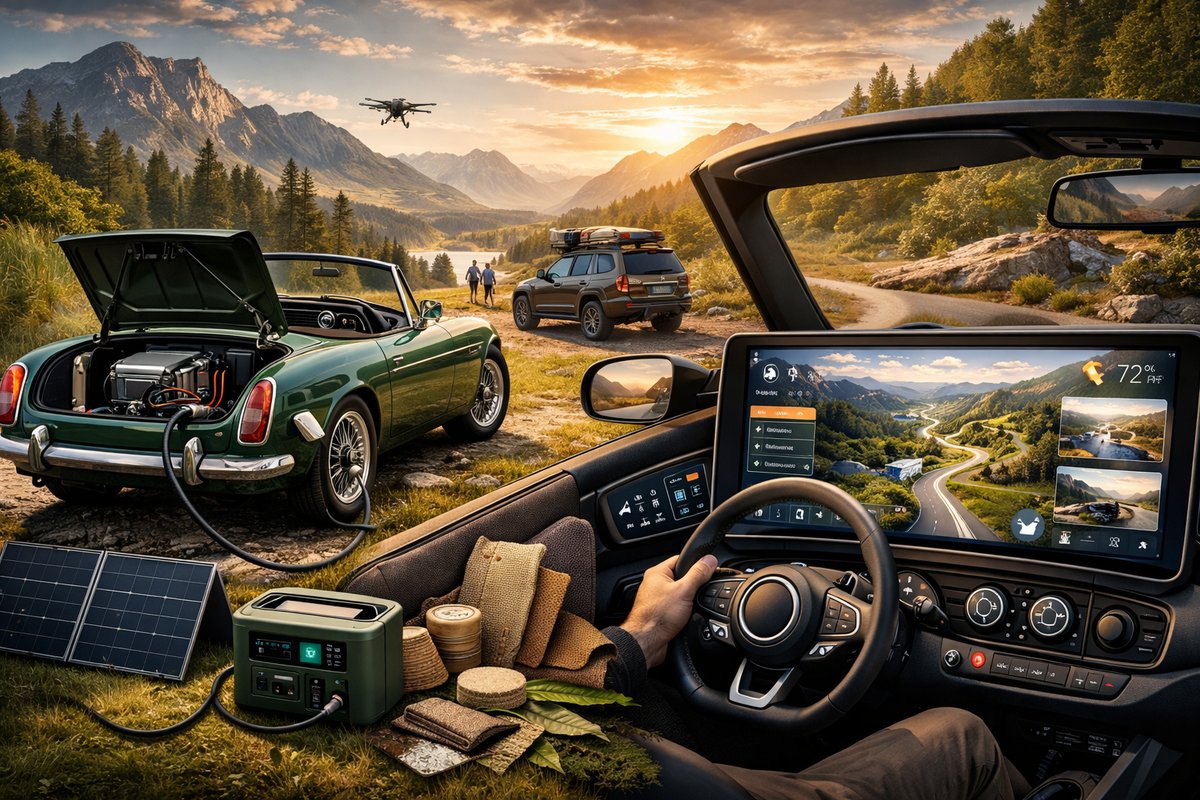
From electric conversions of vintage roadsters to AI-powered dashboards that recall your favorite routes, the modern car is as much a data vessel as it is a machine of motion. Innovations in sustainable materials, portable energy solutions, and community-driven design are transforming how we drive, reminisce, and explore off the beaten path.
In workshops tucked between city blocks, hobbyists are stripping down classic coupes and installing electric drive trains powered by compact lithium-ion packs. Down the road, families pack modular cargo pods onto all-terrain EVs, swapping between beach gear and camping supplies with the ease of snapping together building blocks. Meanwhile, dashboards once dominated by analog dials have given way to reconfigurable digital screens that can remember your favorite routes, suggest hidden touring roads, or even summon the nearest independent mechanic with a tap. This fusion of nostalgia and cutting-edge tech isn’t just an aesthetic choice; it marks a profound shift in how vehicles bridge our past experiences and future aspirations.
The concept of memory in automotive design has evolved beyond trunk-mounted cassette players and glovebox photo stashes. Today’s vehicles harness cloud-connected navigation systems that learn your habits, anticipating pit stops at that favored roadside diner just as you’re about to hit the road for a weekend escape. Voice-activated assistants can cue up playlists tied to your last journey, while heads-up displays replay key waypoints or terrain profiles from earlier adventures. These systems not only streamline the driving experience but also foster an emotional bond: your car remembers in ways a co-driver might, recalling hidden viewpoints or unfrequented backroads you once discovered.
Under the hood, rapid advances in battery chemistry and power electronics are unlocking ranges that would have seemed fantastical in the era of early hybrids. Some do-it-yourselfers are even experimenting with portable solar-charging rigs that stow neatly in a trunk. When sunlight hits the foldable panels, juice flows into a dedicated auxiliary port, alleviating range anxiety on sun-blessed stretches of highway. On overcast days, a small wind turbine mounted on a rooftop tent has proven enough to trickle-charge a 12-volt system, enough to power campsite lights or a laptop. It’s not just about reaching a destination but about sustaining the journey, embracing renewable energy whether you’re carving through desert dunes or tracing mountainous switchbacks.
The rise of off-road electric vehicles is rewriting the rules of exploration. Silent drive systems allow wildlife encounters that gasoline engines would have spooked away. Instant torque transforms rock crawling into a ballet of measured wheelspin, and adaptive air suspension raises vehicle clearance with a touch, offering terrain-aware adjustments from sand to snow. Customizable underbody lighting can both illuminate hidden ruts and capture dramatic night photography, fusing practical safety with the thrill of discovery. Within online communities, terrain-mapping apps built by open-source enthusiasts guide newcomers through uncharted trails, sharing GPS logs, elevation profiles, and even satellite imagery overlays to ensure every adventure is both exhilarating and safe.
Sustainability extends beyond how power is generated. Interior designers are sourcing reclaimed fabrics and recycled polymers to build upholstery that feels both artisanal and future-focused. Dash panels machined from salvaged aluminum or sustainably harvested bamboo lend a tactile warmth that plastic injection molding can’t replicate. Some workshops use 3D-printed ventilation grilles made from biodegradable polymers, ensuring that specialty parts remain available without the environmental footprint of mass manufacturing. Even paint processes have gone eco-friendly: water-based coatings, powdered pigments, and UV-curable finishes reduce volatile organic compound emissions, so your restomod looks fresh without costing the planet.
Connectivity remains the secret thread weaving these innovations together. Modular infotainment hubs powered by open-source software let drivers choose from a library of navigation, diagnostic, and social-sharing apps tailored for the road. Mechanics can stream real-time torque curves and temperature maps to your smartphone, diagnosing issues before a warning light ever glows. Wireless over-the-air updates can optimize regenerative braking profiles or unlock new drive modes as soon as developers validate improvements, ensuring that even a decade-old EV can feel cutting-edge with a single firmware flash. It’s a level of adaptability that keeps vehicles relevant longer, blurring the line between automobile and personal gadget.
Yet amid these high-tech marvels, the heart of motoring remains deeply human. Long after the polish fades from your custom paint job, it’s the memories you accumulate-sunrise coffees at roadside overlooks, back-country camping under star-scattered skies, impromptu roadside repairs shared by fellow nomads-that shape your relationship with the machine. As more drivers embrace do-it-yourself conversions and community-sourced mods, a new culture of shared storytelling emerges. Workshops become salons for exchanging tips on everything from battery management systems to cabin-climate hacks, and social feeds overflow with time-lapse videos of undercarriage overhauls and regenerative-brake calibrations.
Looking ahead, the boundaries between vehicle and memory keeper will only deepen. Imagine a ride that autonomously adjusts cabin lighting to mirror the filtered greens of a forest you passed months ago, or a drive mode that replays the sound profile of a vintage engine when you seek nostalgia. Multimodal integration could allow your car to summon a lightweight electric scooter for last-mile city hops, or interface seamlessly with regional rail networks when a scenic rail tunnel promises hidden panoramas. Every mile becomes a chapter in a personal travelogue, authored by the vehicle itself and accessible through intuitive gesture controls or augmented-reality windshields.
For gearheads and dreamers alike, the road ahead is as much about preserving the essence of a golden era of motoring as it is about embracing what’s next. Whether you tinker in a suburban garage or opt for an off-grid camping setup powered by portable solar panels, the spirit of exploration and reverence for memory remains constant. As vehicles transform from mere transportation to repositories of personal story, they invite us to reconsider our relationship with motion, terrain, and time itself. And in every spark of sustainable innovation or every shared trail map passed between strangers, we find the enduring magic that makes the journey as meaningful as the destination.