Location
Mount Vernon, WA 98274
Location
Mount Vernon, WA 98274

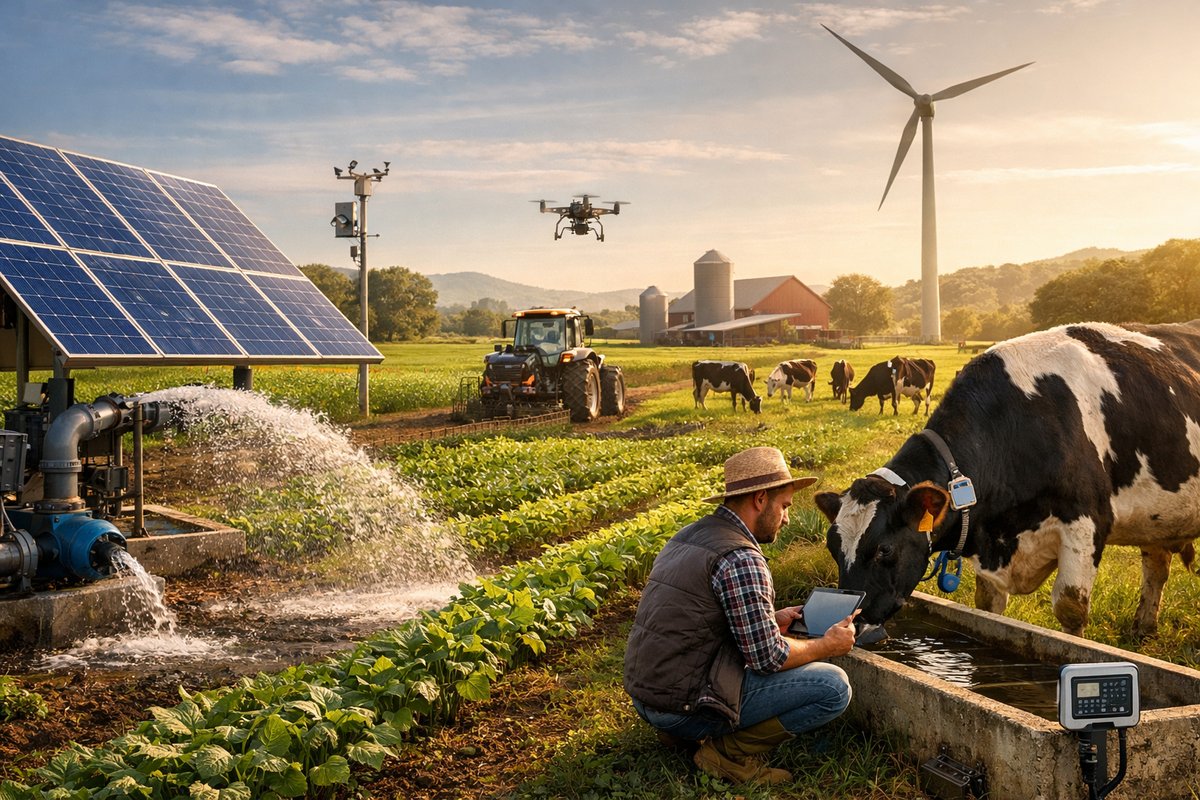
Amid mounting environmental pressures and shifting market demands, farmers are embracing a suite of sustainable practices and cutting-edge tools to nurture both soil health and animal welfare. From solar-powered irrigation pumps to precision livestock sensors, rural innovators are weaving tradition and technology into a resilient agricultural tapestry.
Across rolling pastures and patchwork fields, a quiet revolution is reshaping the way we cultivate the land and tend to livestock. Farmers and homesteaders are moving beyond single-crop reliance and industrial feedlots, turning instead to holistic systems that safeguard ecosystems, bolster rural economies, and ensure animal wellbeing. This article explores the techniques, tools, and community-driven initiatives that are propelling sustainable agriculture and livestock care into a forward-looking era.
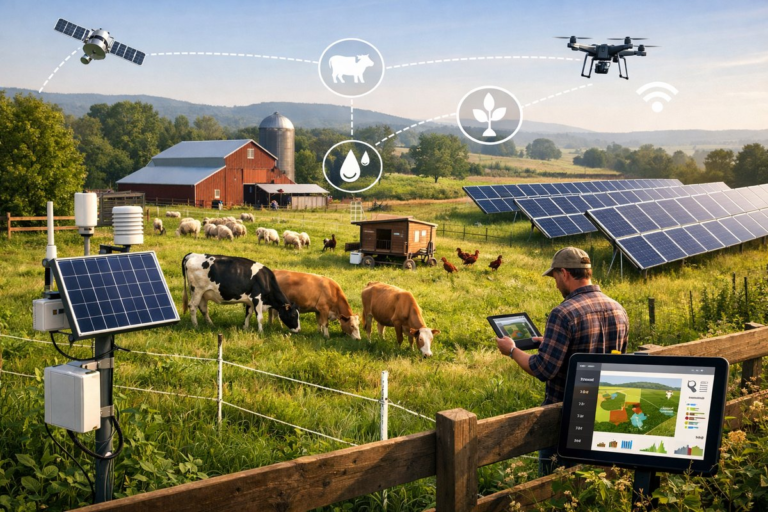
At the heart of regenerative agriculture lies a commitment to soil as a living, breathing ecosystem. Practices like rotational grazing allow grasslands to recover between grazing periods, boosting root depth and microbial diversity. By dividing pastures with temporary fencing, ranchers can cycle herds through multiple paddocks, mimicking migratory patterns and preventing overgrazing. Coupled with cover cropping and interseeded legumes, these methods enrich soil nitrogen levels and reduce the need for synthetic fertilizers.
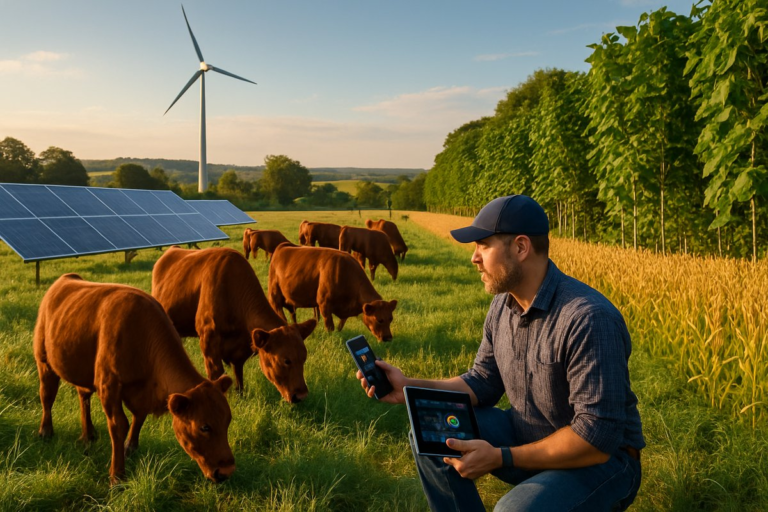
Silvopasture, the integration of trees with forage and livestock, is another frontier in land stewardship. Scattered rows of fruit- and nut-bearing trees provide shade and fodder for animals while sequestering carbon. Beneath the canopy, understory grasses flourish, creating a layered system that yields multiple revenue streams. Agroforestry plots can also buffer waterways against nutrient runoff, preserving water quality in nearby streams and aquifers.
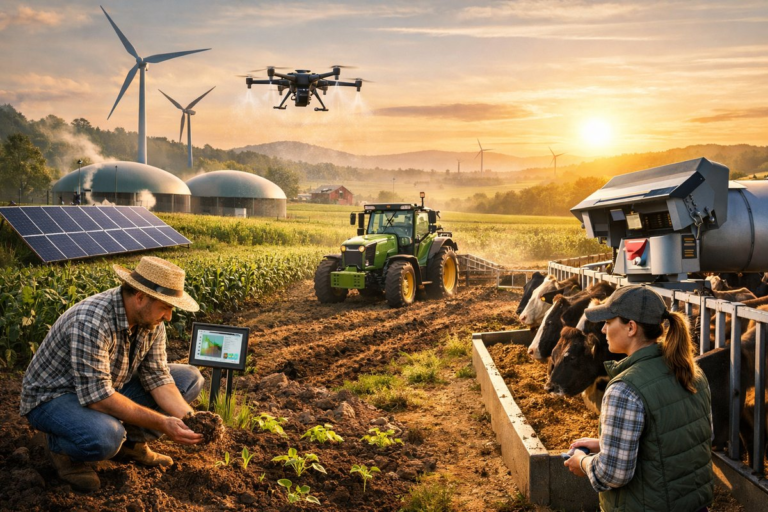
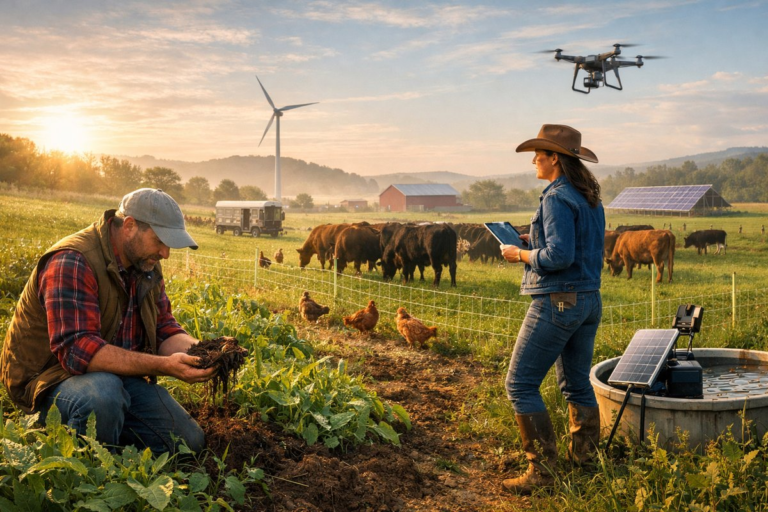
Water management remains a critical challenge, particularly in regions prone to seasonal drought. Many operations are adopting rainwater harvesting systems that capture roof runoff for livestock drinkers and drip irrigation lines. In more remote locales, solar-powered submersible water pumps lift groundwater to storage tanks or gravity-fed troughs. By coupling panel-mounted arrays with battery buffers, these pumps run quietly without relying on diesel generators or grid connections. Soil moisture meters placed strategically across fields help farmers time crop watering with precision, preventing wasteful overwatering and reducing plant stress during critical growth stages.
On the livestock front, precision monitoring is transforming herd management. Wearable sensors attached to collars or ear tags can track animal activity, rumination patterns, and body temperature. Mobile apps receive real-time alerts if a cow’s feed intake drops or if a sheep’s rumen pH drifts outside normal ranges, enabling early intervention for illness or nutritional imbalances. Portable livestock scales and handheld infrared thermometers streamline routine checkups, cutting down on labor and improving diagnostic accuracy. Automated feeders dispense customized rations based on each animal’s growth stage, reducing feed waste and improving weight gains.
Renewable energy adoption is no longer confined to crop irrigation. Solar arrays installed on barn rooftops and along field edges power LED lighting, ventilation fans, and electric fence energizers. Small-scale wind turbines can complement solar output during overcast or windy periods. Excess power is stored in battery banks or converted into heat for water troughs during colder months. These decentralized energy systems cut operating costs, lower carbon footprints, and shield farmers from utility rate spikes.
Beyond the farm gate, rural innovation ecosystems are gaining momentum. Cooperative networks allow smallholders to pool resources-sharing machinery like seed spreaders and hay balers or collaborating on direct-to-consumer channels such as farmers’ markets and community-supported agriculture (CSA) boxes. Digital marketplaces connect producers with niche buyers seeking pasture-raised meat or handcrafted dairy products, driving premiums for quality. Training institutes and peer-to-peer mentorship programs help new entrants master everything from soil testing to animal husbandry, strengthening generational renewal in agriculture.
Animal welfare standards are also evolving alongside technology. Mobile veterinary clinics equipped with portable ultrasound machines, autoclaves, and point-of-care test kits travel rural roads to administer vaccinations, pregnancy checks, and diagnostic screenings. Telemedicine platforms enable livestock producers to consult specialists via video for complex cases, reducing treatment delays. On-farm biosecurity measures-such as dedicated disinfection stations for visitors and quarantine pens for new arrivals-minimize disease transmission and protect herd health.
Waste management, long a sticking point for large-scale operations, is being reframed as an opportunity. Food scraps and manure can feed on-site composting systems, transforming nutrient-rich byproducts into soil amendments. Some farmers install small anaerobic digesters that capture methane from manure, converting it into biogas for heat or power. Digestate-the leftover organic slurry-serves as a low-odor fertilizer, closing nutrient loops without hauling bulky materials offsite.
Taken together, these innovations reveal a mosaic of sustainable farming and livestock care that is at once high-tech and deeply rooted in tradition. By marrying ancient rotational schemes with solar pumps, wearable sensors, and circular-economy waste streams, rural stewards are charting a future where productivity and ecological harmony go hand in hand. As climate concerns and consumer demand continue to rise, such integrated systems offer a blueprint for farms that last for generations, fostering food security, environmental resilience, and animal welfare in equal measure.
Looking ahead, broader adoption will hinge on accessible financing, robust rural broadband, and policy incentives that reward soil carbon capture and ecosystem services. When farmers have the tools, knowledge, and networks to innovate, the potential crops up not just in fields but across landscapes of community prosperity and natural regeneration. In the years to come, the legacy of today’s pioneers will be measured not only in bushels per acre or gallons of milk but in revitalized soils, thriving wildlife corridors, and healthier herds-all tethered by the guiding principle of stewardship that underpins sustainable agriculture.