Location
Mount Vernon, WA 98274
Location
Mount Vernon, WA 98274


A new undercurrent of social phenomena is reshaping how we connect, create, and consume. From bite-sized rituals of digital wellness to modular spaces that flex with our lifestyles, these emerging patterns hint at deeper shifts in values, autonomy, and sustainability.
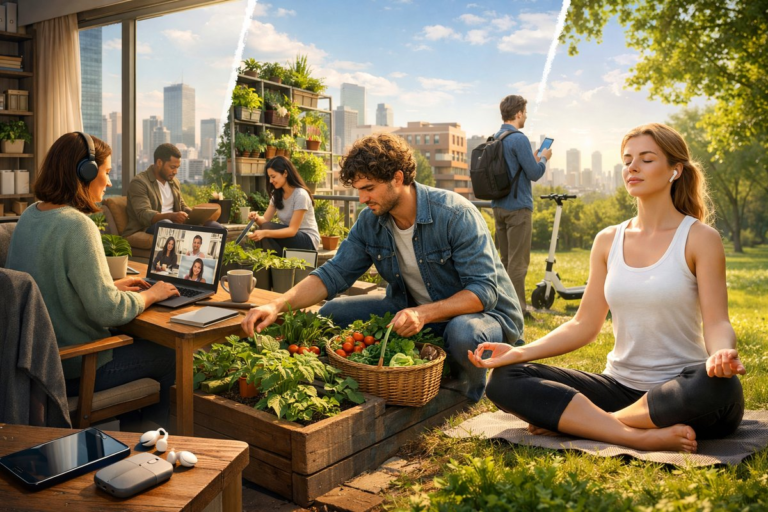
In coffee shops and co-working hubs, on social feeds and in weekend workshops, subtle impulses are gathering momentum. These impulses-loosely connected yet unmistakably potent-herald a changing attitude toward boundaries, resources, and experiences. Against a backdrop of global uncertainty and intensifying digital immersion, people everywhere are redefining what daily life can feel like, taste like, even sound like. The signals are all around us: in our devotion to micro rituals, our embrace of modularity, and our quest for emotional harmony.
Take the rise of micro rituals. Instead of reserving self-care for spa weekends or elaborate morning routines, many now carve out fifteen-second breathwork breaks or two-minute strain stretches between Zoom calls. These tiny pauses are designed to interrupt autopilot, anchoring us in the present without demanding an hour of practice. Apps and wearables are responding with haptic pulses and gentle reminders rather than full-screen dashboards. The emphasis is on fleeting moments of recalibration-small, discreet gestures that can slot into the cracks of a day.
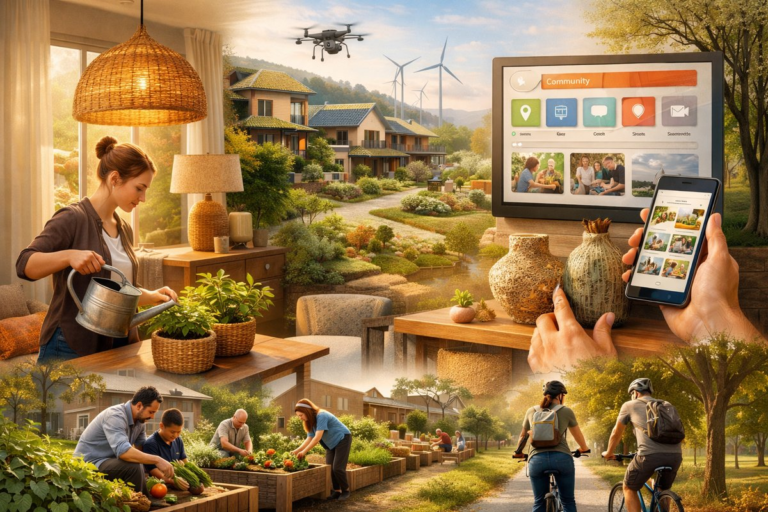
That same spirit of fragmentation is reshaping how we learn and connect. Micro-community platforms have sprouted in niches ranging from plant propagation to vinyl record collecting. These online enclaves reward brevity and specificity: a five-post thread on soil pH, a two-minute video on vintage deck maintenance. Threaded commentary, emoji reactions, and ephemeral voice channels create a sense of tightknit belonging without the commitment overhead of larger forums. In a world drowning in broad feeds and endless scrolling, these tiny circles feel like an antidote.
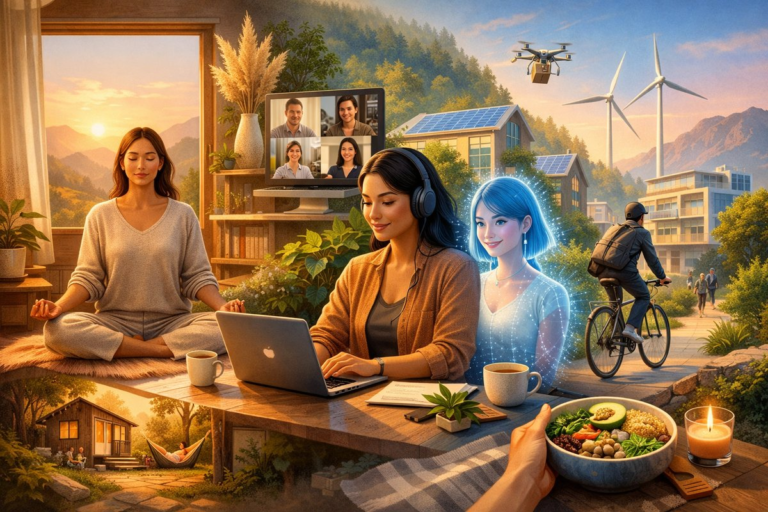
Meanwhile, digital wellness is morphing beyond demanding screen-time limits. Some are experimenting with intentional soundscapes, customizing ambient loops that adapt to heart rate or time of day. Rather than switching off notifications wholesale, people curate ‘sonic masks’-layers of nature field recordings or soft instrumental pads that counterbalance the staccato blips of alerts. The result is a semi-permeable boundary between work and rest, technology and the analog world. It’s an act of sonic diplomacy, negotiating a truce between focus and ease.
On the material side, modular minimalism has become a guiding principle for living spaces. Flat-pack furnishings, snap-together shelving, and roll-away partitions let rooms shapeshift on demand. A home office can dissolve into a yoga studio; a reading nook can expand into a dinner table stage. Rather than viewing furniture as fixed fixtures, designers and makers are treating them like living systems-easily reconfigured to match changing moods, seasons, or social densities. This light-touch approach reduces waste, invites experimentation, and encourages people to cherish fewer, more adaptable pieces.
Sustainability is no longer just about recycled materials, either; it’s about material sovereignty. Neighborhood tool libraries, repair cafes, and mobile upcycling workshops are popping up in cities and suburbs alike. Enthusiasts bring broken fans or thrifted sweaters, and together they dismantle, rewire, or reknit until something new emerges. These grassroots hubs are part maker-space, part social lab-places where resource scarcity becomes a creative springboard. Beyond reducing landfill, they cultivate a mindset that every object has hidden potential.
At the intersection of craft and science, everyday biohacking is entering the mainstream. DIY fermenting kits and at-home microbiome tests let people experiment with gut-health cocktails, kombucha blends, or personalized probiotic capsules. Meanwhile, wearable skin patches monitor hydration and ultraviolet exposure in real time. This isn’t about dystopian body modification but rather about small data loops and gentle interventions. The promise: to become more intimate custodians of our own biology, guided by curiosity and incremental feedback.
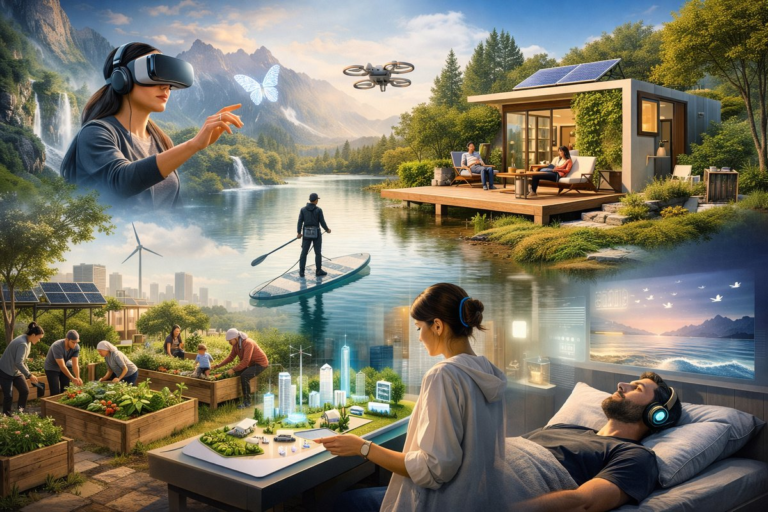
Food culture is shifting in parallel. Urban farms, shipping-container greenhouses, and basement mycology labs are sprouting in unexpected corners. Many are exploring low-tech hydroponics, LED-guided microgreens, or coffee-chaff composters that feed rooftop tomatoes. This localized approach to agriculture reconnects people with food cycles without demanding vast acreage. It’s about savoring the micro-herb on the windowsill as much as the heirloom tomato at harvest time-rehearsing a relationship with the sources of nourishment.
Movement paradigms are evolving, too. Community-organized walk-and-talk meetups have replaced networked jog challenges; micro-retreats focusing on barefoot forest ventures or sunrise Tai Chi gatherings offer escapes from the treadmill treadmill. Urban planners are repurposing alleys into slow-bike corridors and pocket parks that double as mindfulness zones. Exercise is no longer a bullet point in a health app; it’s a fluid practice woven into social fabric and public space.
Creativity itself is becoming more collaborative and transient. Pop-up galleries can sprout overnight in vacant storefronts, curated via QR-code invitations that redirect passersby to AR-augmented murals. Street performers use modular projection rigs that sync with pedestrian traffic, turning sidewalks into immersive stages. Even writers and poets are exploring ‘micro-chapters’ released on timed schedules, accompanied by generative art snippets that evolve over days. The overarching theme: art as a living conversation, not a static exhibit.
Privacy and autonomy are central concerns in all these shifts. Many are scrutinizing default settings on smart devices, favoring open-source firmware and community-audited apps. DIY home hubs run on local servers rather than cloud subscriptions, powering everything from lighting to climate control. The goal is not rejection of convenience but reclamation of agency-proof that seamless integration need not come at the expense of personal control.
One of the most intriguing signals of change lies in our attitudes toward time. Fast culture-ultra-on-demand streaming, hyper-targeted ads, week-long sprints-coexists with emergent slow flows. Digital fasting weekends, asynchronous work weeks, and personal sabbaticals are gaining traction. Rather than measuring productivity in bytes or billable hours, people are prioritizing rhythms aligned with circadian cycles, seasonal shifts, or mental-health calibrations. This temporal pluralism acknowledges that there’s no single ‘right’ pace, only series of pulses that can be tuned to individual and collective well-being.
Across all these fractures and fusions, one theme persists: the search for authentic presence. In a world brimming with algorithmic nudges and relentless commodification, small gestures-a handwritten note, a community supper, an improvised sound bath-carry outsized weight. They speak to a desire for genuine connection that transcends screens and infographics. As these signals crystallize into patterns, they remind us that the future won’t be defined by any single technology or style. Instead, it will emerge from our collective improvisation, our willingness to blend the digital and the tactile, the modular and the timeless.
Whether these currents prove fleeting or foundational remains to be seen. But one thing is clear: the subtle mutations happening now will leave traces on the landscapes of culture, design, and daily life for years to come. By tuning into these signals today-from micro rituals to material sovereignty-we can glimpse not only where we’re headed, but also who we choose to become along the way.