Location
Mount Vernon, WA 98274
Location
Mount Vernon, WA 98274

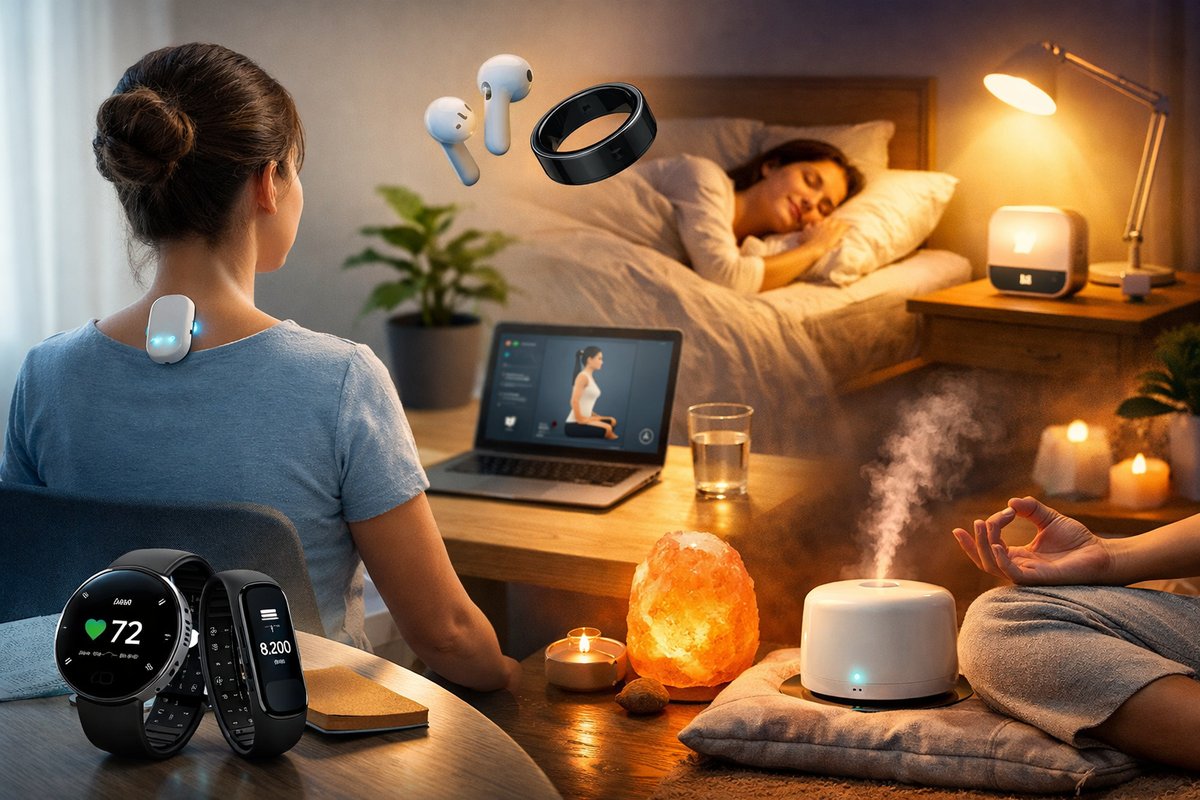
Discover how emerging devices and simple daily rituals are reshaping the way we move, rest, and find inner calm. From posture sensors to adaptive lighting, explore practical strategies that support vitality, sleep quality, and emotional clarity.
Wellness is often framed as a series of trends-morning smoothies, cold plunges, digital detoxes-but at its core it’s an invitation to build resilient systems that serve mind and body over a lifetime. Today, an array of innovative tools makes it easier than ever to understand our unique rhythms and needs. By blending small data insights with hands-on practices, you can cultivate habits that enhance vitality, deepen rest, and foster emotional clarity.
Most of us already own at least one fitness tracker or use a sleep-monitoring app. Those are powerful starting points, but they’re only part of the story. Modern wellness leverages targeted hardware, real-time feedback loops, and thoughtful rituals to move beyond general metrics-like steps or hours of sleep-to personalized action plans. Whether you’re a desk worker craving better posture or a night owl seeking deeper slumber, the right combination of tools can transform scattered intentions into measurable progress.
Take posture sensors, for example. Extended hours at a desk often manifest as neck tension, upper-back stiffness and chronic headaches. Wireless posture monitors clip onto your shirt or slip between shoulder blades to track spinal alignment. When you slouch, a gentle vibration reminds you to sit tall. Over weeks of consistent feedback, muscle memory reshapes your default posture, reducing strain on the cervical spine and opening up breathing capacity. Ergonomic experts report that this micro-nudge approach leads to longer periods of focused work, fewer pain flare-ups and a more upright stance even away from your computer.
Movement is more than hitting a step count. Recent guidelines published by leading health organizations emphasize a range of activities-from short standing breaks to dynamic stretching-to offset sedentary habits. Smart mat systems integrate with smartphone apps to guide you through micro-routines at your desk. Lightweight sensors built into the mat detect your form during squats, lunges and lateral stretches, then display real-time corrections on your screen. This ensures that even a two-minute mobility flow can be safe, effective and seamlessly woven into your day.
Hydration remains a cornerstone of vitality, yet most of us struggle to drink enough water. Intelligent water bottles with built-in sensors sync to an app and track your intake against recommended goals. Beyond simple reminders, some devices analyze ambient temperature and activity levels to propose personalized hydration targets. During a busy afternoon, you might receive a prompt to sip before muscle fatigue sets in, helping sustain cognitive focus and energy levels. Over time, automated logs give you a clear picture of fluid habits-revealing patterns that often hide under the radar of daily routines.
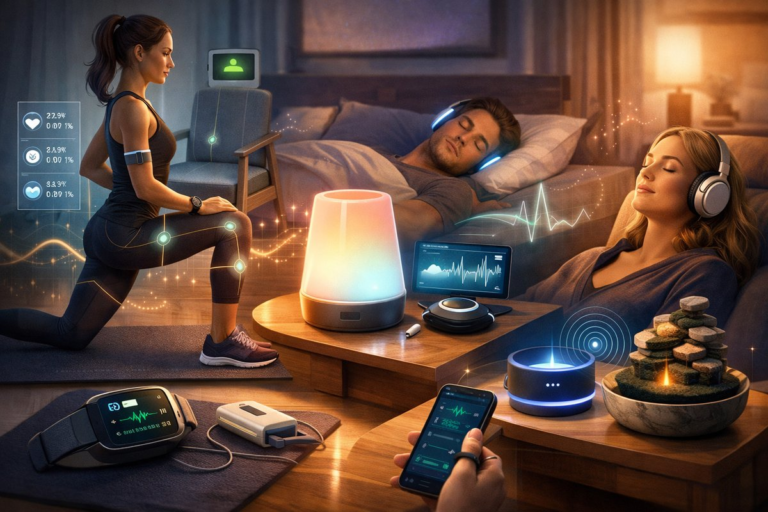
When it comes to rest, sleep trackers have matured from crude motion sensors to multispectral oximetry and heart-rate variability analysis. These advanced wearables detect subtle shifts in breathing, limb movement and skin temperature to map sleep cycles with remarkable precision. In tandem, adaptive lighting systems automatically dim or shift from blue-enriched to red-tinted hues as evening approaches, aligning your environment with natural circadian rhythms. Studies show that exposure to warm, low-intensity light before bed can accelerate melatonin release, leading to faster drift into restorative deep sleep.
For particularly restless nights, white-noise machines and smart speakers now offer dynamic soundscapes that adapt to detected noise disturbances. Microphones hidden in the device listen for sudden sounds-like a passing siren or late-night traffic-and instantly adjust the amplitude of calming rain, forest ambience or gentle waves. By masking unpredictable interruptions, these systems maintain a stable acoustic environment conducive to uninterrupted slumber.
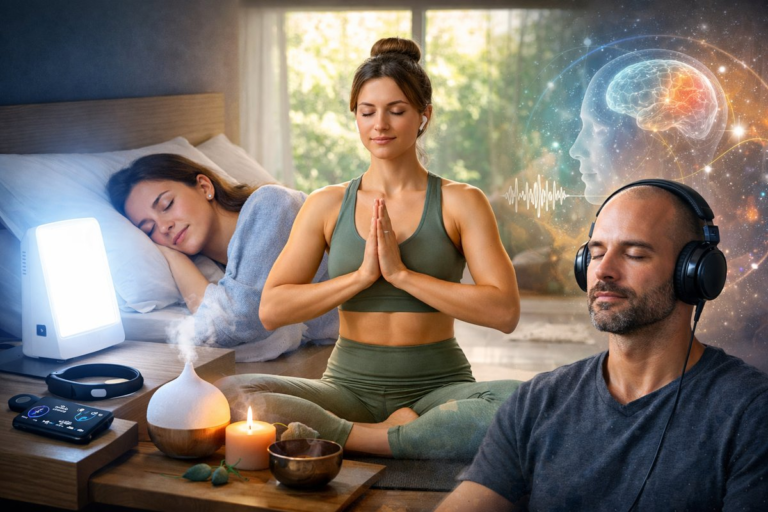
Waking in the morning no longer means an abrupt alarm jolt. Progressive wake-up lights simulate dawn by gradually increasing brightness over a customizable interval. Research indicates that this gentler approach supports smoother transitions through sleep stages, reducing grogginess and improving mood upon rising. Some units pair with optional gentle vibration pads you slip under a mattress or pillow, offering a tactile alarm that’s effective for light sleepers or heavy ear-bud avoiders.
Physical vitality and rest are only half the equation. Emotional clarity and mental resilience require their own set of supports. Guided journaling systems-whether analog notebooks with curated prompts or companion apps-provide structured spaces to capture stress, gratitude and creative ideas. Daily entries help externalize racing thoughts, track mood patterns and reveal recurring triggers. Over weeks, these records function as self-authored case studies, empowering you to anticipate emotional dips and proactively deploy coping strategies.
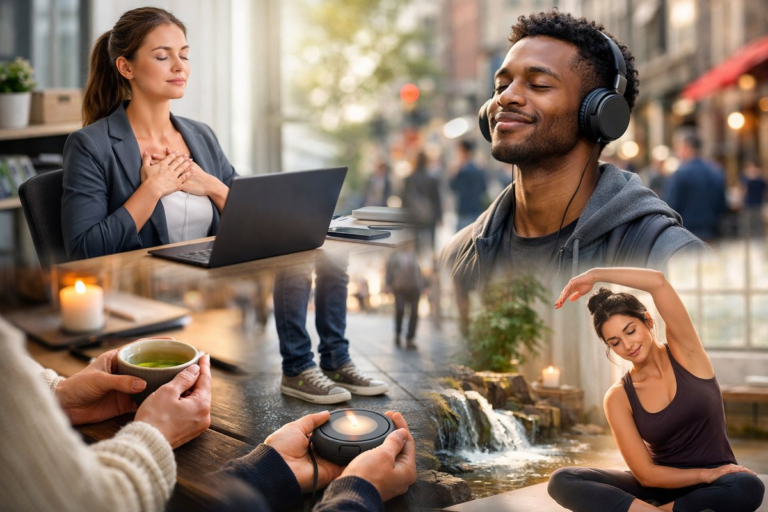
Breathwork devices are another frontier in stress regulation. Compact, handheld gadgets guide inhalation and exhalation rhythms through haptic feedback or visual cues. By slowing your breathing rate and prolonging exhalation, these tools activate the parasympathetic nervous system, lowering heart rate and cortisol levels within minutes. Many models include short, on-screen sessions as brief as two minutes-ideal for mid-meeting or between errands-so you can anchor calm into the rhythm of a busy day.
For those seeking deeper self-insight, consumer neurofeedback headsets are becoming more accessible. Lightweight sensors rest on the forehead and temples, monitoring electrical activity across key brainwave frequencies. Paired apps translate complex neural data into a simple “focus” or “relaxation” score, then guide you through tailored experiences-such as visualizations, soundscapes or silent meditation timers. While still emerging, early research suggests that consistent neurofeedback training can enhance concentration, reduce anxiety and even support creativity by encouraging specific brainwave patterns.
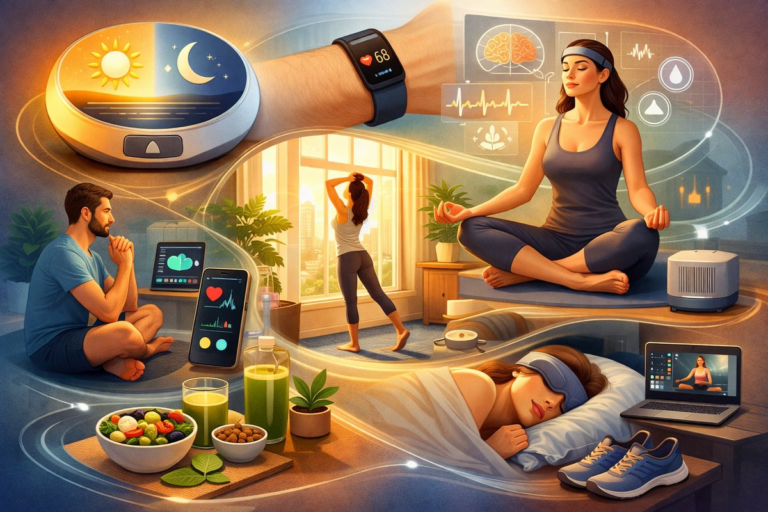
Bringing these disparate tools together might seem daunting, but many platforms now offer open APIs or integration hubs that centralize data streams. Imagine reviewing your posture improvements, hydration trends, sleep quality and mindfulness sessions in a single dashboard. Spotting correlations-like how a tough workout impacts that night’s deep-sleep phase-empowers you to fine-tune both physical and emotional routines.
You don’t need every device to get started. Choose one dimension-movement, sleep or emotional clarity-that feels most pressing, and experiment with a single, focused tool. Give yourself a few weeks to adapt, then assess impact and decide whether to layer in another device. This incremental path respects both budget and bandwidth, ensuring you develop sustainable habits rather than gadget fatigue.
At its best, next-generation wellness technology doesn’t replace self-awareness-it amplifies it. Feedback loops transform vague intentions into concrete data points, while thoughtful rituals woven through the day nurture resilience in body and mind. Over time, these calibrated insights guide you toward environments, practices and schedules that align with your unique physiology.
Wellness isn’t a finish line but an ongoing conversation with your own systems. By tapping into simple devices and small-scale rituals, you stand to gain not only incremental improvements but a deeper understanding of what truly energizes, calms and centers you. With each micro-adjustment, you build a foundation of vitality, rest and clarity that can carry you through life’s unpredictability with more ease and grace.