Location
Mount Vernon, WA 98274
Location
Mount Vernon, WA 98274

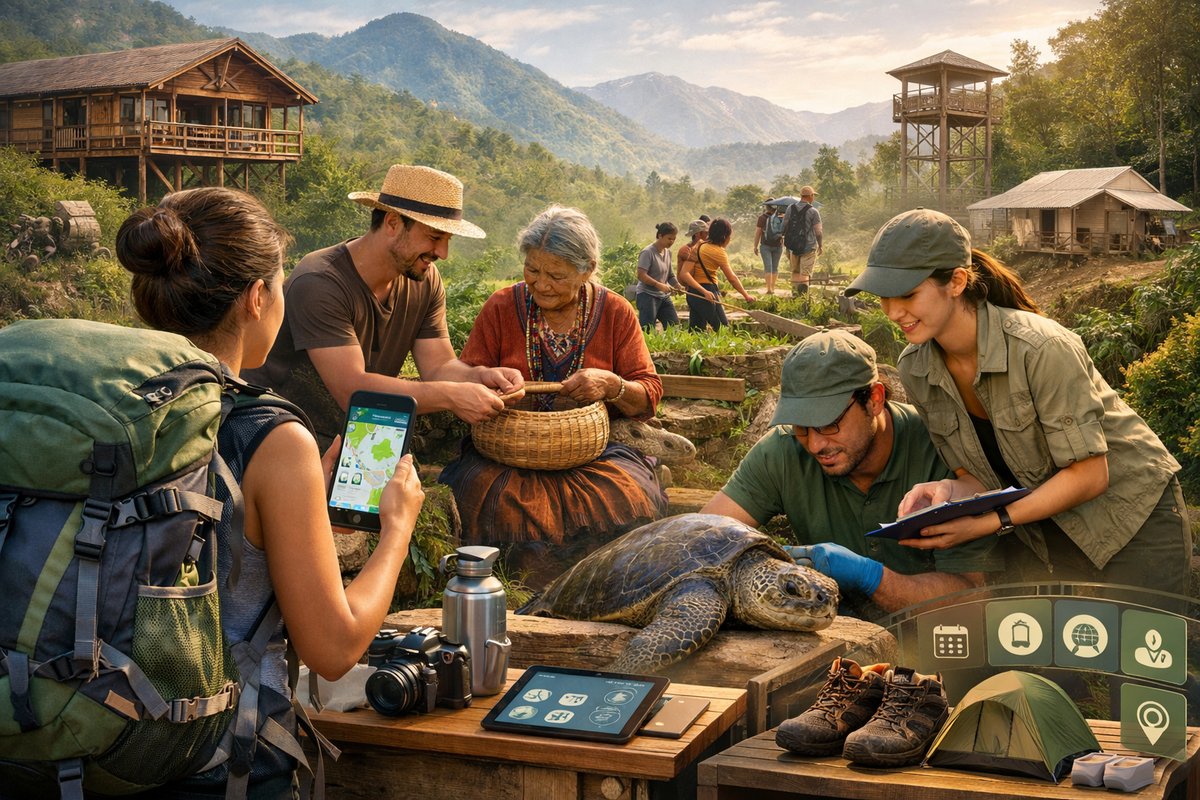
A surge in travelers seeking deeper connections has sparked a wave of purpose-driven itineraries-from community homestays to conservation outposts. This shift is reshaping local economies and the travel industry, sparking innovative gear sharing, mindful planning, and digital tools that prioritize impact alongside exploration.
As the global appetite for exploration rebounds, a new generation of travelers is setting sights beyond traditional sightseeing. A growing cohort now measures adventures by impact and connection rather than photo ops or leisure alone. Industry data indicates that demand for purpose-driven journeys has risen sharply in recent years, with specialized operators reporting a 30 percent annual increase in inquiries for community engagement, conservation volunteering, and cultural exchange programs.
A recent global survey reveals that nearly seven in ten travelers consider local involvement a key criterion when planning trips. More than half rank hands-on conservation work or heritage preservation experiences as top priorities. In response, tour operators and booking platforms are expanding purpose-built offerings-everything from carbon-neutral trekking routes to community-run farm stays-all designed to channel tourism dollars directly into underserved regions.
One standout trend is the rise of community-hosted homestays that pair guests with local families for immersive cultural exchange. In an upland village renowned for artisanal weaving, a small cooperative opened its doors to international guests. Visitors learn ancient dyeing techniques by day and share stories around wood-fired stoves by night, forging bonds that persist long after the journey ends. Reports indicate these programs often boost household incomes by up to 40 percent, illustrating how responsible tourism can drive economic inclusion.
Coastal communities are also embracing visitor participation in citizen science. In a marine reserve where reef health has declined precipitously, travelers snorkel alongside biologists to monitor coral bleaching and collect water samples. Data gathered by weekend volunteers feeds directly into open‐access databases managed by conservation NGOs. Participants say the hands‐on nature of the work transforms passive sightseeing into a deeply personal commitment to environmental stewardship.
Parallel to these experiential shifts, a flourishing circular economy for travel gear is taking hold. Peer-to-peer platforms now connect travelers with resort-grade equipment rentals-everything from lightweight backpacks and all-weather tents to high-resolution trail cameras-reducing carbon footprints tied to manufacturing and shipping. Many startups champion sustainability by refurbishing returned gear and extending product lifespans, reinforcing the idea that responsible guests leave only footprints, not discarded plastic.
Digital tools further amplify the reach of purpose-driven travel. GPS‐guided heritage trails link smartphone users to oral histories recorded by elders, while augmented reality apps overlay archival photos onto present-day landscapes. Another popular utility pairs individuals with urban farms seeking harvest volunteers; participants pick fresh produce and leave with seed packets, fostering relationships that outlast a single journey.
Mindfulness and reflection have become cornerstones of these meaningful adventures. Travelers frequently carry minimalist analog journals-hand-stitched pocket notebooks made from recycled paper-to log insights at dawn or dusk. Some operators integrate silent walking tours through ancient woodlands, guiding guests to notice subtle shifts in birdcalls or leaf patterns as a path to heightened awareness.
With digital overload a hallmark of modern life, many opt for tech-free interludes. Retreat centres tucked into desert canyons offer structured “digital sunsets,” encouraging guests to store devices in lockboxes each evening. Anecdotal evidence suggests participants return to cities with lasting shifts in screen habits and deeper emotional resilience.
Social media remains a double-edged sword. While traveler-driven storytelling on photo and video platforms spreads awareness of underrepresented destinations, it can also strain fragile ecosystems. Influencers who crafted global followings by highlighting off-grid villages now collaborate with local councils to regulate visitor numbers and promote low-impact codes of conduct.
Economic spillovers from purpose-driven tourism often exceed initial projections. Travelers report spending up to a quarter of their trip budgets on locally produced handicrafts, seasonal farm-to-table meals, and guided tours operated by women-led cooperatives. Such expenditures not only circulate wealth within communities but also foster emerging entrepreneurs who offer everything from solar-powered cooking classes to traditional music workshops.
Micro-volunteering apps have gained traction among weekend warriors seeking to make a dent in global challenges. One widely used platform matches short-term visitors with beach clean-ups, urban tree-plantings, and improvised mobile clinics. Assignments typically last three to four hours, allowing even busy professionals to weave purposeful actions into brief escapes.
Among the most impactful experiences, reforestation workshops stand out. Volunteers plant native saplings on degraded hillsides, learn about soil regeneration techniques, and follow up virtually with forestry teams. This model fosters ongoing accountability: once trees mature, participants receive digital progress reports complete with geotagged photos and survival rates.
Yet blending tourism with conservation is not without friction. In coastal wetlands where migratory birds roost, managers face the delicate task of balancing birdwatchers’ passions with breeding ground protection. Adaptive strategies now include boardwalks elevated above nesting zones, guided observation hours timed to avoid peak feeding, and visitor caps during critical seasons.
Privacy and data ethics also loom large in the planning phase. Travelers increasingly scrutinize booking platforms for their data-minimization policies, opting for services that erase personal location histories after itineraries are fulfilled. Some operators employ ephemeral messaging channels rather than permanent chat logs, ensuring local hosts and guests can communicate freely without creating digital footprints that might compromise personal security.
Equipping a purpose-driven expedition often requires a rethink of traditional packing lists. Reusable water bottles and solar power banks now feature more prominently than disposable plastic bottles or single-use batteries. Lightweight, compressible jackets and multi-season blankets reduce gear weight and backpack bulk, enabling travelers to cover longer distances on foot with minimal environmental strain.
Planning a journey with impact demands diligent research. Experts recommend seeking certifications from recognized bodies-such as community-based tourism networks and environmental non-profits-rather than relying solely on user reviews. Tour operators with third-party badges for fair wages, carbon neutrality, or ethical wildlife viewing offer stronger guarantees of responsible practice.
Looking ahead, the trajectory of purposeful travel shows no signs of slowing. Industry analysts forecast a steady rise in integrated itineraries that blend local economic support, environmental regeneration, and cultural education. As travelers grow ever more curious about the unseen dimensions of their destinations, the market for transformative adventures will continue to expand, giving rise to new service offerings and gear innovations.
In a world where leisure and empathy can intersect on winding mountain trails, coral-lined shores, and village kitchen tables, the essence of travel is evolving. Those who venture forth with intention leave richer legacies than any souvenir. And as the travel industry recalibrates to meet this demand, the promise of meaningful journeys is set to become the new norm-one carefully chosen step at a time.