Location
Mount Vernon, WA 98274
Location
Mount Vernon, WA 98274

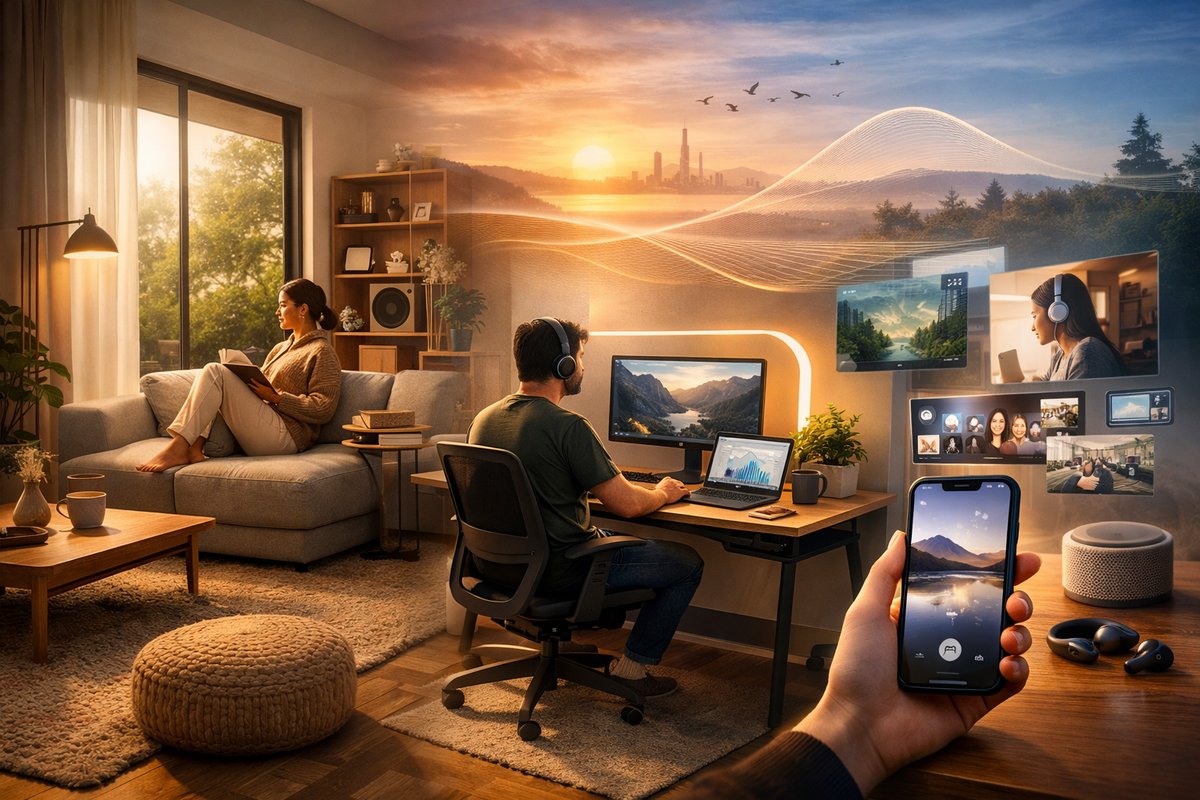
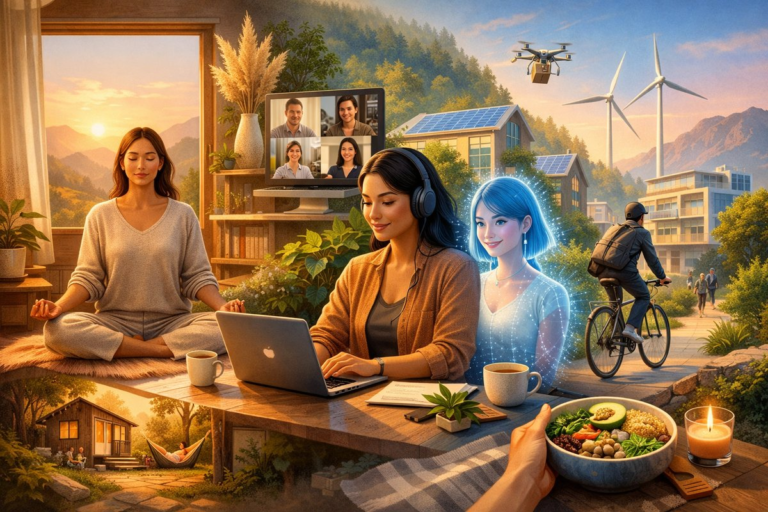
Across living rooms, workstations, and digital feeds, a quiet revolution is unfolding. From modular furniture to curated soundscapes, emerging patterns reveal shifting values around flexibility, presence, and connection. This exploration uncovers signals that hint at the shape of life just beyond the horizon.
In urban neighborhoods and rural retreats alike, an undercurrent of transformation is gathering momentum. It doesn’t announce itself with fanfare or flash; instead, it slides into our routines like a new chord in a familiar song. Whether we’re rearranging an open-plan workspace, rethinking our morning rituals, or reshaping our digital habits, these subtle movements point toward a collective yearning: to adapt, to ground, and to connect in ways that feel more intentional.
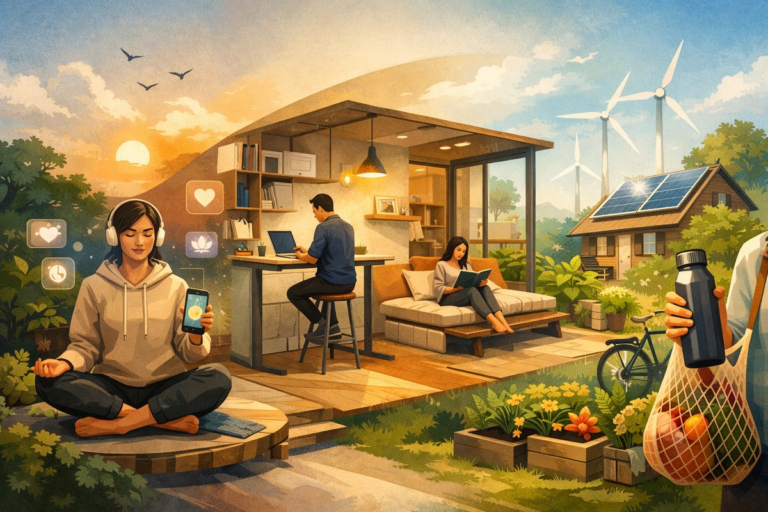
Consider the rise of modular living systems. Where once a bookcase or sofa was a static statement, today’s designs emphasize adaptability. Sections slide, snap, and stack to accommodate a shift from home office to dining room. The appeal goes beyond aesthetic minimalism. It’s about crafting spaces that evolve alongside projects, guests, or the ebb and flow of family life. As remote work blurs the boundary between professional and personal, these flexible pieces have become signals of a deeper desire: for homes that bend without breaking under the weight of modern demands.
Parallel to this furniture metamorphosis is a surge in digital curation practices that lean toward intentional absence. Many people are experimenting with “screen sabbaths”-short, scheduled breaks from social feeds and messaging apps. Instead of toggling notifications off once and forgetting about them, users now embrace micro-detox rituals that recur daily. Fifteen minutes of ambient listening, a guided breathing exercise, or a quick stretch session can puncture the endless scroll. Early adopters describe these pauses as rhythmic anchors, helping them recalibrate focus and ward off the fatigue of perpetual connectivity.
Sound design is playing a surprisingly central role in these calibration rituals. Ambient audio tracks-ranging from rain on a metal roof to subtle binaural tones-are curated with near-scientific precision. People assemble personal sound gardens that reflect their emotional needs: a spring rain loop for productivity, soft drone pulses for relaxation, and forest wind chimes for creative sprints. This trend signals more than a love affair with ASMR clips; it highlights a collective recognition that how we listen profoundly shapes what we see and do.
In the background, a muted but pervasive shift toward biophilic design has taken root. Indoor plants are no longer mere decorative accents; they serve as living air filters, humidity regulators, and informal meeting companions. Tech-enabled planters track sunlight exposure and soil moisture, delivering simple alerts when a fern needs water or a succulent seeks a sunbeam. With ecological anxieties mounting, these green bridges between our concrete dwellings and the wider world resonate as reminders that we remain part of a larger ecosystem, even when tethered to screens.
Another emerging pattern is the embrace of hybrid rituals that blend analog and digital. Bullet journaling, for instance, is no longer confined to paper notebooks. Enthusiasts merge hand-drawn calendars with digital integrations, scanning reflection pages into cloud folders and overlaying progress trackers on tablet screens. This analog-digital fusion offers the tactile satisfaction of pen on paper alongside the shareable insights of online communities. It’s a meta-commentary on how we crave both the grounding quality of physical artifacts and the connectivity potential of the internet.
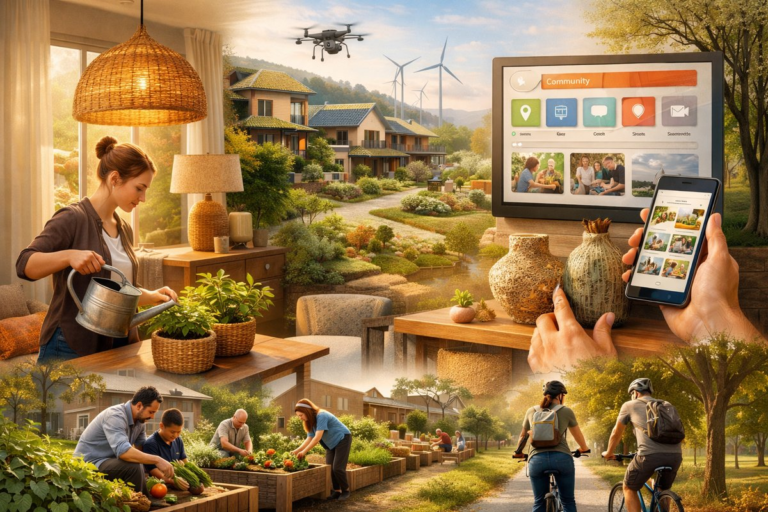
On the social front, we’re witnessing new modes of gathering that defy traditional classifications. Pop-up community kitchens appear in empty storefronts, inviting passersby to exchange recipes and stories over shared cooking stations. Open mic salons emerge in co-working lofts, hosting poetry readings that patchwork together remote and in-person audiences via live stream. These hybrid events signal a collective refusal to accept rigid definitions of “public” and “private.” Instead, they propose fluid social architectures where participation is shaped by curiosity rather than obligation.
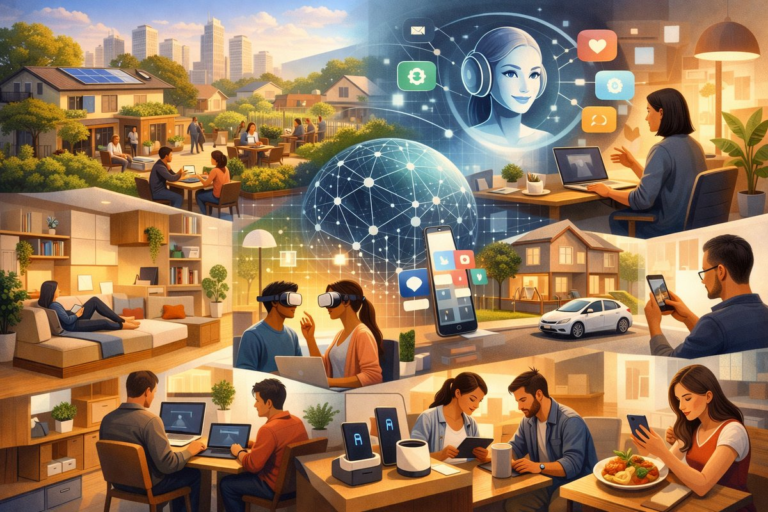
Work culture is not immune to these ripples. Task management apps are evolving to address emotional bandwidth, introducing features like mood check-ins and resilience scorecards. Far from gamification gimmicks, these tools reflect a genuine attempt to humanize productivity metrics. Employers report that teams who track sentiment alongside deliverables experience fewer burnout spikes and stronger peer support. The pattern here is clear: as work life bleeds into personal life, organizations must address whole-person well-being rather than treating employees as throughput engines.
Yet these transformations are not without tensions. Critics worry that hyper-modularity can leave people longing for permanence. Digital detox routines, once liberating, can become another checklist to guilt-ride. Biophilic tech risks reducing living organisms to data points. In response, a countertrend has emerged: mindful simplicity. Communities are swapping minimalism manifestos for slow-making practices-handcrafting ceramics, weaving small textiles, or fermenting foods at home. These low-tech engagements anchor time in hands-on rhythms, offering a counterbalance to the ephemeral nature of many high-tech solutions.
Amid these oscillations, one pattern holds steady: a collective impulse to design life in layers. We’re combining modular furnishings with plants, pairing analog journals with apps, slotting soundscapes into work sessions and social gatherings. The sum of these choices forms a mosaic of intentional living. We are no longer content with single-track lifestyles; instead, we navigate a multiplex of experiences, switching channels as needs and moods evolve.
Importantly, these signals are not the exclusive province of early adopters or design-schooled professionals. They’re detectable in city metropolises and small towns alike, surfacing in people’s kitchens, home offices, and weekend itineraries. Trend forecasters note that product lines offering quick-swap customizability or app-guided personalization see higher engagement than rigid, one-size-fits-all solutions. Meanwhile, grassroots networks sharing micro-detox techniques and urban garden hacks proliferate on community bulletin boards and social forums.
As we look ahead, the challenge will be to ensure that this flux of innovation remains inclusive and mindful. Flexibility must not become disposable. Digital sabbaths should not turn into digital stress triggers. Smart planters should cultivate empathy for nature, not just data dashboards. The emerging signals, taken together, sketch a blueprint for a more adaptive, attentive, and compassionate way of living-if we choose to translate them into practice rather than mere aesthetic trends.
In the next chapters of this unfolding story, expect to see deeper integrations of environmental data into home fabrics, AI-assisted curation of micro-moments for well-being, and novel gatherings that defy all existing typologies. The currents are shifting beneath our feet, but their direction is ours to shape. Our choices around how we furnish our spaces, calibrate our attention, and intertwine analogue with digital will determine whether these currents carry us toward greater connection or toward another cycle of fleeting hype. For now, the signal strength is strong: change is in motion, and its patterns promise to redefine what it means to live, work, and gather in the years to come.