Location
Mount Vernon, WA 98274
Location
Mount Vernon, WA 98274

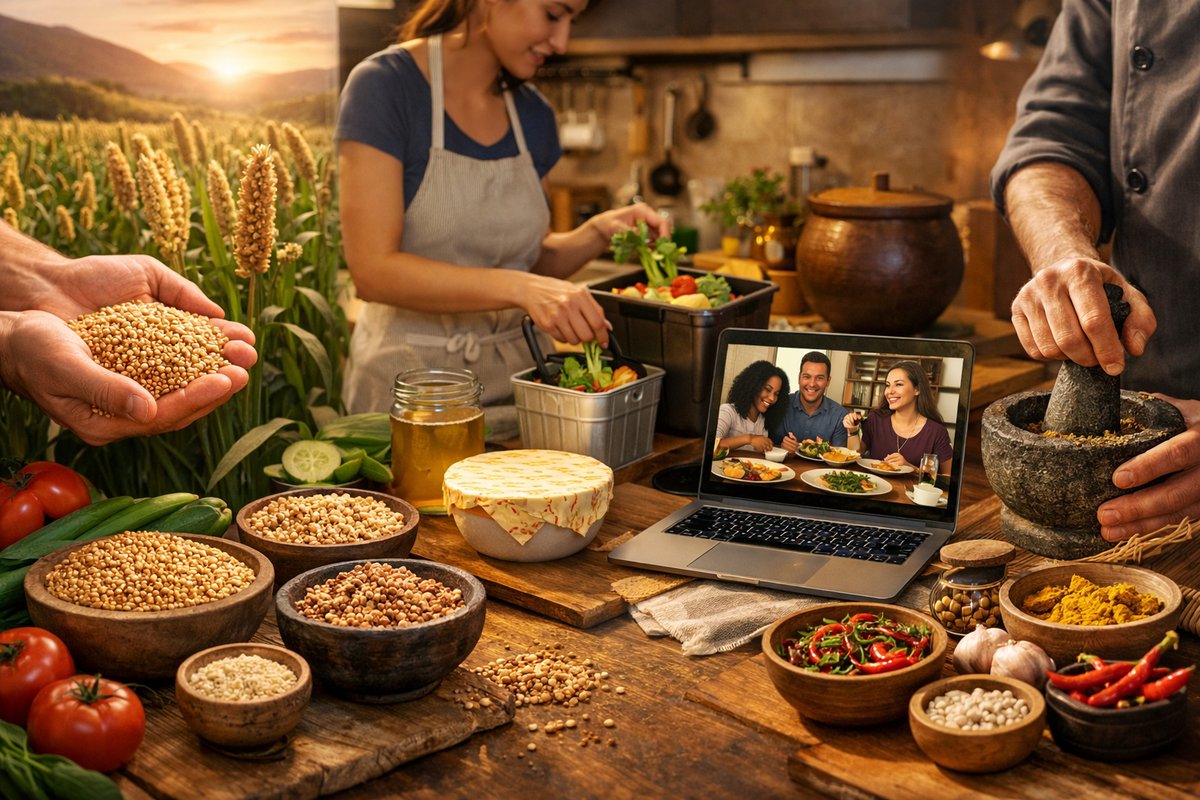
From climate-resilient grains to virtual supper clubs, today's food scene intertwines tradition, technology, and community in fresh ways. As home cooks and chefs explore ancient staples, zero-waste tools, and encrypted dining platforms, our kitchens are becoming hubs of culture, care, and environmental stewardship.
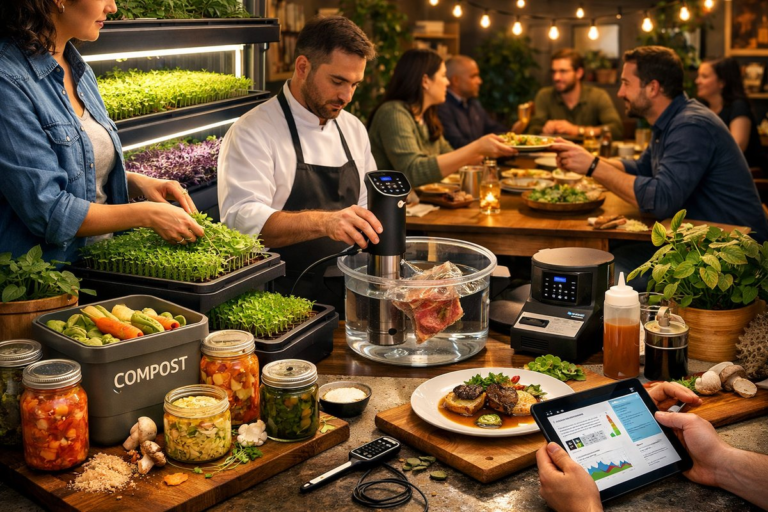
The modern kitchen is no longer just a space for cooking-it’s a stage on which culture, sustainability, privacy, and human connection perform a delicate dance. Across urban neighborhoods and rural towns alike, home cooks and professional chefs are reimagining pantry staples, experimenting with new tools, and forging digital communities that celebrate both nourishment and shared experience. What started as a response to climate uncertainty, shifting supply chains, and social isolation has blossomed into a set of culinary revolutions that promise to reshape how we gather around the table.
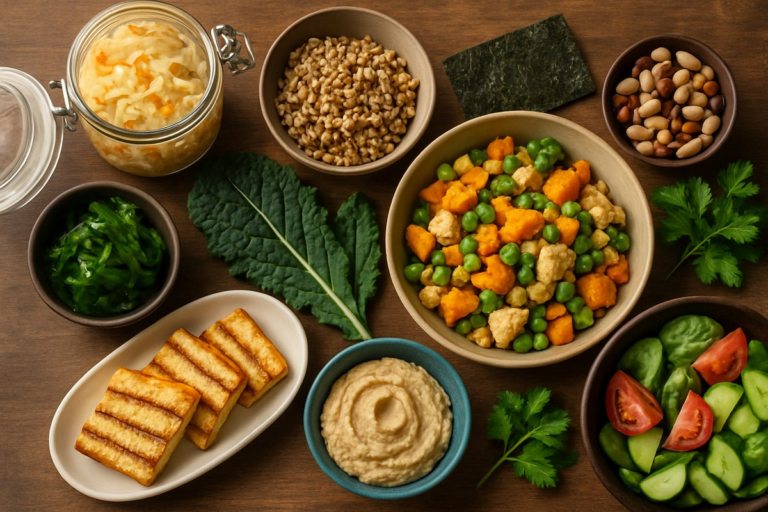
At the heart of this transformation lies a renewed interest in climate-resilient grains and legumes. Ancient varieties once relegated to the dustbin of history-fonio, teff, millet, and lupin beans-are resurfacing on menus and in home pantries. Their drought-tolerant nature and rich nutritional profiles offer a compelling alternative to water-intensive wheat and rice. Community-supported farms now offer subscription boxes filled with these heirloom staples, alongside recipes that range from spiced porridge to hearty flatbreads. Buyers appreciate that these grains often travel fewer miles from field to kitchen, reducing carbon emissions before the first pot boils.
Beyond the pantry, diaspora kitchens are emerging as vibrant sources of inspiration. Food-sharing platforms that prioritize user privacy and data protection allow home chefs to publish family recipes without fear of unwanted tracking or ads. In private groups, participants exchange tips on perfecting stuffing for festive gatherings or crafting sauces handed down through generations. By safeguarding personal details and focusing on authentic voices, these networks foster emotional intelligence-encouraging cooks to share not only ingredients but the stories of migration, resilience, and cultural adaptation behind each dish.
For many, these intimate recipe exchanges culminate in virtual supper clubs. Small cohorts of friends or neighbors meet over encrypted video calls to prepare the same menu simultaneously, guided by a host who narrates each step. A pulse-pounding soundtrack might play while shaping dumplings, or a guest might light a candle when it’s time to share gratitude. These events blend the multisensory joys of restaurant dining with the privacy assurances of end-to-end encryption. Attendees savor communal rituals-raising a glass in unison, passing silent toasts, or simply swapping stories-without ever leaving their home kitchens.
Technology inside and outside the stove also plays a starring role. Portable induction cooktops have surged in popularity because they deliver fast, precise heat and use less energy than traditional electric burners. Designed with digital controls and safety cutoffs, they’re ideal for small apartments or pop-up kitchens. Meanwhile, compact solar ovens harness sunlight to bake granola, roast vegetables, or slow-cook stews, offering a clean-energy alternative when grid power is scarce or when cooks simply want to reduce their footprint.
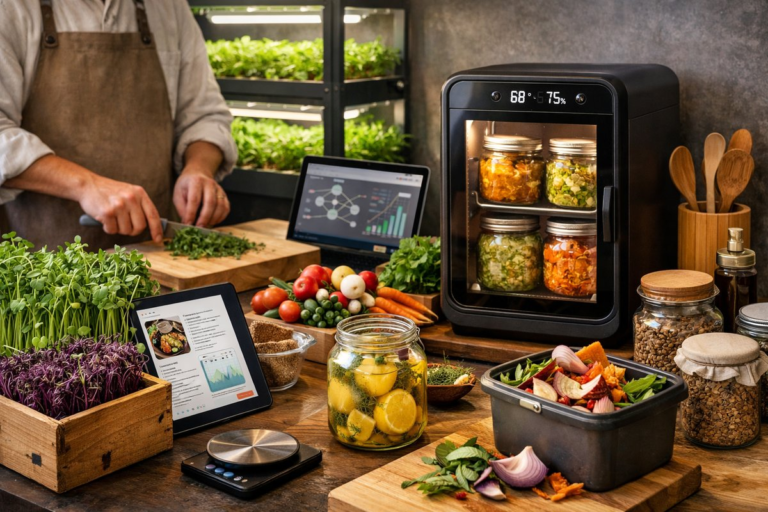
Zero-waste toolkits are joining the scene, appealing to consumers keen on cutting single-use plastics. Reusable beeswax-style wraps and silicone storage pouches replace cling film. Airtight glass jars with silicone seals keep grains fresh for months, warding off moisture and pests. Countertop compost bins with carbon filters turn peels, cores, and coffee grounds into garden-ready material, closing the loop between kitchen scraps and backyard soil.
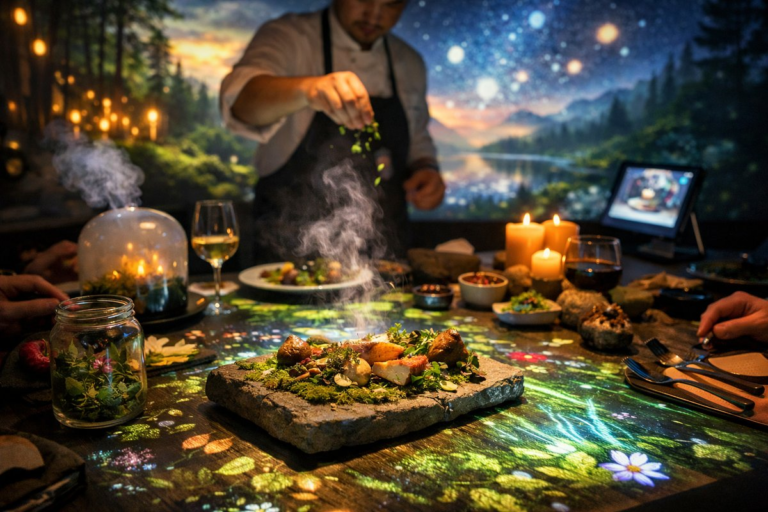
While ingredients and gadgets have evolved, the quest for richer sensory experiences has never been stronger. Some dining experiments involve curated soundscapes that change with each course-wind rustling through a wheat field during a grain salad, or soft jazz underscoring a late-night pasta. Others overlay projected visuals on dining tables to evoke markets in distant lands. These multisensory rituals draw on emotional intelligence, inviting diners to explore how taste, sight, and sound intersect in shaping memory and connection.
In many cities, communal fridges and cooperative kitchens are sprouting up near affordable housing complexes. Members pitch in to maintain shared refrigerators stocked with bulk purchases, rotating harvests from nearby community gardens or leftover bakery goods donated by local shops. These grassroots efforts reduce food waste, boost access to fresh produce, and spark impromptu pop-up meals where neighbors swap cooking tips over steaming pots.
An unexpected newcomer on the scene is edible insect protein, repackaged for palates uneasy with its origins. Cricket flour now appears in protein-boosting muffins, pancake mixes, and energy bars. Small-batch bakeries promote these products as both nutrient-dense and planet-friendly, since insect farming requires far less water and land than conventional livestock. Trial pop-ups have introduced insect-based tacos or seasoned crisps, inviting adventurers to sample sustainable bites with familiar textures and flavors.
For those eager to bring these trends home, small changes can have big impacts. Swap out a cup of rice for a mix of millet and seasoned lupin beans in your favorite grain bowl. Host a micro-supper using an induction cooktop and a curated spice kit, then settle in for a group video call with friends who follow the same recipe. Tuck reusable wraps inside pantry doors, and scout second-hand kitchen shops for glass storage jars. Even supporting a community-run fridge or neighborhood cooking cooperative fosters connection and reduces waste.
Looking ahead, expect the boundary between farm, lab, and table to blur further. Pilot projects are exploring algae farms in shipping containers, while small-scale mycelium production promises protein-rich mushroom steaks without the need for deforestation or intensive feed. As refrigeration technology improves and energy grids modernize, remote communities may rely on hydrogen-powered generators or micro-grids, powering everything from solar ovens to automated fermentation chambers.
Amid these rapid changes, one constant remains: the human impulse to gather around shared nourishment. Whether in sun-lit fields harvesting millet by hand, or across fiber-optic links in digital supper clubs, our kitchens reflect collective values of care, curiosity, and stewardship. By embracing resilient grains, zero-waste kits, privacy-first platforms, and sensory rituals, today’s cooks are forging food systems that nurture both people and planet. And as these trends mature, the simple act of breaking bread-however it’s prepared-will continue to unite us in purpose and possibility.