Location
Mount Vernon, WA 98274
Location
Mount Vernon, WA 98274

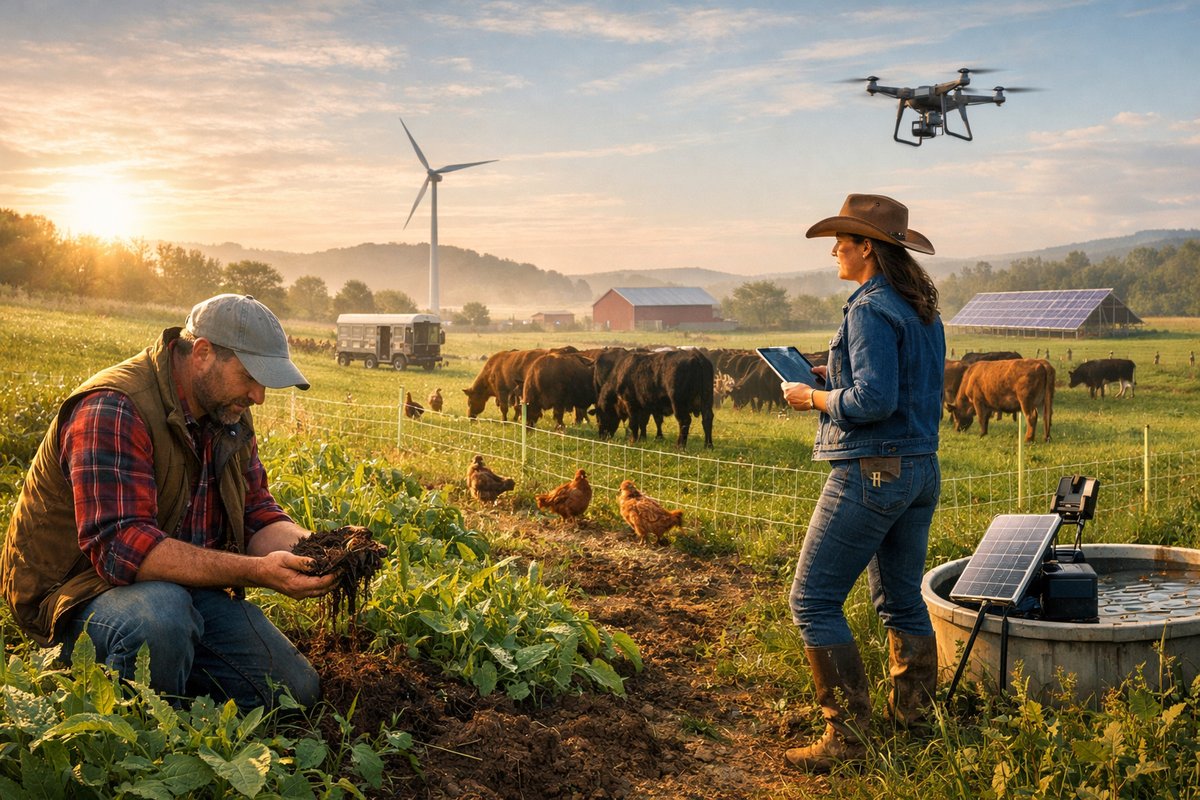
Farmers and ranchers are pioneering a shift toward practices that nurture the land, promote animal well-being, and harness modern tools to build resilient rural enterprises. This article traces the journey from soil health to advanced pasture management, revealing how ingenuity and tradition merge in the new era of sustainable agriculture.
In rolling fields and sunlit pastures, a quiet revolution is taking shape. Across diverse landscapes, from smallholder plots to expansive ranches, farmers are reimagining their relationship with the land and the animals they steward. This movement goes beyond organic labels and embraces a systems-based approach: soil conservation, water efficiency, animal welfare, and low-impact energy sources all converge to form resilient, regenerative ecosystems. The goals are clear-build soil fertility, optimize resource use, improve animal health, and secure livelihoods amid a changing climate. What follows is a journey through pioneering practices and emerging technologies that bring theory into practice on today’s rural frontline.
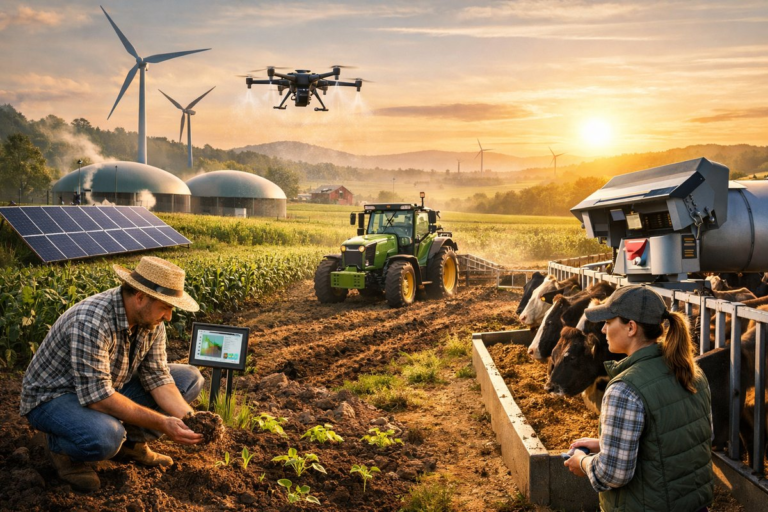
Healthy soil is the cornerstone of sustainable farming. Rather than relying solely on synthetic inputs, innovative growers are turning to cover crops, compost amendments, and targeted microbial inoculants. Winter rye, clover, and vetch planted between cash crops prevent erosion, capture atmospheric nitrogen, and break disease cycles. On many farms, compost tumblers produce nutrient-rich material from crop residues and animal manures, reducing waste and feeding the soil. Meanwhile, soil moisture sensor kits provide real-time data on hydration levels, guiding irrigation decisions down to the specific field or bed. These combined strategies restore organic matter and foster diverse soil food webs, ensuring each seedling roots into a living matrix teeming with beneficial organisms.
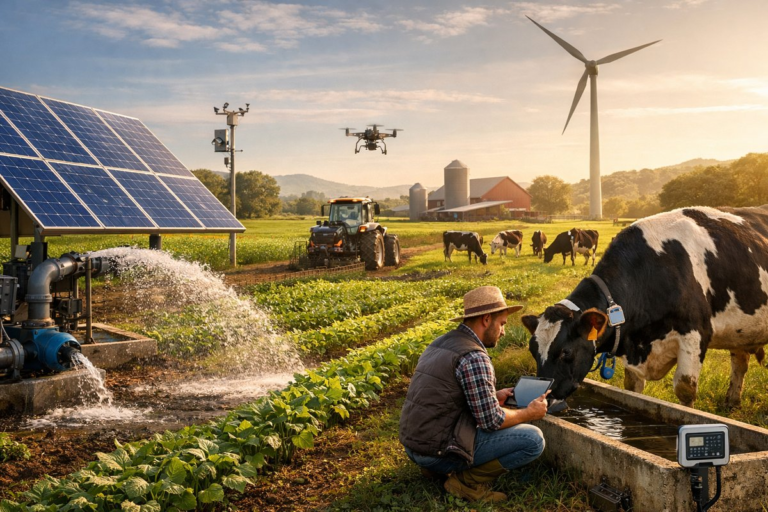
Water management sits at the heart of sustainable land stewardship. Rainwater harvesting systems capture roof runoff into buried cisterns, supplying water for irrigation during dry spells. Sump pumps powered by photovoltaic panels draw from shallow wells or ponds to fill livestock troughs, eliminating the need for grid power and cutting utility bills. On gently rolling terrain, contour swales slow runoff and promote infiltration, recharging groundwater and curbing downstream flooding. This mosaic of techniques gives farmers flexibility, so they can irrigate precisely when and where crops and pastures need moisture most, without draining aquifers or disrupting natural flow patterns.
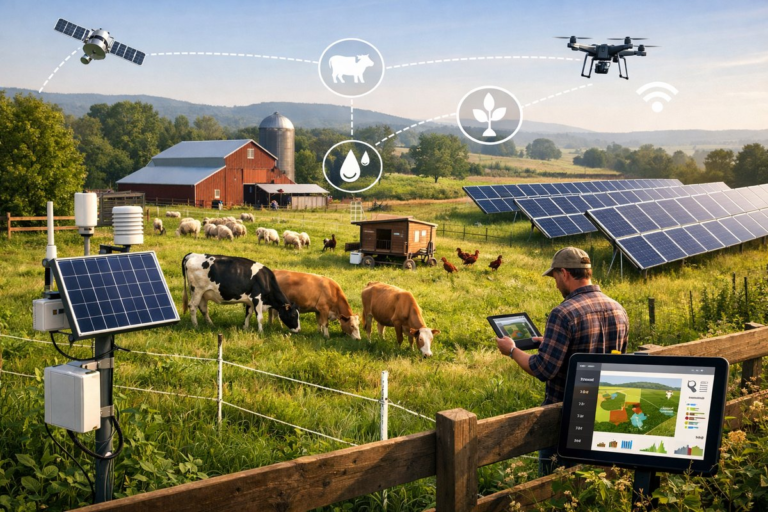
Animal care has also taken center stage in the new paradigm. Rotational grazing-moving herds through a series of fenced paddocks-mimics the migratory patterns of wild herbivores and prevents over-grazing. After each grazing event, pastures recover, root systems deepen, and soil organic matter builds. Portable, lightweight fence energizers and polywire fencing kits make the process both affordable and efficient, enabling ranchers to subdivide pastures on the fly. Combined with mobile livestock shelters that can shift alongside the herd, these systems reduce parasite pressure, boost forage quality, and promote animal well-being. Veterinarians and extension specialists encourage regular body condition scoring, natural hoof care techniques, and herbal supplements to further reduce reliance on antibiotics and chemical treatments.
Precision agriculture has leapt from large scale grain farms into mixed-species operations. Drones equipped with multispectral cameras survey fields, revealing early signs of nutrient deficiency, pest infestation, or moisture stress. Farmers map these hotspots and apply fertilizer, biocontrol agents, or irrigation exactly where needed. GPS-guided tractors and autonomous cultivators handle soil tillage and mechanical weeding along precise transects, cutting labor costs and minimizing soil disturbance. Data analytics platforms integrate yield monitors, weather forecasts, and input records, giving producers a dashboard for strategic decision-making. The result is a tighter feedback loop between observation and action, translating into healthier crops and more consistent yields.
Energy consumption is evolving too. Solar arrays on barn roofs and along fence lines generate power for pumps, lights, and remote sensors. In windy regions, small-scale turbines complement these panels, creating microgrids that keep equipment running even behind the electric meter. Biogas digesters convert livestock manure into methane, which fuels generators or furnaces for heating water and greenhouses. Surplus electricity can be sold back to the grid under net metering agreements. By weaving renewable energy into everyday operations, farms shrink their carbon footprints and build long-term resilience against rising energy costs.
Innovation isn’t confined to fields or barns; it also extends to community networks. Farmers’ cooperatives pool resources for processing, storage, and marketing, strengthening their bargaining power against larger buyers. Shared equipment libraries offer access to high-cost machinery-tractors, seed drills, or forage harvesters-without each operation bearing the full purchase price. Peer-to-peer workshops and online forums facilitate knowledge exchange on everything from cover crop mixes to cheese-making. This collaborative spirit amplifies individual practice improvements across entire regions, reinforcing the idea that sustainable agriculture thrives on collective effort.
Economic viability remains a top concern. Direct-to-consumer channels-farmers markets, CSA (community-supported agriculture) programs, on-farm stores-allow producers to capture retail margins and develop deeper connections with customers. Restaurants seeking hyper-local produce and pasture-raised meats create premium markets for farms that demonstrate high welfare standards and environmental stewardship. Some operations partner with regional food hubs or natural grocers, meeting demand for traceable, ethically produced foods. Grants and cost-share programs from government and nonprofit sources help offset initial investments in fencing, renewable energy, or mobile shelters. By aligning values, price premiums, and policy incentives, farmers can turn sustainable practices into sustainable businesses.
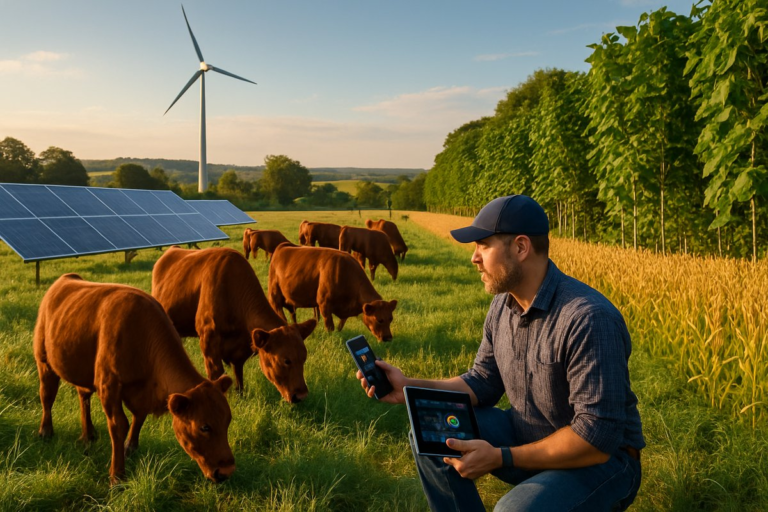
As climate patterns shift, adaptability becomes crucial. Agroforestry practices-planting windbreaks, alley cropping fruit or nut trees among annual rows-buffer fields against extreme weather, provide habitat for beneficial wildlife, and diversify income streams. Polyculture plantings mix vegetables, grains, and legumes in the same area, making the system more resilient to pests and weather swings than monocultures. In pastoral settings, drought-tolerant forage varieties and drought-adapted cattle breeds help operations ride out dry years. Strategic water storage, contingency feed planning, and progressive herd reduction protocols round out emergency preparedness measures.
Animal genetics are also part of the equation. Breeder programs emphasize dual-purpose or heritage breeds known for hardiness, maternal traits, and forage conversion efficiency. These animals often thrive with minimal supplemental feed and resist local parasites more effectively than high-yield industrial lineages. Breed diversity safeguards against disease outbreaks and market shocks, giving farmers a genetic toolbox to match animals with unique pasture conditions and management styles. Meanwhile, on-farm recordkeeping apps track lineage data, health treatments, and production metrics, informing breeding decisions that help perpetuate desirable traits.
Back on the soil, regenerative principles inspire whole-farm designs that close nutrient loops. Crop residues feed livestock; manure nourishes fields; cover crops sequester carbon, suppress weeds, and fix nitrogen. Integrating ponds stocked with fish or shellfish adds a final layer, turning open spaces into multifunctional landscapes that produce food, restore habitat, and protect water quality. Students from nearby universities often partner with host farms on research plots, testing new cover-crop species or microbial inoculants. This living laboratory approach accelerates innovation and trains the next generation of stewards to look beyond simple yield maximization toward ecological harmony.
It’s a story of hope grounded in practical action. From compost piles to solar panels, data dashboards to mobile paddocks, each innovation amplifies the impact of the next. Farms once threatened by erosion and market volatility are now forging paths to regeneration and profitability. Livestock flourish on chemical-free pastures, soils bristle with life, and communities rally around shared harvests. The challenges are real-initial investment costs, climate extremes, and shifting policy landscapes-but the collective will to heal land and nurture animals has never been stronger.
Looking ahead, technologies such as blockchain-enabled traceability and AI-driven climate forecasting promise further leaps in transparency and efficiency. But even as digital systems evolve, the human dimension remains central: farmers tending living ecosystems, making daily judgments based on feel, observation, and care. In that blend of tradition and innovation lies the heart of sustainable agriculture. By prioritizing soil health, animal welfare, resource conservation, and community resilience, today’s pioneers are cultivating a future where farms feed people, restore the planet, and inspire the next generation to keep that cycle turning.
Whether you walk fields with a soil probe in hand, gather eggs from pasture-raised hens, or track herd movements on a smartphone app, sustainable farming and livestock care unite us under a shared mission: to leave the land better than we found it. With each rotational graze, cover crop seed, and solar-powered pump, we build a legacy of stewardship and abundance. This journey from soil to sustainability is far from over, but its milestones already point toward healthier ecosystems, robust rural economies, and communities rooted in purpose and possibility.