Location
Mount Vernon, WA 98274
Location
Mount Vernon, WA 98274

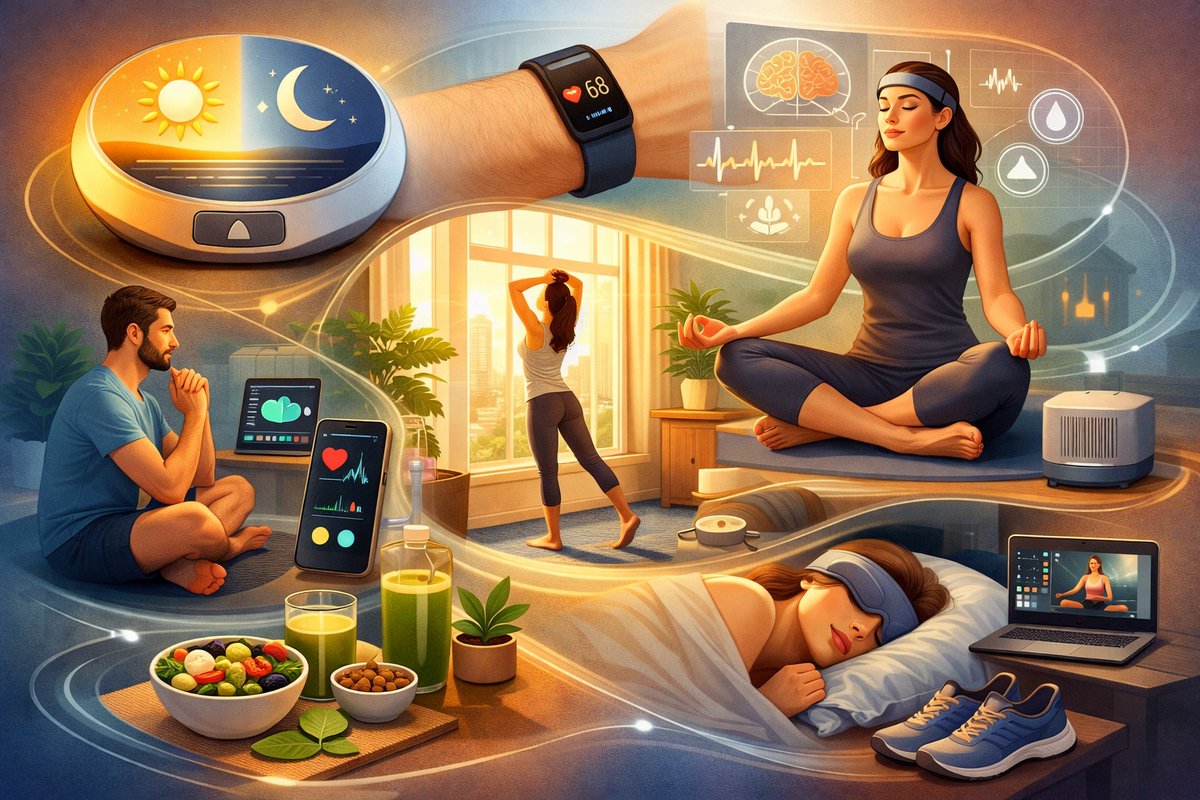
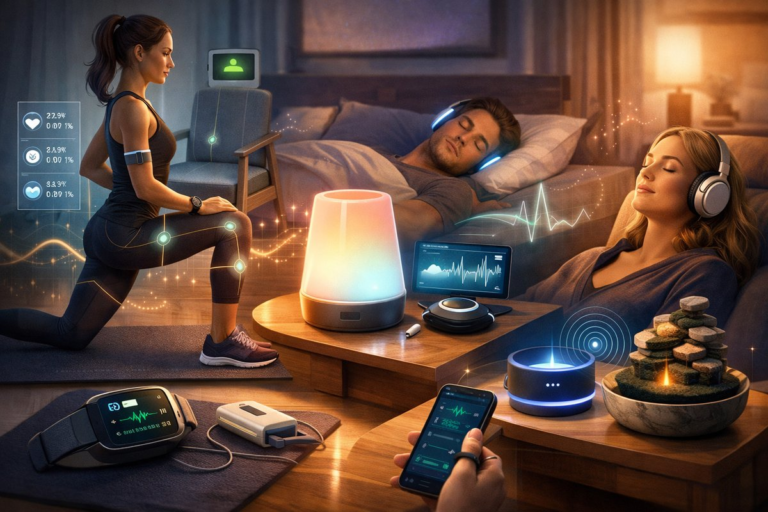
Wellness is evolving beyond isolated trends into an interconnected foundation supporting body and mind. From circadian lighting to biofeedback wearables, new tools are empowering personalized routines that cultivate vitality, quality sleep, movement breaks, and emotional resilience.
Wellness isn’t a luxury or a fad-it’s the bedrock of everyday life. Recent shifts in technology and evidence-based practices have sparked a rethinking of how we support our bodies and minds. Rather than chasing the latest single-purpose gadget, curious readers and lifelong learners are discovering integrated ecosystems of tools that can be tailored to individual needs. This emerging approach weaves together vitality, sleep, movement, and emotional clarity into a unified journey, powered by both high-tech innovation and low-tech rituals.
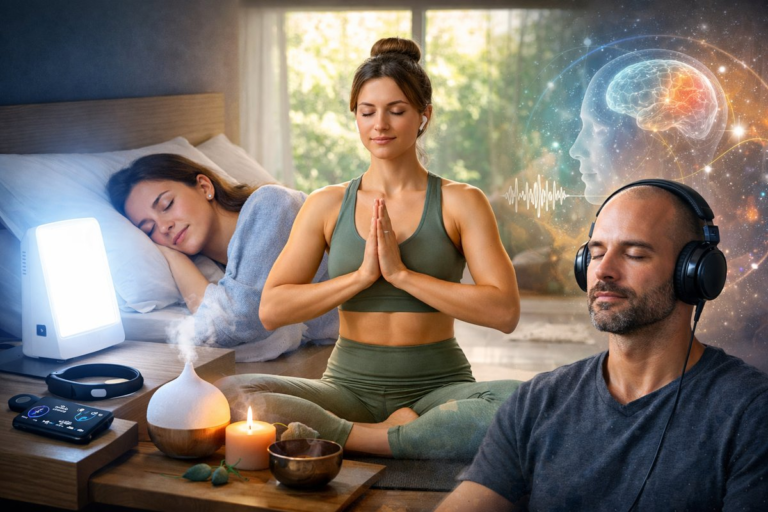
At the heart of this landscape is the recognition that no single metric captures well-being. Vitality extends beyond daily step counts, while sleep quality depends on more than hours spent in bed. Movement flows from intentional gestures as much as from formal workouts, and emotional clarity arises from ongoing micro-practices rather than occasional retreats. By assembling personalized toolkits-combining environmental design, wearable insights, and mindful protocols-people are charting new pathways toward sustainable health.
Sleep science has surged to center stage as research uncovers its role in immunity, cognition, and emotional regulation. According to the National Sleep Foundation, more than one in three adults report suboptimal rest, a factor contributing to chronic fatigue and mood disturbances. Innovations such as circadian lighting systems mimic natural dawn and dusk patterns, guiding the body’s melatonin cycle. Paired with noise-masking sound machines and adjustable pillows designed for neck support, these environmental tweaks foster deeper, more restorative slumber. Meanwhile, advanced analytics from noninvasive sleep monitors translate nighttime movements into actionable insights, revealing patterns that guide behavioral adjustments.
Movement, once confined to gym sessions, is being reframed as a fluid, anytime practice. The rise of micro-movement strategies encourages short bursts of dynamic stretches or resistance-band exercises woven into daily routines. Employers are piloting adjustable desks equipped with foot-pedal systems that promote gentle leg motion during meetings, and wellness coaches emphasize better posture through compact ergonomic supports. Recovery tools such as foam rollers and handheld percussion devices help ease muscle tension, making restorative breaks an integral part of office life and home practice alike.
Emotional clarity is neither achieved solely through weekend retreats nor by scrolling through endless guided meditations. Today’s hybrid approach combines digital biofeedback with analog rituals. Portable breath-trainers guide inhale-exhale cycles using tactile or light cues, helping regulate stress responses in real time. Audio-based mindfulness programs-delivered via earbuds or ambient speakers-teach micro-meditation techniques that can be slipped into waiting-room moments or between tasks. Even analog tools, like simple mindful coloring kits or journaling prompts, remain powerful allies in cultivating self-awareness and emotional equilibrium.
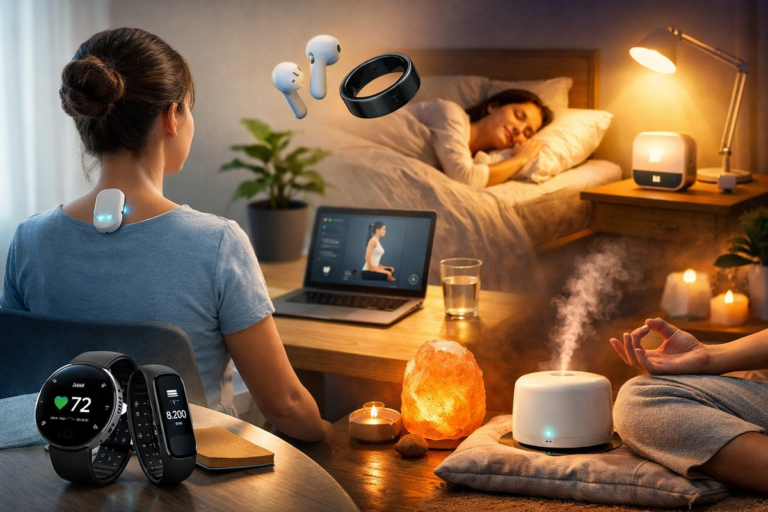
The connective thread among these domains is data-informed personalization. Wearable heart-rate variability (HRV) monitors, for example, have become accessible through chest straps or wristbands. By translating subtle fluctuations in heart rhythms into stress and recovery scores, they empower users to adjust workload, breathing practices, or sleep habits before burnout sets in. When integrated into smartphone dashboards or privacy-first cloud platforms, such data supports tailored recommendations-whether it’s delaying caffeine intake by an hour or adding a five-minute breathing pause after lunch.
Today’s wellness seekers also demand sustainability and data privacy. Open-source device firmware and offline modes are gaining traction, allowing users to own their biometric records. Materials used in upholstery, activity sensors, and even meditation cushions are increasingly recycled or plant-based. This shift underscores a broader value-driven trend: tools that respect both individual autonomy and planetary health.
Consider an urban professional juggling remote meetings, childcare, and creative pursuits. By installing a programmable light panel at their desk, they simulate natural sunlight peaks around mid-morning to boost alertness. A wearable HRV monitor alerts them when stress metrics spike, prompting a two-minute guided breathing session via earbuds. In the late afternoon, micro-movements with a resistance band restore circulation, while a weighted blanket and noise-masking sound machine set the stage for deep sleep. Over time, data collected from each tool reveals personalized patterns-informing gradual habit shifts that yield measurable improvements in mood, energy, and focus.
Experts in behavioral science explain that such modular ecosystems outperform single-focus interventions. “When tools communicate and adapt, they reinforce one another,” says a lead researcher at a major university’s integrative health lab. “A sleep tracker that flags late-night restlessness can trigger a recommendation for a brief afternoon walk, which in turn improves nighttime melatonin production.” This kind of synergy, grounded in peer-reviewed findings and real-world pilots, is fueling a wave of innovation across startups and established wellness brands.
Accessibility remains a guiding principle. Entry-level options-like basic light bulbs that shift hue based on time of day or simple guided-breathing apps-provide an affordable first step. Mid-tier solutions, including plug-and-play desktop devices for posture support or small environmental sensors, cater to those ready for deeper insights. Premium ecosystems integrate multiple modules, often with professional coaching or community platforms that provide accountability.
Looking ahead, artificial-intelligence-driven wellness coaches promise to knit these disparate tools into cohesive digital twins. Imagine a virtual companion that tracks biometric and behavioral inputs, then delivers contextual micro-interventions: a quick posture alignment cue before a long video call, a gentle vibration to trigger a breathing break, or a dynamic lighting shift to ease you into wind-down mode. While fully realized AI companions remain on the horizon, early pilots are already demonstrating improved adherence and sustained behavioral change.
For those eager to get started, the path is simple: identify one domain-sleep, movement, emotional clarity, or vitality-and experiment with a single tool. Measure its impact for a week, then layer on another. Embrace curiosity, tune into your body’s feedback, and iterate. Progress rarely happens overnight, but through consistent micro-adjustments, you can construct a personalized wellness foundation that stands the test of time.
Wellness is a journey, not a checklist. As integrated tools become more intuitive and interconnected, the promise of a balanced life-where body and mind thrive in tandem-inches closer to reality. By blending evidence-based practices with emerging technologies, today’s wellness explorers have unprecedented opportunities to shape their own well-being narratives-one small ritual at a time.