Location
Mount Vernon, WA 98274
Location
Mount Vernon, WA 98274

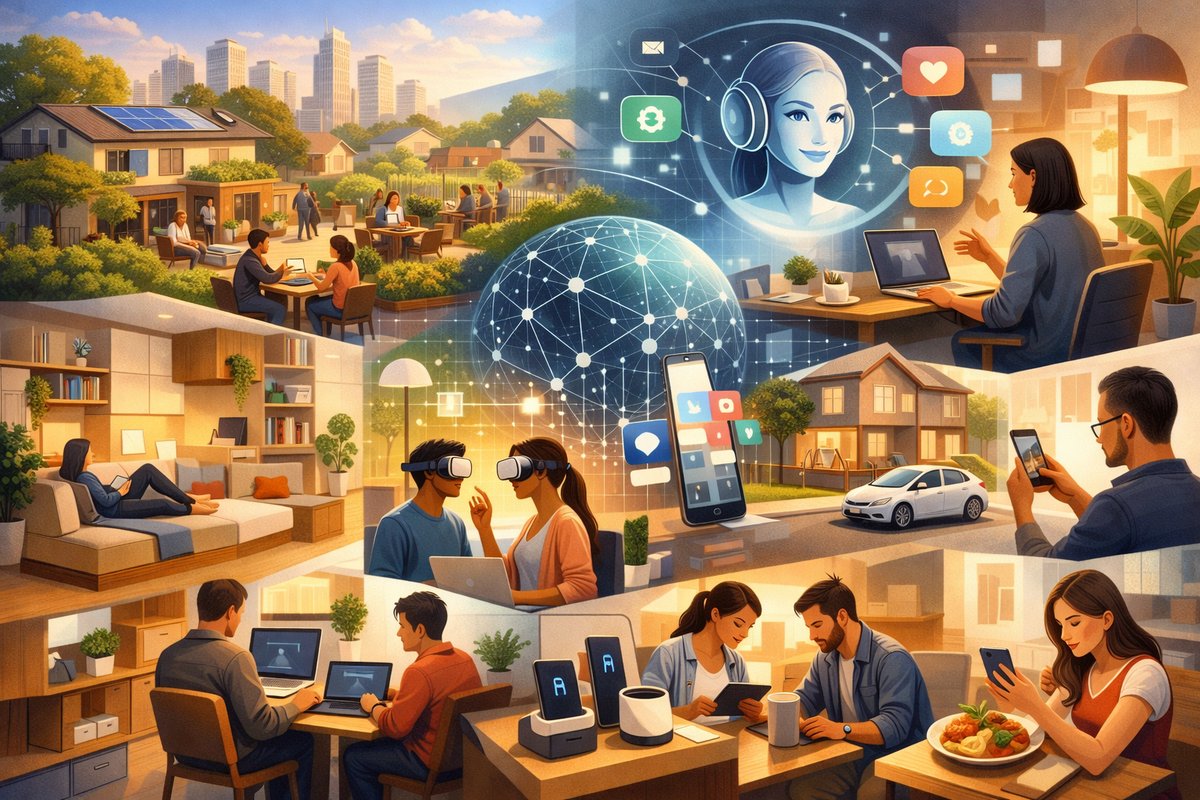
A growing wave of subtle shifts across neighborhoods, digital habits, and product design is remapping the way we live, work, and connect. From micro-communities centered on shared values to modular minimalism and empathetic AI, these signals of change offer a glimpse of everyday patterns taking shape beneath the surface.
In recent months, observers across urban centers, suburban enclaves, and online forums have noticed a series of interconnected shifts quietly gathering steam. These aren’t headline-grabbing revolutions, but rather slow currents forging new norms in how people collaborate, consume, and craft their living spaces. As hybrid work models solidify, environmental concerns deepen, and technology inches toward more intuitive interfaces, five distinct patterns have emerged-each carrying the potential to reshape daily life and design in profound ways.
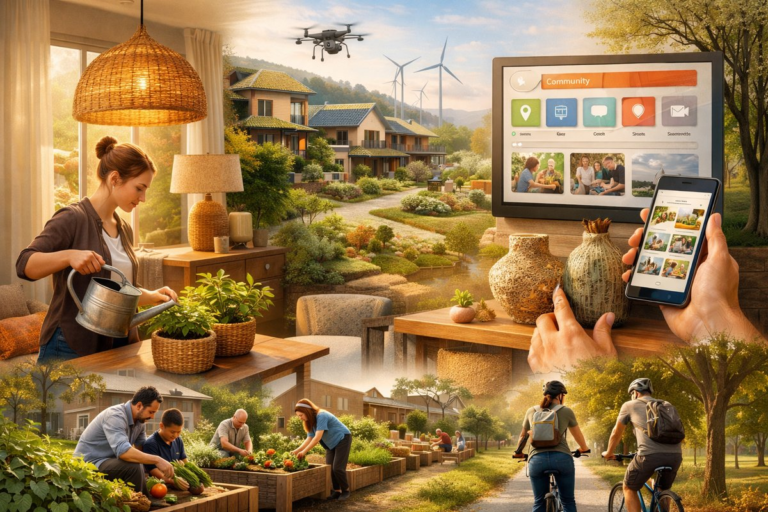
Around the globe, residents are reclaiming public and semi-public spaces to cultivate deeper bonds at a hyperlocal level. In several mid-sized cities, vacant storefronts have been transformed into collaborative workshops, co-learning centers, and seed libraries. These “neighborhood hubs” function as organic gathering places where people swap tools, hold skill-share pop-ups, and co-design small infrastructure improvements-everything from community compost bins to guerrilla greenwalls along vacant lots.
Unlike traditional co-working spaces that target remote professionals, these micro-communities welcome neighbors of all ages, skill levels, and backgrounds. A parent dropping off children at a free coding workshop might chat with a retiree teaching upcycled furniture techniques. This cross-pollination of ideas is driven by a shared commitment to local resilience and sustainability. Neighborhood hubs also serve as testing grounds for modular furniture solutions and plug-and-play sensor kits that track air quality or energy consumption, giving everyday spaces an experimental, adaptable quality.
As material shortages and extreme weather events capture headlines, designers and consumers are turning toward aesthetics that emphasize renewability, circularity, and biophilic principles. Instead of high-gloss plastics or complex multi-component electronics, we’re seeing a resurgence of products crafted from reclaimed woods, natural fibers, mushroom-based foams, and easily separable components. A recent design fair showcased a series of stackable shelving units made entirely from upcycled cardboard tubes and water-based adhesives-durable enough for everyday use, yet fully compostable at end of life.
In architecture, small-scale “pocket greenhouses” have gained traction as add-on modules for balconies or backyards, enabling year-round gardening without extensive retrofitting. These kits typically include low-impact glazing panels, collapsible steel frames, and hydroponic beds that reduce water use by up to 80 percent compared to soil methods. By integrating living systems into built environments, designers aim to foster a constant feedback loop between inhabitants and the natural world.
While smartphone addiction and endless scroll have been concerns for years, a new class of digital well-being services is emerging with a twist: they’re orchestrated by remote facilitators in real time. Rather than simply installing an app that blocks notifications, users sign up for guided sessions led by trained moderators who lead participants through analog activities. One platform offers 90-minute “unplug pods,” where strangers meet in quiet soundproof rooms to sketch by hand, practice mindful breathing, and journal alongside soft instrumental music. At session’s end, participants reflect on how it felt to spend structured time free from screens.
Companies in the hospitality sector are also experimenting with “screen-free tables” at cafés and co-living spaces. When guests sit down, they lock away their devices in a small secure locker built into the furniture. In return, they receive a tactile kit-sketchpads, conversation prompts printed on seed-paper cards, and locally sourced herbal tea blends. Initial surveys indicate that participants report deeper social connection and a 40 percent reduction in perceived daily stress after just two sessions.
As more households juggle workstations, gym corners, and study zones under one roof, the demand for furniture and fixtures that can be reconfigured on the fly has skyrocketed. Popular modular systems now emphasize tool-free assembly, lightweight panels, and universal connectors that snap together either vertically or horizontally. A single cube module can transform from a storage bin to a side table, then slide onto a rail to become part of a media console-all within minutes.
This trend also extends to textiles and room dividers. Makers are offering magnetic fabric panels and acoustic felt screens that hang from ceiling tracks, allowing a studio apartment to morph into distinct functional zones by day and collapse into a private bedroom by night. The philosophy driving modular minimalism isn’t just about saving space-it’s about designing for uncertainty so that living environments remain adaptable as needs shift.
Artificial intelligence continues to evolve beyond algorithmic recommendations and data analytics into realms that prioritize emotional resonance. A wave of chat interfaces integrated into wellness apps now uses natural-language models to guide users through mood journaling, cognitive reframing exercises, and self-compassion prompts. Feedback isn’t limited to text-some services leverage voice-synthesis engines with nuanced emotional inflections to foster a sense of genuine presence.
In customer service, pilot programs are training conversational agents to recognize subtle cues in phrasing that indicate stress or confusion. When certain thresholds are met, the system seamlessly routes the user to a human agent or an on-demand coaching session. Advocates say that this hybrid approach reduces frustration and keeps the spark of human connection alive within automated workflows.
Taken together, these five patterns signal a shift toward intentional living, where tools and spaces serve not just functional needs but also emotional well-being, environmental stewardship, and community cohesion. They reveal an underlying desire for balance-between digital and analog, individual and collective, permanence and flexibility. By paying attention to these undercurrents, designers, entrepreneurs, and everyday citizens can collaborate on building systems and products that resonate with deeper values and stand the test of changing times.
As these signals of change ripple outward, they invite all of us to reflect on our daily rituals, the materials we surround ourselves with, and the conversations we choose to have. Whether you’re shaping the next-generation urban plaza or simply rethinking your home office, these emerging patterns offer a compass for navigating an ever-evolving world.