Location
Mount Vernon, WA 98274
Location
Mount Vernon, WA 98274

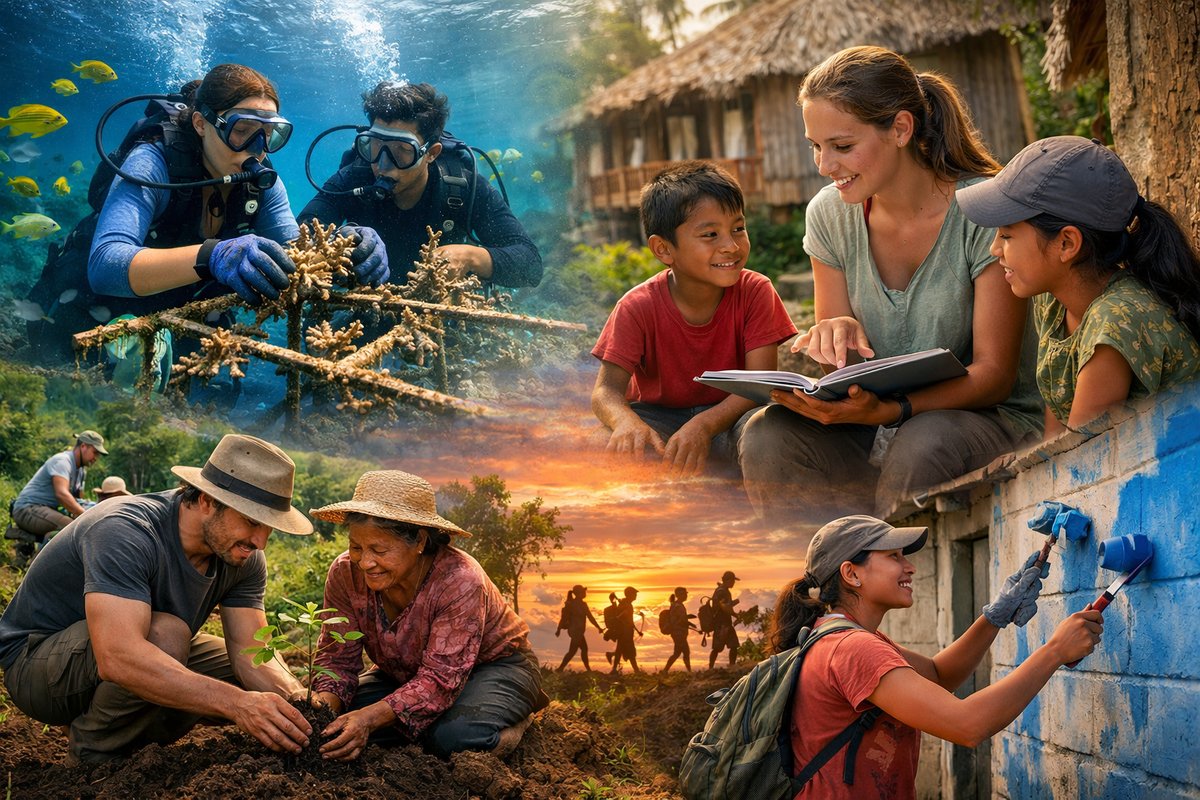
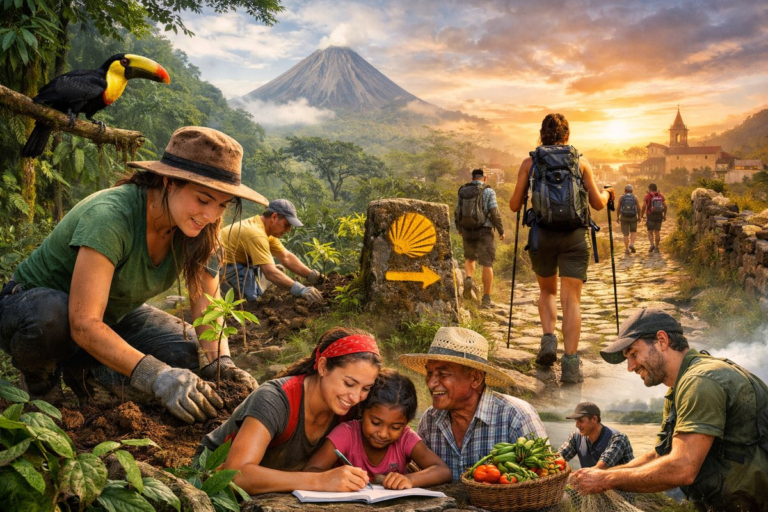
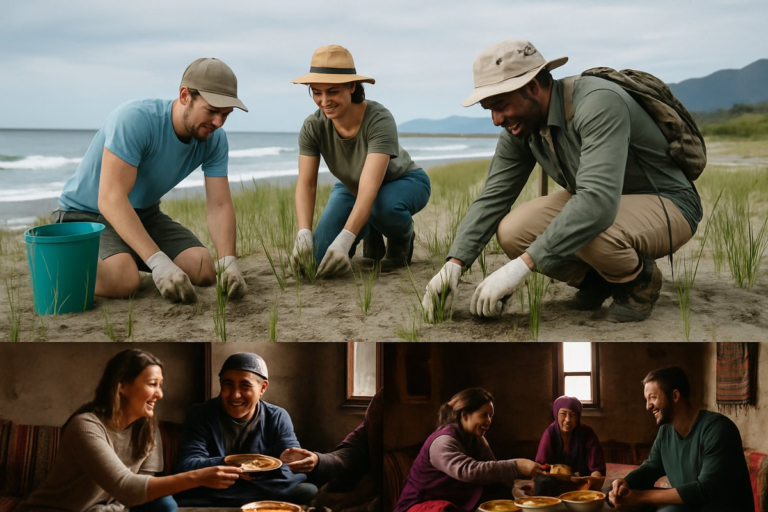
An emerging wave of travelers is trading postcard snapshots for hands-on involvement, seeking to leave a positive mark on the places they visit. From coral restoration efforts to community language programs, Purpose-Driven Travel is reshaping expectations and revealing how authentic engagement can turn a trip into a lasting story.
Travel has always promised escape and self-discovery, but a growing contingent of adventurers is demanding more than scenic vistas and luxury resorts. Recent data from a leading travel survey shows that over half of explorers under 35 now prioritize trips that deliver real-world impact-whether that means volunteering with a conservation project, supporting local artisans, or immersing themselves in cultural preservation efforts.
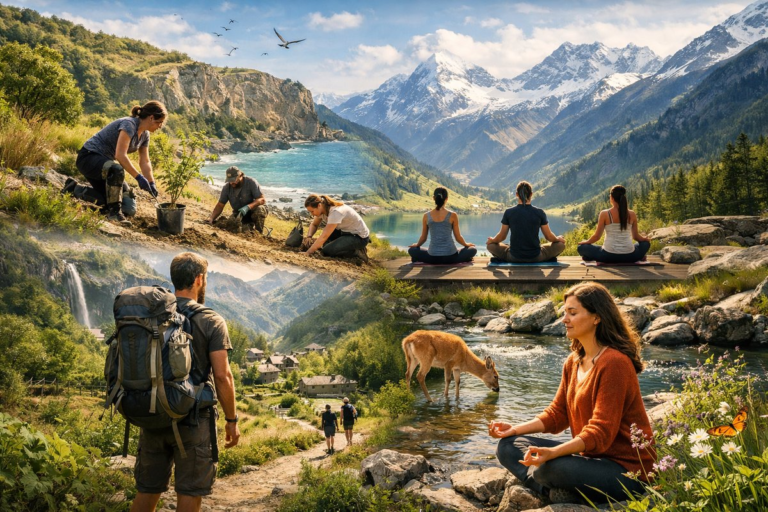
In the mountain villages of Nepal, a small group of volunteers swapped trekking poles for shovels, helping to rebuild ancient trails washed out by monsoon floods. Their days began before sunrise, carrying bags of gravel uphill, then paused for midday tea ceremonies at wooden teahouses tucked between rhododendron forests. Far from a simple hike, the journey became a collaboration with local sherpa communities, who passed down centuries of trail-building techniques. By the time the monsoon season arrived again, those pathways were stronger-and dozens of villages had restored lifelines to markets and schools.
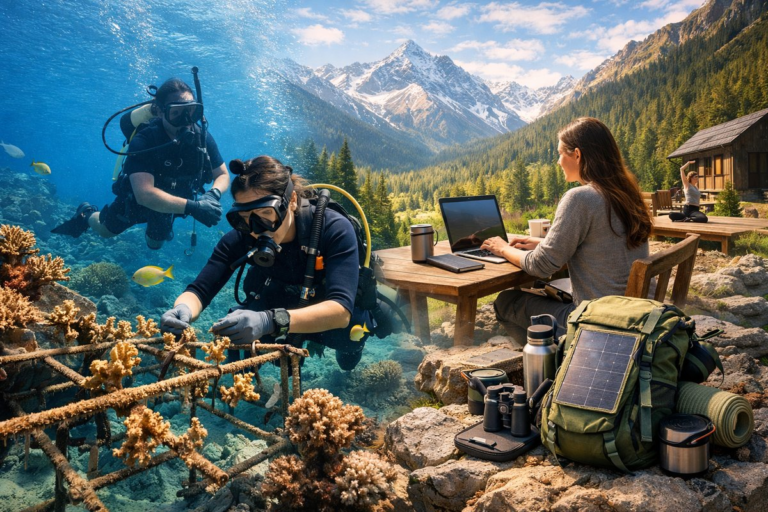
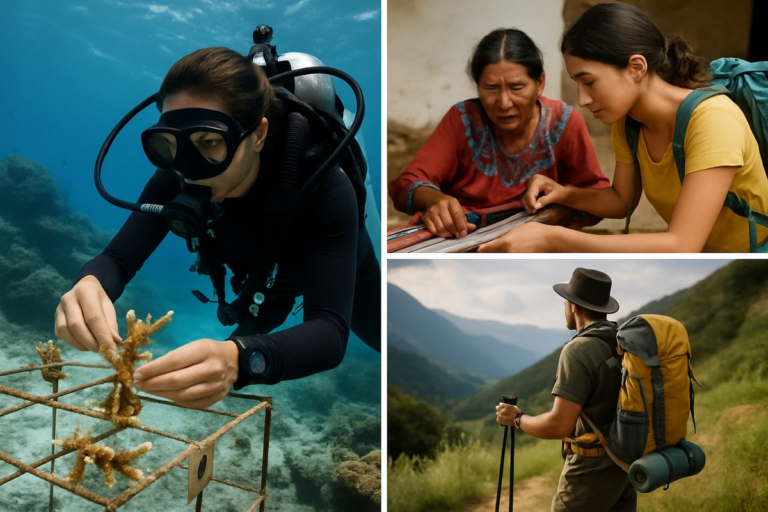
Halfway across the globe, on the reefs of Costa Rica’s Pacific coast, marine biologists opened their research station to citizen scientists hoping to play a hands-on role in coral restoration. Volunteers learned to graft live coral fragments onto artificial structures anchored in clear lagoon waters. Each afternoon, after snorkeling lessons and safety briefings, they swam out to inspect growth rates, remove storm debris, and document changes in fish populations. For many, this was their first close-up look at the delicate balance of reef ecosystems-and a powerful reminder of the stakes involved in climate resilience efforts.
Closer to home, in urban Centers from Berlin to Buenos Aires, language exchange pop-ups are linking travelers with local seniors eager to practice a new tongue. Over cups of strong coffee and plates of homemade pastries, participants discover that conversation can be a form of community service. Tourists get an authentic window into daily life, while hosts sharpen conversational skills and forge unlikely friendships across generational divides. These exchanges often spark follow-up visits: cooking demos in exchange for frozen yogurt lessons, or jazz improvisation sessions traded for tango steps.
Storytellers on the road are also adopting new tools to capture and share their experiences. Backpack writers haul lightweight laptops and digital recorders into remote forests, then compile multimedia diaries to share with global audiences. Their blogs and vlogs weave together environmental data, oral histories collected from elders, and high-resolution images of endangered species. Readers from around the world can follow along, learn local conservation strategies, and even donate to field research in real time.
A key theme uniting these diverse projects is collaboration: travelers are no longer passive observers but engaged partners. Whether rebuilding Nepal’s mountain trails or planting coral off Costa Rica’s coast, participants gain practical skills-trail engineering, marine biology basics, language teaching techniques-that outlast a single season. Local organizations benefit from fresh perspectives and increased capacity, while visitors return home transformed by genuine connections with people and place.
At its core, Purpose-Driven Travel taps into an emotional currency richer than any luxury upgrade: authenticity. Instead of souvenirs stacked on shelves, travelers bring back memories of dusty hands, shared laughter with new friends, and the quiet satisfaction of having made a tangible contribution. These experiences often spur life changes: career pivots into sustainable development, graduate research in anthropology, or grassroots environmental activism.
Yet the movement isn’t without practical challenges. Coordinating volunteer stays in remote regions requires careful planning to avoid unintended burdens on host communities. Language barriers can slow down workflows, and limited infrastructure means participants must adapt to rustic living conditions. To ensure positive outcomes, credible programs now focus on pre-trip orientation sessions, cultural sensitivity workshops, and clear outcome metrics. They also limit group sizes to avoid overwhelming local resources and rely on feedback loops with community leaders.
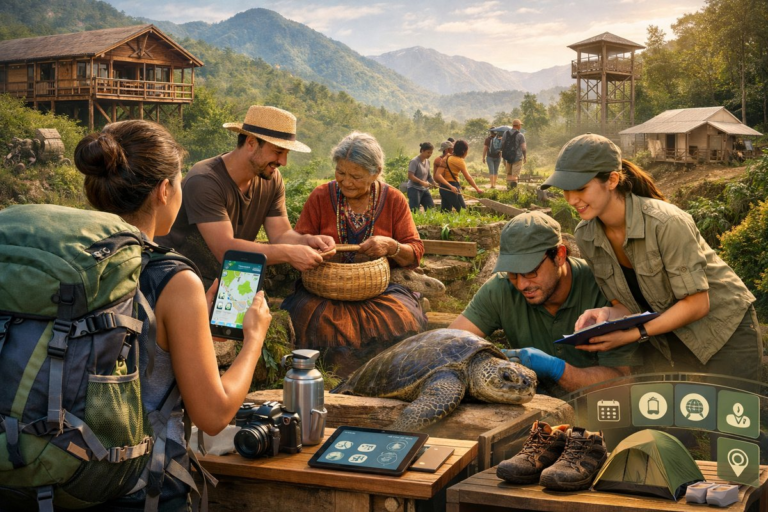
Technology is playing a vital role in bridging gaps. Travelers use secure messaging apps to coordinate arrivals, share itinerary updates, and troubleshoot logistics with local coordinators. GPS-enabled mapping tools help track progress on trail restoration or tree-planting grids, while cloud-based collaboration platforms archive field observations and photos. Project leaders back in home offices can monitor impact metrics in real time, ensuring that each volunteer’s effort aligns with broader conservation or social goals.
Another emerging trend is micro-volunteering for travelers with tight schedules. Instead of committing to a two-week program, visitors can sign up for single-day assignments-like conducting a beach cleanup at dawn or translating signage for a cultural heritage exhibit. These short but focused activities appeal to weekend warriors and business travelers seeking quick, purpose-filled pit stops between meetings.
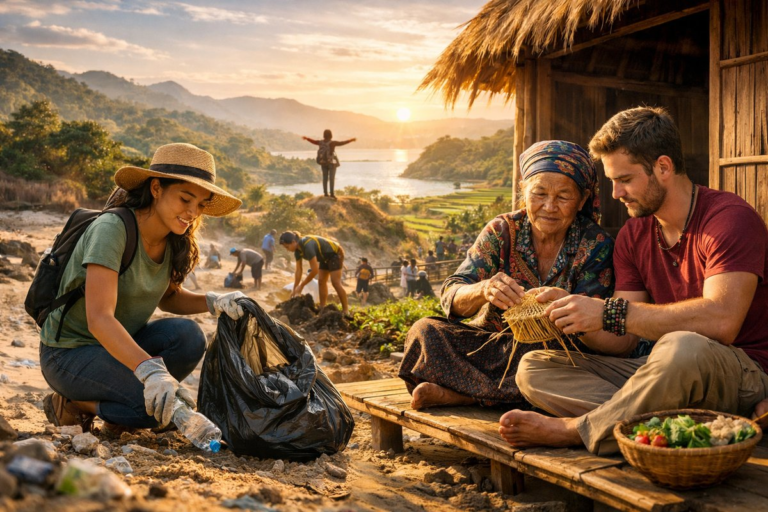
The economic ripple effects of Purpose-Driven Travel are also notable. Small-scale homestays and family-run guesthouses see higher occupancy, as volunteer travelers often choose locally owned lodgings. Community markets experience increased demand for handcrafted goods-from woven baskets to small-batch coffee-providing artisans with sustainable revenue streams. Even local eateries benefit, as volunteers sample regional dishes and tip more generously than standard tourists. For many destinations adapting to mass tourism’s downsides, this model offers a way to balance economic vitality and cultural preservation.
One couple who spent a month teaching English in a rural Vietnamese school found their perspective forever altered. They arrived with basic lesson plans but ended up learning traditional folk songs from classroom musicians and negotiating lunchtime recipes with village cooks. After returning home, they launched a nonprofit to support similar school-exchange programs, partnering with graduate students and international educators to expand the initiative. Their story underscores how a single purposeful journey can ignite broader networks of positive change.
Cultural immersion remains a cornerstone of these adventures. Travelers attend local festivals-rioting with color-drenched crowds during rice planting celebrations, or watching masked dancers beneath lantern-lit courtyards at annual harvest rites. Participants often carry small gift packages-seeds for communal gardens, art supplies for youth programs, or reading glasses for elderly residents-which become tokens of goodwill that ripple into deeper trust.
Yet amidst the earnest enthusiasm, organizers stress the importance of humility. Purpose-driven travelers are guests, not saviors. Success hinges on listening first, understanding local priorities, and letting community leaders guide the agenda. Too many well-intentioned visitors have inadvertently disrupted ecosystems, undercut local labor markets, or imposed foreign solutions on longstanding challenges. The most effective programs embrace a philosophy of mutual exchange: visitors teach if invited, learn when they arrive, and assist only where they’re truly needed.
Looking ahead, experts predict that Purpose-Driven Travel will continue diversifying. Virtual reality platforms may soon offer immersive previews of volunteer sites, helping travelers select projects that match their skills and values. Blockchain-based impact tracking could provide transparent records of individual contributions-how many coral fragments planted, kilometers of trail restored, or hours spent teaching. Meanwhile, impact tourism certifications will likely emerge, giving travelers confidence that their chosen program meets rigorous social and environmental standards.
For those plotting their own purpose-driven escape, preparation is key. Research local NGOs and verify their community partnerships. Brush up on basic phrases in the local language to show respect. Pack versatile gear suited to both fieldwork and cultural outings-quick-drying apparel, sturdy daypacks, and portable hydration systems. Include lightweight, eco-friendly toiletries to minimize waste, and consider digital devices charged by solar panels to stay connected without relying on grid power.
Ultimately, these journeys remind us that travel can be more than a series of photo ops. When curiosity meets compassion, and when exploration blends with empathy, each trip becomes a living story-one that fosters cross-cultural bonds and contributes to causes larger than any individual. By redefining adventure as purposeful engagement, today’s travelers are not only witnessing the world; they’re playing an active role in shaping its future.