Location
Mount Vernon, WA 98274
Location
Mount Vernon, WA 98274

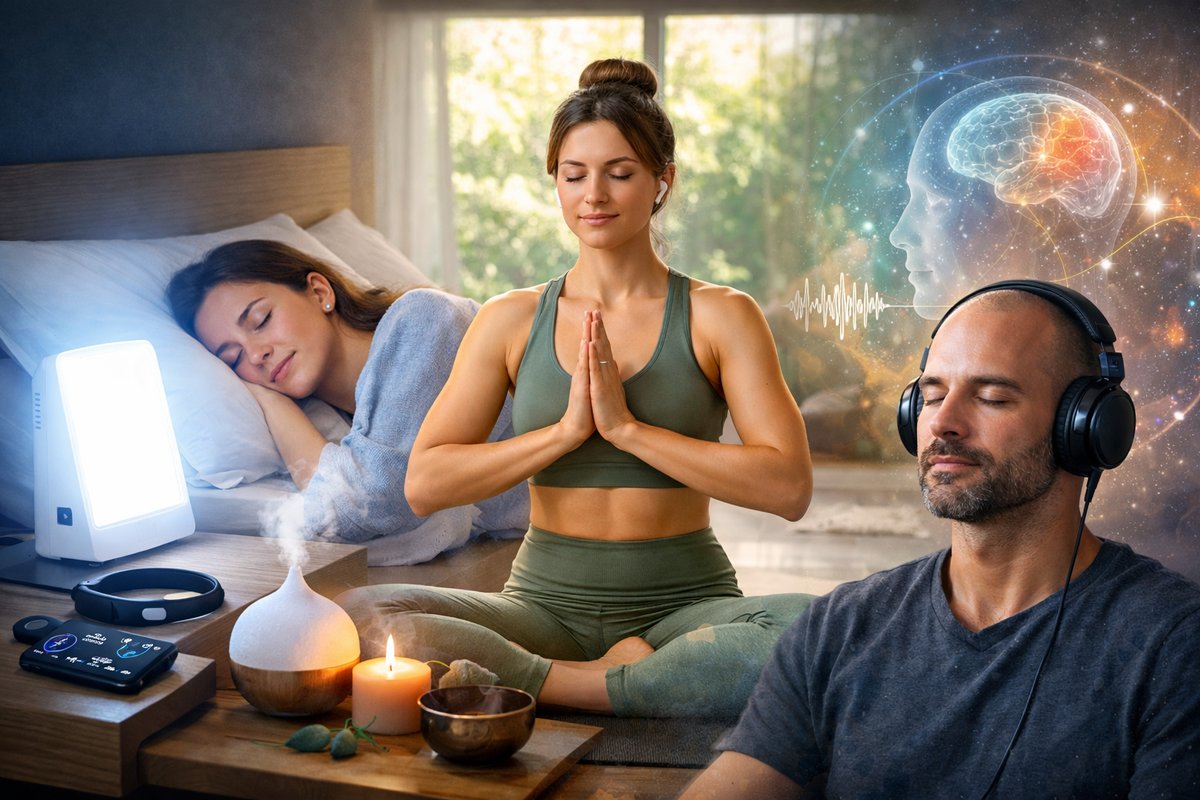
Discover how emerging tools in sleep optimization, mindful movement, and emotional clarity are reshaping personal wellness. From at-home light therapy to immersive guided sessions, learn how to craft a sustainable toolkit for lasting vitality.
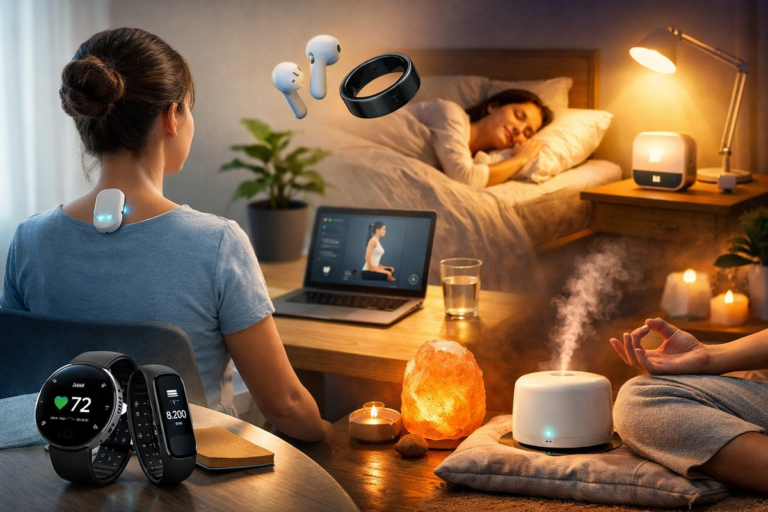
In recent months, breakthroughs in wearable sensors, digital platforms, and therapeutic hardware have converged to reshape our approach to health and wellness. Once relegated to specialized clinics or high-end retreats, tools that support vitality, quality sleep, and emotional clarity are now accessible to anyone with a smartphone or a small dedicated space at home. This article explores the latest innovations-grounded in real research and user feedback-and offers insights on how to integrate them into your daily routine without overwhelming your schedule or wallet.
The era of one-size-fits-all fitness plans and generic sleep advice is giving way to personalized protocols. Wearable devices that once only counted steps now track skin temperature, electrodermal activity, and heart rate variability. Algorithms analyze those signals alongside subjective inputs-like mood journals and diet logs-to generate daily recommendations for movement, stress management, and rest cycles. A recent publication in Nature Digital Medicine demonstrated that AI-driven guidance improved sleep onset by 18 percent among a group of over 500 adults with mild insomnia symptoms.
At the same time, app-based platforms are offering modular programs that let users pick and choose their preferred interventions: a guided breathwork sequence in the morning, a short micro-yoga routine at midday, or an evening wind-down featuring ambient soundscapes. This modular approach aligns with behavioral science findings showing that small, consistent habits yield better long-term adherence than intensive but sporadic routines.
Poor sleep remains one of the most common struggles affecting mood, cognition, and overall vitality. Beyond traditional sleep hygiene tips, the wellness industry is rolling out new technologies to directly influence circadian rhythms and improve sleep quality.
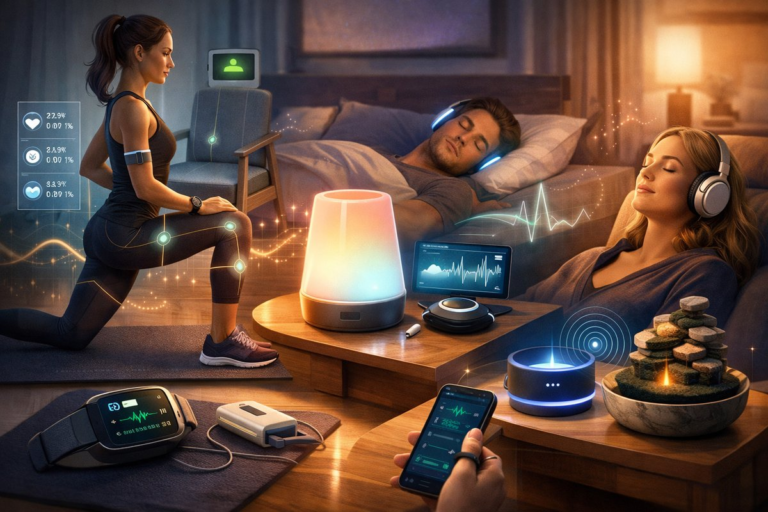
• Light therapy devices now come in compact form factors designed for bedside tables. By emitting adjustable full-spectrum light in the early hours, these lamps can mimic dawn and gently coax your body out of deep slumber. Clinical trials published in the Journal of Sleep Research have shown that simulated sunrise lighting reduces grogginess and speeds up morning readiness for both shift workers and weekend lie-ins.
• Smart sleep trackers have advanced to capture not only movement and heart rate but also respiratory patterns and snoring intensity. Some models pair with an app that delivers personalized audio cues-like a low-frequency tone or guided meditation-when subtle signs of restlessness appear, nudging the user back into deeper sleep without a full wakeup.
• Blue-light blocking glasses have gained more scientific backing. A study in Chronobiology International noted that wearing amber-tinted lenses for two hours before bed increased melatonin production by up to 300 percent. These glasses are now lightweight, foldable, and integrate seamlessly with nighttime reading or device use.
By combining these tools into a cohesive evening ritual-dimming overhead lights, switching on a light therapy lamp in the morning, and donning blue-light blockers before dusk-individuals can align their internal clocks more closely with natural day-night cycles.
On the movement front, the fusion of hardware and digital coaching is making exercise both more effective and more engaging.
• Interactive floor mats and smart yoga mats embedded with pressure sensors provide real-time feedback on alignment, balance, and weight distribution. An instructor on-screen can cue adjustments, ensuring safer practice and reducing the risk of injury.
• Portable foam rollers equipped with variable-intensity vibration modes offer targeted myofascial release sessions. Rather than a static density, these rollers ramp vibrations up or down based on tissue density readings, helping to alleviate muscle knots and improve circulation more efficiently than standard rollers.
• Virtual reality (VR) and augmented reality (AR) experiences are emerging as engaging alternatives to traditional group classes. Imagine performing tai chi in a serene mountain valley or cycling through a simulated forest trail, all from the comfort of your living room. Early adopters report higher enjoyment and longer session durations compared to flat-screen workouts.
Coupling mindful movement with data-driven feedback can transform a daily stretch into an immersive practice that supports strength, flexibility, and mental focus. Even brief sessions-five to ten minutes of guided mobility or a short roller sequence-can reduce tension and prime you for a more active day.
While tech tools can boost vitality, unchecked connectivity often undermines mental well-being. To counteract digital overload, a growing number of platforms now include built-in “pause modes” that limit notifications and filter incoming content according to your emotional state.
Meditation and breathwork apps have introduced mood-scanning features that prompt you to select from basic feelings (calm, anxious, irritable, tired). The software then tailors session length, background sounds, and guidance style to match your current state. If you indicate high stress, the app might lead with grounding exercises and low-pitched binaural beats; if you’re fatigued, it could offer an uplifting visualization sequence.
Some solutions go further by pairing mindfulness prompts with wearable haptic feedback. A gentle pulse on the wristband or an audio cue signals you to take a three-minute pause, stretch, or check in with your breathing. Research featured in the Journal of Applied Psychology found that such micro-interventions, when used three to five times daily, reduced perceived stress by 25 percent over four weeks.
An emerging theme across all these innovations is sustainability-not only environmental impact but also long-term habit adoption. Users increasingly value products made from recycled materials, energy-efficient chargers, and software that respects privacy (data stored locally rather than in cloud servers). Open frameworks that allow integrations across different devices and apps further encourage users to mix and match tools, avoiding vendor lock-in.
Practical steps to foster a sustainable wellness ecosystem at home include:
• Selecting multifunctional devices. A single bedside light therapy lamp that also doubles as a smart speaker can reduce clutter and energy use.
• Choosing apps with offline modes. This ensures your data stays private and prevents addictive notification loops when connectivity is poor or intentionally disabled.
• Investing in durable accessories. High-density yoga mats, stainless steel water bottles, and reinforced haptic wearables may cost more upfront but last far longer than cheap disposables.
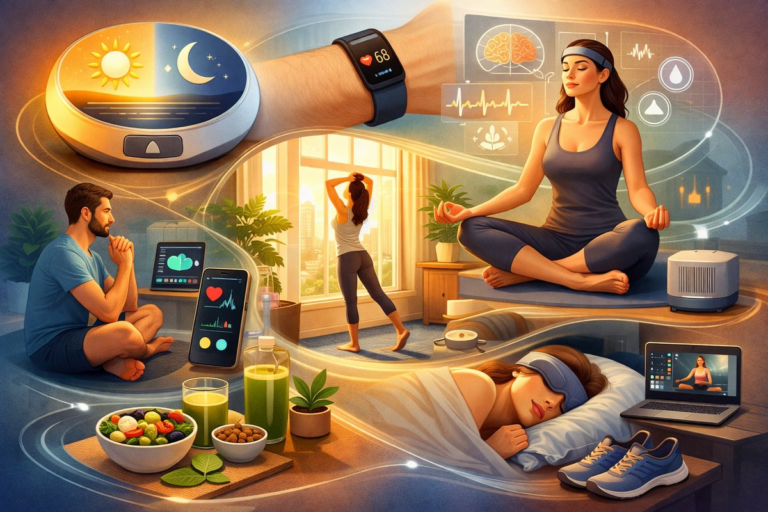
By adopting an integrated mindset-where sleep, movement, and mental clarity tools work in harmony-you create a foundation that supports ongoing exploration. No single gadget will solve every challenge, but a thoughtful collection of reliable, user-friendly tools can transform incremental improvements into lasting well-being.
Looking forward, research in personalized genomics and microbiome analysis promises to further refine recommendations for diet, exercise, and sleep. Meanwhile, advances in machine learning will enable real-time detection of subtle physiological shifts-an early warning system for stress overload or immune weakness.
Yet technology alone cannot guarantee well-being. The most successful approaches blend objective data with human-centered design, fostering curiosity, emotional intelligence, and community connections. Whether you’re just beginning your wellness journey or seeking to deepen existing practices, the tools highlighted here offer a modular, scalable way to empower both body and mind.
As you explore this new landscape, remember that consistency trumps perfection. Start small: perhaps a five-minute guided stretch on your new yoga mat, a brief sunrise simulation with light therapy, or a midday pause prompted by a wearable pulse. Over time, these micro-investments in vitality will compound into greater resilience, clarity, and joy.
Your wellness foundation is waiting. What toolkit will you build first?