Location
Mount Vernon, WA 98274
Location
Mount Vernon, WA 98274

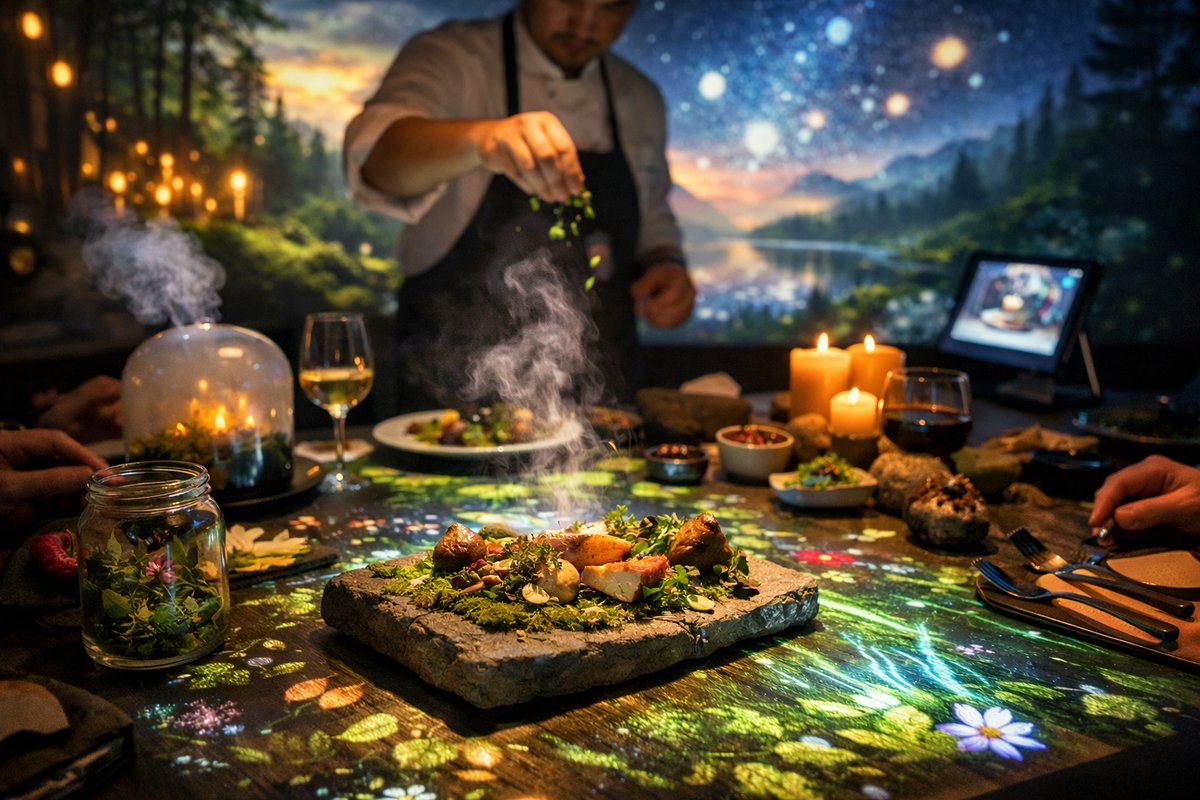
Chefs are transforming meals into multisensory narratives, blending projection mapping, aroma diffusion, and seasonal foraging to craft unforgettable experiences. This shift toward sustainable storytelling and at-home tech tools is redefining how we connect with culture, community, and even our own kitchens.
Under the glow of shifting light patterns and the gentle hum of curated soundscapes, diners find themselves stepping into a theater of flavor. Plates arrive not merely as dishes but as chapters in a story-an invitation to taste the tale behind each ingredient. Across urban lofts and hidden farmhouses, chefs and food artisans are pioneering immersive dining experiences that dissolve the boundaries between kitchen, audience, and environment. Projection mapping casts animated forests onto tabletops. Aroma diffusers release ephemeral hints of pine or citrus at precisely timed moments. Speakers hidden in greenery layer crackling campfires or rustling leaves into the soundscape. All of it converges to make each bite feel less like a transaction and more like a journey.
This push toward immersive gastronomy is rooted in a deeper ambition: to reconnect diners with the seasons, the land, and the cultural narratives that shape our shared heritage. Rather than scrolling through a static menu, guests follow a curated arc that unfolds through sight, sound, scent, and taste. Imagine savoring a seaweed-wrapped scallop as the light shifts to match the fading horizon of a seaside dusk, or pausing to listen to distant gull cries carried through hidden speakers. By layering sensory cues, chefs heighten awareness of ingredient provenance and invite reflection on the ecosystems that sustain our plates.
But it isn’t only about high-tech setups, nor is it limited to luxe tasting menus. This same ethos is spilling into community kitchens and home gatherings, driven by a desire to forge deeper connections around food. Pop-up dinners on reclaimed timber tables, candlelit salons with live storytellers, and open-air feasts that spotlight local produce invite all of us to become co-creators of the dining narrative. At its heart, immersive dining champions curiosity: guests are encouraged to explore texture by hand, inhale concentrated aroma vials before tasting, or even press edible blotter papers scented with herb and spice concentrates.
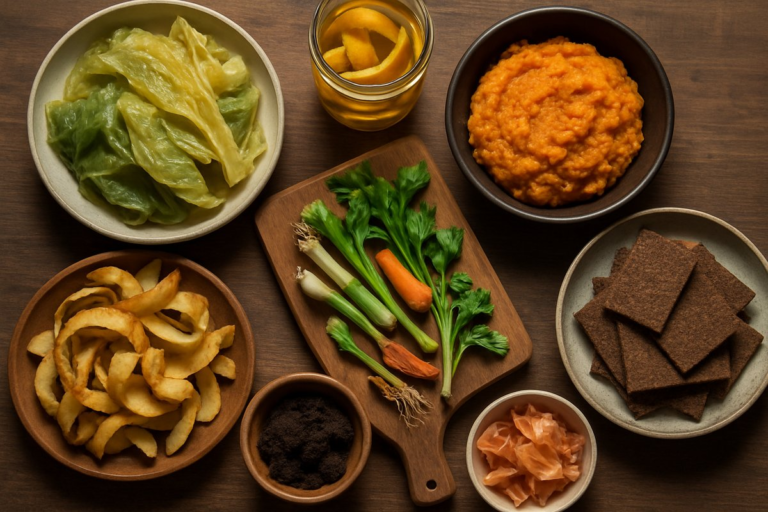
Alongside these theatrical experiences, another transformation is quietly taking hold: zero-waste culinary storytelling. Chefs and home cooks alike seek to honor every part of the ingredient, turning vegetable peels into savory powders, coffee grounds into earthy broths, and spent grain into rich flatbreads. Seasonal foraging workshops spring up in community gardens, teaching participants to identify edible blossoms, wild greens, and fragrant herbs in urban parks. By honoring the spirit of circular cooking, these gatherings shift the conversation from scarcity to abundance, inviting us to revel in the full arc of flavor potential.
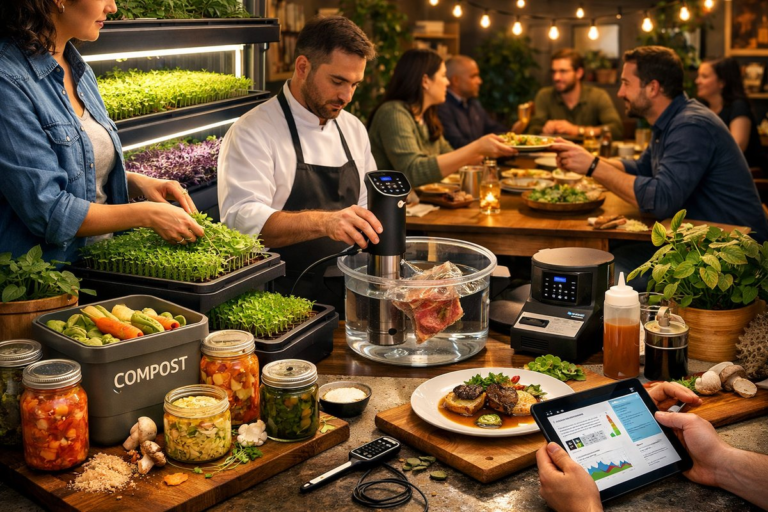
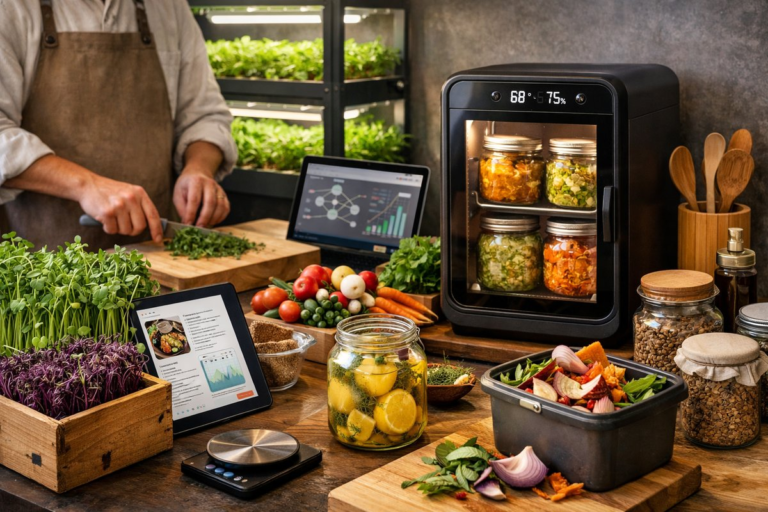
This wave of mindful creativity extends into the very tools that define our kitchens. Gone are the days when a knife and a cutting board seemed sufficient. Today’s culinary library includes precision immersion circulators for gentle sous-vide baths, digital scales that measure to a tenth of a gram, and aroma diffusers engineered to release scent bursts in tandem with plating. These instruments empower both professional chefs and adventurous home cooks to compose neighborhood-scale performances in their own living rooms. Imagine broadcasting a curated playlist through a tabletop speaker as a citrus-infused vapor drifts overhead-each element timed to coincide with the moment you lift your fork.
Meanwhile, advances in AI and data-driven flavor science are reshaping recipe development and menu design. Algorithms trained on thousands of molecular profiles can suggest daring pairings-think dark chocolate and charred scallion, or fermented plum and toasted hibiscus petals. Some platforms even generate step-by-step cooking guides complete with interactive visuals, voice-activated timers, and substitution suggestions for pantry staples. While purists may raise an eyebrow at machine-inspired creativity, many chefs view these tools as collaborators-data-driven muses that spark fresh ideas while preserving the human touch in final execution.
In restaurants from repurposed factories to rooftop greenhouses, these high-tech and low-tech approaches are merging in harmony. One evening might begin with a laser-etched menu archive projected onto a salvaged barn door, followed by tasting courses spotlighting local foraged mushrooms and precision-cooked root vegetables. Between courses, diners might handle a sampling of edible soil made from coffee husks and spent grain, reminded that every bite connects us to larger cycles of growth and renewal. Such experiences demonstrate how sustainability and sensory immersion aren’t at odds-they reinforce each other, weaving environmental stewardship into the very act of tasting.
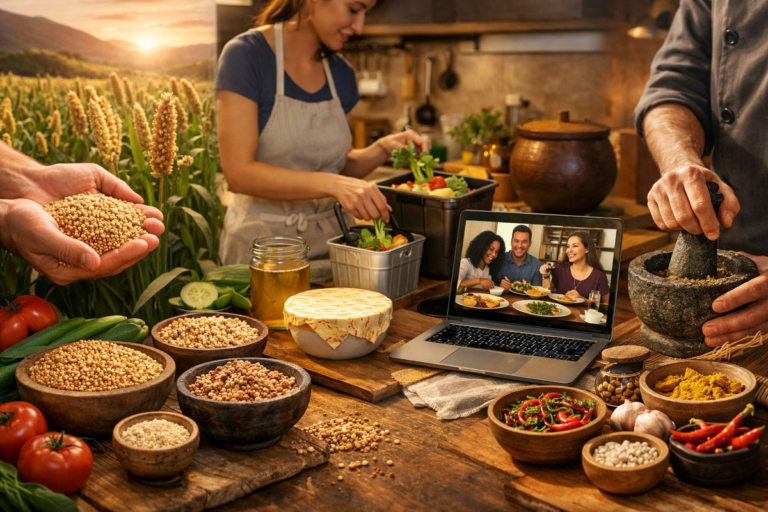
At home, the ripple effects of these trends are equally inspiring. Dinner parties are evolving into collaborative workshops, where friends gather to paint edible flower petals with natural dyes, experiment with custom spice blends, or assemble shareable boards that trace local food maps. Some hosts broadcast live projections of artful plating techniques onto kitchen walls, transforming a living room into a rotating canvas. Even the simplest ingredients-seasonal squash, backyard-grown herbs, or loaf-end cheese-become portals to deeper stories when framed by creative context.
Of course, the democratization of these immersive tools brings new questions around access and equity. Not every cook can outfit a home with projection mapping or buy custom diffusion units. That’s why makers and open-source communities are stepping in, sharing do-it-yourself plans for aroma cartridges crafted from recycled containers, or recommending smartphone apps that synchronize lighting and playlists for free. Community centers are hosting tool-sharing libraries that loan out precision scales, circulators, and small-format smokers. By fostering collaborative resource pools, these initiatives ensure that multisensory storytelling remains within reach of anyone eager to explore.
Looking ahead, the next frontier will likely involve even tighter integration between food, environment, and empathy. Imagine dining pods that adjust lighting and scent based on individual hydration and stress levels, or menus co-created by diners through real-time feedback loops. Virtual reality taste simulations could allow remote guests to share the same sensory backdrop, breaking down distance barriers. Yet amid all this innovation, the core impulse remains timeless: a yearning to share story, sustenance, and surprise with one another.
Ultimately, when a meal becomes theater, the kitchen transforms into a stage for collective wonder. It is here-between the whisper of herbs and the glow of a carefully timed spotlight-that we discover food’s power to forge community, awaken curiosity, and remind us that every dish carries a story worth tasting.