Location
Mount Vernon, WA 98274
Location
Mount Vernon, WA 98274


In an era of relentless pace, nurturing both physical vitality and emotional clarity has become essential. Drawing on recent studies in sleep science, movement, and mindfulness, this article explores tools and habits that ground wellness as a lasting foundation rather than a fleeting trend.
Wellness isn’t a weekend retreat or an occasional spa visit; it’s a daily commitment to supporting both body and mind. Modern life places unprecedented demands on attention, energy, and emotional balance. From remote work and digital overload to unpredictable social rhythms, finding reliable tools for movement, rest, and mental clarity is more crucial than ever. Grounding wellness in evidence-based practices transforms fleeting motivation into lifelong resilience.
Regular physical activity offers more than just calorie burn or muscle tone. A 2023 meta-analysis in the Journal of Sports Science showed that consistent low-impact exercise-such as yoga, walking, or swimming-can lower markers of inflammation by up to 20 percent. These modest routines release endorphins, improve circulation, and strengthen the brain’s executive network, sharpening focus during high-pressure days. Rather than chasing high-intensity workouts with burnout risk, prioritizing daily movement creates sustainable momentum.
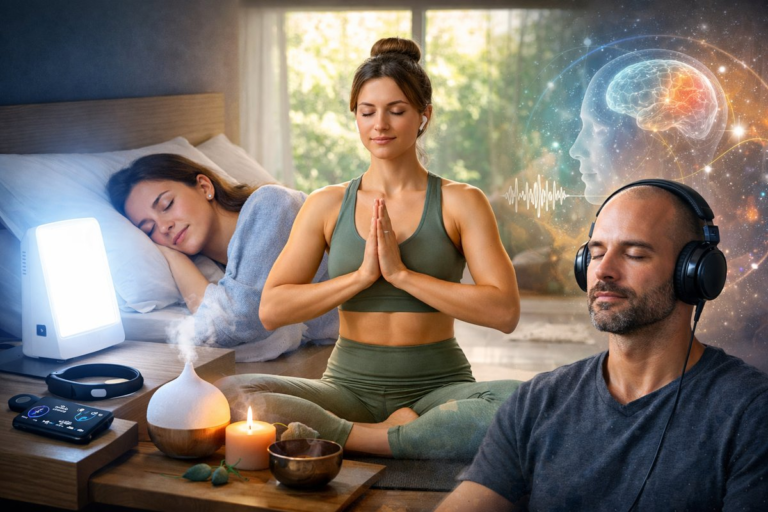
Sleep, often sacrificed at the altar of productivity, is equally nonnegotiable. A 2024 survey by the National Sleep Foundation found that nearly 40 percent of adults report poor sleep quality at least three nights a week. Inadequate rest impairs memory consolidation, emotional regulation, and immune function. Establishing a wind-down ritual-dimming lights 90 minutes before bed, limiting screen time, and incorporating gentle stretches-helps recalibrate the circadian rhythm. Including consistent bedtime and wake-up times anchors the body clock even when external schedules shift.
Emotional clarity and mental well-being thrive on mindful awareness. Practices like guided breathing, journaling, or brief meditation breaks foster front-brain resilience, enabling calmer responses to stressors. A recent study in Behavioral Science Reports highlighted that daily five-minute deep-breathing sessions can reduce perceived stress levels by 25 percent in just two weeks. Cultivating these micro-breaks throughout the day recharges cognitive resources and builds an internal calm reservoir for unexpected challenges.
Personalizing the wellness journey is key. No single routine fits everyone. Some find morning yoga invigorating; others prefer evening walks to unwind. Tracking how different activities affect mood, sleep quality, or energy levels enables intentional adjustments. Simple logs-whether digital or analog-reveal patterns that guide tailored decisions: perhaps cardio on days of heavy mental workload or mindfulness practices before back-to-back meetings.
Technology integration has democratized access to wellness tools. Smartphone apps deliver guided meditations, sleep soundscapes, and movement classes on demand. However, the real value lies in using these platforms thoughtfully-setting realistic goals, honoring rest needs, and avoiding the trap of digital bingeing. For example, turning off nonessential notifications during mindfulness sessions deepens presence more than any ambient soundtrack alone.
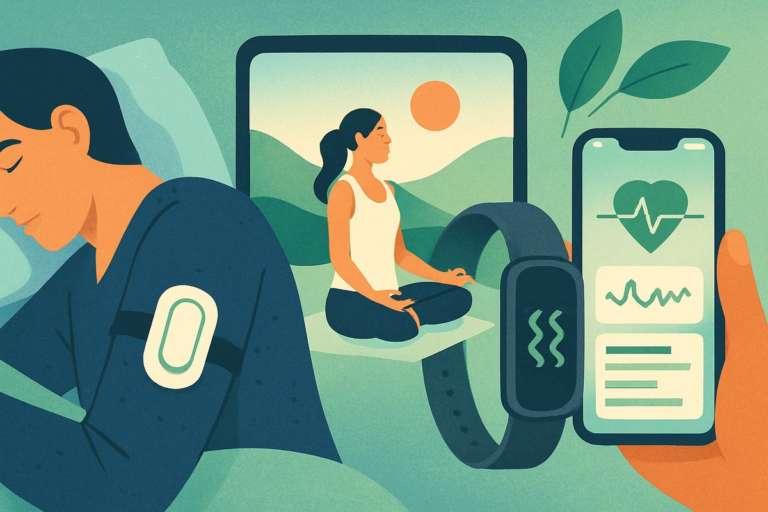
Wearable sensors and sleep trackers have advanced beyond step counts. Modern devices monitor breathing patterns, heart-rate variability, and subtle body movements to estimate sleep stages and recovery status. Sharing these insights with healthcare professionals or coaches can pinpoint lifestyle shifts-like adjusting evening light exposure or integrating more restorative breaks-that optimize overall performance. Still, the human interpretation of data remains essential for lasting behavior change.
Environmental factors shape wellness more than we often realize. Simple adjustments-improving indoor air quality with houseplants, reducing blue light in the evening, or rearranging workstations to boost natural daylight-impact energy and mood. Even small décor choices, such as calming color palettes or tactile textures, cue the nervous system toward relaxation or alertness, depending on the desired state of mind.
Nutrition and hydration underpin every system in the body. A balanced diet rich in whole foods, healthy fats, and plant-based proteins sustains cognitive clarity and stable energy. Meanwhile, mindful hydration-aiming for two to three liters of water daily-supports digestion, skin health, and metabolic function. Tracking water intake with reusable bottles featuring visible volume markers helps maintain consistency, especially on busy days.
Cultivating community and social support is a pillar of emotional wellness. Virtual or in-person group classes, walking meetups, and journaling circles foster accountability and shared motivation. Research published in Social Psychiatry and Psychiatric Epidemiology in early 2024 found that participants in wellness groups reported a 30 percent greater sense of belonging and lower anxiety ratings compared to solo practitioners. Investing time in nurturing these connections pays dividends in resilience and joy.
Sustainability and data privacy are emerging priorities in selecting wellness tools. Ethically sourced materials, eco-friendly packaging, and transparent data policies align daily routines with broader environmental and personal values. Whether it’s choosing a mat made from natural rubber or an app with strong privacy safeguards, these considerations ensure that our wellness journey honors both individual health and collective well-being.
Consider the example of a busy marketing professional who struggled with insomnia and afternoon slumps. By introducing a short midday walk during work breaks, adopting a consistent sleep ritual with calming low-light activities, and practicing five minutes of breathwork before presentations, she reclaimed energy, reduced caffeine reliance, and reported higher job satisfaction. This micro-experiment underscores how small, strategic changes amplify over time.
Expert advice converges on the principle of iteration. Begin with one habit change, observe its effects for two weeks, then refine. Overloading on multiple new practices at once often leads to frustration and abandonment. Instead, celebrate each incremental win-whether it’s three consecutive nights of better sleep or a sustained streak of mindful pauses-and gradually layer in new strategies as confidence grows.
Getting started may feel daunting, but simplicity is your ally. Pick one movement routine, one sleep habit, and one mindfulness practice. Dedicate just five minutes each day to each element. Track progress in a simple log or app, then reflect weekly on what’s working. As these foundational habits solidify, expand the toolkit by exploring new classes, tools, or community groups that resonate with your evolving needs.
Building resilient wellness is less about achieving perfection and more about honoring a consistent practice that adapts to life’s changing seasons. By prioritizing movement, rest, mental clarity, personalization, and sustainability, you cultivate a robust foundation for vitality, emotional balance, and lifelong growth. Each thoughtful choice becomes a step toward a richer, more resilient sense of well-being.