Location
Mount Vernon, WA 98274
Location
Mount Vernon, WA 98274

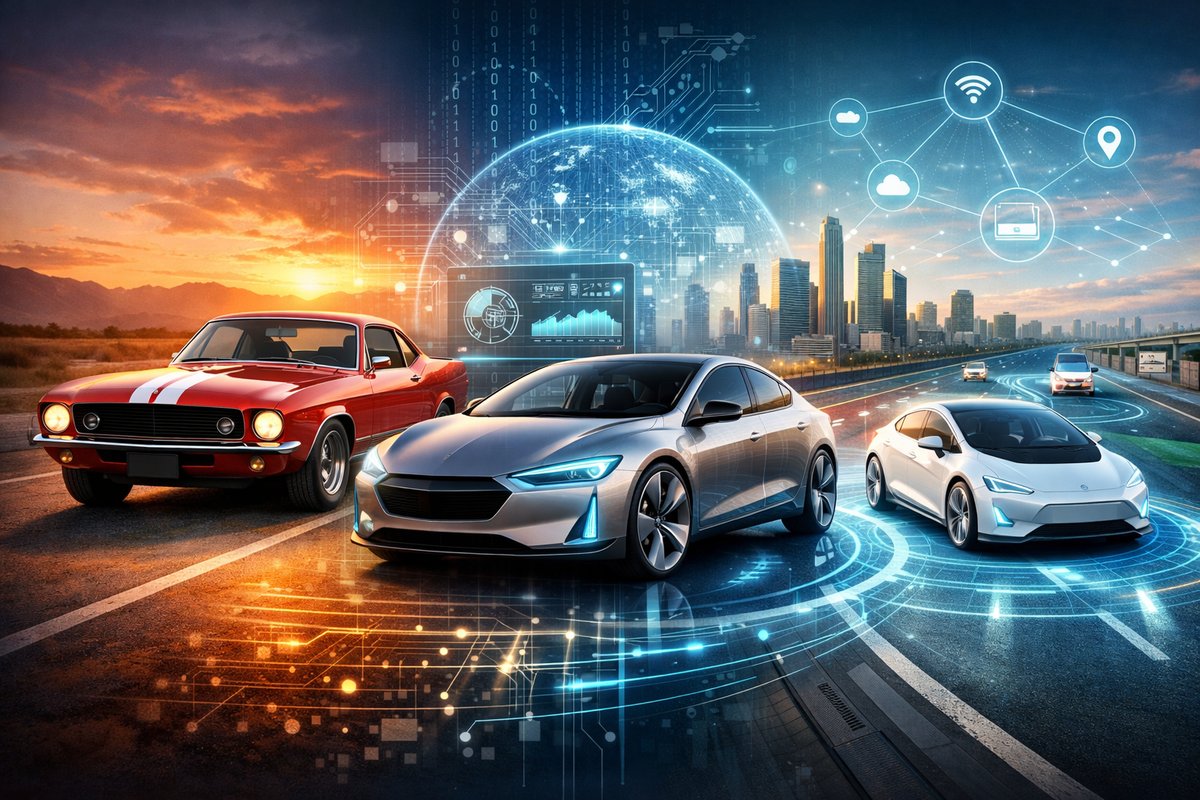
Automotive technology has shifted from pure muscle to a symphony of sensors, software, and stories on four wheels. We trace the evolution from classic roadsters to connected electric vehicles, exploring design innovations, data-driven diagnostics, and the future of self-driving mobility.
Beneath the hood of every modern car lies more than an engine: it’s a convergence of mechanics, electronics, and computing power designed to move us-not just physically, but emotionally. While the rumble of pistons once defined driving, today’s vehicles speak in data streams, diagnostics, and digital experiences. This article travels the timeline of automotive innovation, considers the challenges of electrification and autonomy, and surveys the tools drivers and DIY enthusiasts use to keep that spark alive.
Early automobiles were marvels of mechanical simplicity. A crank to start the engine, a carburetor to mix fuel and air, and a rack-and-pinion steering system were once groundbreaking features. Drivers memorized the sound of ignition, learned to tune spark plugs on the side of the road, and developed an intimate relationship with their machines. Fast forward to now, and computers monitor air-fuel ratios, tire pressure, and battery temperature, offering predictive maintenance alerts before breakdowns happen.
Today’s on-board diagnostics (OBD) port is the direct descendant of that mechanical legacy. Once a factory-only service tool, the OBD port now links to handheld code readers or smartphone apps, translating cryptic error codes into plain language. Whether it’s a misfiring cylinder or low transmission fluid, drivers can pinpoint the issue within moments-no garage required. This shift in accessibility has empowered enthusiasts to maintain vintage restorations and modern daily drivers alike.
Electrification is rewriting the rules of motion. Electric motors deliver instant torque and near-silent operation, trading exhaust fumes for emissions-free cruising. Advances in battery chemistry have doubled energy density over the last decade, extending range and cutting charging times. Rapid charging stations along highways allow brief coffee breaks to replenish hundreds of miles of driving, making electric vehicles (EVs) an increasingly practical alternative to internal combustion.
With electric drivetrains comes a new supplier network. Battery packs, high-power inverters, and cooling systems have supplanted traditional fuel lines, spark plugs, and catalytic converters. Owners learn to monitor state-of-charge, cell balance, and thermal management-concepts that once belonged solely to engineers. Charging protocols like Combined Charging System (CCS) and CHAdeMO govern connector types and communication standards, ensuring cross-compatibility across networks.
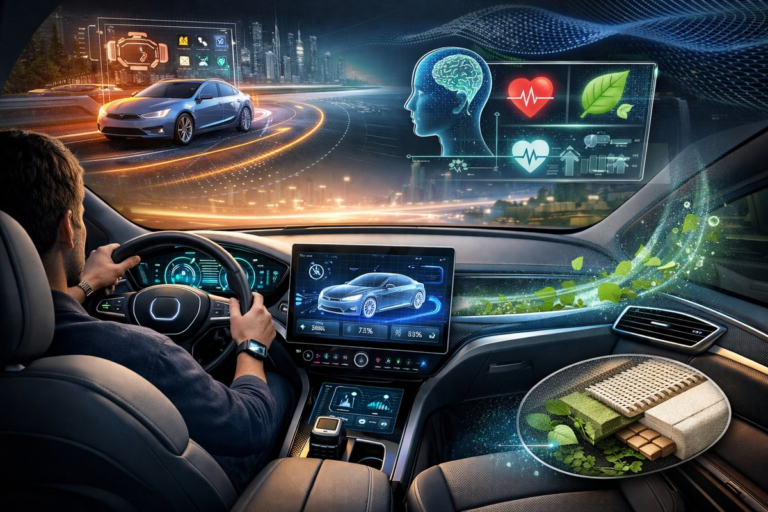
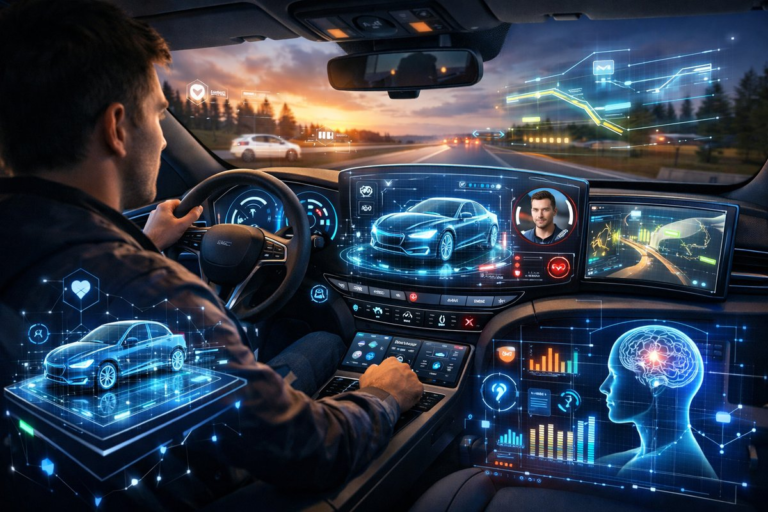
Connectivity extends beyond the powertrain. Modern cockpits feature digital instrument clusters, voice-activated assistants, and over-the-air software updates that patch quirks overnight. A dashboard touchscreen controls navigation, climate, and entertainment in one unified interface. Vehicle-to-everything (V2X) communication promises to link cars with traffic signals, roadside sensors, and mobile devices, paving the way for smoother traffic flow and real-time hazard alerts.
Safety has also ascended to new heights. Cameras, radar, and lidar sensors collaborate to detect obstacles, pedestrians, and lane markings, providing driver-assistance features such as automatic emergency braking, adaptive cruise control, and lane-keeping assistance. These systems learn with use, refining their algorithms based on driver behavior and real-world conditions. Over time, they’ll form the neural network that guides fully autonomous vehicles.
But with this software-driven future comes complexity. Electronic control units (ECUs) control every subsystem from powertrain to infotainment. A single faulty sensor or software glitch can cascade into limited functionality or complete shutdown, requiring specialized tools and expertise to resolve. For DIY enthusiasts and small workshops, affordable handheld scan tools have become indispensable, bridging the gap between expert diagnostics and user-level maintenance.
Entertainment and comfort haven’t been left behind. Premium audio systems now adapt to cabin acoustics using digital signal processing, while multi-zone climate controls measure and adjust temperature for each passenger. Smart seat controllers with memory settings recall posture preferences, and even ambient lighting can shift hues based on driving mode or mood. These emotional touches reinforce the bond between driver and machine.
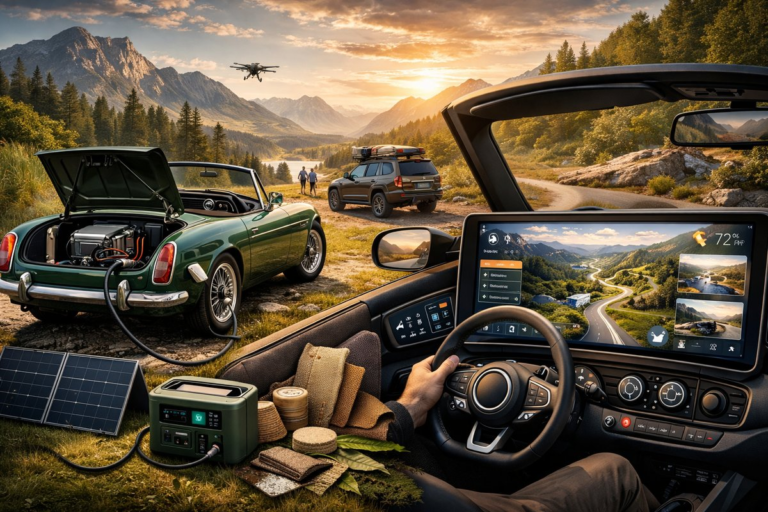
This fusion of hardware and software sparks new experiences on long road trips. Imagine a cross-country drive where range estimations adjust dynamically based on terrain, driving style, and weather, with planned charging stops integrated into a seamless itinerary. A heads-up display prompts scenic detours, while smartphone integration allows for remote preconditioning-warming or cooling the cabin before you reach the vehicle.
Yet as vehicles grow smarter, driver education must keep pace. Learning how to interpret digital readouts, navigate software menus, and select the correct charging protocol is as vital as mastering clutch control once was. Enthusiasts join online communities, swapping tips for optimizing regen braking, software-based tuning, and aftermarket accessory installation. Workshops and meetups concentrate on everything from advanced battery care to fabricating custom sensor mounts.
Sustainability underpins many of these innovations. Lightweight carbon-composite materials reduce energy consumption, while eco-friendly upholstery options minimize environmental impact. Regenerative braking captures energy normally lost as heat, feeding it back into the battery. Even start-stop systems shut down the engine at idle to conserve fuel. As urban centers grapple with air quality and congestion, micro-mobility solutions like electric scooters and e-bikes complement larger vehicles to cover “last-mile” journeys.
Looking ahead, the quest for autonomy accelerates. Startups and legacy automakers are testing vehicle fleets with Level 4 autonomy-capable of handling driving tasks under certain conditions without human intervention. Sensors mounted on roofs and bumpers feed 360-degree vision to high-performance computing units, while edge-computing nodes process data in real time to make split-second decisions.
Regulations and infrastructure must evolve in tandem. Governments are updating safety standards for autonomous operation, defining liability frameworks, and allocating spectrum for vehicular communication. Charging networks are expanding to include bi-directional energy flow, enabling parked EVs to supply power back to the grid during peak demand.
For drivers today, though, the most tangible advances often come from the aftermarket: dash cameras that record every mile, portable tire inflators that restore proper tire pressure in minutes, and smart OBD-II adapters that track fuel economy and engine health. These tools let individuals take control of diagnostics, road-trip documentation, and emergency preparedness.
Ultimately, modern vehicles are more than metal on wheels; they’re platforms for data, design, and personal expression. Each touch, each hum of an electric motor, each alert on a display weaves a story of progress and possibility. As technology advances, the challenge becomes balancing innovation with user trust, privacy, and emotional connection. After all, cars connect us not only to destinations but to memories: the first solo drive at dawn, the family road trip with the windows down, the thrill of overtaking a winding mountain pass.
Whether you’re a gearhead tinkering in the garage or a daily commuter trusting your car’s predictive maintenance system, today’s vehicles invite you to explore new frontiers. In the convergence of mechanics and software, of carbon fiber and cloud servers, lies the next chapter of motion-and the memories we’ll create along the way.
Embrace the shift, equip yourself with the right tools, and keep the journey moving forward. The open road has never felt more connected.
Time for your next tune-up? Let’s make sure you have the gear to match your drive.