Location
Mount Vernon, WA 98274
Location
Mount Vernon, WA 98274

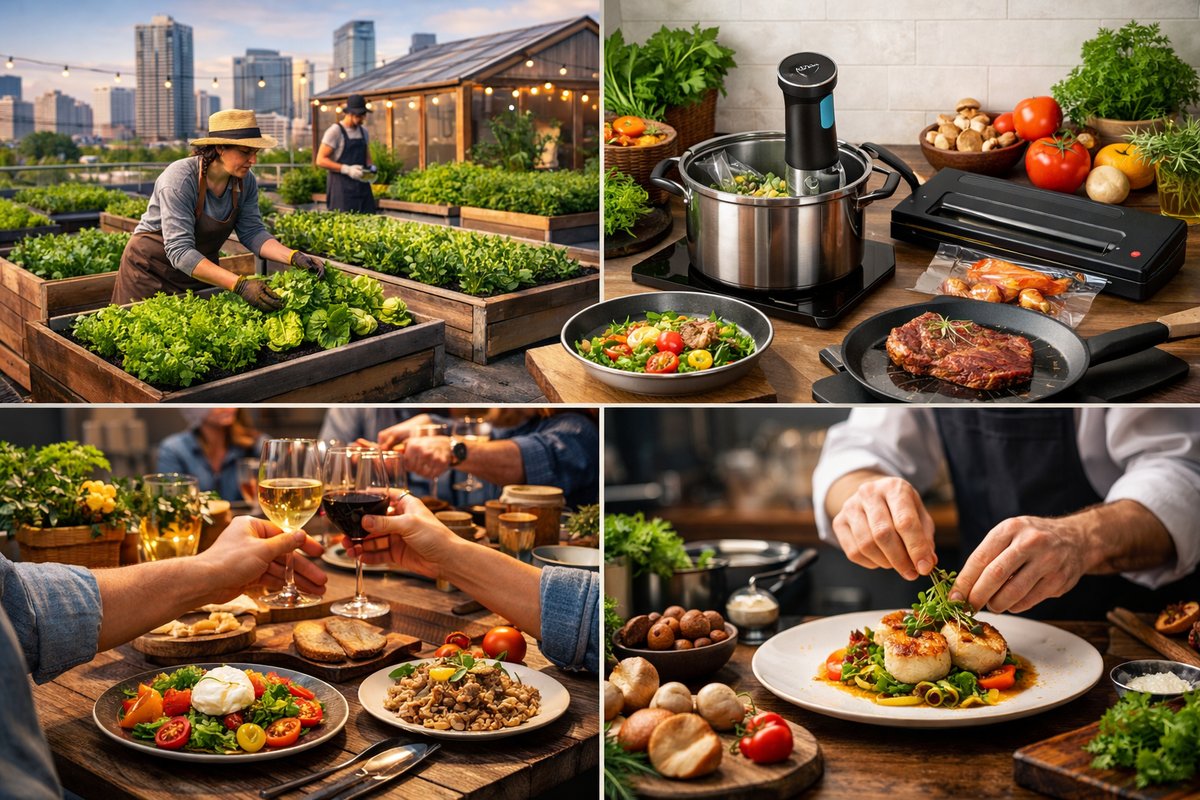
From farm-to-counter experiments in urban neighborhoods to kitchen gadgets that promise restaurant-level precision, food culture is undergoing a rapid transformation. Sustainability, seasonality and shared experiences are driving both professional chefs and home cooks toward new ways of harvesting flavor and fostering connection.
When the world retreated indoors, kitchens became laboratories for experimentation, community doses of comfort and laboratories for innovation. As dining rooms shut down and take-out boxes piled up, home cooks rediscovered the power of fresh ingredients and creative techniques. Now, emerging culinary trends are weaving sustainability, regional identity and digital tools into recipes that promise to nourish bodies and strengthen social bonds.
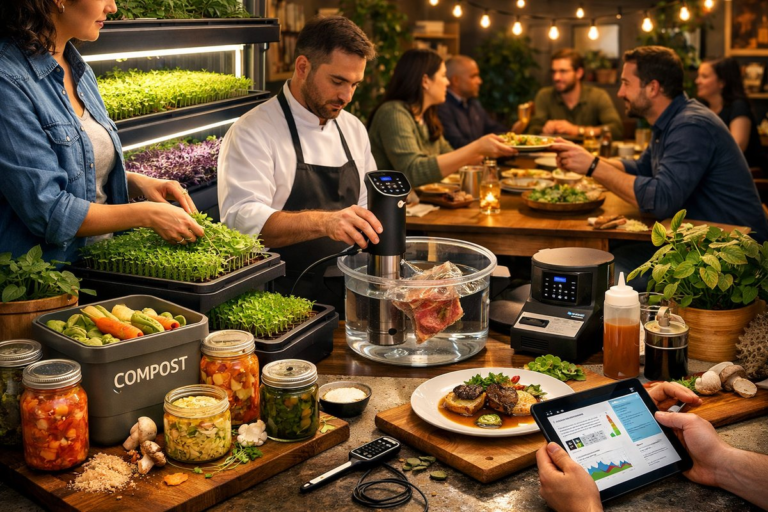
Across cities and towns, pop-up markets and restaurant patios are filled with farmers and small producers showcasing heirloom vegetables, rare grains and handcrafted dairy. Beyond the traditional farmers market stall, some growers are using urban roofs and vertical farms to deliver microgreens minutes after harvest. Meanwhile, niche cooperatives have formed to source protein from pasture-raised heritage breeds, elevating cuts that were once overlooked. This focus on regenerative agriculture and transparency is no longer a fringe movement; it’s becoming a consumer baseline.
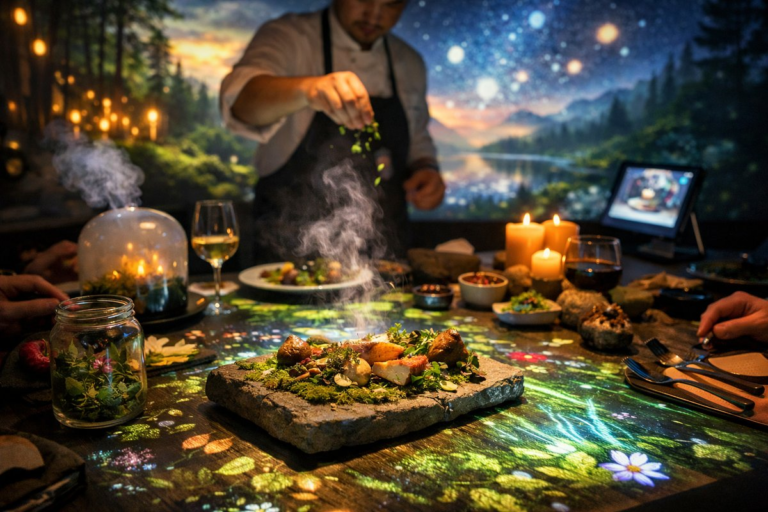
At the same time, chefs and food entrepreneurs are embracing hyper-local menus that change daily, reflecting what’s ripe at nearby plots. Gone are the static restaurant listings; eyesight and curiosity guide diners to eateries where kale might be foraged from a city park and honey drizzled from hives on the rooftop. The narrative is simple: when you eat something grown down the block, you taste the season’s crescendo. It’s a far cry from year-round strawberries shipped halfway around the globe.
In home kitchens, the demand for precision has inspired a suite of gadgets that once lived only in professional settings. Wireless thermometers monitor meats and roasts from a smartphone. Immersion circulators transform fish and steak into evenly cooked masterpieces. Multi-function appliances combine steaming, baking and slow cooking. These tools aren’t mere novelties; they democratize techniques that yield consistent results even for novice cooks. For many, the thrill lies not just in showy plating, but in knowing that every bite is exactly as intended-pink-tinged salmon at a precise temperature, or soufflés that rise to a golden crown.
But it’s not all about technology. A parallel movement is reviving time-honored methods of preservation. Fermentation workshops, once the purview of artisanal brands, are now weekend retreats where participants learn to culture vegetables, brew small-batch kombucha and craft miso from scratch. The result is a burst of probiotic-rich flavors and textures-tangy kimchi, briny sauerkraut and effervescent shrubs-serving as both pantry staples and conversation starters at dinner tables.
Alternative proteins continue their ascent, too. Plant-based burgers that sizzle and bleed have become staples of barbecues, while mycelium-derived cuts aim to replicate the complex mouthfeel of meat. Injection-molded seaweed sheets are being used as wrappers for vegan sushi rolls, and insect-flour tortillas are making quiet inroads in snack aisles. Some innovators even grow cellular meat in bioreactors, promising a future where steaks need not be slaughtered at all. Though these products remain niche, investors and meal-kit companies are betting heavily on their mainstream breakthrough.
Restaurants are also experimenting with community-centered operations. Cloud kitchens-industrial facilities that prepare meals exclusively for delivery-are offering rotating concepts that cater to different dietary preferences from a single address. Ghost restaurants pop up on delivery apps with names referencing spicy bowls or embrace-friendly pizzas, testing new ideas without the risk of brick-and-mortar overhead. In parallel, cooperative kitchens are pooling resources so that local nonprofits can provide culinary training while serving healthy meals in food-insecure neighborhoods.
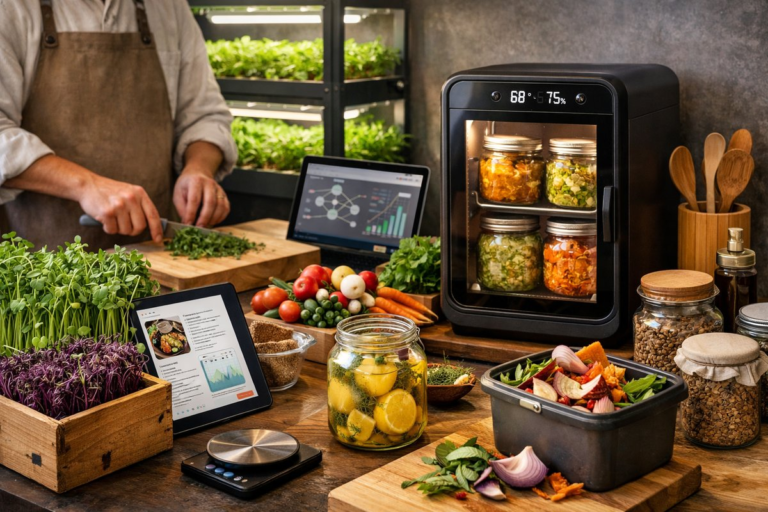
These shifts have practical implications for home cooks. Building a pantry now means stocking fermentation crocks alongside conventional jars, investing in high-precision thermometers and exploring local farmer alliances for hyper-fresh produce. Recipe blogs are giving way to ingredient databases that recommend seasonal swaps, while social media micro-communities share carbon-footprint cooking tips. The era of following a static cookbook is fading; in its place is a living, breathing food ecosystem that invites improvisation.
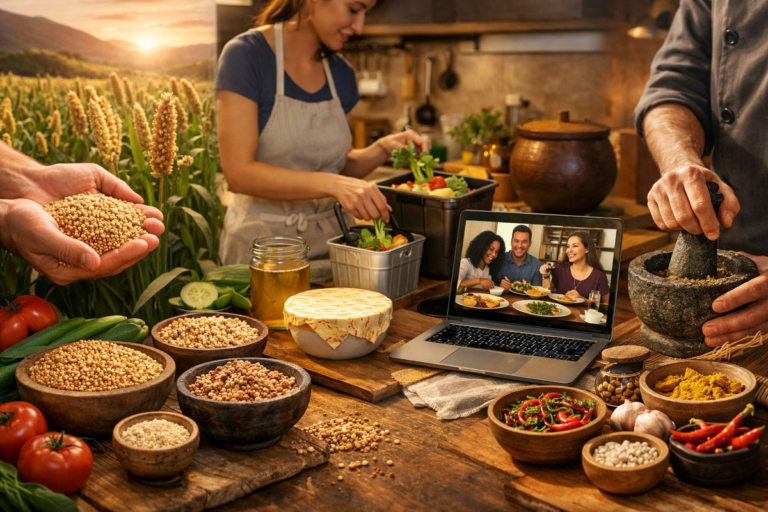
Yet beneath the gadgets and eco-labels lies a deeper motivation: connection. When communities rally around a seasonal squash harvest or a fermented tea workshop, they forge ties that go beyond calories and macros. Kitchen tables are once again venues for storytelling, where recipes are heirlooms passed down or freshly imagined with guests leaning in.
Looking ahead, several convergence points seem poised to redefine how we shop, cook and gather. Digital marketplaces for micro-farms, subscription platforms for culinary experiments and AI-driven meal planners tailoring menus to nutritional needs all hint at a future where food is more personalized and sustainable than ever. Meanwhile, the camaraderie built in neighborhood pop-ups and dough-kneading classes suggests that food culture will continue to anchor communities, even as technologies evolve.
Whether through a cell-grown cutlet or a rooftop-harvested herb, the values at the heart of these movements remain constant: respect for the ingredients, awareness of origin and a desire to share experience. As culinary landscapes keep shifting, one thing endures-the joy of gathering around a meal that reflects both the world outside and the hands that prepared it.
This moment in food history combines urgency-responding to climate and health challenges-and playfulness, as cooks tinker with new tools and techniques. It’s a story of regeneration, curiosity and collective well-being, told in the language of taste. For anyone stepping into a kitchen today, the invitation is clear: mix tradition with innovation, source with conscience, and above all, savor every bite alongside those we care about.