Location
Mount Vernon, WA 98274
Location
Mount Vernon, WA 98274

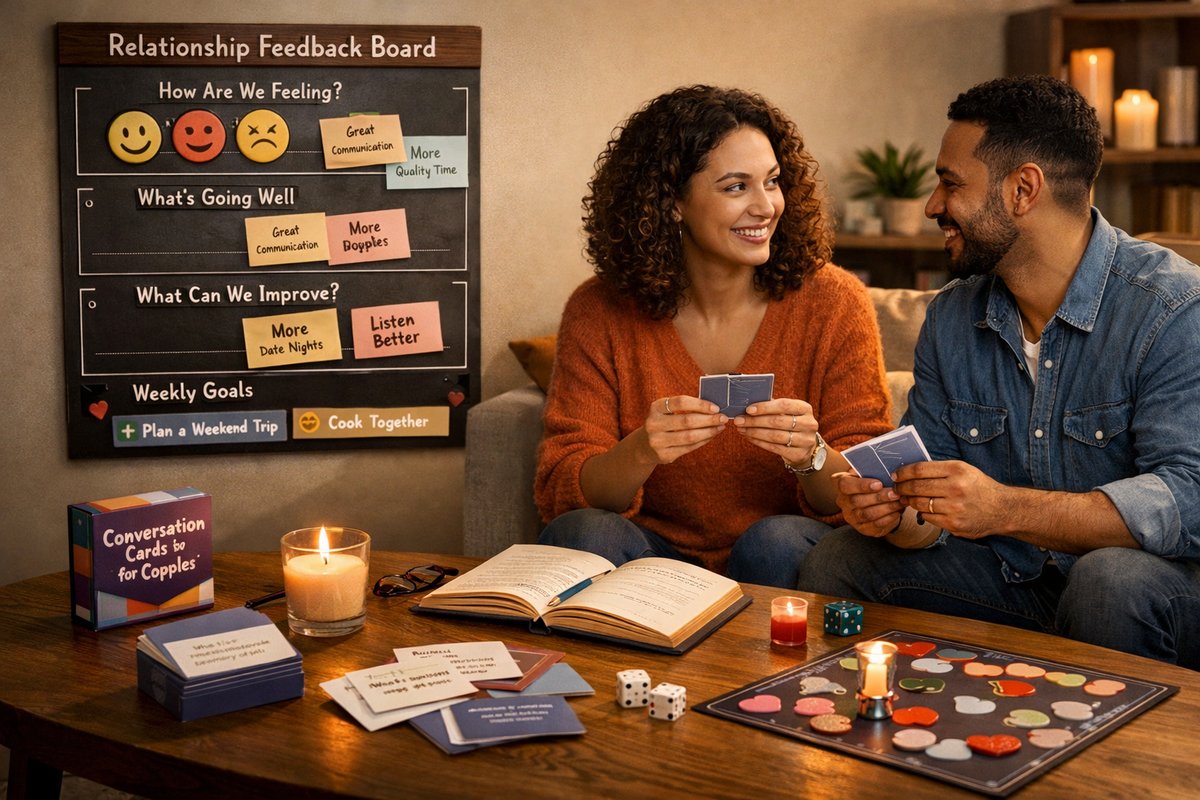
A recent study reveals that modern couples are turning to creative tools-like wall-mounted feedback boards and conversation card decks-to foster honest dialogue and deepen emotional bonds. Experts say these practices, combined with guided journaling and game nights, can help partners grow together with curiosity and care.
A recent study published in the Journal of Family Psychology highlights an emerging trend among partnered adults: integrating tangible, interactive tools into daily life to promote open communication and shared growth. From kitchen-fridge feedback walls to handheld conversation card decks, couples are replacing passive assumptions with active dialogue. Researchers report that these tools help partners navigate sensitive topics-from household chores to personal dreams-without triggering defensiveness or emotional shutdown.
At the heart of this movement lies the concept of the “feedback wall,” a simple magnetic dry-erase board where partners can leave notes, questions, and gentle reminders for each other. Unlike a group chat or text thread-both prone to misinterpretation-the physical presence of a board in shared spaces invites spontaneous reflection. One participant in the study remarked, “Seeing my partner ask about my week on the fridge door feels like an open invitation to talk, without the pressure of face-to-face confrontation.”
Quantitative results from the research indicate that 68 percent of couples who used a feedback wall for four weeks reported improved understanding of each other’s needs. Meanwhile, instances of miscommunication fell by nearly 40 percent. These figures underscore the power of shifting from passive note-taking to active, visible feedback loops that both partners can engage with in their own time.
“Couples often shy away from direct feedback because they fear conflict,” explains a relationship specialist at a community counseling center. “By externalizing prompts and comments on a board, partners create a safe space for vulnerability. It’s much easier to read a brief note than to face a sudden critique in person. That can soften the tone and make room for curiosity.”
Alongside feedback walls, conversation starter card decks have surged in popularity. These decks contain hundreds of open-ended questions-ranging from lighthearted icebreakers to deep emotional probes-designed to spark candid exchanges on date nights, road trips, or quiet evenings at home. Couples in the study described how even a single question-“What’s a dream you’ve never shared?”-triggered hours of unexpected storytelling.
One pair in their early thirties shared their experience. After drawing a question about childhood memories, they discovered shared feelings of being overlooked in large families. That revelation led to discussions about their own parenting values and cemented a sense of solidarity. “It was like finding a secret passageway into each other’s minds,” one partner reflected. “We realized just how much nuance we’d missed by rushing through daily routines.”
Guided journaling was another tool adopted by couples seeking structured reflection. Couples journals typically offer paired prompts-one for each partner-to write down personal thoughts before comparing notes. Prompts might ask about individual stressors, relationship aspirations, or recent breakthroughs. This practice encourages emotional honesty while preserving personal space to process feelings without immediate reaction.
While some couples prefer analog notebooks, others embrace digital journaling apps that offer password-protected entries and multimedia integration. A digital platform can sync across devices, allowing partners to add voice memos, photos, or video reflections. Yet many report that handwritten entries carry an extra layer of intention, slowing down rushed thoughts and capturing raw emotion in a way that typing often misses.
Cultural dimensions also influence how feedback and communication techniques are received. In societies where indirect communication is the norm, couples may shy away from explicit “I statements” and instead use metaphorical notes or shared playlists as subtle signifiers of appreciation. By contrast, partners from more direct-communication cultures might gravitate toward straightforward bullet-point lists on their feedback boards.
Behavioral experts emphasize that consistency matters more than volume. Daily check-ins-no longer than five minutes-can normalize honest exchanges and prevent grievances from accumulating. A simple routine of listing one appreciation and one challenge can swiftly become a trusted rhythm. Over time, couples report feeling more attuned to each other’s emotional currents and less likely to let small tensions fester.
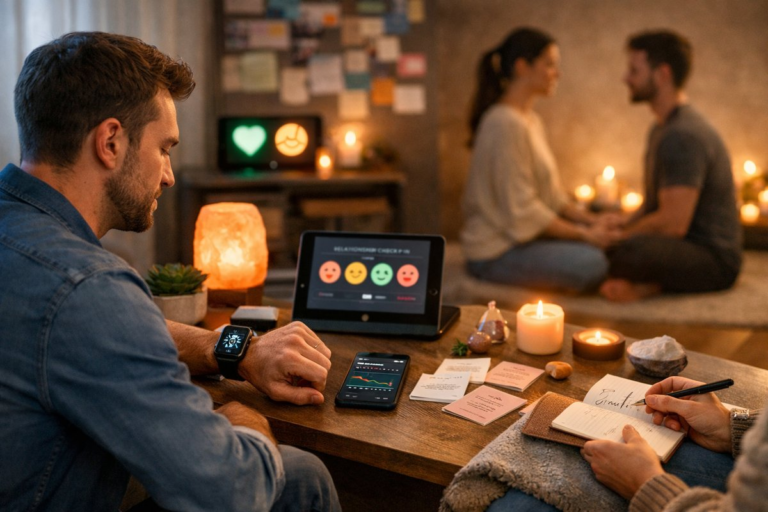
Creating the right ambiance for these activities can further reinforce their impact. Dimming lights, lighting a candle, or playing soft background music signals a shift from everyday tasks to intentional connection time. Some partners use an aromatherapy diffuser with calming essential oils to anchor the experience in mindfulness, encouraging presence and reducing external distractions.
For those who prefer a playful approach, relationship-themed board games now fill shelves alongside bestselling strategy titles. These games combine trivia questions, creative challenges, and role-playing scenarios to infuse date nights with humor and discovery. By framing sensitive topics as challenges rather than confrontations, couples can explore vulnerabilities in a low-stakes setting.
Technology also offers specialized apps that remind couples to maintain their chosen communication routines. Push notifications can prompt partners to add a note to the feedback wall, answer a conversation card question, or complete a journal prompt. However, experts caution that technology should enhance-not replace-the tactile and emotional richness of analog tools.
For couples just starting, specialists recommend choosing one tool at a time. Bringing in multiple methods at once can feel overwhelming. Begin with a simple dry-erase board in a central spot, commit to weekly board updates, and pair it with a single conversation card per date night. Monitor how those practices influence daily interactions before layering in journals or games.
Ultimately, the growing popularity of these communication tools underscores a broader cultural shift: partners are valuing curiosity, emotional intelligence, and intentional gestures over rote routines. By externalizing feedback, posing thoughtful questions, and creating playful rituals, couples can transform everyday spaces into laboratories of love and growth. In a world that often prizes speed and efficiency, these practices invite us to slow down, pay attention, and speak with both clarity and care.