Location
Mount Vernon, WA 98274
Location
Mount Vernon, WA 98274

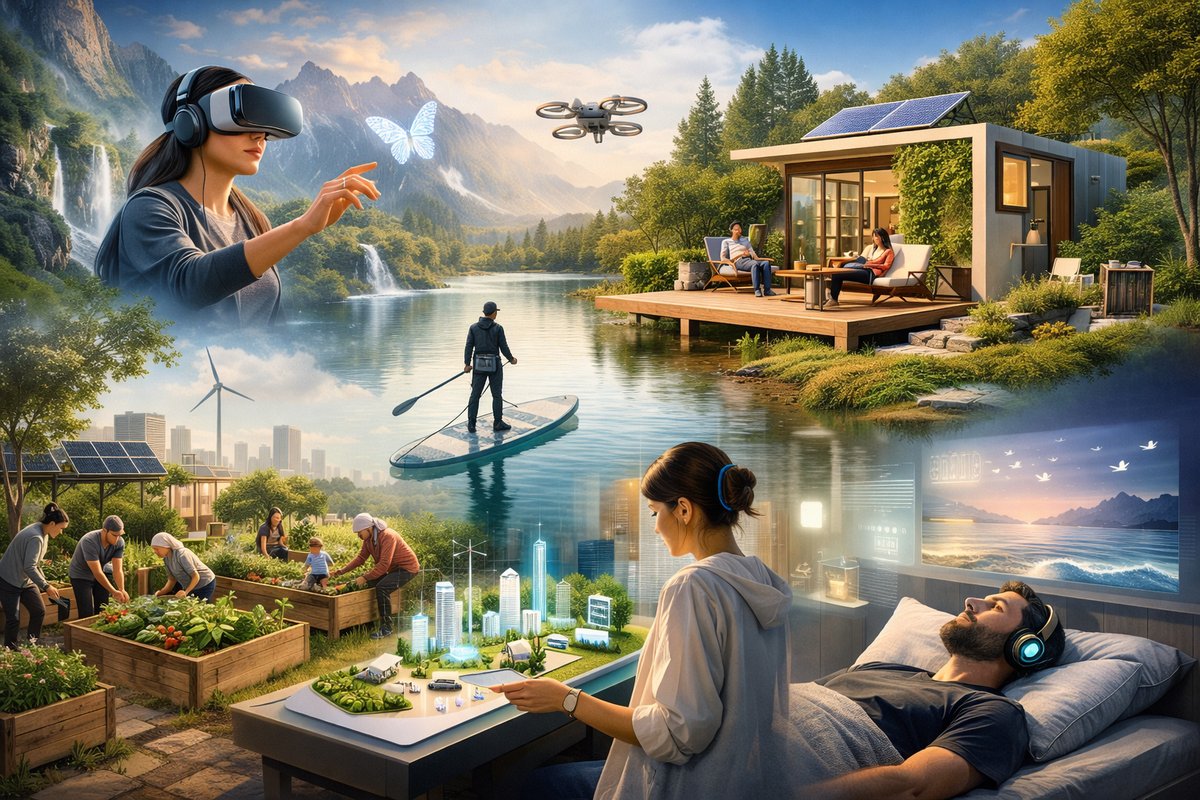
As digital and physical worlds blur and sustainability takes center stage, new social behaviors are emerging-from remote sensory experiences to modular home design. This article maps five signals of change, revealing how individuals and communities are adapting to fluid realities and shifting priorities.
In recent months, a series of subtle yet pervasive shifts have begun to surface in the way we work, socialize, consume and live. These signals of change reveal not just fleeting fads but foundational patterns altering daily life. From immersive digital gatherings to sustainable DIY networks, five core themes have crystallized. We explore how hybrid realities, eco-minded minimalism, emotional intelligence tech, grassroots micro-communities and reimagined home workspaces are converging to create a new normal-one shaped by flexibility, privacy and purpose.
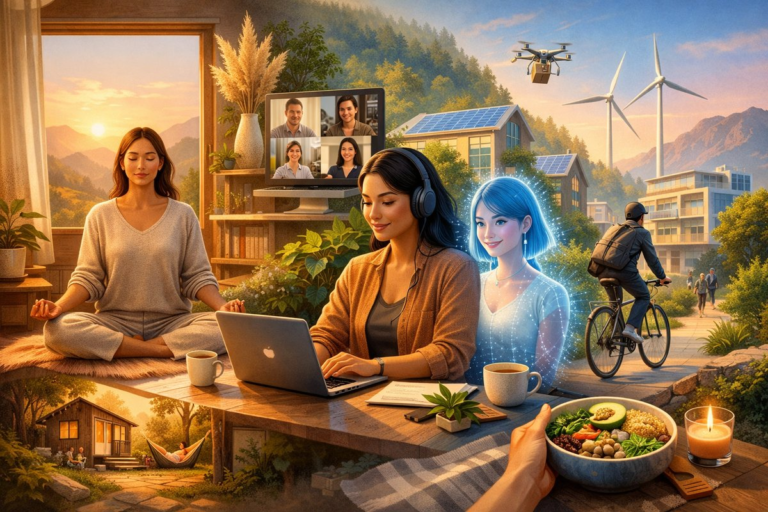
Hybrid realities have emerged as a default, not an exception. Virtual fashion showcases, remote wine tastings and mixed-reality art exhibitions are moving beyond novelty into mainstream routines. Concertgoers now combine in-person attendance with augmented layers of digital effects visible through lightweight augmented reality headsets. Meanwhile, compact, portable solar chargers are feeding devices on the go, decoupling digital experiences from fixed outlets and urban grids. Wireless earbuds have become indispensable for seamless transitions between real-world surroundings and curated audio environments, whether tuning into a coworking soundtrack at home or joining a virtual meditation circle in a park. This growing demand highlights a broader appetite for experiences that defy traditional boundaries, marrying the tangibility of the physical world with the infinite possibilities of the virtual.
Alongside hybrid consumption, sustainable minimalism is gaining traction as waste-averse consumers experiment with eco-friendly alternatives at every turn. Plant-based cleaning concentrates in reusable containers are replacing single-use sprays, while secondhand and upcycled decor finds new life as colorful accent pieces on modular shelving units. Indoor hydroponic kits are sprouting on kitchen counters, fostering a connection between food production and daily nourishment while eliminating plastic packaging. Compact air purifiers are quietly filtering out urban pollutants and indoor allergens, creating cleaner micro-climates for minimalistic living rooms without bulky machines. These practical adaptations reflect a deeper shift toward resourceful consumption-one driven by curiosity and emotional investment in the planet’s health.
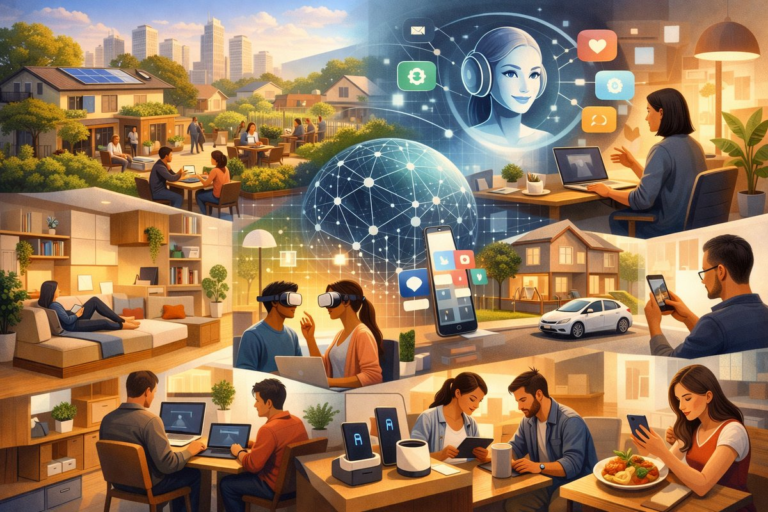
In parallel, technology is recalibrating its role in supporting emotional intelligence and digital wellness. Apps that monitor screen time are pairing with physical devices-simple timers and smart plugs-to enforce screen breaks, while noise-canceling headphones help carve out zones of calm in open-plan homes or busy co-working hubs. Blue-light blocking lenses have moved from novelty to necessity for late-night readers, and signal-blocking pouches are offering temporary relief from constant connectivity. As people grow more conscious of personal data footprints, privacy-focused VPNs and encrypted messaging platforms are no longer niche tools but essential companions for anyone wary of unsolicited tracking. This trend underscores a yearning for psychological safety in an age of constant digital interaction.
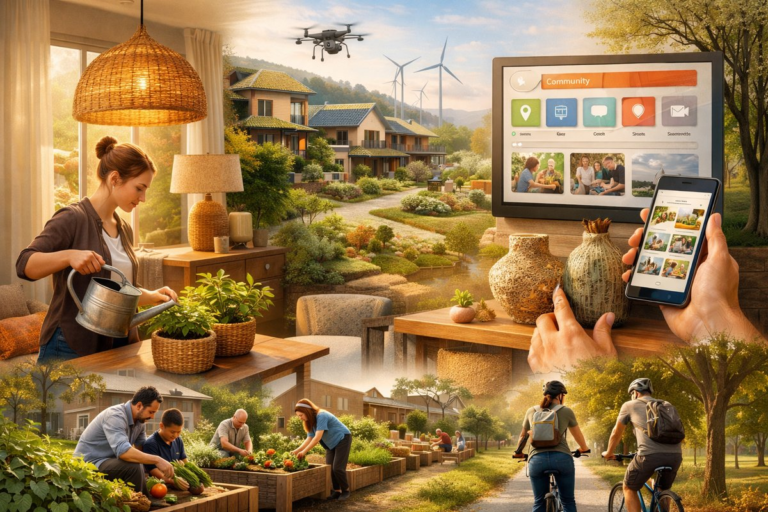
Beyond individuals, a resurgence of micro-communities is reshaping the way skills, goods and support circulate. Neighborhood bartering apps facilitate everything from borrowed tools to recipe swaps, while localized seed exchanges are enabling gardeners to trade heirloom varieties rather than rely solely on large-scale suppliers. Pop-up repair cafés-spaces where volunteers teach bicycle and electronics fixes-are sprouting in urban hubs, reviving once-lost trades and fostering intergenerational connections. These grassroots networks frequently meet in modular community centers retrofitted from shipping containers or repurposed storefronts, emphasizing sustainability and adaptability. The result is a patchwork of smaller, resilient ecosystems speaking directly to the human desire for belonging and mutual aid.
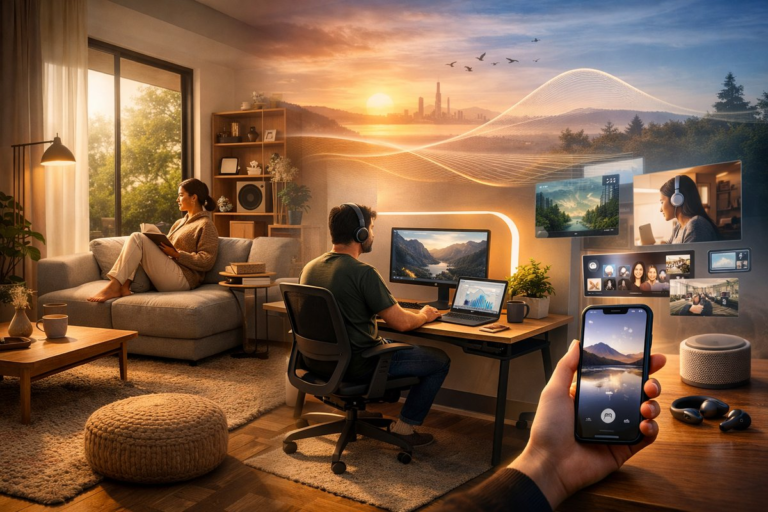
Finally, the line between office and home has blurred so thoroughly that people are reinventing domestic spaces to meet professional and personal needs simultaneously. Adjustable laptop stands, compact sit-stand desks and mechanical keyboards are cropping up alongside houseplants and framed artworks in the same corner of an apartment. Smart lighting systems shift color temperature throughout the day, supporting focused work in the morning and creating warm, relaxing ambiance by evening. Wireless chargers tucked into bedside tables have become as standard as alarm clocks, while small whiteboards and pinboards anchor planning sessions without commandeering an entire wall. This holistic approach to the work-life continuum exemplifies a broader willingness to design environments that evolve as swiftly as our schedules.
While each of these five trends operates in its own domain-culture, consumption, technology, community and workspace-they converge around shared values: sustainability, emotional intelligence and adaptability. The appetite for experiences that honor privacy and well-being coexists with a drive toward collective ingenuity and resourcefulness. Hybrid realities, for example, not only rely on digital hardware but also spark new forms of social rituals, whether it’s a virtual book club using mixed-reality avatars or a communal sunrise yoga session streamed to remote participants. Similarly, modular design in both furniture and community hubs invites ongoing remixing, blurring the line between consumer and creator.
These patterns signal more than isolated innovations; they point toward an architecture of daily life built on flexibility and mindfulness. By weaving together lightweight tech, eco-minded practices and localized networks, individuals and groups are crafting systems that can pivot quickly in the face of economic, environmental or social shocks. The result is a mosaic of micro-habits-charging gadgets with solar power, swapping leftover seeds, dialing back screen time-that collectively add up to a macro-shift in how we relate to our surroundings.
Looking ahead, the momentum behind these emerging behaviors suggests a continued de-centralization of traditional norms. Expectations for work, leisure and community will likely become even more fluid, with transient collaborations giving way to tighter local bonds when circumstances demand. Manufacturers and service providers that recognize this dynamic will need to offer products and platforms that adapt easily, respect privacy, and support sustainable cycles of use and reuse.
Ultimately, these signals of change reveal what we value: autonomy over our digital and physical environments, stewardship of resources, and authentic connections-both virtual and in-person. While individual trends may evolve or be supplanted, their underlying ethos will continue to shape the next wave of everyday innovations. By paying attention to these subtle undercurrents-whether through an app that reminds you to look away from the screen, a micro-community exchange, or a modular shelving unit that you reconfigure seasonally-we gain a preview of where society is heading and what truly matters as we navigate uncertain times.