Location
Mount Vernon, WA 98274
Location
Mount Vernon, WA 98274

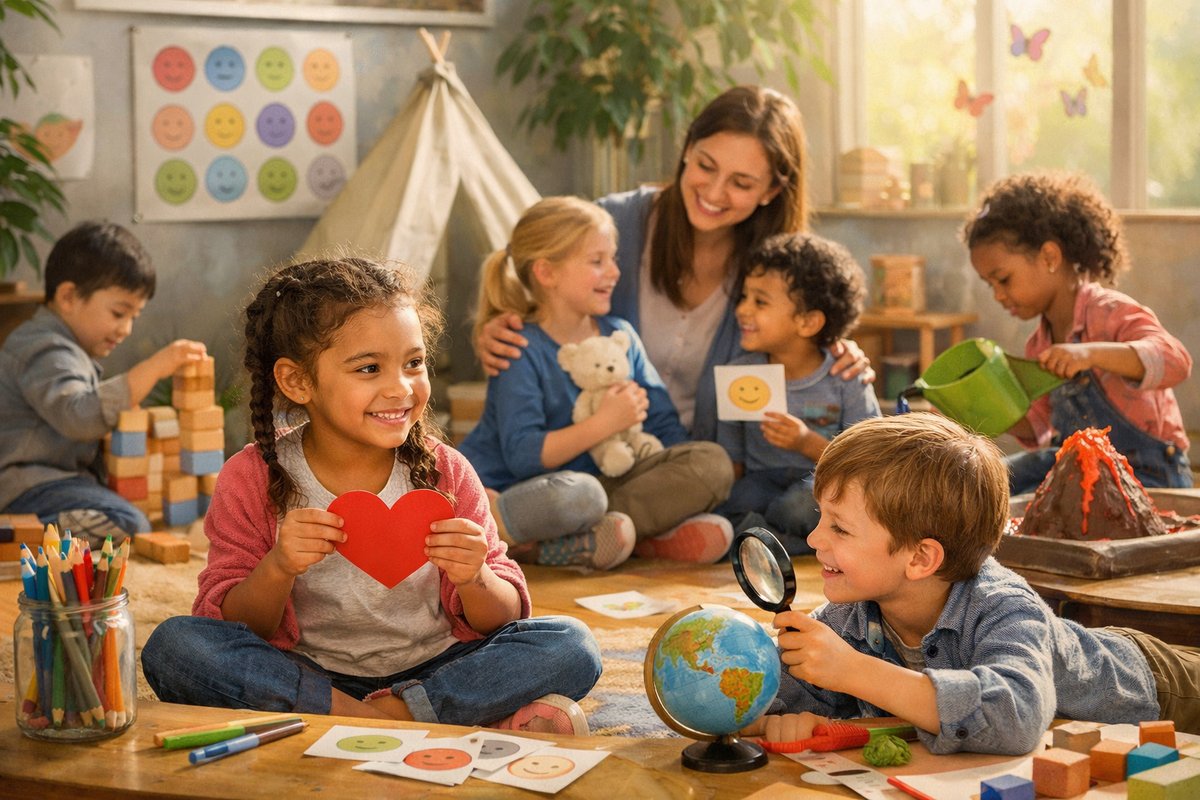
A growing movement among educators and families is shifting the focus from rote memorization to heart-centered learning. By blending emotionally intelligent tools with hands-on play, parents and schools are unlocking curiosity, agency, and resilience in children.
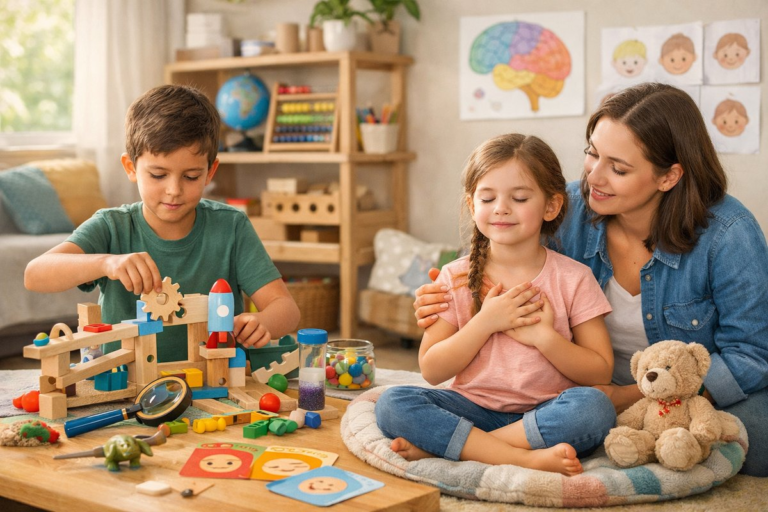
A coalition of elementary schools and community centers across the country has recently rolled out a pioneering initiative that intertwines emotional well-being with hands-on learning. Instead of drilling facts, teachers are inviting students to explore their feelings through daily check-ins, collaborative building projects, and reflective journaling. At home, parents are following suit-transforming dining tables into creative labs stocked with building blocks, emotion flashcards, and mindfulness journals.
The trend speaks to a wider recognition: growth happens best when curiosity and emotional safety go hand in hand. Recent research published in a leading education journal found that children who engage in structured social-emotional activities score 15 percent higher on creativity assessments than peers in traditional classrooms. Meanwhile, parents report lower stress levels and deeper connections with their kids when they adopt playful, emotion-focused routines.
Many learning specialists trace the shift back to a series of studies exploring “executive function” in early childhood. These studies emphasize not just self-control but self-awareness and empathy. “We used to think impulse control was the end goal,” says an educator spearheading the new curriculum in a Midwestern district. “Now we see that recognizing and naming emotions powers the very executive skills young people need-planning, problem-solving, collaboration.”
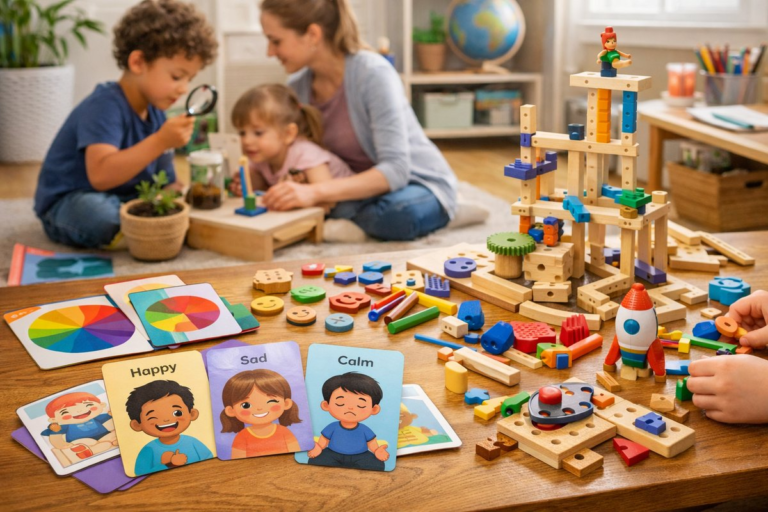
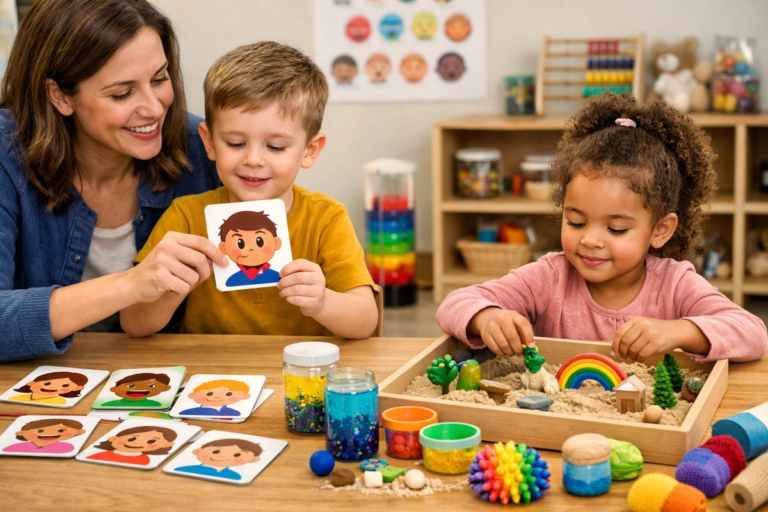
In one urban community center, a weekly workshop invites families to build with natural wood blocks, then brainstorm stories about the structures. Children pair each tower or bridge with a feeling prompt: proud, cautious, hopeful. The emotion flashcards laid out on the table encourage them to pause and reflect: “Why does this creation feel hopeful?” “How would you redesign it if you felt brave instead?” Parents watch as shy second-graders grow into confident storytellers, seamlessly blending play and introspection.
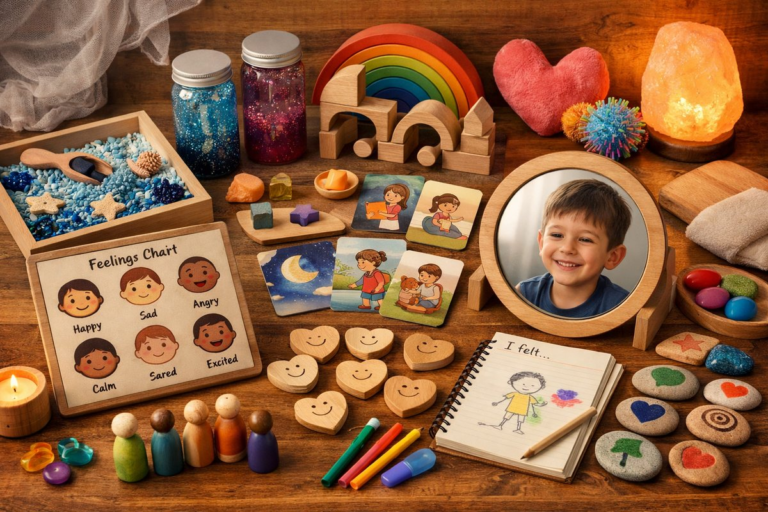
Across town, another parent volunteers in a program that hands out mindfulness journals to every first-grader. Each page offers a simple prompt-“Draw something calm” or “Write about a time you helped someone”-followed by space to doodle or write. Teachers report that children who use the journals daily are more attuned to their classmates’ moods and better able to resolve conflicts without adult intervention. A mother of a six-year-old explains how the journal became a nightly ritual: “We light a small lamp and share one thing we’re grateful for. Then my son writes or draws it. He’s started asking questions about kindness and fairness that surprise me.”
At the heart of these innovations lie tactile materials designed to anchor abstract feelings in real-world experiences. Montessori-inspired wooden building blocks offer open-ended play, encouraging children to experiment with balance, scale, and design while parents guide conversations about frustration and triumph. Squeezable sensory fidget toys quietly support kids who need a moment of calm during group activities. When a child’s foot starts tapping or hands begin to wander, reaching for a soft textured ball or a chewable silicone spring can make all the difference in staying engaged.
Schools are also introducing STEM exploration kits that pair circuits, magnets, and simple machines with reflective prompts. After constructing a basic motor, students might discuss how powering a fan feels like energizing confidence, or how a magnet sticking fast mirrors the idea of supportive friendships. These mini lessons weave technical understanding with self-expression, reinforcing that logic and emotion aren’t separate domains but complementary forces.
One remarkable example comes from a rural after-school program where ten-year-olds built their own weather station. As they calibrated sensors, they tracked data and then presented forecasts to younger peers. After each presentation, a quick debrief invited presenters to rate their nerves on a scale of one to five, then share strategies for managing stage fright-counting breaths, visualizing calm skies, or holding a small fidget toy. The resulting boost in confidence rippled through the community: shy kids spoke up at city council meetings to advocate for more playgrounds.
Experts say the key to success in these programs is agency: giving children genuine choice in how they engage, create, and reflect. Rather than prescribing a single path, parents and teachers offer options-journaling or drawing, a set of blocks or a puzzle, silent breathing or guided storytelling. This variety respects each child’s learning style and emotional needs, fostering a sense of ownership and pride.
Digital tools haven’t been left behind, but they’re used sparingly and purposefully. A handful of tablet apps guide kids through calming soundscapes while introducing vocabulary for emotions like “curious,” “frustrated,” or “hopeful.” One elementary school pairs a simple feelings-tracker app with color-coded daily charts: green for calm, yellow for unsettled, red for upset. Families can view these charts in a secure portal and tailor evening conversations to support what their child experienced during the day.
Still, many parents report that tangible items-journals, blocks, flashcards-remain the most impactful. The act of touching a smooth wooden cube or flipping a card engages multiple senses, anchoring learning in memory more deeply than swipes on a screen. “You can’t hug an app,” laughs a father who transformed his garage into a half-studio, half-playroom. “But you can build a fortress with blocks, talk about how it felt safe, and then knock it down together when you’re ready.”
The ripple effect extends beyond individual families. Community libraries are hosting “play labs” stocked with donated puzzles, emotion flashcards, and hands-on science kits. Local parenting groups trade tips on scaffolding complex feelings for toddlers-pairing picture books about loss with soft sensory toys, for example. Even pediatricians are weighing in, prescribing simple activities and materials alongside vitamins: “Spend fifteen minutes a day building or journaling,” reads a popular clinic handout, “and check in on one feeling together.”
Critics warn that without proper training, well-meaning parents might inadvertently oversimplify emotions or turn every moment into a “lesson.” But trainers responding to rising demand have begun offering short online courses and local workshops to help adults learn facilitation skills. These sessions cover topics like active listening, validating feelings, and using open-ended questions to guide reflection without judgment.
The payoff, families say, is worth the effort. Nearly every household involved in the new initiative reports improved communication, fewer tantrums, and a deeper sense of teamwork. Children learn that frustration isn’t a failure but a signal to pause and ask for help. They discover that creativity blossoms when emotions are named and nurtured, not suppressed.
As this heart-centered approach gains traction, industry innovators are stepping in with thoughtfully designed tools. Toy manufacturers are launching building sets that come with emotion-word cards. Publishers are printing guided journals with prompts rooted in positive psychology. Even traditional puzzle makers are adding reflective question inserts to encourage post-completion debriefs.
For parents and educators looking to join the movement, experts recommend starting small. Stock a basket with a few tactile toys-wooden blocks, sensory fidgets, a simple puzzle. Set aside five minutes each day for a feelings check-in, using flashcards or a journal prompt. Celebrate the process over the product: focus on the feeling that emerges, not just the tower you built or the page you colored.
Above all, this emerging paradigm invites adults to rediscover childlike wonder alongside their kids. By blending emotional intelligence with creative play, families and schools are not only teaching facts and skills but nurturing the whole person. In an ever-changing world, that may be the greatest lesson of all: curiosity guided by compassion is the foundation of lifelong growth.