Location
Mount Vernon, WA 98274
Location
Mount Vernon, WA 98274

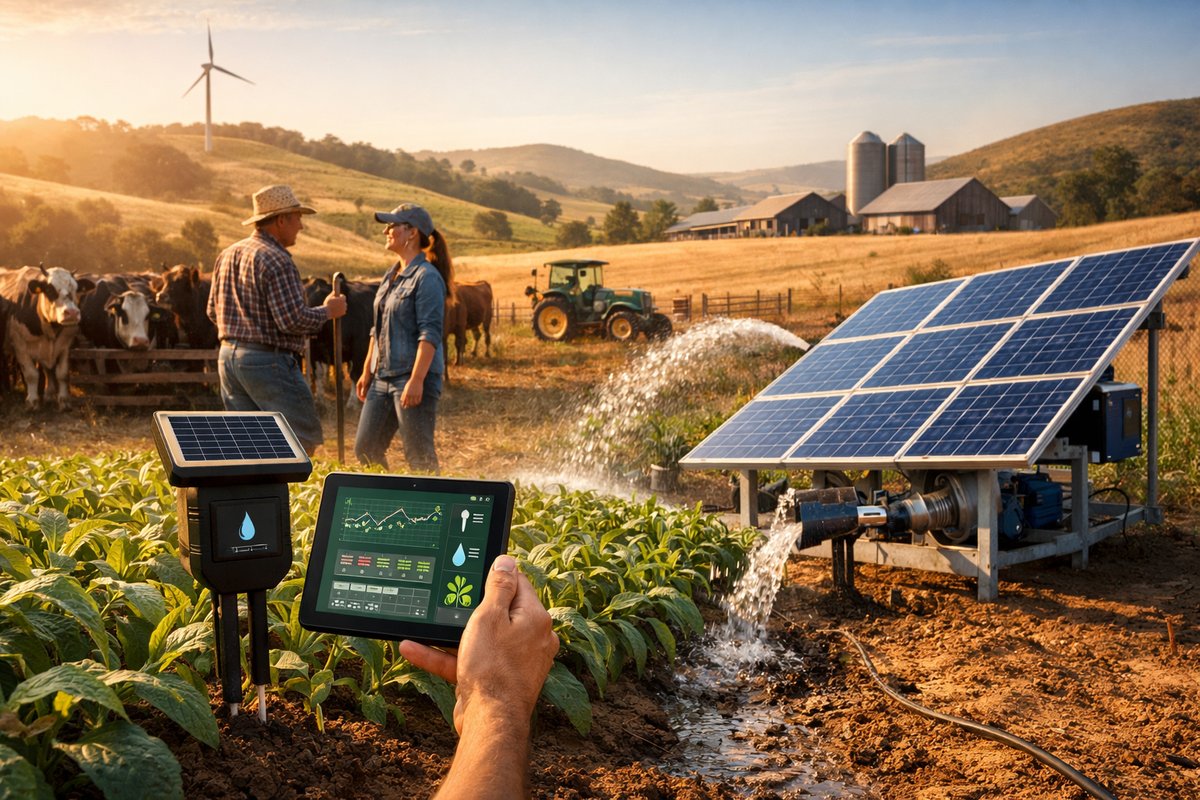
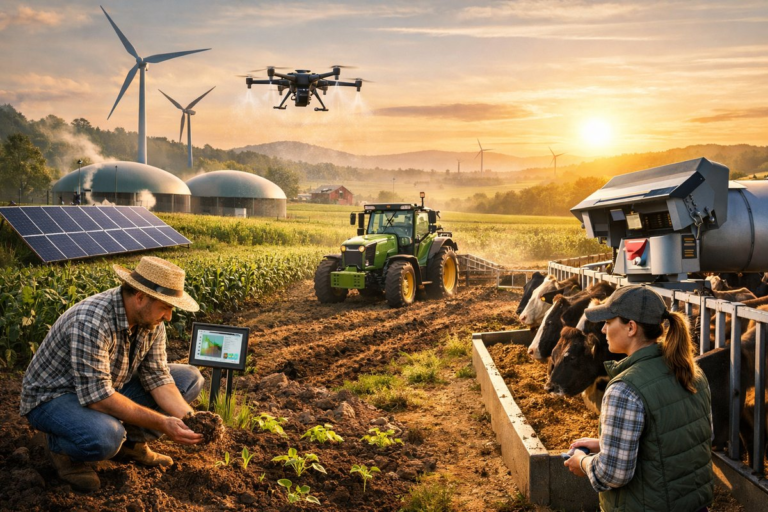
Across rolling pastures and sun-scorched fields, farmers are weaving together age-old wisdom and cutting-edge tools. From soil moisture sensors to solar irrigation pumps, this wave of rural innovation is reshaping animal care and crop production for a more resilient future.
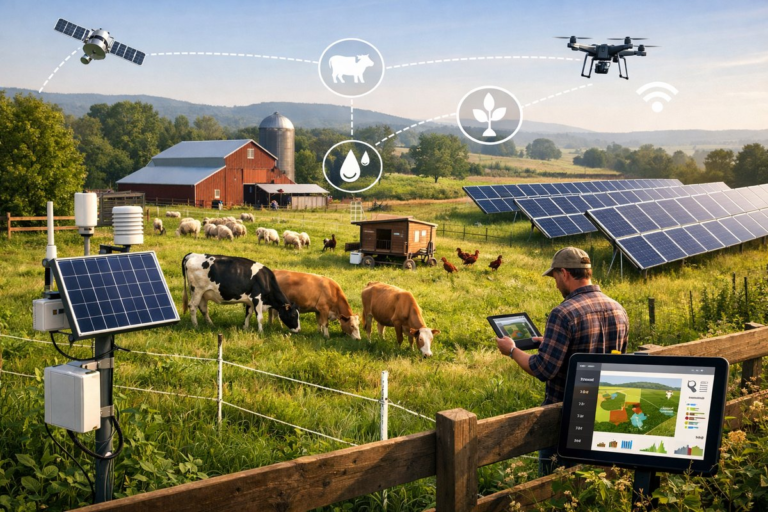
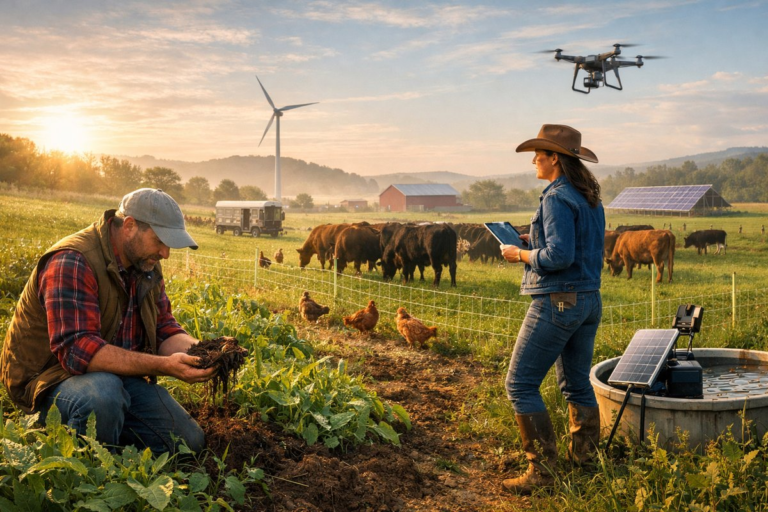
A generation ago, the idea of combining smartphone apps and livestock management might have sounded like science fiction. Today, that vision is grounded in barns and fields from coast to coast. As global demand for food rises and climate pressures intensify, a growing number of farm operators are turning to precision agriculture tools and eco-conscious practices. From networked soil sensors that fine-tune water use to portable electric fencing that supports rotational grazing, these innovations are helping farms boost yields, reduce waste, and enhance animal welfare.
In the heart of the Midwest, a family-run grain operation recently installed a network of soil moisture sensor kits across several hundred acres of corn and soy. By capturing real-time data on moisture levels at different depths, the system has enabled the farm manager to tailor irrigation schedules down to each field zone. “We cut our water usage by nearly 30 percent last season,” the manager reports, “and the plants have never looked healthier.” This shift toward data-driven irrigation not only conserves precious groundwater but also minimizes runoff and nutrient leaching.
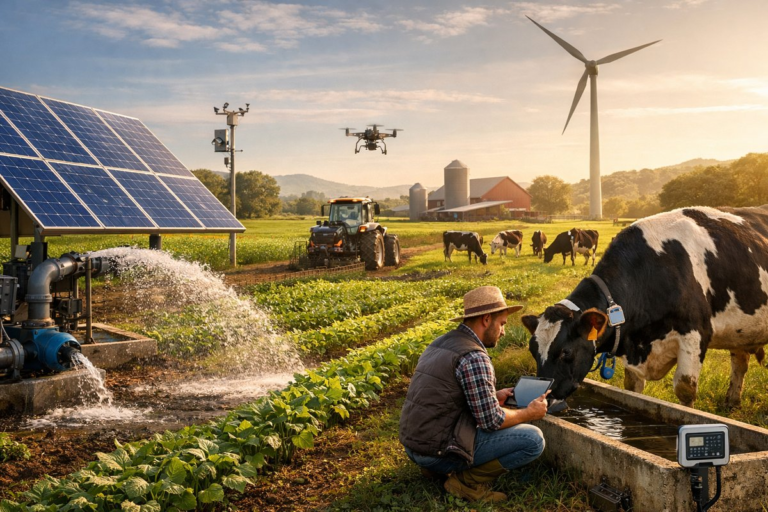
Meanwhile, small-scale vegetable growers in arid regions are deploying solar-powered water pumps to bring life to remote plots. These pumps, coupled with drip irrigation lines, deliver a steady trickle of water directly to plant roots, slashing energy costs and eliminating the need for diesel generators. Solar pumping stations can be scaled from backyard gardens to community farms, making off-grid watering a practical reality even in places without reliable electricity.
In tandem with smarter irrigation, many livestock producers are experimenting with portable electric fence energizers. By dividing pastures into movable paddocks, ranchers can implement rotational grazing strategies that mimic natural herd movements. This approach prevents overgrazing, encourages even manure distribution, and spurs regrowth of forage plants. Seasonal pasture management has been linked to healthier soil carbon levels and improved biodiversity across grassland ecosystems.
Back at the compost pile, an increasing number of farms have switched to compost tumbler bins. Unlike traditional static heaps, rotating composters speed up decomposition by regularly aerating organic materials. Vegetable scraps, manure, and crop residues transform into nutrient-dense humus in weeks rather than months. Farmers spread this homemade compost on fields to replenish soil structure, increase water retention, and gradually reduce reliance on synthetic fertilizers.
Greenhouse starter kits are also witnessing a surge in popularity among farmsteads looking to extend their growing season. These modular greenhouses include adjustable shelving, roll-up sidewalls, and passive vents to regulate temperature and airflow. Seedlings germinate under controlled conditions, and leafy greens can be harvested even during frost months. Some producers are adding hydroponic racks within these structures, cutting water use further and boosting productivity per square foot.
Overhead, drones equipped with multispectral cameras are revolutionizing crop scouting. By capturing high-resolution imagery across visible and near-infrared wavelengths, these unmanned aircraft identify early signs of disease, pest pressure, or nutrient deficiency. Farm managers receive detailed maps highlighting stressed zones, so targeted interventions can happen before problems escalate. This level of preventative care helps reduce pesticide applications and promotes plant health from the ground up.
Data aggregation platforms are emerging as the nerve centers of modern farms. These software solutions integrate growth logs, equipment telemetry, weather forecasts, and market pricing into one dashboard. Growers can analyze historical trends-such as how yield responded to last year’s rainfall patterns-and make informed decisions about planting dates or crop rotations. The result is a feedback loop that continuously refines strategies for yield optimization and resource conservation.
Animal care, too, is benefiting from tech leaps. In livestock herds, GPS tracking collars are providing real-time location data, alerting managers if an animal strays beyond designated areas or if its movement patterns indicate stress or injury. Some collars also monitor temperature and activity levels, signaling when an animal might need veterinary attention. These insights help ensure prompt treatment and reduce losses from illness or predation.
In climate-controlled barns, wireless temperature and humidity sensors maintain optimal conditions for young calves or pullets. Automated ventilation fans activate when heat or moisture thresholds are reached, improving air quality and lowering the risk of respiratory issues. By automating monitoring tasks, farmers can devote more time to direct animal husbandry and welfare practices.
Across rural counties, innovation hubs and cooperative extension centers are stepping up to keep pace with technological change. Workshops on drone piloting, soil health testing, and renewable energy financing equip growers with skills to adopt new tools effectively. Collaborative pilot projects allow multiple farms to share costs on expensive hardware-such as weather stations or machine-vision sprayers-before committing to full-scale deployment.
Community-supported agriculture (CSA) programs and farmers markets are amplifying demand for sustainably grown products, creating new revenue streams that justify tech investments. Consumers increasingly want to know how and where their food was produced, and technology-enabled traceability tools-from QR-coded crates to digital farm passports-are meeting that transparency requirement.
Adoption challenges persist: spotty rural broadband can hamper data uploads, and initial equipment costs may strain tight budgets. Yet several state and federal grant programs have emerged to offset these barriers, funding everything from soil carbon sequestration studies to electric fencing loans. Public-private partnerships are forming to expand high-speed internet access in farming districts, further enabling precision agriculture to flourish.
Looking forward, experts predict deeper integration of artificial intelligence and machine learning in farm operations. Image recognition will detect crop anomalies automatically, while predictive models will forecast pest outbreaks weeks in advance. Robotic harvesters and autonomous tractors are on the horizon, potentially alleviating labor shortages in peak seasons.
What remains constant is the drive toward stewardship-of land, animals, and community. Farmers report that when they reduce chemical inputs and conserve natural resources, ecosystem resilience improves. Wildlife returns, water quality rebounds, and soils become more fertile. As rural entrepreneurs continue experimenting at the intersection of tradition and technology, each new success story reinforces a collective vision: farms that are regenerative, productive, and deeply connected to the landscapes they inhabit.
In this era of rapid change, the enduring lesson is that innovation need not come at the expense of heritage. From rotating compost bins to networked soil probes, each tool complements generational knowledge, empowering farmers to cultivate both abundance and sustainability. For those eager to join the movement-or to upgrade existing operations-the road ahead is paved with possibility and guided by the rhythms of nature.