Location
Mount Vernon, WA 98274
Location
Mount Vernon, WA 98274

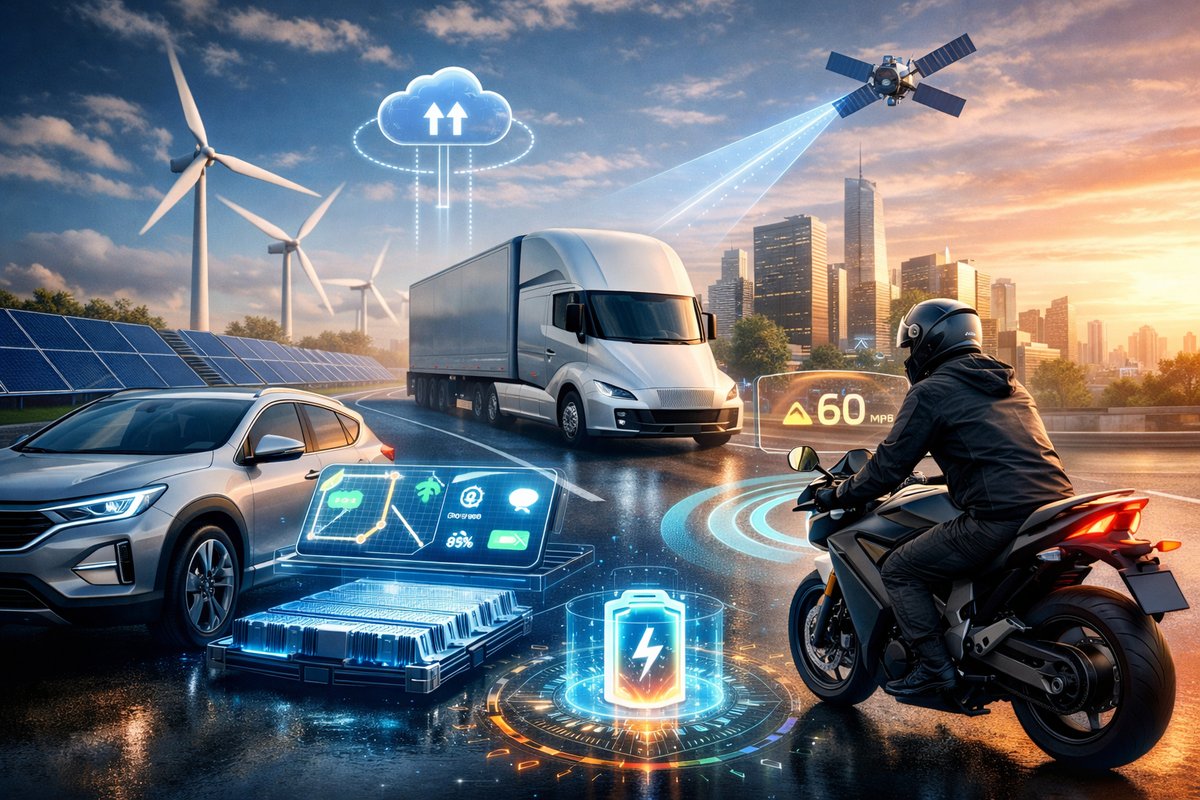
The cars, trucks, and two-wheelers of today are more than machines of motion-they're platforms of connection, safety, and sustainable innovation. From advanced battery breakthroughs to over-the-air software updates, automotive technology is steering us toward a future where every drive weaves new memories.
Every mile we log in a modern vehicle tells a story of innovation, nostalgia, and evolving purpose. What was once a simple chassis, wheels, and an engine has morphed into a living network of sensors, software, and sustainable materials. Global electric vehicle adoption climbed past 10 percent of all new car sales last year, and charging infrastructure now spans thousands of public sites. Yet beyond statistics, it’s the moment you glide through city streets on near-silent power, or the way your car’s screen adapts to your preferences, that reminds us how machines shape our personal narratives.
Advancements in battery chemistry and thermal management have pushed ranges past 300 miles per charge in many mainstream models. Rapid charging stations capable of replenishing 80 percent of battery capacity in under 30 minutes are becoming common along highways. Researchers are experimenting with solid-state electrolytes, promising higher energy density and improved safety margins. Meanwhile, lightweight composite materials and recycled aluminum frames help offset battery weight, resulting in more efficient vehicles that still feel agile on winding roads.
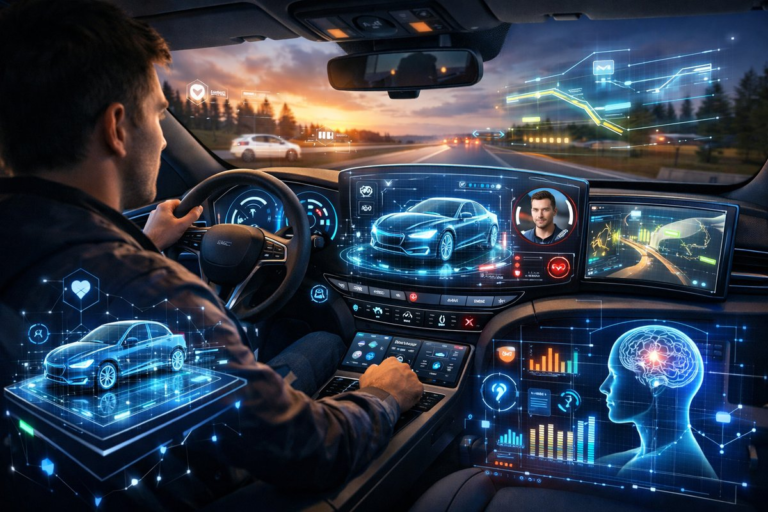
Beyond propulsion, cars have become rolling data centers built around connectivity. Over-the-air software updates resolve bugs, introduce new driving modes, and even unlock hardware latent in older models. Your dashboard now syncs with smartphone profiles, playlists, calendar events, and home automation systems. Voice-activated assistants offer turn-by-turn navigation or temperature adjustments without taking your eyes off the road. Behind the scenes, encrypted telematics ensure vehicle diagnostics are sent directly to manufacturers or service centers, enabling predictive maintenance that can catch wear-and-tear long before it causes a breakdown.
Safety has transformed from reactive airbag deployments to proactive assistance. Advanced Driver Assistance Systems (ADAS) rely on radar, lidar, and camera arrays to monitor surroundings, warn of lane departures, and even apply emergency braking. Steering assist and adaptive cruise controls create a semi-autonomous driving experience on highways, while driver monitoring cameras track eye movement to curb fatigue-related mishaps. As more vehicles share data on road hazards and traffic flow, cooperative safety networks promise to reduce collisions and keep highways-and city streets-moving smoothly.
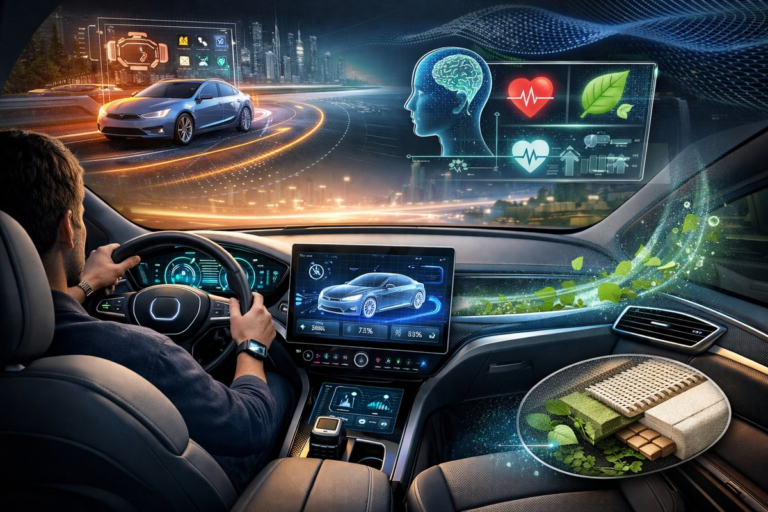
Interior design is undergoing a sustainability renaissance. Vegan leathers, recycled PET fabrics, and plant-based foams are replacing traditional textiles. 3D-printed dash panels minimize waste by using only the exact amount of material needed. Ambient lighting systems adjust hues to match daylight cycles or driver moods. Customizable panels allow owners to swap out colors or textures after purchase, much like streaming new apps onto a smartphone. These modular cabins cater to both personalization and recyclability, ensuring the next generation of vehicles leaves a smaller environmental footprint.
Nostalgia still plays a powerful role in the automotive world. Specialty shops are converting classic internal-combustion cars to electric powertrains, retaining original chassis numbers and curb appeal while adding modern reliability. Vintage roadster clubs now debate battery placement and motor torque curves alongside carburetor tuning. The result is a bridge between eras: the visceral thrill of a restored muscle car and the futuristic simplicity of instant torque and whisper-quiet operation.
Infrastructure is catching up with vehicle innovation. Public fast-charging corridors run along major highways in multiple regions, while workplace charging stations appear in office parking lots. Community parking garages are integrating solar canopies that both power EVs and feed energy back to the grid. Gigafactories in diverse climates optimize production of battery cells, cutting transport footprints and cost. Alternative fuels-hydrogen for heavy trucks or biofuels for aviation-are seeing pilot programs in response to rising demands for zero-emission logistics.
On long road trips, technology transforms highways into interactive experiences. Augmented reality head-up displays project turn markers directly onto your windshield, while apps tailored to electric travel map charging stops and local points of interest. Smart gloves or steering wheel controls allow cyclists and motorcyclists to remain connected without removing focus from the ride. Even camping trailers are joining the grid: modular solar panels and portable battery packs supply off-grid power for lights, fridges, and mobile Wi-Fi hotspots at remote campsites.
A groundswell of do-it-yourself culture has also redefined aftermarket customization. Garage tinkerers use open-source tuning software to remap engine or motor output for improved efficiency or performance. Bluetooth OBD-II dongles relay live diagnostics to smartphone apps, empowering drivers to track fuel economy or sensor health in real time. Enthusiast forums share 3D-printing files for custom trim pieces and mounting brackets, while digital marketplaces connect builders looking for rare components. The ethos of privacy first ensures personal driving data remains under individual control.
What’s next? Concepts once reserved for sci-fi are inching closer to reality. Air taxis and personal vertical take-off and landing vehicles are undergoing certification trials. High-speed ground transport tunnels aim to zip passengers beneath cities at hundreds of miles per hour. Fuel cell semi-trucks promise long-haul efficiency without diesel emissions, and urban micro-mobility fleets integrate e-scooters and e-bikes into transit apps. Through every twist of innovation, one truth remains: the machines that move us also carry our memories, our dreams, and our shared journey toward a more connected, sustainable future.