Location
Mount Vernon, WA 98274
Location
Mount Vernon, WA 98274

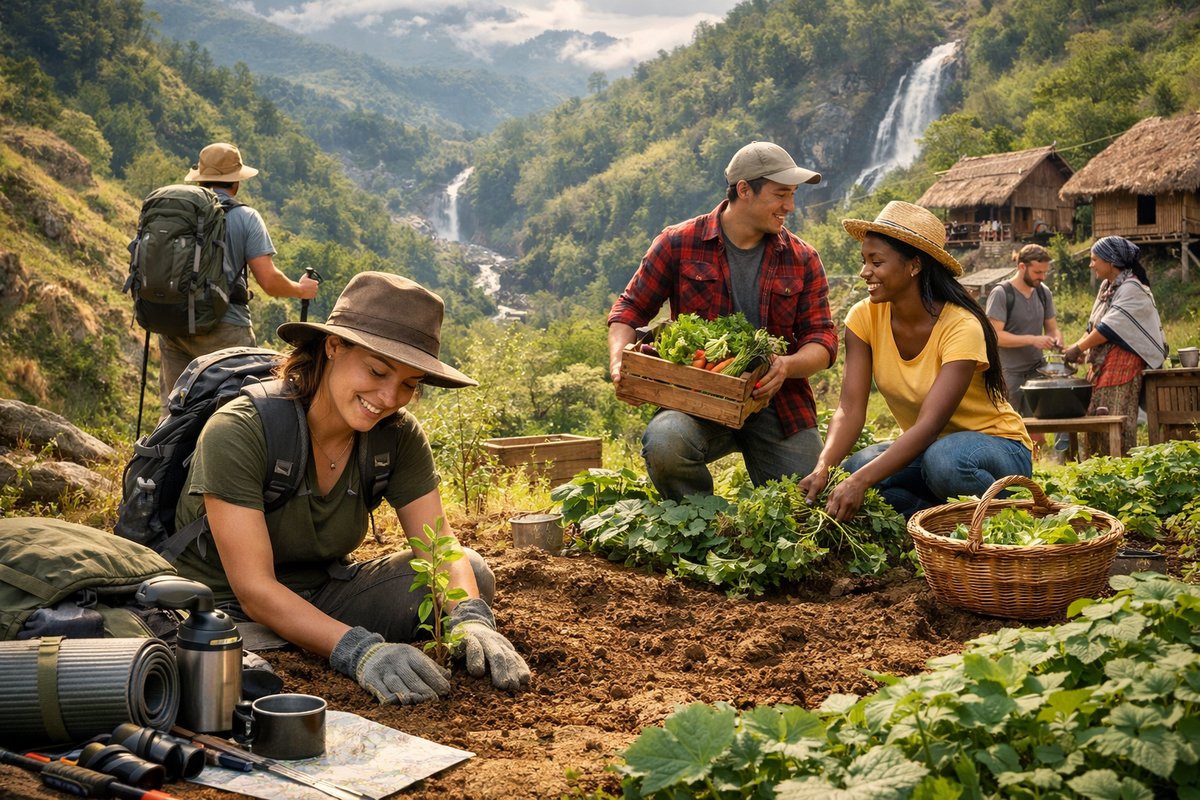
A growing wave of travelers is redefining leisure by weaving community service, sustainable exploration, and cultural immersion into short getaways. Meet the weekend adventurers turning remote trails and local farms into purposeful playgrounds-fueling their journey with thoughtful gear and mindful planning.
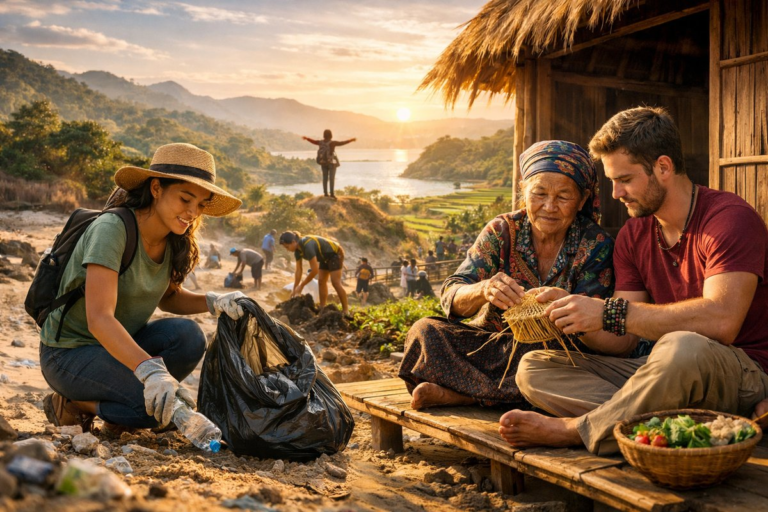
In recent months, travel trends have shifted from sunbathing on crowded beaches to micro-adventures that blend outdoor exploration with community impact. According to a travel industry report, more than half of weekend travelers now seek experiences that leave a positive footprint-whether clearing debris from mountain trails, foraging wild herbs beside family-run farms, or sharing meals prepared from local harvests. Far beyond conventional escapism, these short trips pack a powerful purpose.
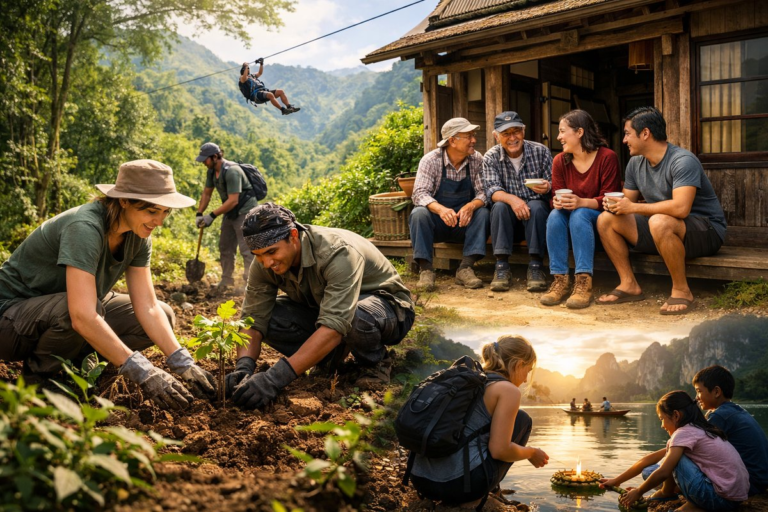
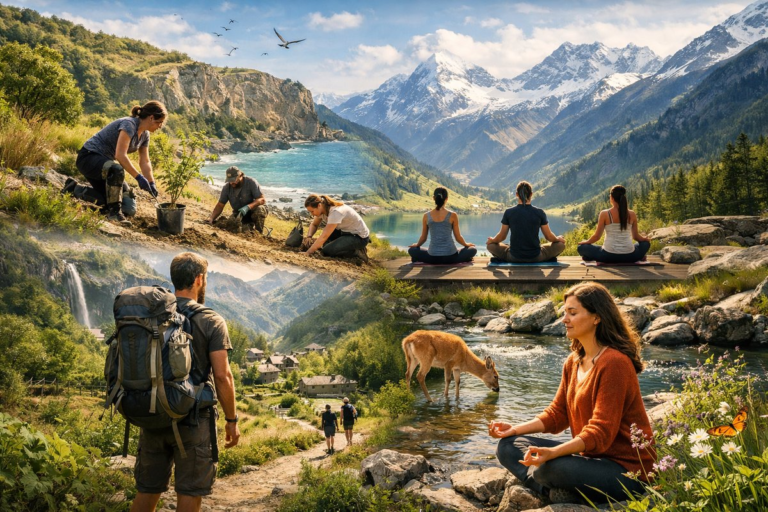
Last Saturday, a group of twenty city dwellers loaded backpacks outside a co-working hub, not for a business retreat but for a three-day expedition into a nearby forest preserve. Their mission? Repairing torn trail signage, planting native wildflowers along eroded slopes, and gathering oral histories from long-time park volunteers. “The best part,” one volunteer shared, “is realizing how little it takes to make a lasting difference in a place you might otherwise just drive past.”
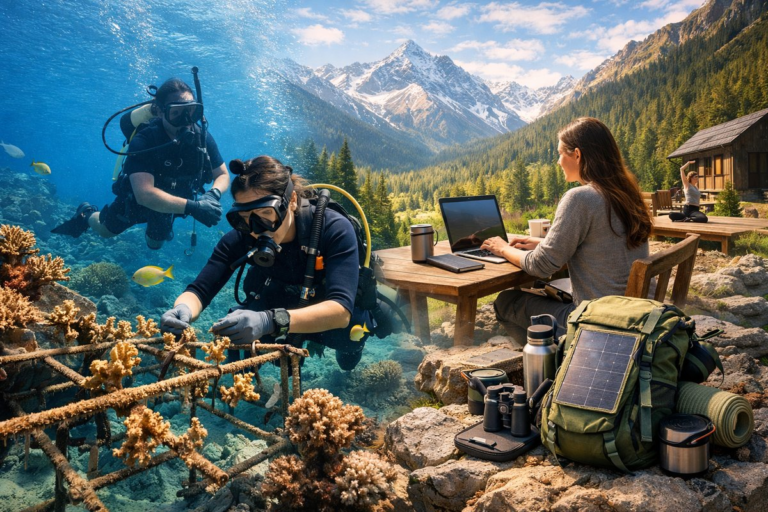
This type of travel-sometimes called voluntourism or community-centered micro-adventure-has gained traction among young professionals balancing remote work and limited vacation days. Fast-internet connections and flexible schedules mean Friday afternoons can pivot from emails to backpack zippers, and Monday mornings arrive with new soil under your nails rather than a sunburn from poolside lounging.
But purposeful travel demands more than enthusiasm. Traversing uneven terrain or remote country roads requires reliable navigation tools, while volunteering on farms or in conservation areas calls for durable, multi-use gear. Photographers and storytellers tagging along need compact camera setups that resist dust and rain. Everyone benefits from lightweight, easily sanitized packing solutions and hydration systems that address regional water quality.
On day two of the forest preserve project, participants split into two teams. One repaired section markers along a ridge trail that once guided horse-drawn carriages, while the other spent the afternoon at a neighboring farm. There, they learned regenerative agriculture techniques, tilled new beds for heirloom vegetables, and helped craft a communal lunch using radishes, kale, and mushrooms foraged in the woods. Local growers explained how reducing soil tillage can improve yields without synthetic fertilizers-an insight that travelers documented for a crowdfunding campaign to expand the farm’s outreach.
Between garden beds and hiking boots, a volunteer named Emilia found a quiet moment to sketch the morning’s work in a compact notebook. She later posted her ink-and-pencil illustrations online, inspiring others to sign up for follow-up weekends. Drawing under a canopy of maples not only captured the farm’s character but also reinforced the transformative power of keeping a travel journal-a place where memories and personal reflections coexist.
By dusk, the group reconvened at a riverside clearing to debrief around reusable camp dishes brimming with sautéed greens and freshly baked cornbread. Conversations turned to next steps: installing rainwater catchment barrels, setting up compost stations at the preserve’s trailhead, and mapping bird-watching routes that could support local eco-tour guides. Participants agreed that bringing back such insights to their home communities could spark similar efforts nationwide.
Balancing the physical demands of trail maintenance with the desire to capture every photo and insight underscores the importance of smart packing. Lightweight travel backpacks with modular compartments allow volunteers to carry tools, snacks, camera gear, and personal items without shoulder strain. Waterproof pouches safeguard smartphones, maps, and emergency kits from sudden downpours. Nanofiber travel towels dry quickly after creek crossings, and breathable performance layers wick moisture during midday hikes.
Connectivity, too, plays a surprising role. Many remote parks lack cellular service, driving travelers to rely on offline mapping apps. Pre-loaded topographic maps guide first-timers through dense forests. Portable solar chargers or high-capacity power banks ensure that GPS trackers, LED flashlights, and camera batteries stay powered through extended outings. Such gear investments mean fewer last-minute dashes back to town and more uninterrupted time volunteering and exploring.
Evenings often melt into storytelling sessions by the campfire, where digital noise-canceling earbuds become a sanctuary for volunteers who need a moment of solitude or ambient soundscapes to fall asleep under the stars. In the hustle of a purpose-driven itinerary, carving out pockets of quiet reflection with a curated playlist or guided meditation can recharge both body and mind.
As outdoor programming evolves, travelers also seek tools that minimize environmental impact. Stainless steel water bottles paired with built-in filter cartridges eliminate disposable plastic and ensure safe drinking water in backcountry springs. Packable rain jackets made from recycled materials offer wind and moisture protection on steep ridges. And collapsible cooking kits, designed for group meals, cut down on individual cookware while delivering hot communal breakfasts.
Back at the trailhead, when the weekend wraps, travelers share data and photos via group cloud folders to highlight accomplishments. Restoration crews flag down future volunteers. Farm managers harvest vegetables planted days earlier by newcomers who have already booked the next weekend. The cycle of purposeful travel extends far beyond the original trip dates.
For many, these journeys open doors to new careers or lifelong passions. Park rangers report upticks in volunteer inquiries, while sustainable farmers see spikes in small-scale CSA memberships. Even travel insurers are rolling out specialized coverage for conservation-oriented excursions. As one participant noted, “This isn’t vacation-it’s an investment in experiences and relationships that shape the places we love.”
Ultimately, the era of passive travel gives way to active stewardship. With the right mindset and well-chosen gear, a single weekend can plant a seed-literally and figuratively-for resilient landscapes and engaged communities. Whether you’re repairing trails in a state park or learning vermicomposting methods in a countryside orchard, the journey ahead demands both heart and preparation. And for those ready to chart a path of purpose, every adventure starts with a thoughtfully packed bag.