Location
Mount Vernon, WA 98274
Location
Mount Vernon, WA 98274

A playground for curiosity, precision, and awe. From the quantum to the cosmic, the cellular to the societal, this category explores the forces and patterns that shape our world. Whether you’re decoding light, mapping ecosystems, or pondering consciousness, Science invites you to think deeply and discover boldly.
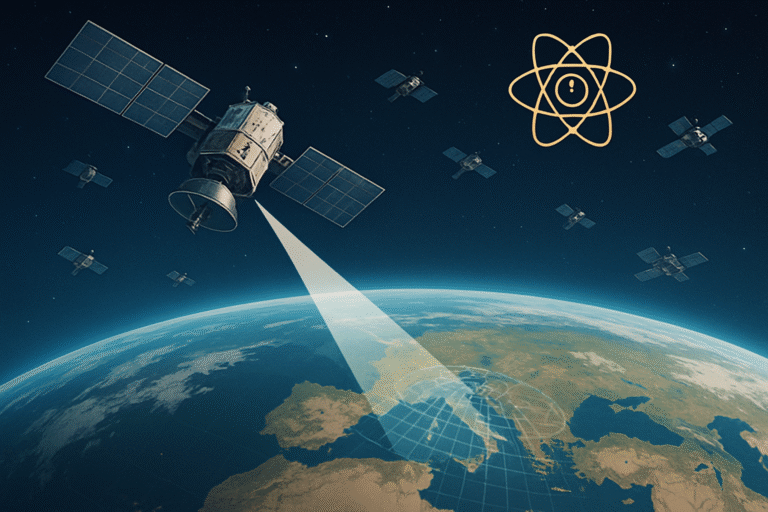
As a new generation of space-time mapping satellites and atomic-clock constellations prepare to transform navigation and scientific discovery, concerns are mounting over their capacity to double as powerful surveillance systems. This article explores the technical advances enabling unprecedented precision in cosmic cartography and examines the legal, ethical, and regulatory frameworks needed to safeguard individual privacy on Earth.

As fleets of high-resolution imaging satellites, quantum sensors, and AI-driven mesh networks ascend into orbit, concerns over individual and national privacy have taken on cosmic proportions. Emerging technologies promise unparalleled Earth observation and space-time mapping capabilities but also raise the specter of unchecked surveillance from above.
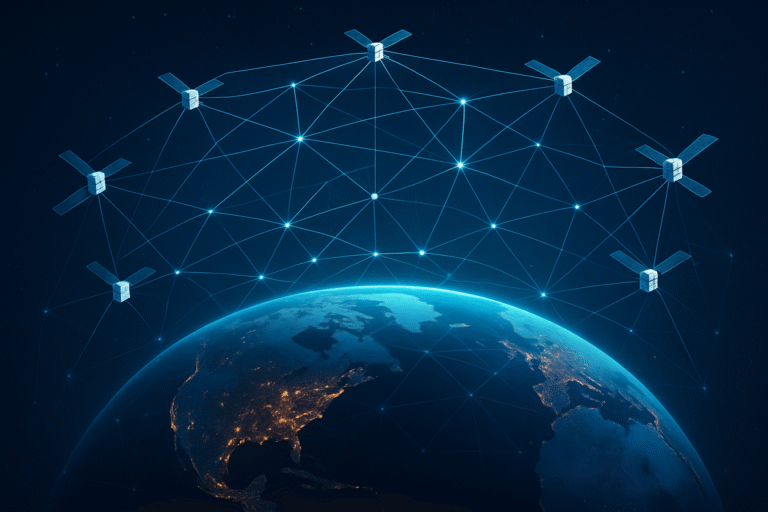
New low-Earth orbit mesh networks promise near-instant connectivity and real-time sensor fusion across continents, but they also raise formidable questions about metadata collection, hidden surveillance vectors, and the ethical boundaries of space-based data gathering. As regulators and technologists race to establish norms, satellite operators and end users must weigh the rewards of universal coverage against the risks to individual privacy.
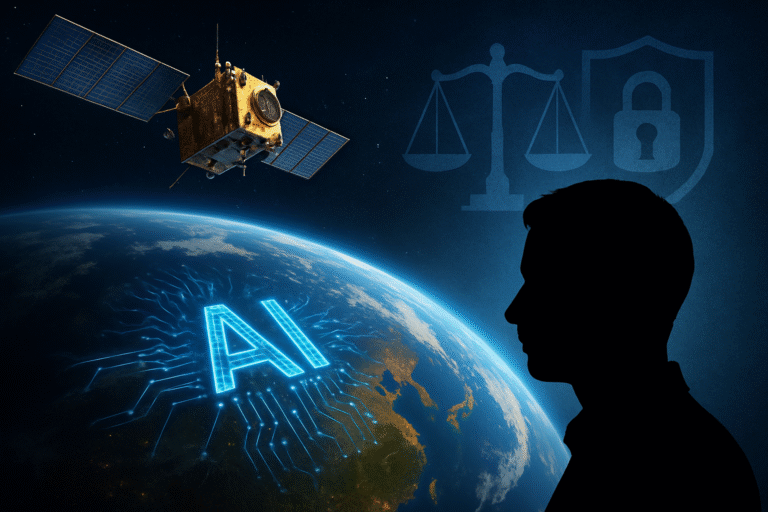
A new wave of satellites equipped with edge artificial intelligence promises unprecedented real-time Earth monitoring, yet courts urgent questions about personal privacy and civil liberties. As governments and commercial operators deploy these space-based sentinels, experts warn that existing legal and technical safeguards may not be up to the task.

A recent milestone in space-based quantum key distribution promises unbreakable encryption channels by exploiting entanglement and space-time phenomena. While the technology could revolutionize secure communications, experts warn it also risks enabling unprecedented covert surveillance by state and nonstate actors.

Maria never saw it coming. Her phone, once a lifeline for truth, had become a surveillance device. Pegasus spyware had infiltrated her world—silently, completely. This article exposes the reality of digital surveillance and shows how tools like MVT can help you detect and defend against mobile spyware. Privacy isn’t a luxury—it’s a right worth fighting for.
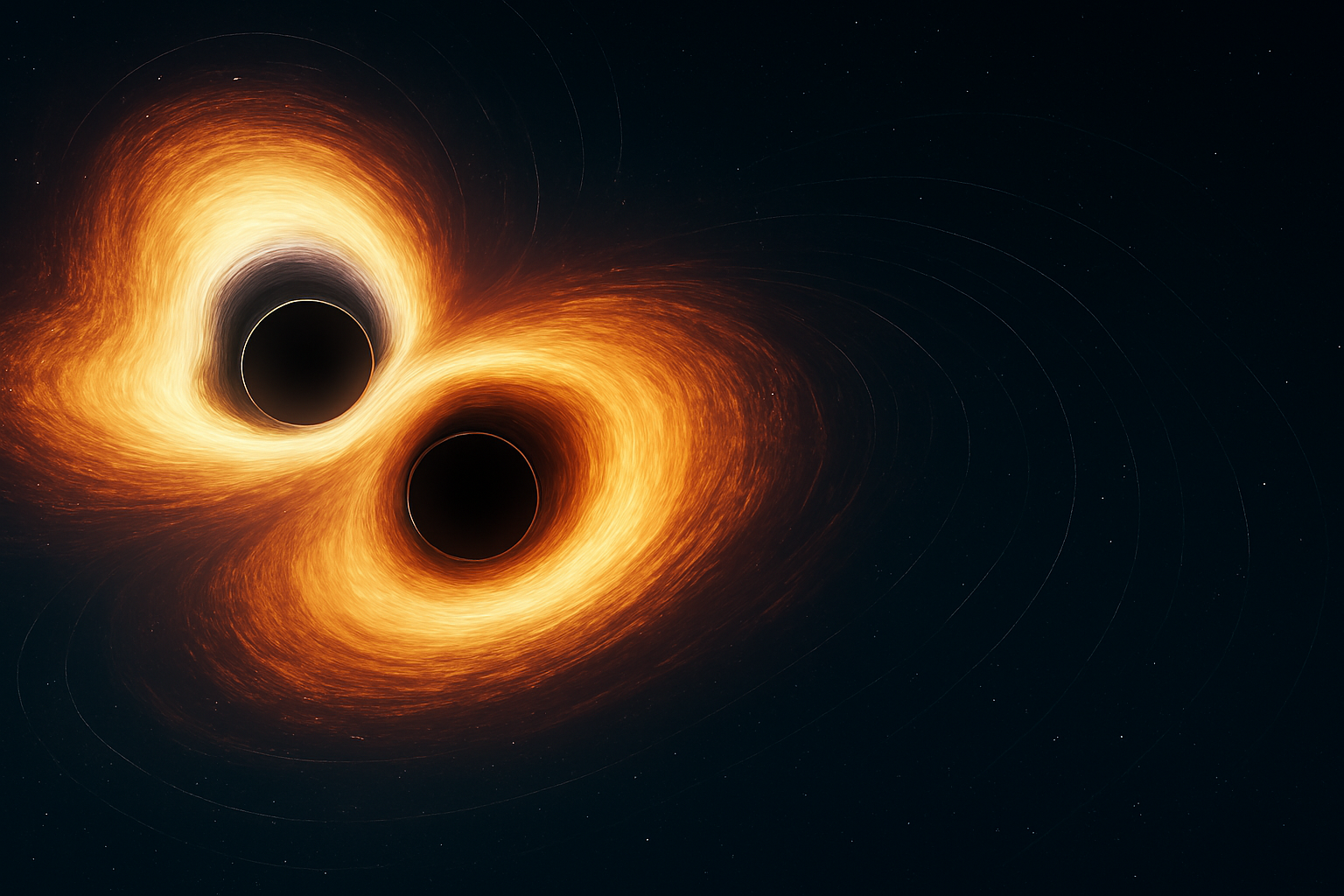
In November 2023, scientists detected GW231123—a record-breaking black hole merger that defied expectations and reignited cosmic curiosity. But what if we imagined something even more extreme? This editorial explores a hypothetical collision between TON 618 and IC 1101, the universe’s largest known black holes. The result: gravitational waves that could reshape spacetime itself, and a “hypermassive singularity” that challenges the very definition of a black hole.
A speculative journey into the idea of “frozen light” from the early universe—and the tools that help us explore cosmic mysteries today.