Location
Mount Vernon, WA 98274

Location
Mount Vernon, WA 98274
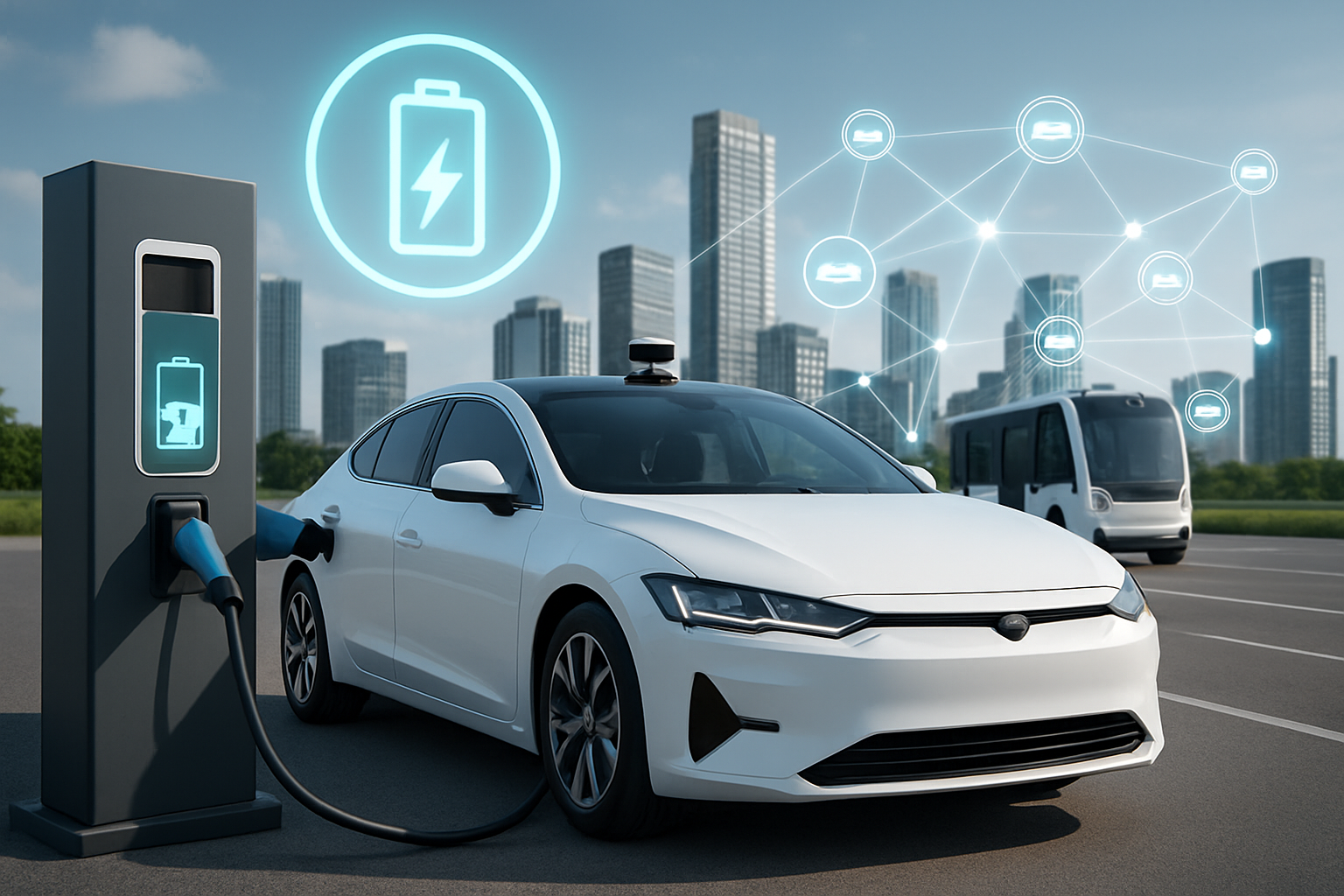
From rapid advances in battery chemistry to the rollout of autonomous driving features, the automotive landscape is transforming at unprecedented speed. This article explores cutting-edge developments in electric vehicles, connectivity, shared mobility, and infrastructure that are reshaping how we move.
The automotive industry is undergoing a seismic shift. As global sales of electric vehicles (EVs) surged past 10 million units last year, carmakers and suppliers are racing to innovate across multiple fronts. From breakthroughs in solid-state batteries to the proliferation of advanced driver assistance systems (ADAS), the convergence of electrification, connectivity, autonomy, and sustainability is redefining personal and public transportation. This transformation is driven by climate goals, consumer demand for seamless experiences, and new business models that emphasize shared access over private ownership.
The transition to electric powertrains has moved from niche to mainstream in less than a decade. In key markets-Europe, China, and North America-EV market share now hovers between 15% and 25% of new vehicles sold. Government incentives, stricter emissions regulations, and growing network coverage of charging stations have all played pivotal roles. While early adopters prioritized luxury marques, the most recent wave features a wider range of affordable models priced under $40,000, appealing to budget-conscious buyers.
Leasing and subscription schemes are further lowering the barrier to entry. Several startups have launched flat-fee plans that include insurance, maintenance, and charging credits. This bundling approach mirrors the smartphone industry’s all-inclusive data plans, giving consumers predictable monthly costs. As a result, even fleets and small businesses are upgrading to electric vans, pickup trucks, and SUVs, accelerating scale and driving down total cost of ownership.
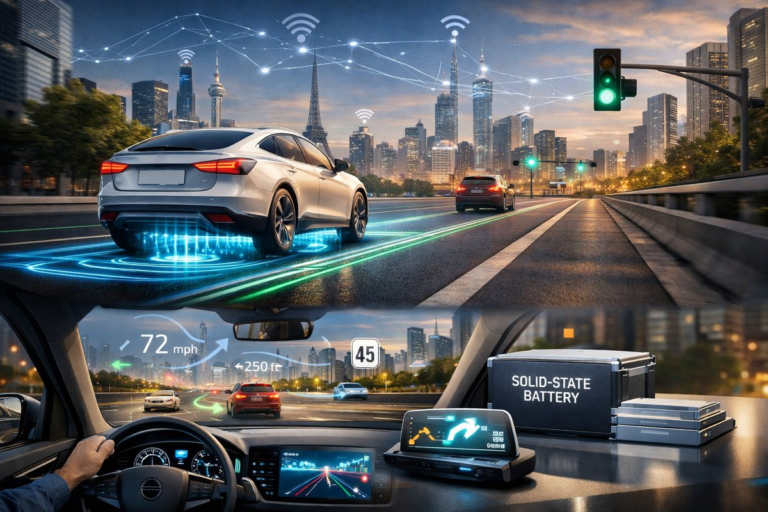
Battery innovation remains the linchpin of EV progress. Today’s lithium-ion cells can safely store up to 500 watt-hours per liter, yet researchers are targeting densities above 800 Wh/L. Solid-state batteries-where the liquid electrolyte is replaced by a solid material-promise greater energy density, faster charging, and enhanced safety. Several automakers have announced prototype vehicles with solid-state packs expected to enter limited production within the next three years.
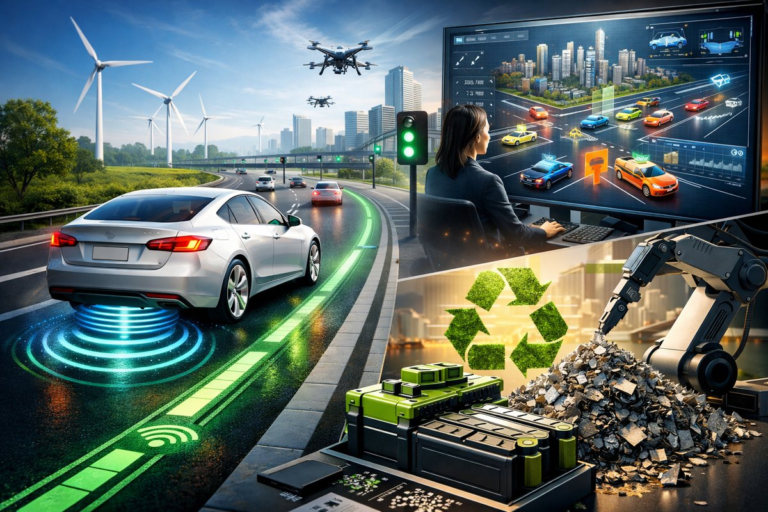
Cobalt-free chemistries are another hot topic. By swapping expensive and ethically fraught materials for more abundant elements like iron or manganese, manufacturers can reduce costs and minimize supply-chain risks. Fast-charging architectures capable of adding 200 miles’ range in under 10 minutes are making their way into flagship models. Meanwhile, innovations in battery recycling and second-life stationary storage are closing the loop on raw materials and extending the economic value of used packs.
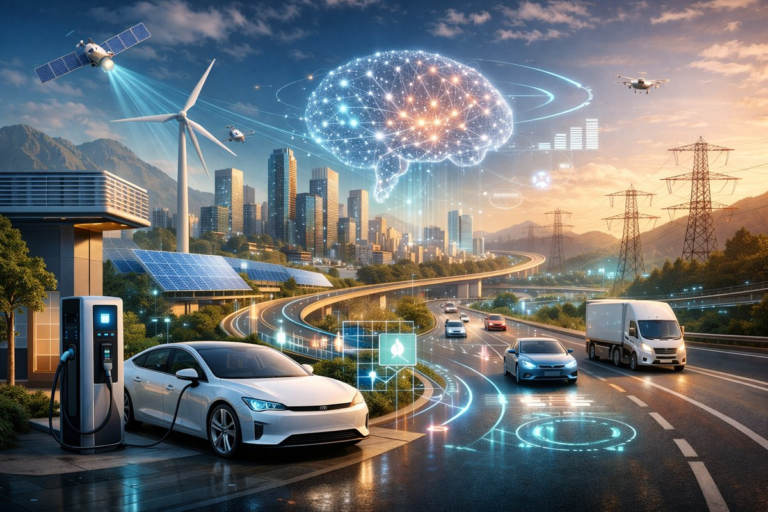
Robust charging infrastructure underpins widespread EV adoption. Public charging ports worldwide now exceed 2 million, with network operators deploying high-power DC fast chargers along major corridors. Ultra-rapid chargers delivering up to 350 kW are reducing en route charging times to realistic travel-break durations. In urban settings, curbside and destination charging solutions integrate with lamp posts and retail parking lots, offering convenient top-ups during daily routines.
Intelligent energy management systems are optimizing when and how vehicles draw power. Vehicle-to-grid (V2G) technology lets EVs feed electricity back into the grid during peak demand, providing a buffer for intermittent renewables. Aggregators coordinate fleets of vehicles to deliver grid services, creating new revenue streams for owners. Smart charging apps further allow drivers to schedule overnight charging when electricity rates are lowest and prioritize carbon-free generation on the local network.
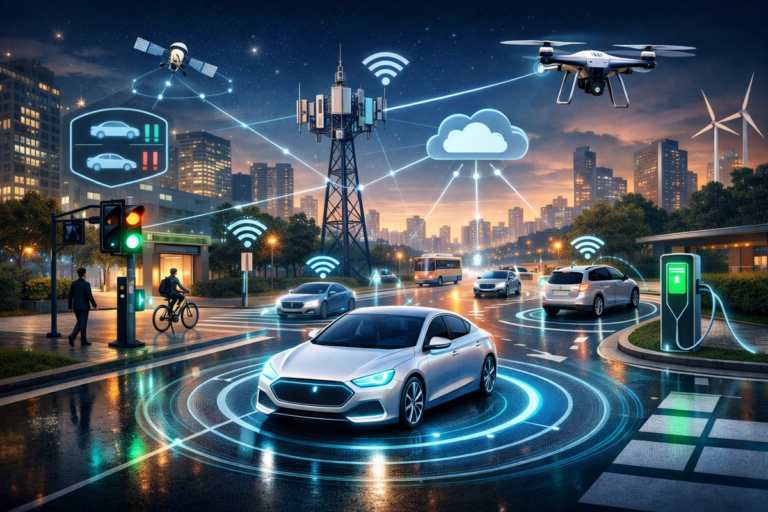
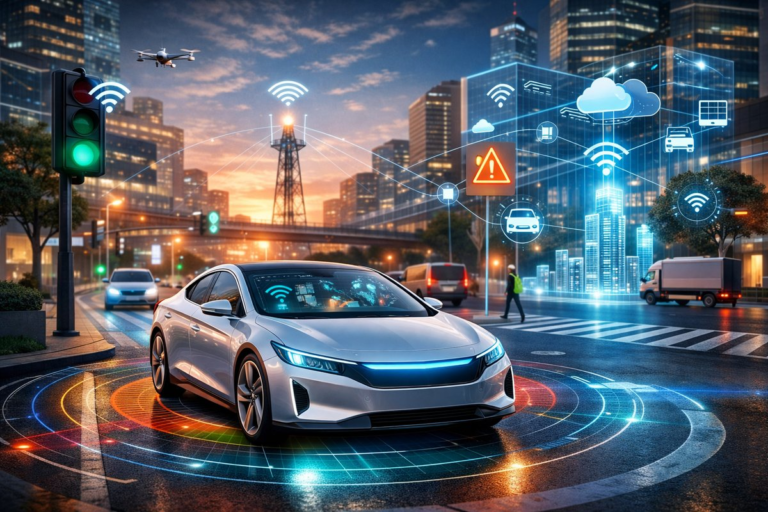
Connectivity is no longer an add-on-it’s fundamental. Embedded telematics modules transmit vehicle health data in real time, enabling predictive maintenance and software-over-the-air updates. Mobile apps grant remote control over climate settings, charging sessions, and even valet parking maneuvers. Over-the-air platforms are evolving to support safety-critical updates, paving the way for advanced driver assistance and partial automation.
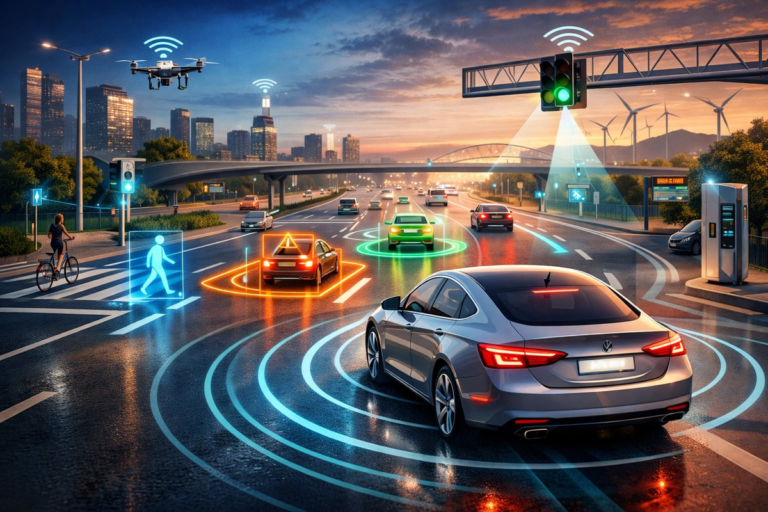
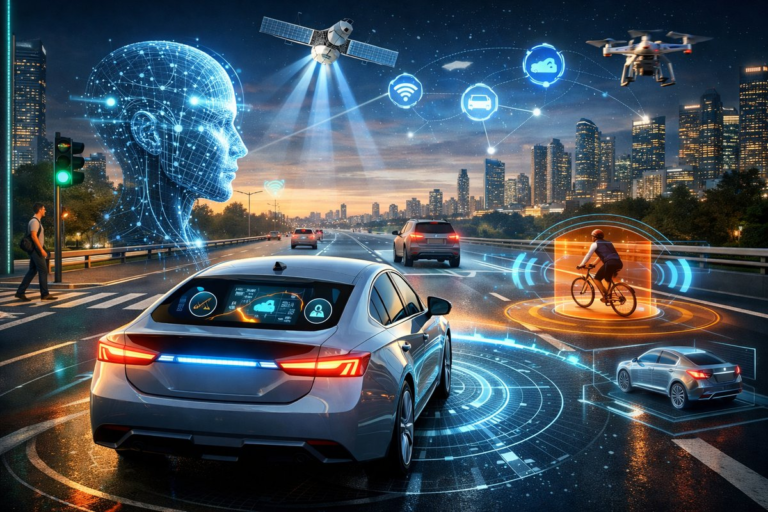
Driver assistance systems have grown more robust, integrating radar, lidar, cameras, and ultrasonic sensors into a unified perception stack. Features such as adaptive cruise control, lane-centering, and automated parking are becoming standard in mainstream models. While full Level 4 autonomy-where vehicles operate without human intervention under certain conditions-remains on the horizon, trial deployments in geofenced urban districts and controlled highway corridors are already underway.
The rise of ride-hailing and micromobility platforms is challenging traditional notions of car ownership. Electric bikes, scooters, and small autonomous shuttles serve first- and last-mile connections, reducing urban congestion and lowering emissions. Multimodal journey-planning apps coordinate public transit, ride-sharing, and microtransit services, offering dynamic route optimization and single-payment checkouts.
Subscription models for electric vehicles and vans have gained traction among urbanites and small businesses. Subscribers pay a monthly fee for vehicle access without long-term commitments, insurance hassles, or resale risks. Carsharing services are also expanding their fleets with electric crossovers and cargo vans, catering to the growing demand for flexible urban logistics, from food delivery to home renovation projects.
As automakers pursue net-zero targets, sustainability extends beyond tailpipe emissions. OEMs are auditing their supply chains to reduce environmental and social impacts, setting measurable goals for water usage, waste diversion, and responsible sourcing of minerals. Life cycle assessments are increasingly incorporated into vehicle design, ensuring that end-of-life recycling and remanufacturing make resource use as efficient as possible.
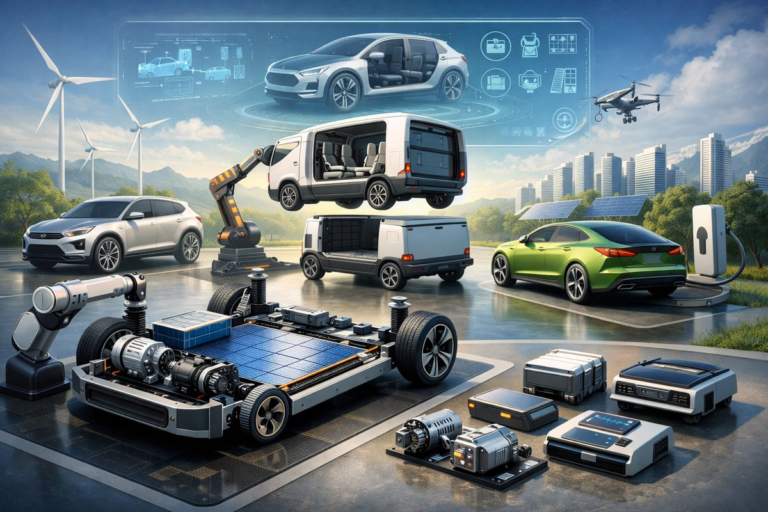
Circular economy initiatives are gaining momentum. Remanufactured power electronics, refurbished charging modules, and repurposed battery packs for stationary storage highlight closed-loop strategies. Extended producer responsibility regulations in several regions require automakers to take back older vehicles and manage their disposal or reuse, catalyzing partnerships with recycling firms and third-party refurbishers.
Government policies will continue to steer the transportation transition. Emission standards are tightening globally, encouraging faster uptake of zero-emission vehicles. Urban low-emission zones and congestion pricing programs incentivize cleaner transport options and fund infrastructure projects. Incentive programs are shifting from purchase rebates toward support for charging installations and charging interoperability standards.
On the consumer side, two trendlines stand out: a desire for personalized digital experiences and an awareness of environmental impact. Buyers expect seamless integration of their digital lives with vehicle interfaces, from smartphone mirroring to contactless payments at charging stations. At the same time, carbon footprint tracking tools within vehicle apps allow drivers to monitor and offset emissions in real time.
The automotive revolution is more than a change in powertrain. It’s a systemic transformation encompassing energy grids, urban planning, supply chains, and digital ecosystems. As electrification accelerates, connectivity deepens, and new mobility models emerge, drivers and cities alike stand to benefit from safer roads, cleaner air, and more efficient travel. The path forward will require collaboration among policymakers, manufacturers, utilities, and consumers-and those who embrace these innovations today will lead the journey into tomorrow’s smarter, greener transportation landscape.