Location
Mount Vernon, WA 98274

Location
Mount Vernon, WA 98274
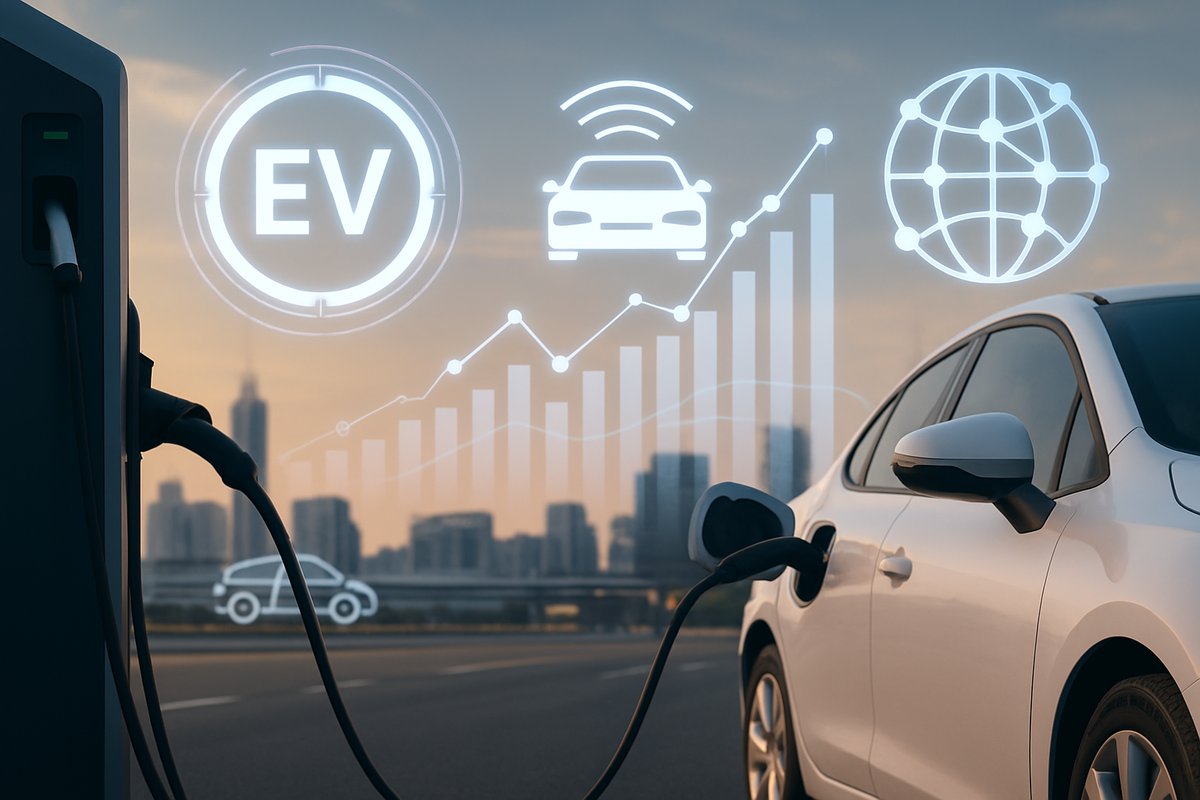
A confluence of electric powertrains, autonomous systems and connected platforms is driving the most profound transformation in transportation since the advent of mass-produced cars. From surging EV sales and rapid charging networks to data-rich vehicle ecosystems and sustainable supply chains, the auto industry is racing toward a cleaner, smarter, more integrated future.
The global automotive industry is undergoing a technological revolution that is redefining how people, goods and services move within and between cities. Two decades ago, electric vehicles were a niche interest, autonomy was largely confined to research labs and connected car features were limited to basic telematics. Today, widespread adoption of electric powertrains, rapid advances in driver assistance and autonomous systems, and the emergence of vehicle-to-everything (V2X) connectivity are converging to create a transportation ecosystem that is cleaner, safer and more efficient than ever before.
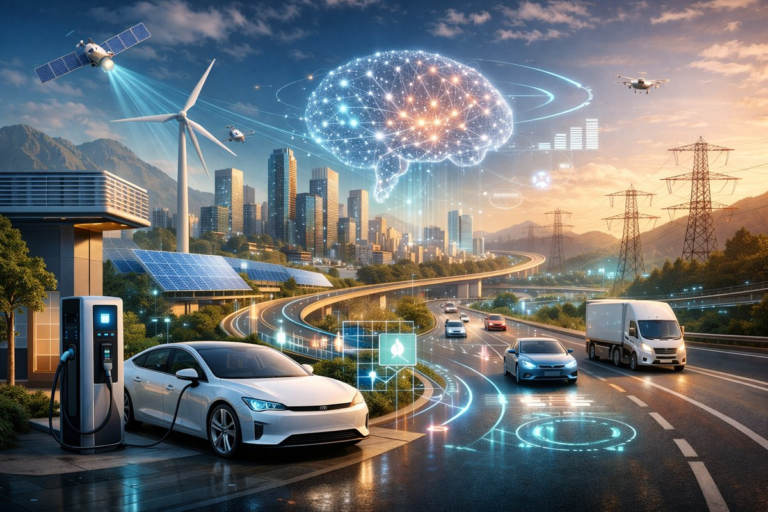
Electric driving has vaulted well beyond its early adopters. According to a recent international energy agency report, global electric vehicle sales surpassed 10 million units in 2022, representing an increase of more than 50 percent over the previous year. Major markets across Europe, Asia and North America have set ambitious targets to phase out new internal combustion engine vehicles within the next two decades. Government incentives, tighter emission regulations and rising consumer awareness of environmental issues have combined to fuel this rapid pace. Automakers are now offering dozens of all-electric models in every segment, from compact hatchbacks to luxury SUVs and pickup trucks, giving buyers plenty of choice as they make the switch away from gasoline.
However, the surge in electric vehicles has placed new demands on charging infrastructure. In many urban areas, public fast-charging stations have grown from a few dozen points to several thousand over the past five years. Yet in a sprawling country with a mix of dense cities and rural regions, the ratio of EVs to charging ports remains uneven. Industry groups estimate that the United States alone needs at least 1.2 million public charging stations by the end of the decade to match projected EV growth. Europe faces its own challenges, with some cities reporting congested charging hubs and extended wait times during peak hours. Innovative solutions are emerging, such as mobile charging trucks that service events or remote locations, wireless inductive pads embedded in parking spaces, and partnerships between utilities and retailers to install stations at convenience stores, shopping centers and workplace parking lots.
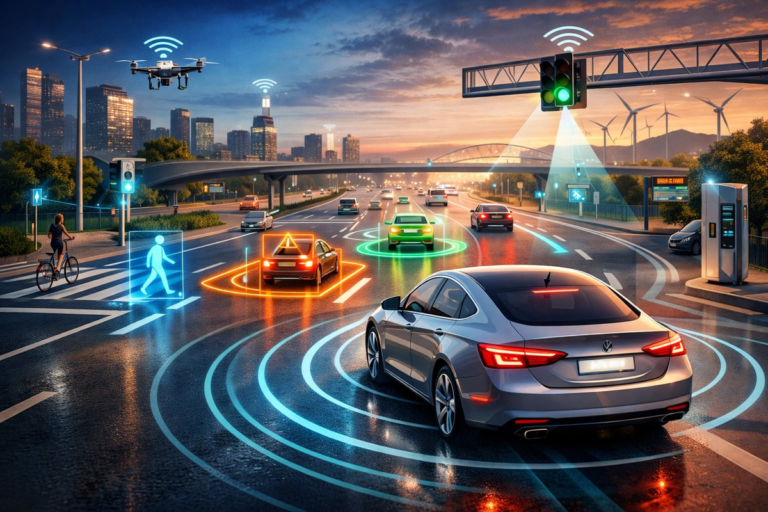
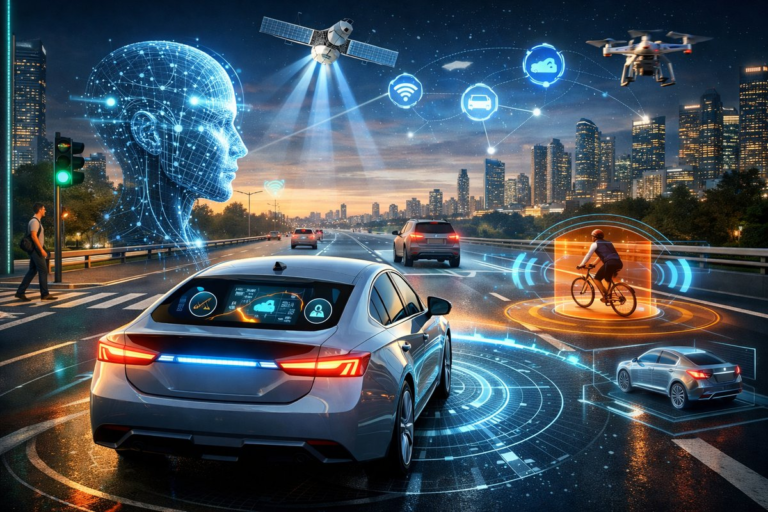
At the same time, advanced driver assistance systems (ADAS) and autonomous vehicle trials are accelerating on test tracks and public roads. Level 2 and Level 3 features-such as adaptive cruise control with lane centering, automated parking and hands-off highway driving under certain conditions-are now available on many mass-market models. A handful of pilot programs in urban centers have introduced limited Level 4 shuttles, capable of navigating predefined routes without a human driver on board. Logistics and delivery companies are experimenting with autonomous vans and last-mile robots to reduce labor costs and increase operational hours. While full self-driving vehicles for arbitrary road conditions remain on the horizon, incremental improvements in sensor performance, artificial intelligence and mapping precision are steadily pushing the envelope.
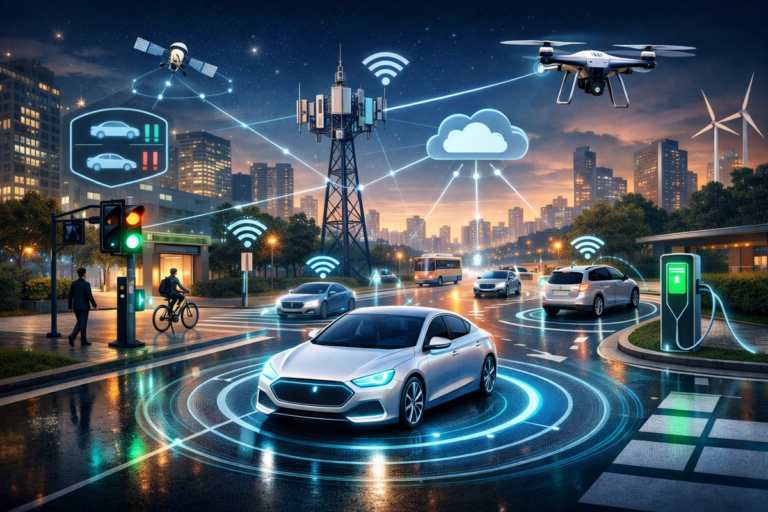
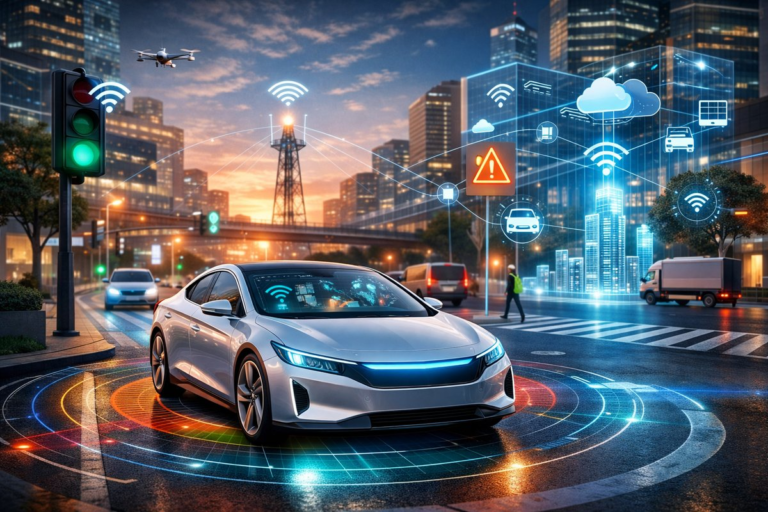
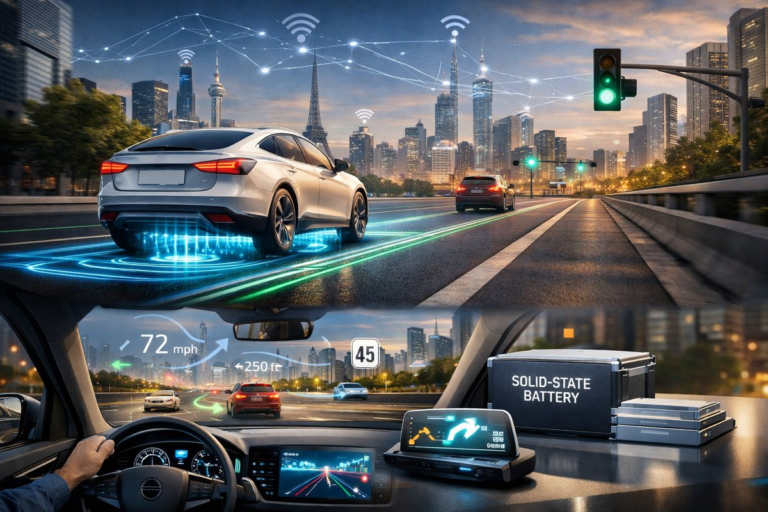
Connectivity has become an essential pillar in the modern vehicle architecture. Over-the-air software updates allow automakers to fix bugs, add new features and optimize performance remotely, extending the useful life of vehicles and giving owners new experiences long after initial purchase. Real-time data exchange between cars, infrastructure and cloud platforms is enabling dynamic route planning that accounts for traffic, weather and road hazards. By tapping into vehicle telemetry-such as tire pressure, battery health and driving patterns-fleet operators can schedule predictive maintenance interventions that avoid costly breakdowns. Cybersecurity standards are evolving in tandem, requiring rigorous encryption, intrusion detection and validation schemes to protect against hacking attempts and data breaches.
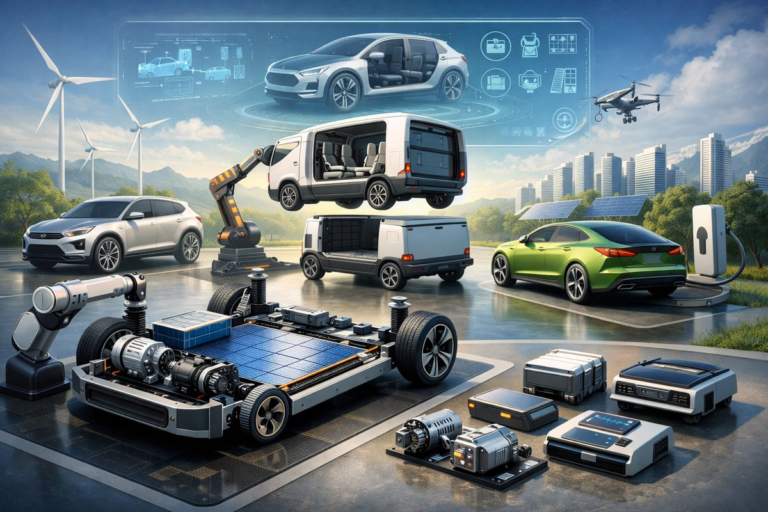
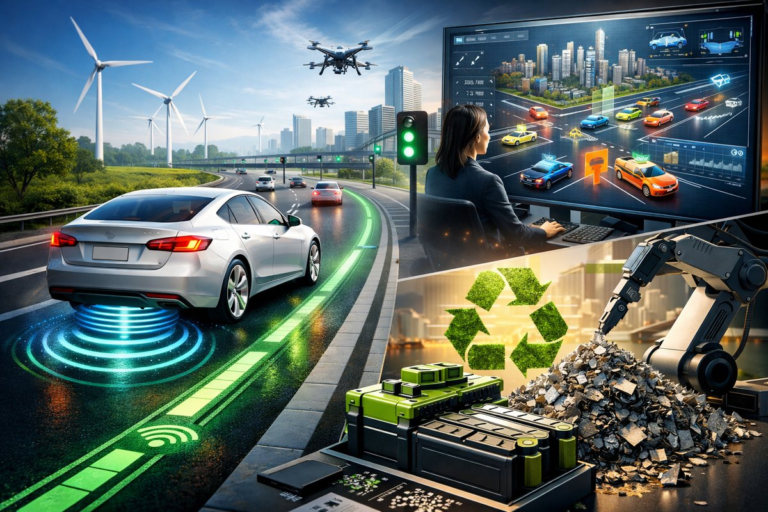
Sustainability concerns extend beyond tailpipe emissions. Battery manufacturing remains energy-intensive and relies on critical minerals whose extraction has environmental and social impacts. In response, automakers and mining companies are investing in closed-loop recycling initiatives to recover lithium, cobalt and nickel from spent cells. Advances in solid-state and silicon-based anode technologies promise higher energy density with fewer rare materials. At the vehicle end of life, lightweight biocomposites and recycled plastics are being introduced into interior trim, structural components and even tires. Life-cycle assessments are increasingly used to measure carbon footprints from raw material sourcing through manufacturing, operation and disposal, giving regulators and consumers a more holistic view of a vehicle’s environmental performance.
The rise of multimodal mobility is another driver of change. Car-sharing, ride-hailing and micro-mobility fleets-comprising e-scooters, e-bikes and small electric mopeds-have proliferated in metropolitan areas seeking to reduce congestion and improve air quality. Data platforms are integrating these services into unified apps that allow travelers to plan door-to-door journeys combining autonomous shuttles, shared bikes and rapid transit. In some cases, traditional automakers have partnered with public agencies and mobility startups to deploy fleets that can be summoned on demand, giving riders the flexibility to cover the first or last mile without owning a vehicle.
Heavy transport is also undergoing a transformation. Electric buses are being adopted by cities worldwide to meet zero-emission mandates, while long-haul electric trucks are entering pilot fleets for regional distribution. Hydrogen fuel cell vehicles are appearing in specialized applications, such as heavy machinery and long-distance freight corridors, where battery weight and charging time remain limiting factors. Regulatory bodies have introduced stricter emission standards for commercial fleets, triggering investments in depot charging infrastructure, gigawatt-scale battery storage and vehicle-to-grid integrations that can leverage parked trucks as emergency power sources.
The regulatory and policy landscape has had to keep pace with these rapid developments. Governments are enacting incentives for clean vehicles, establishing charging network standards and mandating cybersecurity protocols. They are also grappling with questions around liability and insurance for assisted and automated driving features. Public consultations are exploring how road infrastructure investment can be aligned with technology roadmaps-for example, by embedding communication modules in traffic lights to broadcast signal timing or adding smart lane markings that assist camera-based lane detection.
As the pieces come together, partnerships across industries are becoming increasingly important. Automakers are collaborating with energy companies to develop smart-charging tariffs that align with renewable energy availability. Tech firms are teaming up with tier-one suppliers to build shared compute platforms for automated driving. Municipalities are joining forces with mobility startups to pilot zero-emission delivery zones and congestion-pricing schemes. Innovation hubs and testbeds are springing up around the world, offering controlled environments where vehicle manufacturers, software developers and infrastructure providers can co-develop solutions at scale.
The road ahead remains a mix of promising breakthroughs and complex challenges. Scaling battery production in an environmentally responsible way, ensuring cybersecurity in an ever-connected fleet and navigating evolving regulations will require sustained cooperation across public and private sectors. Yet the momentum is unmistakable: electric cars are now the fastest-growing segment in automotive sales, autonomous features are steadily enhancing safety and convenience, and connected platforms are unlocking new business models that redefine mobility itself. For consumers, this means cleaner air in cities, vehicles that adapt and improve over time, and seamless journeys spanning multiple modes of transport. For society, it offers the prospect of more efficient logistics, reduced greenhouse gas emissions and a transportation network that is both resilient and inclusive. The next decade will reveal how quickly these technologies can scale and how effectively stakeholders can address the remaining barriers. But one thing is clear: the automotive landscape of tomorrow will be nothing like the one most of us grew up with, and the transformation is already well underway.