Location
Mount Vernon, WA 98274

Location
Mount Vernon, WA 98274
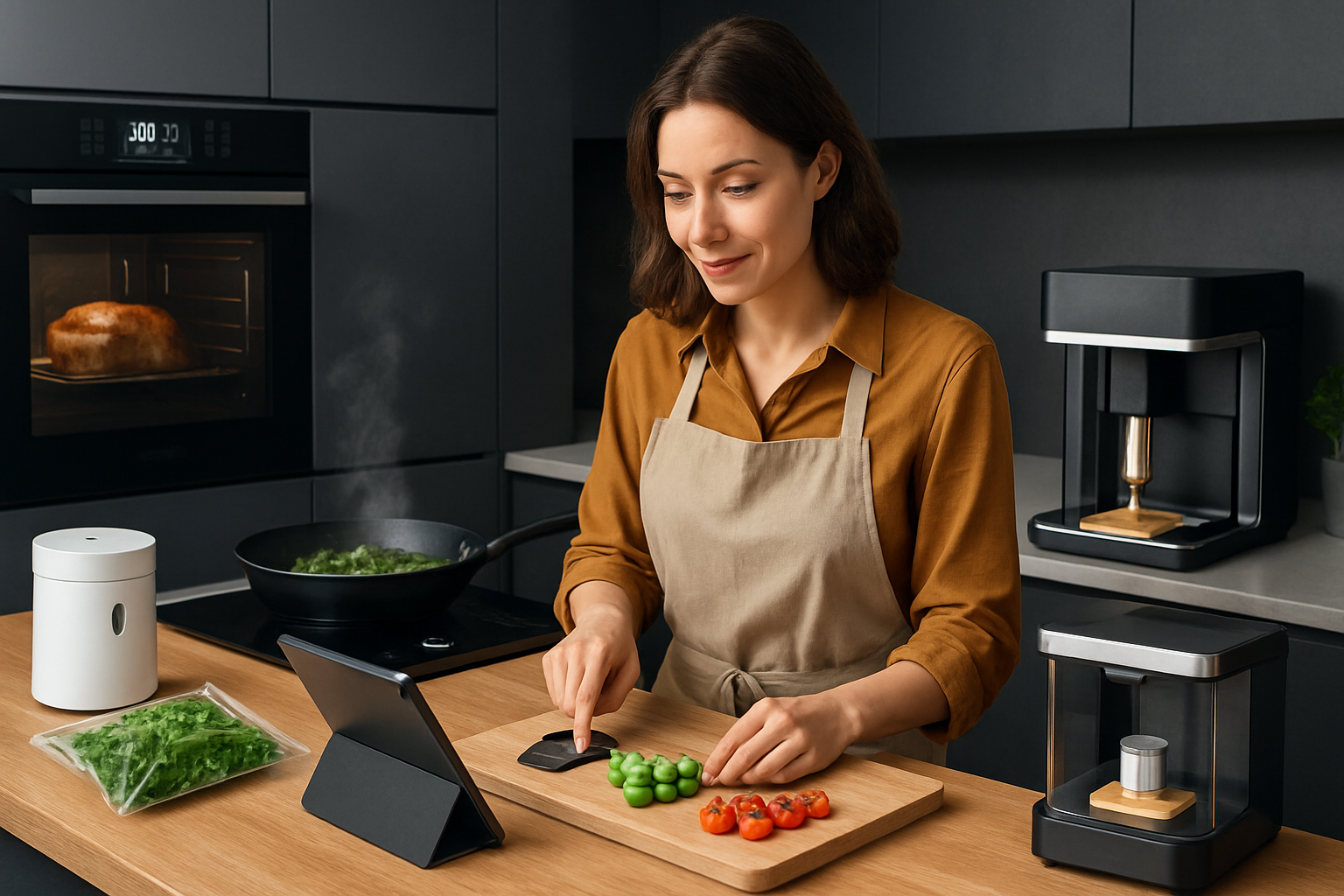
Home chefs are embracing a wave of connected appliances, AI-powered recipe assistants, and sustainable gadgets that promise to transform everyday cooking. This article explores how smart ovens, induction cooktops, 3D food printers, and food-preservation tools are reshaping the modern kitchen.
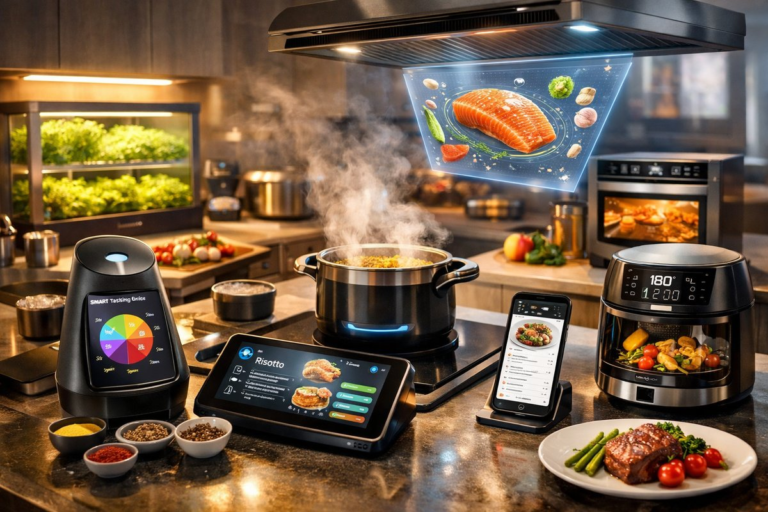
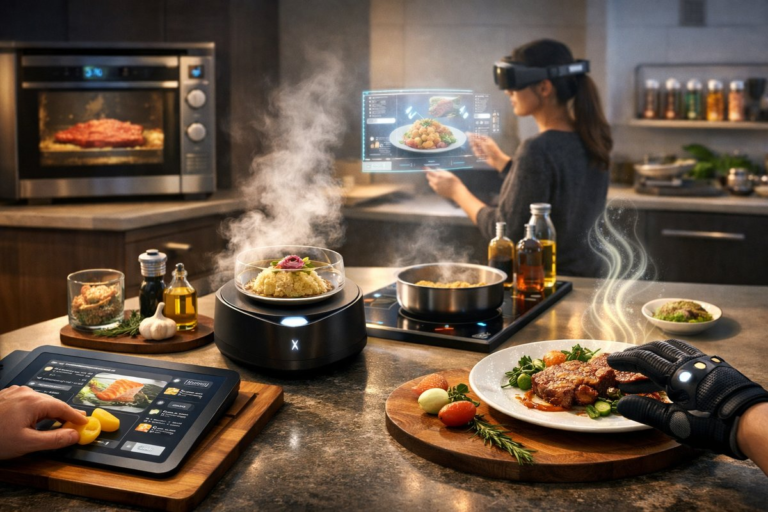
Kitchen counters across the globe are becoming tech showcases. From full-color touchscreen ovens to AI-driven recipe platforms, home cooks now have more tools at their fingertips than ever before. Recent product launches at major electronics expos and a flurry of startup innovations have set the stage for a cooking revolution, blending convenience, creativity, and sustainability. In this article, we’ll break down the key trends shaking up food and kitchen technology, spotlight the gadgets making headlines, and consider what this means for anyone who loves to cook or eat well.
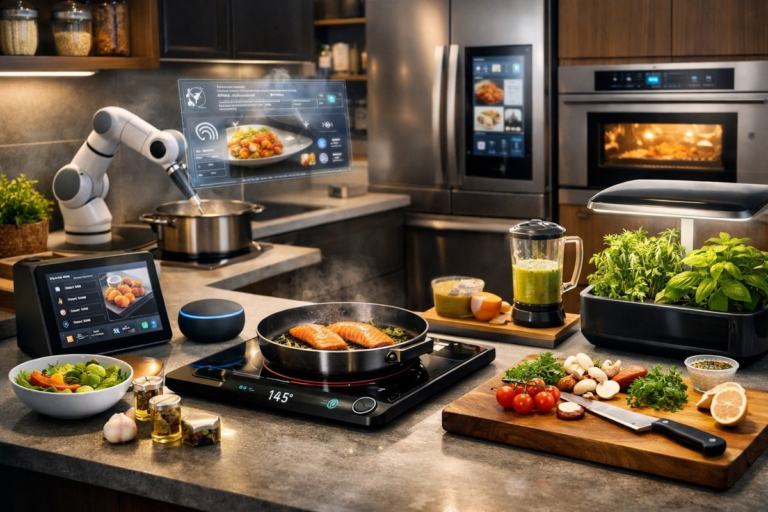
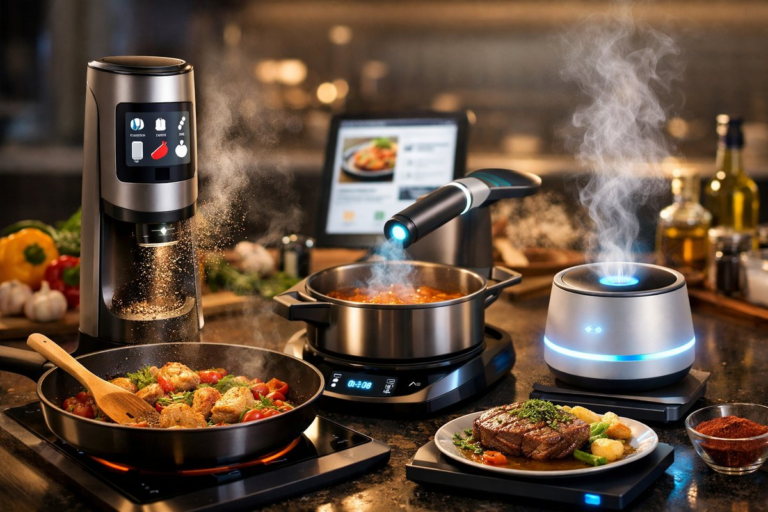
Interconnected appliances have moved beyond simple remote control. Modern smart ovens can preheat themselves on command, adjust cooking settings based on real-time temperature feedback, and even send progress photos to your phone. Last year, a leading consumer electronics association reported that over 30 percent of ovens sold globally featured Wi-Fi connectivity, up from 12 percent two years earlier. Smart refrigerators also gained traction, using internal cameras and machine-learning algorithms to track food inventory, suggest recipes based on what’s inside, and even remind you when produce is nearing its expiration date.
Voice assistants integrated into kitchen hoods and dishwashers allow hands-free operation, while connected lighting and ventilation systems adapt automatically to frying or baking. These unified ecosystems not only streamline tasks but also conserve energy. For example, some induction cooktops communicate with range hoods to boost airflow only when needed, cutting overall power consumption by up to 15 percent in real-world tests.
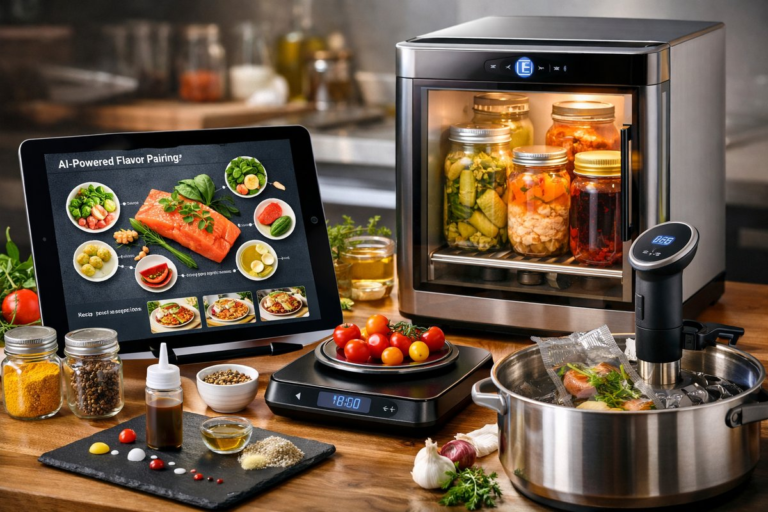
Artificial intelligence is no longer limited to enterprise applications; it’s stepping onto cutting boards. AI recipe platforms analyze ingredient catalogs, dietary preferences, and even leftover inventories to generate tailored meal plans. One recent survey by a food-tech research group found that 45 percent of home cooks are open to AI suggestions for weeknight dinners, citing convenience and waste reduction as top benefits. These systems learn from user feedback, refining their recommendations over time and offering creative twists on classic dishes.
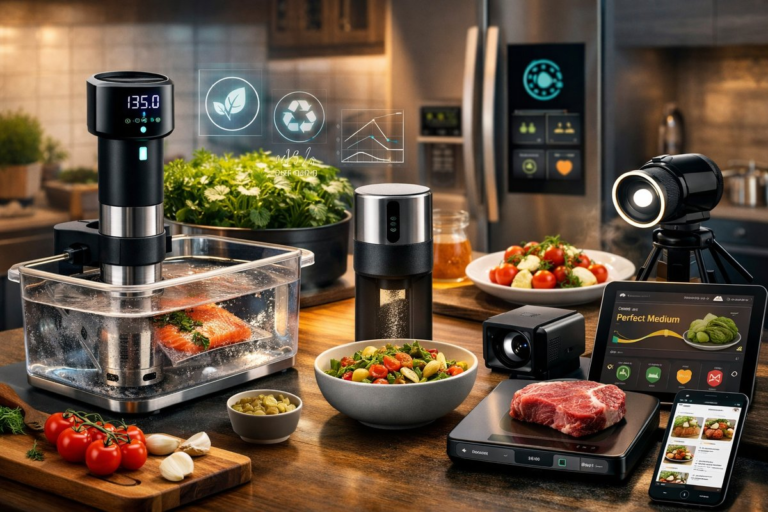
Some AI assistants now connect to your pantry via smart scales and camera-equipped cabinets. As you add or remove items, the platform updates available recipe options in real time. Step-by-step cooking guidance appears on touchscreens embedded in refrigerators or on tablet stands. For those seeking guidance on advanced techniques-like tempering chocolate or mastering sous vide-interactive video tutorials adapt pacing to your skill level and provide troubleshooting tips if something goes awry.
Environmental concerns that once lived largely in boardrooms now show up beside the blender and spice rack. Energy-efficient induction cooktops generate heat directly in compatible cookware, slashing standby losses compared to traditional electric coils. Solar-powered ovens, once niche, are gaining renewed interest in off-grid communities and eco-resorts. These parabolic collectors can reach temperatures above 400°F, making them suitable for baking, grilling, or even dehydration.
Water conservation has also become a priority. Smart dishwashers adjust water pressure and cycle duration based on load size and soil level, while compost accelerators turn kitchen scraps into nutrient-rich soil in a fraction of the time a backyard pile would require. Several countertop compost units featured at a recent home-goods convention use aeration and controlled heat to process food waste in under 24 hours, cutting odor and pests to near zero.
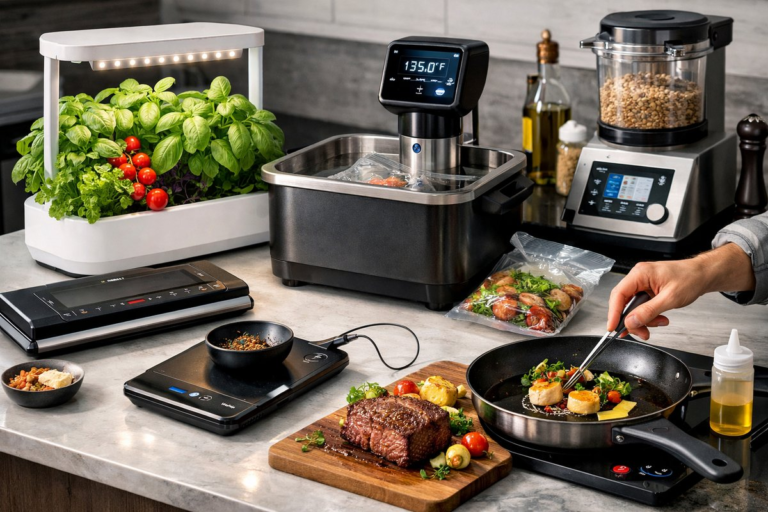
Keeping ingredients fresh longer reduces both food waste and grocery bills. Vacuum sealers have gone high-tech, with compact models that automatically sense bag thickness and adjust suction power. Some integrate into cabinetry, offering discreet operation via a concealed drawer. Built-in moisture sensors in modern crispers allow refrigerators to maintain optimal humidity levels for fruits and vegetables, effectively doubling produce shelf life in side-by-side tests against conventional drawers.
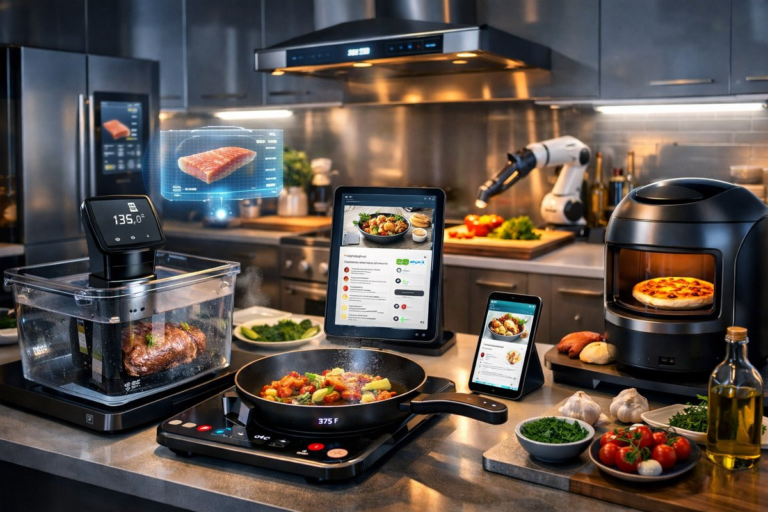
Fermentation enthusiasts have new digital crock systems that regulate temperature, record pH changes, and suggest flavor profiles based on progress data. Smart sous vide machines extended their reach from professional kitchens to consumers, boasting Wi-Fi control, precision up to 0.1°C, and companion apps packed with sous-vide-ready recipes for proteins, vegetables, and desserts.
3D printers for food remain on the experimental edge, but recent prototypes showcase applications from personalized chocolate bars to nutrient-fortified snacks for seniors. By layering gels, purees, and doughs, these printers can customize shapes, textures, and even flavor concentrations for individual dietary needs. One pilot program in university cafeterias offered students printed snacks with added micronutrients to address common deficiencies, illustrating the potential for on-demand, health-focused meals.
Meanwhile, cultured meat and plant-based proteins continue to evolve in tandem with kitchen gadgets. Home molecular gastronomy kits now include handheld nutrient extruders that mimic the texture of ground meat using pea protein and beet juice, enabling cooks to craft burgers and meatballs without animal ingredients. Though mainstream adoption is still on the horizon, these early devices signal a future where lab-grown and plant-derived proteins could compete toe-to-toe with conventional options in flavor, cost, and preparation ease.
All this innovation raises questions: Do everyday cooks need high-tech ovens and fermentation chambers? The short answer is no-but early adopters are already reaping benefits in convenience, precision, and creative expression. Smart tools can democratize techniques once confined to professional kitchens, such as sous vide, precise fermentation, or multi-stage baking processes. As software platforms mature, they’ll likely lower the barrier to entry further through seamless integration and simplified user interfaces.
Cost remains a consideration. Entry-level smart gadgets start around $50, while flagship connected ovens can top $2,000. However, price erosion is typical in consumer electronics, and mid-range models with core smart features now retail under $500. Moreover, features like energy savings and waste reduction can pay dividends over time, offsetting upfront costs for budget-conscious households.
As sensor technology becomes more affordable and AI models grow more sophisticated, tomorrow’s kitchens may feature robotic sous chefs, fully automated meal assembly lines, and pantry systems that reorder essentials automatically. Imagine an induction cooktop that recognizes individual pans, adjusts heat patterns for each ingredient on the same surface, and synchronizes with an in-cabinet fermentation chamber to finish pickles while your roast rests.
Collaboration between appliance makers, software developers, and food scientists will accelerate new use cases. A recent consortium of culinary institutes and tech companies is working on open standards for kitchen device interoperability, ensuring that gadgets from different brands speak the same language. This could prevent proprietary lock-in and let home cooks mix and match the best tools for their needs.
The convergence of connectivity, artificial intelligence, sustainability, and novel food processing techniques is ushering in a golden age of culinary innovation. Whether you’re a gadget enthusiast eager to experiment or a busy parent seeking simpler meal prep, the latest kitchen technologies offer practical benefits and exciting possibilities. As these tools become more intuitive and affordable, the modern kitchen will evolve into a dynamic platform for creativity, efficiency, and environmental stewardship.
With energy-saving induction cooktops, AI recipe assistants, advanced preservation systems, and even 3D food printers entering living rooms around the world, cooking has never been more accessible-or more futuristic. Now is the time to explore these innovations, find the right mix of tools for your style, and join a global community of curious cooks shaping the future of food.