Location
Mount Vernon, WA 98274

Location
Mount Vernon, WA 98274
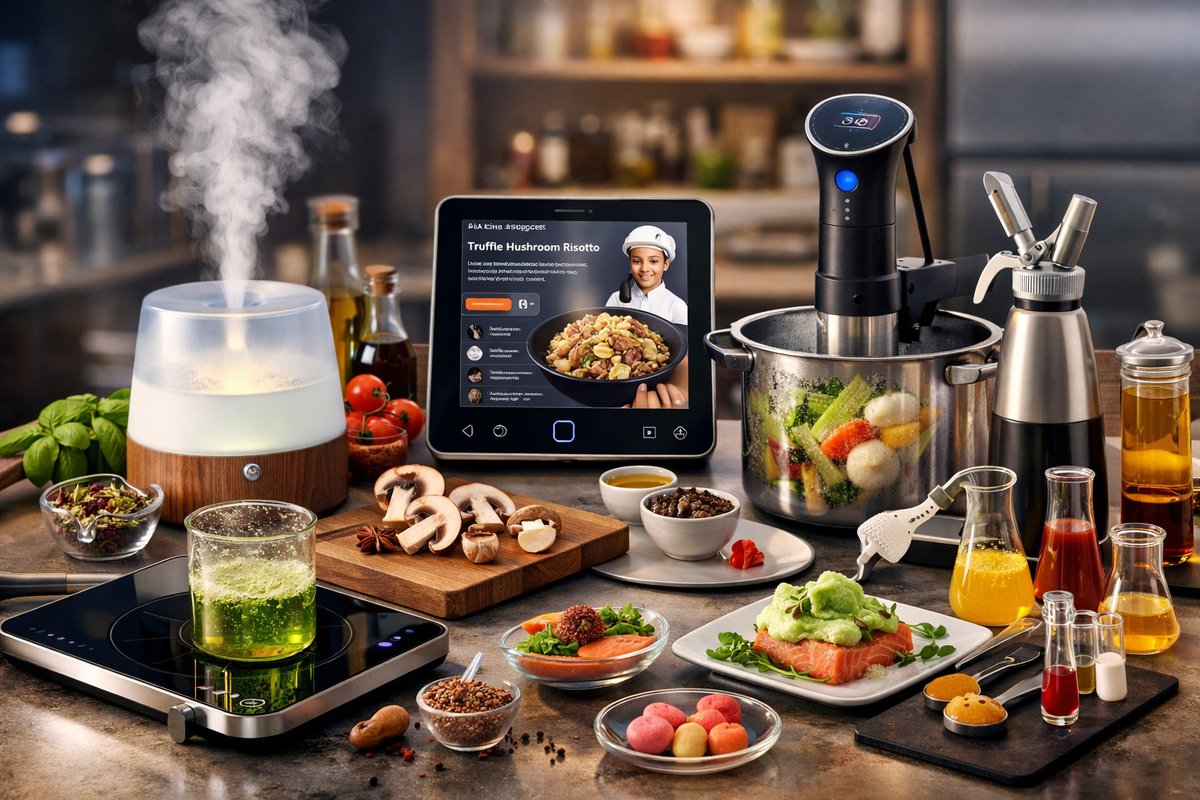
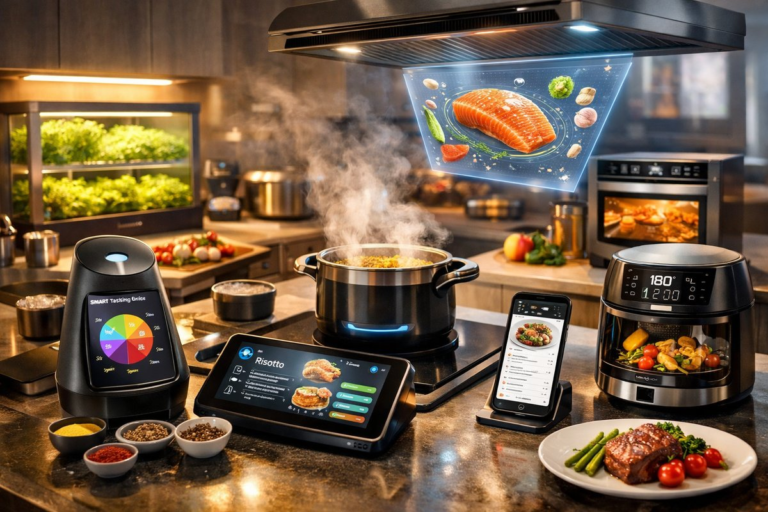
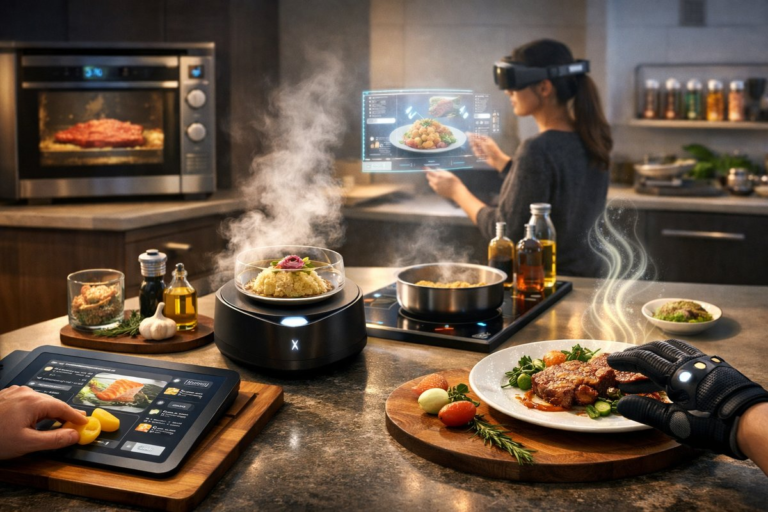
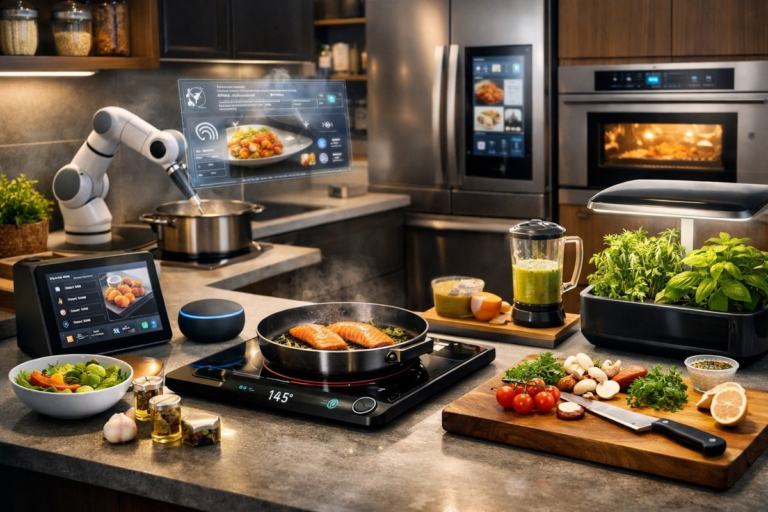
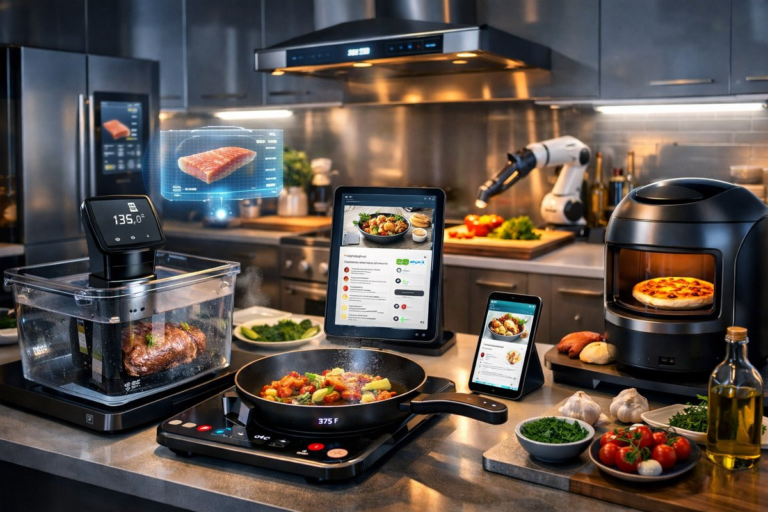
A new wave of devices-from ultrasonic infusers to AI-driven recipe assistants-is transforming home kitchens into labs of flavor exploration. We survey the latest innovations that turn cooking into an immersive, playful ritual for curious cooks.
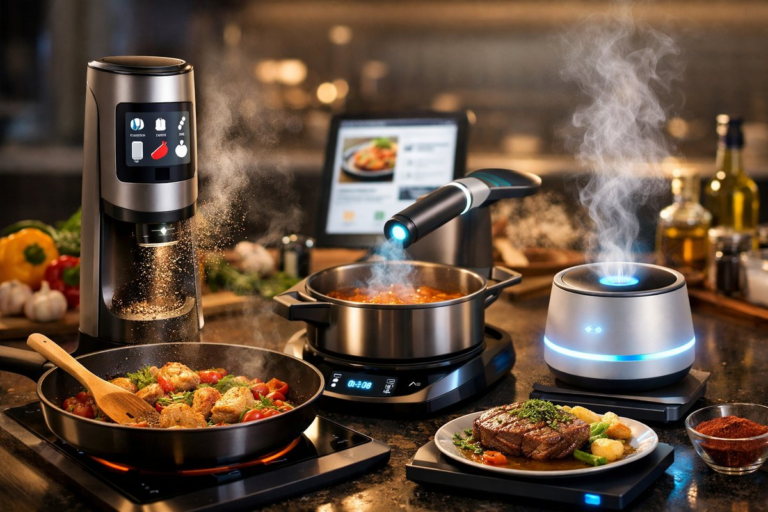
At a recent culinary technology showcase, attendees crowded around sleek cooktops humming with sensors, robotic arms plating tiny bursts of flavor, and transparent fermentation modules glowing softly with bubbling cultures. What once felt like science fiction in professional test kitchens is now slipping into domestic spaces. The message is clear: the kitchen of tomorrow blends precise data with playful experimentation, empowering home chefs to create multi-sensory meals that delight both palate and imagination.
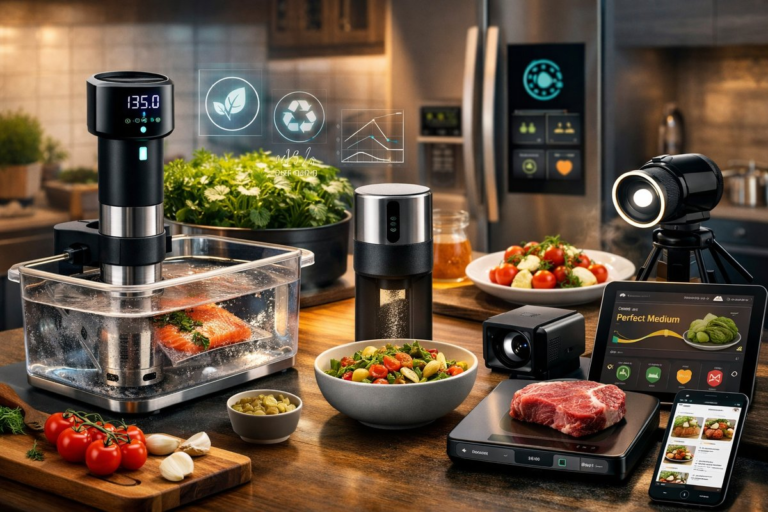
Central to this revolution are smart sensor thermometers that stream real-time temperature graphs to smartphones. These pocket-sized probes slip into roasts, custards, or melting chocolate, alerting cooks the instant a target temperature is reached. No more guessing or overcooking: each recipe becomes a guided experience. Paired with companion apps, these sensors can record personal cooking histories, suggest resting times, and even estimate energy use, helping cooks refine techniques while conserving resources.
Ultrasonic infusion tools represent another frontier. By generating high-frequency sound waves in liquids, these devices accelerate flavor extraction from herbs, spices, and fruits. Tea leaves steep in seconds, citrus oils disperse more thoroughly in olive oil, and savory broths gain depth without long simmering. Culinary hobbyists are using these tabletop gadgets to craft custom bitters, liqueurs, and infused oils in minutes, sparking a renaissance of homemade flavor concentrates that were once the domain of specialized artisans.
Meanwhile, fermentation has leapt into the digital age. Modular fermentation crocks equipped with temperature and humidity controls allow precise cultivation of kimchi, sourdough starter, or kombucha. LED indicators beam gentle cues when pH levels shift or bacteria populations peak. This transparency transforms a traditionally mysterious process into an educational ritual. Home fermenters track batches over weeks, catalog tasting notes, and even share data anonymously with online communities, fostering collective wisdom around living foods.
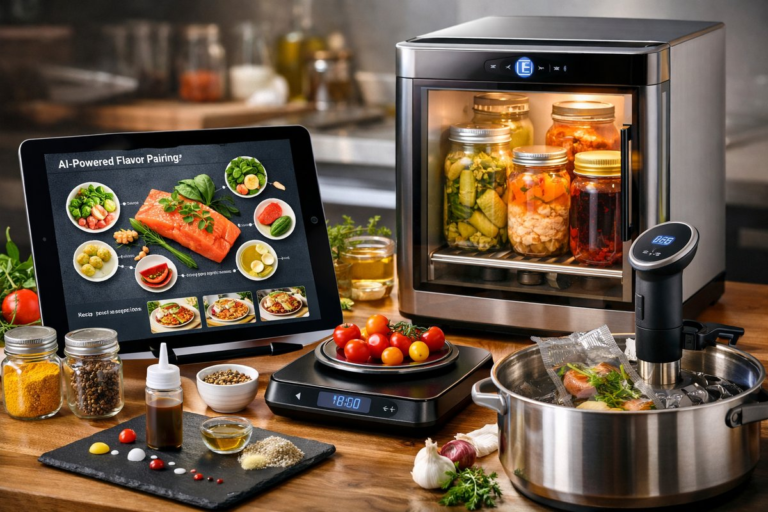
On the software side, AI-powered recipe assistants guide cooks through every step. After scanning pantry inventory via barcode or photo recognition, these programs generate custom menus that balance flavor profiles, nutritional goals, and ingredient availability. Voice-activated timers, adaptive cooking instructions, and step-by-step visuals democratize complex techniques like tempering chocolate or blind-baking tart shells. The kitchen becomes a classroom, where trial and error yields triumphs rather than frustration.
Designers are also prioritizing sustainability. Next-generation induction cooktops and multi-zone hobs allow precise heat delivery, reducing wasted energy. Recyclable or compostable packaging for single-use sensor attachments addresses concerns about electronics waste. Some countertop units boast composting drawers for unused scraps, converting vegetable peelings into soil amendments. This marriage of cutting-edge tech with eco-aware design underlines a broader ethos: innovation can delight the senses while honoring the planet.
For many, the real thrill comes from blending old rituals with new tools. A home cook might knead sourdough by hand, then switch to a programmable mixer for the final rise. Or they’ll torch delicate crème brûlée with a smart butane-free torch that adjusts flame height automatically. These hybrid workflows honor tradition while harnessing modern precision, resulting in higher‐confidence creations and fewer recipe flops.
Integration is key. Smart kitchen hubs now link sensors, cooktops, cookware, and even grocery apps. A single dashboard displays oven temperatures, pan heat levels, fermentation status, and inventory alerts. When a timer ends or a probe hits the perfect mark, notifications ping across phones, tablets, or voice speakers. This seamless orchestration keeps cooks present with their food, minimizing distractions and stress during dinner parties or weekday meal prep.
Of course, the rise of connected devices raises data privacy questions. Many tools collect usage patterns, recipe preferences, and biometric signals like heart rate during cooking. Companies are responding by offering local-only data storage, end-to-end encryption, and transparent opt-in policies. Savvy cooks appreciate knowing how their data is handled, and some communities even deploy DIY firmware hacks to reclaim full control over smart appliances.
Material innovation also plays a part. 3D-printed mold sets let home chefs shape chocolate, cheese, and pasta into intricate forms. Heat-resistant bio-plastics and silicone blends replace single-use foils while withstanding high temperatures. Even humble utensils are evolving: spatulas with detachable heads that can be swapped for silicone, nylon, or stainless steel depending on the task.
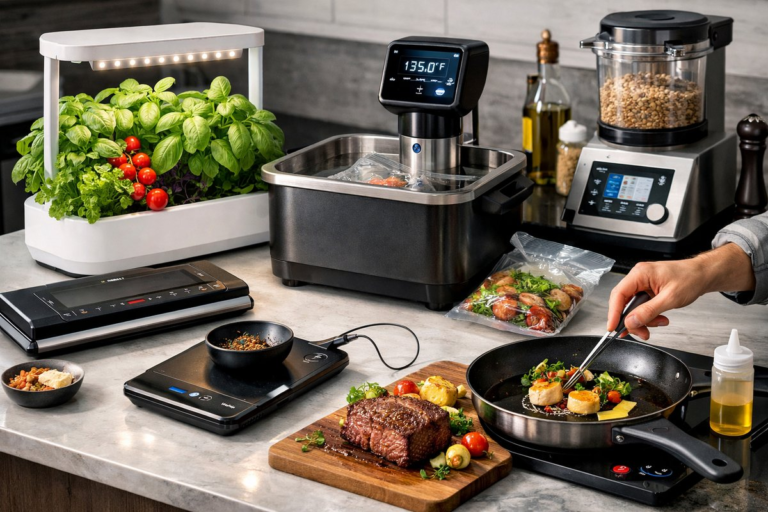
Portability is another trend. Compact, battery-powered immersion circulators deliver sous-vide precision without a bulky rig. Collapsible induction burners slip into daypacks for glamping feasts or RV road trips. Solar-charging blenders pulse away in off-grid cabins, turning berries and greens into smoothies at dawn. These mobile devices carry technology beyond kitchen countertops, making flavor adventures possible wherever creativity strikes.
Open-source software and maker-community forums amplify innovation. Hobbyists share DIY guides for hacking sensor probes or building home automation scripts that trigger routines when certain ingredients are detected. Crowdfunded projects launch modules for experimental cooking-like ultrasonic seasoning dispersers or aroma diffusers designed to stimulate appetite. This grassroots spirit mirrors classic kitchen creativity: goading curious cooks to tinker, test, and remix the boundaries of taste.
Yet challenges remain. High-end gadgets can carry steep price tags, and a crowded market can overwhelm beginners. Fragmented app ecosystems sometimes introduce compatibility woes. Chefs accustomed to purely analog workflows may bristle at screen time in the kitchen. Overcoming these hurdles requires intuitive design, standardized protocols, and clear value propositions: not every dish needs data, but when precision heightens pleasure, the payoff becomes irresistible.
Looking ahead, experts predict even tighter integration between molecular chemistry and household cooking. Lab-style pressurized infusers may enter the mainstream, enabling home chefs to extract aromatic compounds at scale. Nanotech coatings could provide self-cleaning surfaces, paving the way for effortless cleanup. Machine-learning taste profiles might suggest ingredient synergies based on personal flavor preferences. Throughout, the guiding philosophy remains constant: innovation should spark curiosity, deepen sensory engagement, and transform the act of cooking into an expression of joy.
Whether you’re a seasoned home cook or a weekend tastemaker, the latest wave of kitchen technology offers tools that expand your flavor toolkit. Each sensor probe, infusion device, or AI assistant invites experimentation and encourages discovery. As gadgets become more accessible and intuitive, the real adventure lies not in mastering recipes, but in uncovering the boundless potential of taste itself. Embrace the journey-your next culinary epiphany may be just a gadget away.