Location
Mount Vernon, WA 98274

Location
Mount Vernon, WA 98274
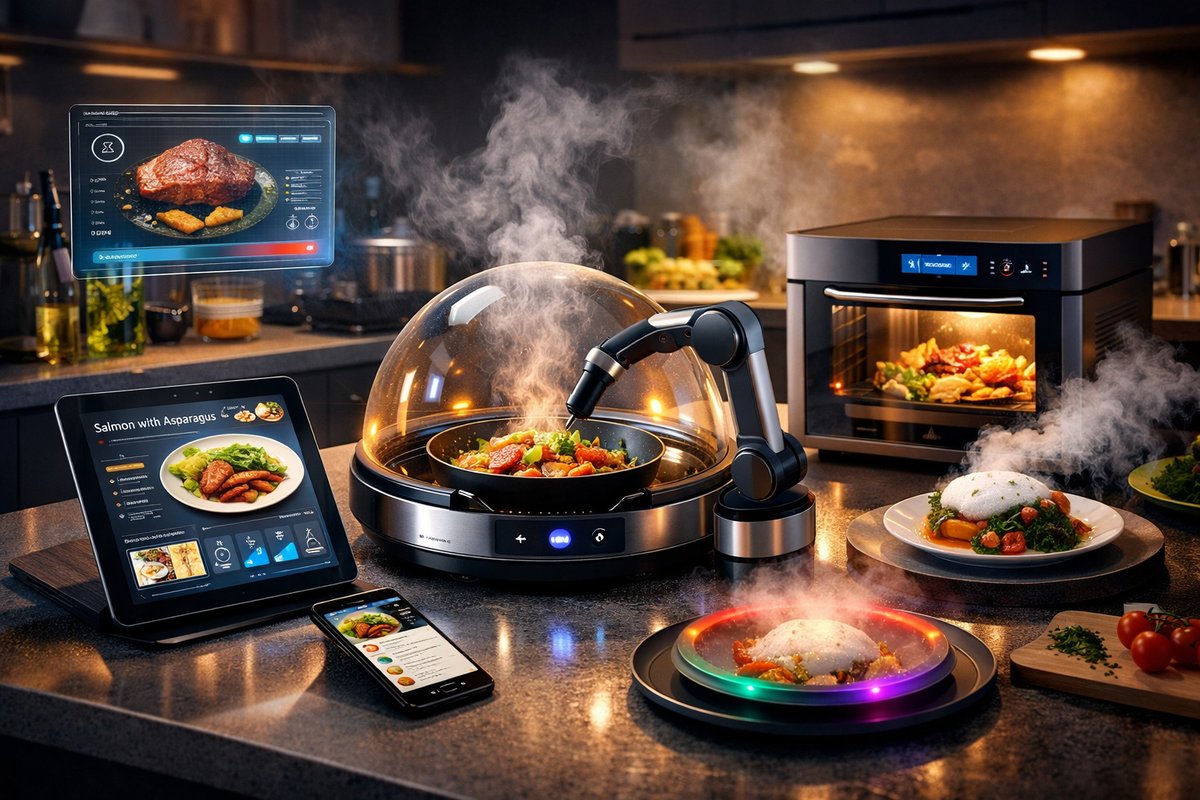
From AI-assisted recipe algorithms to multi-sensory cooking devices, home kitchens are undergoing a high-tech transformation. This article explores the latest tools that blend data, design and flavor to elevate everyday meals into immersive experiences.
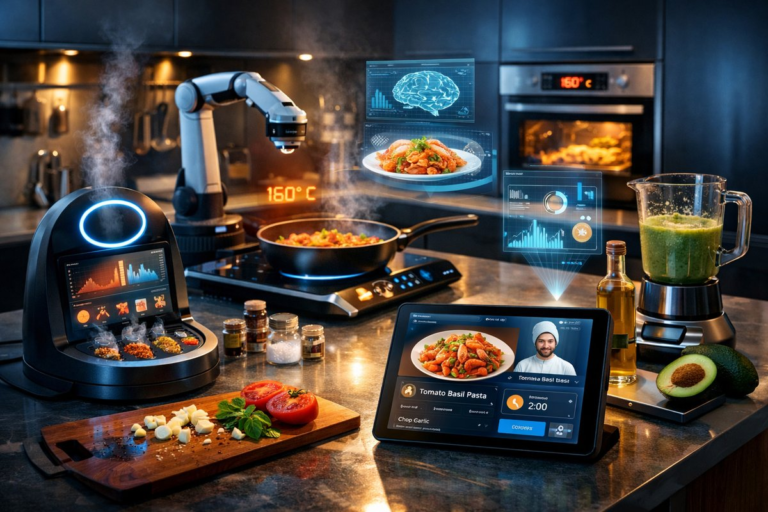
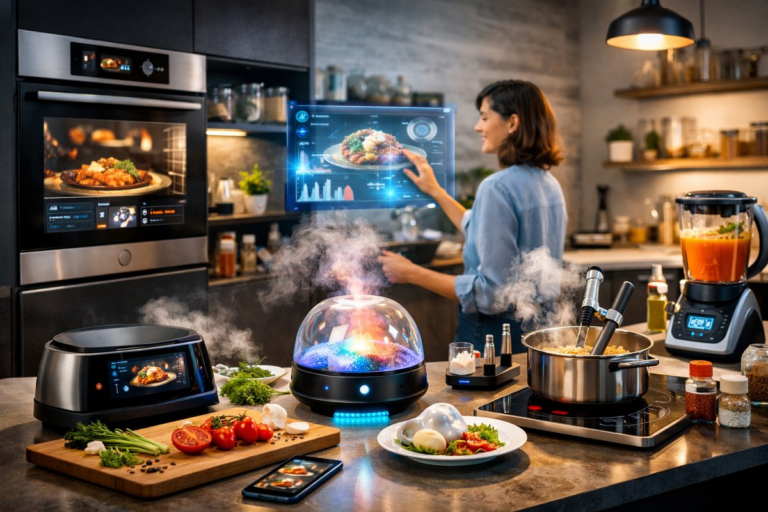
In a sunlit loft kitchen in Brooklyn, a home cook places a sensor-laden lid onto a stainless steel pot. Moments later, her tablet screen displays real-time data on steam pressure, aroma compounds and doneness, guiding her through a recipe that adjusts itself on the fly. This is no laboratory experiment-it’s a glimpse into the future of home cooking, where emerging kitchen technology turns amateur chefs into culinary scientists.
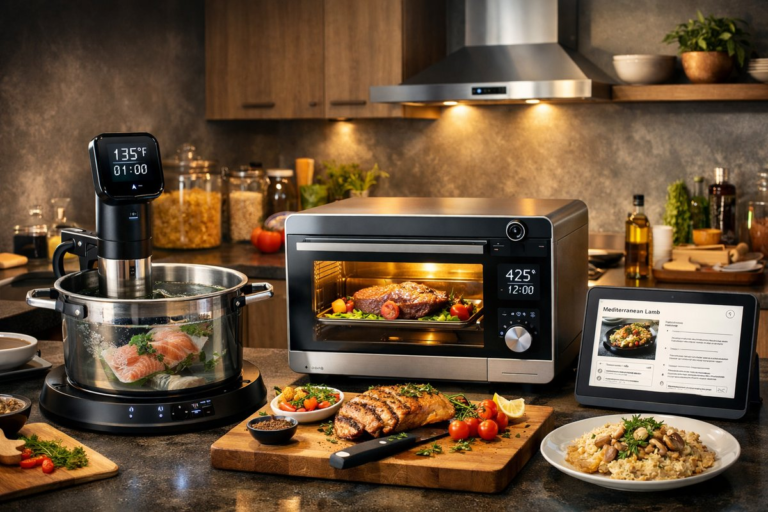
The notion of a “smart kitchen” is hardly new. Connected coffee makers, app-driven sous vide machines and voice-activated assistants have been on the market for years. But the latest wave of devices goes far beyond remote switches and timers. Today’s innovations tap into fields as varied as computer vision, molecular analysis and augmented reality to decode flavor, anticipate mistakes and heighten every sensory dimension of a meal.
Taste by Data: Decoding Flavor Profiles
Flavor is a complex interplay of taste, aroma and texture. Historically, home cooks relied on trial and error to balance seasoning and timing. Now, a new generation of kitchen tools uses sensors to quantify taste signals. Miniature gas chromatographs, once confined to research labs, are being integrated into countertop modules that analyze the volatile compounds released by simmering broths. Wireless probes monitor pH and salinity in real time, suggesting precise adjustments via companion apps.
One experimental device uses a miniature spectrometer to scan chopped vegetables, identifying sugar content and moisture levels. As carrots and onions sizzle in a smart skillet, the system calculates the optimal heat curve to retain sweetness while building caramelization. For cooks chasing consistency-whether batch-cooking meal prep or mastering a signature sauce-this level of insight bridges the gap between instinctive artistry and reliable technique.
Artificial Intelligence as Culinary Coach
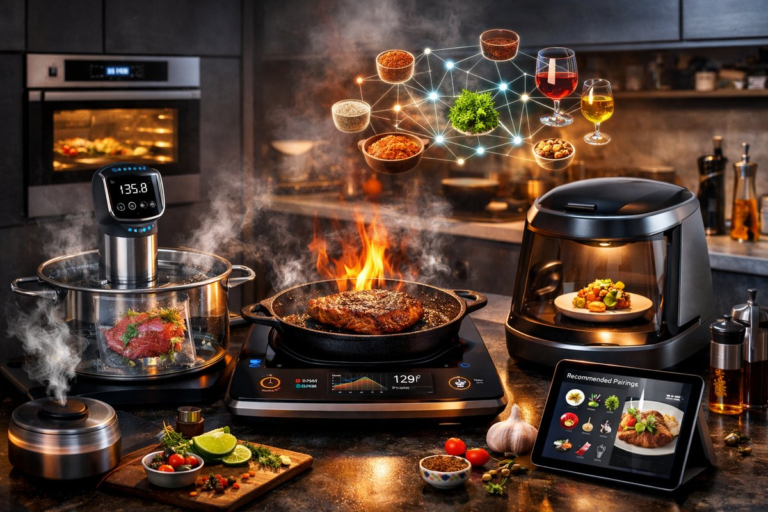
Beyond raw data, advanced algorithms are stepping in as virtual sous chefs. AI-driven platforms now analyze thousands of recipes, consumer reviews and flavor-pairing databases to generate custom menus based on dietary goals, ingredient availability and even the weather. Feeling adventurous on a rainy afternoon? The system might propose a lemongrass-infused ramen, choosing aromatics that evoke bright, sunny climes.
Some apps integrate with voice-enabled smart displays, guiding cooks through each step with adaptive videos. If the user’s knife skills are slow, the program dynamically extends chopping segments or simplifies a technique. In larger test kitchens, food tech startups are experimenting with real-time video analytics to monitor stirring patterns and pan shakes-alerting users if a sauce risks scorching or a souffle needs an extra whisk.
Augmented Reality: Visualizing the Invisible
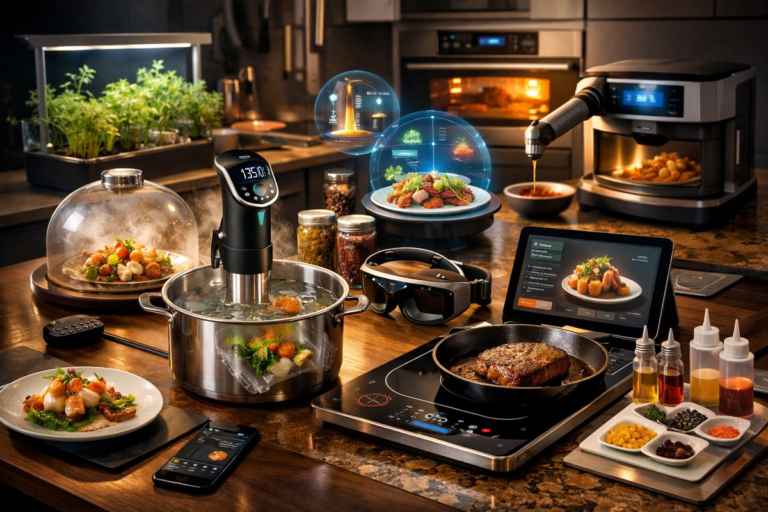
Imagine wearing lightweight glasses or glancing at a mirrored backsplash that overlays critical cooking parameters onto your hands and utensils. Augmented reality (AR) prototypes aim to remove the need for screen-toggling while providing immersive guidance. As a user holds a spice jar, an AR interface can display molecular illustrations of key flavor compounds, or project a color-coded heat map onto a searing steak to indicate ideal crust formation.
In applied pilots at culinary schools, AR headsets have accelerated skill acquisition by offering instant visual feedback on posture, knife angles and wrist motion. Translating this into consumer devices raises questions of comfort, cost and privacy. Yet, as lightweight display glasses become more affordable, the prospect of hands-free cooking tutorials-complete with virtual mentors-edges closer to mainstream reality.
The Rise of Multi-Sensory Appliances
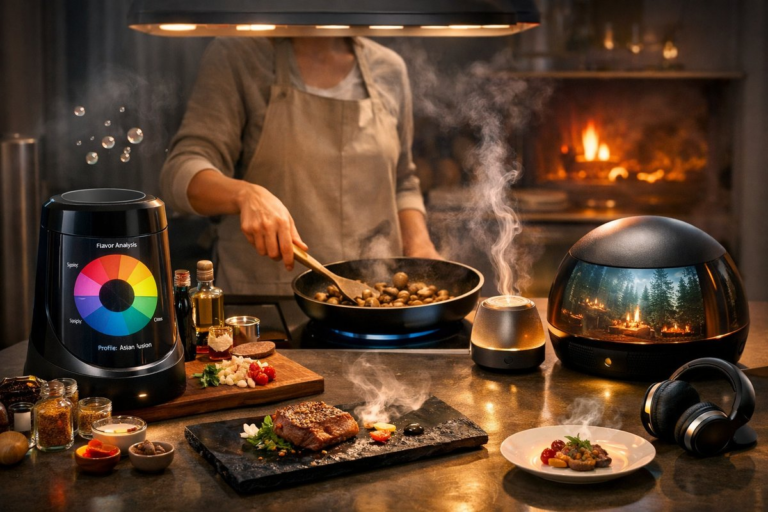
Beyond sight and data, food technology innovators are exploring how sound, light and even haptic feedback influence flavor perception. Researchers have demonstrated that certain musical tones can enhance the sweetness of dark chocolate or deepen the umami of miso soup. Now, kitchen devices are embedding speakers that play customized soundscapes timed to stir fries at the exact moment they hit golden crispness.
Imagine drizzling olive oil into a smart pan that emits a soft chime when the PTFE coating reaches optimal nonstick temperature. Or a blender that synchs pulsing vibrations with recipe milestones, signaling users to add herbs or pause for a taste test. While these features may sound whimsical, emerging studies in neuromarketing suggest that shaping the full sensory context can transform a routine recipe into a memorable occasion.
Data Privacy and the Ethical Kitchen
As kitchens become more connected, concerns over data privacy and corporate monitoring surface. Smart scales that track portion sizes and meal logs could inadvertently share dietary habits with advertisers. Cameras built into cooking bots might record conversations or household layouts. Within the food tech community, companies are starting to adopt on-device processing, encrypting sensitive measurements and allowing cooks to control data sharing explicitly.
Some startups are experimenting with open-source firmware, so developers and privacy advocates can audit code for security vulnerabilities. Others limit cloud syncing to recipe profiles, keeping temperature and usage logs local. As the ethical dimensions of kitchen connectivity gain attention, transparency and user agency are emerging as core design principles-turning the smart kitchen debate into one about digital rights as much as culinary creativity.
Sustainability at the Heart of Innovation
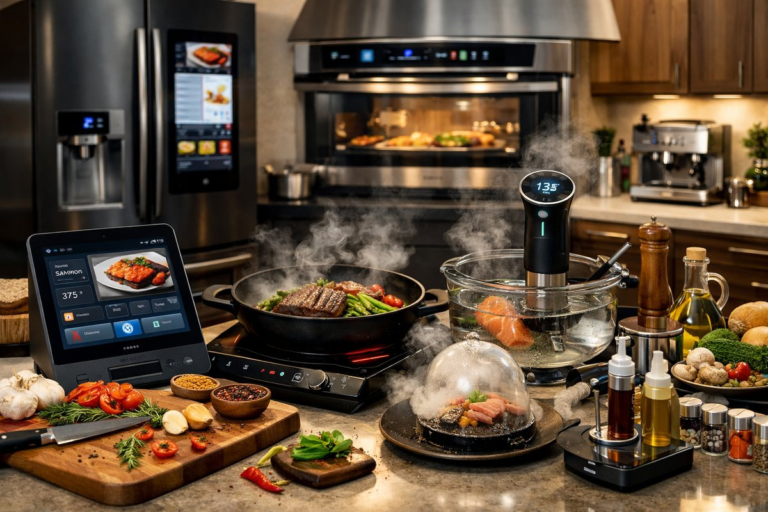
In an era of growing awareness about food waste and carbon footprints, kitchen technology is reorienting toward eco-friendly practices. Smart refrigerators with built-in cameras and inventory analytics help shoppers track leftovers, suggest recipes to use up older ingredients and reduce spoilage. Composting gadgets automate the breakdown of vegetable scraps, converting them into nutrient-rich soil in days, not weeks.
Precision induction cooktops allocate energy only where needed, slashing standby heat loss. Connected water monitors optimize dishwashing cycles and integrate with local utilities to schedule laundry and cooking during off-peak hours. As conscientious cooks seek to shrink their environmental impact, these innovations translate sustainability principles into practical kitchen actions.
Challenges on the Countertop
Despite the hype, the path to a seamless tech-driven kitchen is dotted with hurdles. High price points remain a barrier for many home cooks. The interoperability of multiple devices-each with proprietary apps-can lead to digital clutter rather than culinary convenience. Chefs accustomed to tactile intuition may bristle at algorithmic recommendations or data dashboards cluttering their line of sight.
To gain widespread adoption, emerging tools must demonstrate clear, time-saving benefits and intuitive interfaces. Startups are responding by focusing on modular add-ons-snap-on sensors for existing cookware or smartphone apps that repurpose a device’s built-in camera as a makeshift spectrometer. By lowering the barrier to entry, these adaptations aim to bridge the divide between novelty gadget and kitchen staple.
Looking Ahead: Home Kitchens as Innovation Labs
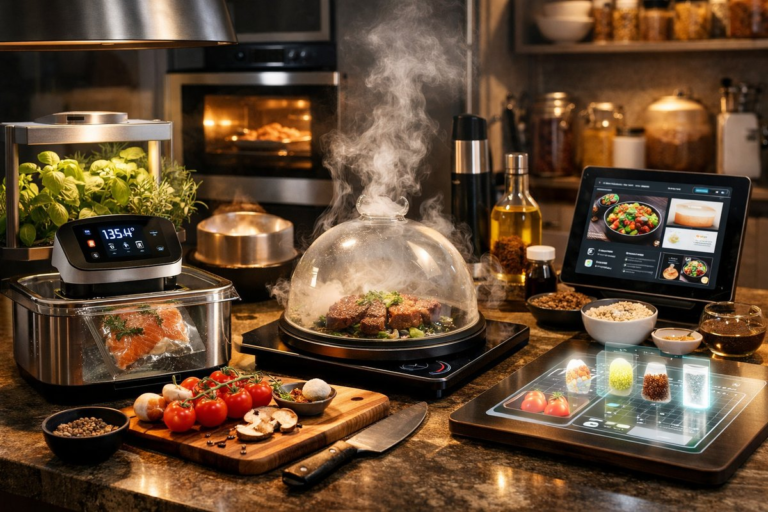
As the boundaries between experimental gastronomy and everyday cooking blur, our kitchens may become as much a site of discovery as a venue for serving dinner. Early adopters are already hosting “tech-tasting” dinner parties, where guests sample sous-vide poached eggs while wearing biometric rings that monitor cardiovascular responses to spice levels. Food science pop-ups have begun collaborating with makerspaces to loan specialized equipment like dry-ice cryogenic mixers and home-scale freeze-dryers.
In the next phase, collaborative platforms could connect amateur tinkerers with professional chefs and data scientists. Imagine a recipe marketplace where users upload sensory profiles of homemade stocks, followed by algorithm-generated suggestions for wine pairings or fermentation tweaks. Peer reviews would consist not just of star ratings but of annotated data logs, enabling a deeper dialogue about technique and flavor chemistry.
For curious cooks, the age of sensory kitchen technology offers more than shiny gadgets-it promises a journey into the heart of flavor itself. By combining craftsmanship with real-time analytics, by balancing the art of seasoning with the precision of sensors, home cooking can evolve into an immersive, emotionally rich act of creation. The countertop is our new laboratory, and every spice jar, probe and digital guide is a tool for unlocking uncharted gustatory frontiers.
Embracing the adventure means asking not just “What’s for dinner?” but “How can I taste tomorrow?”, and then exploring the evolving toolkit that brings those possibilities to life.