Location
Mount Vernon, WA 98274

Location
Mount Vernon, WA 98274
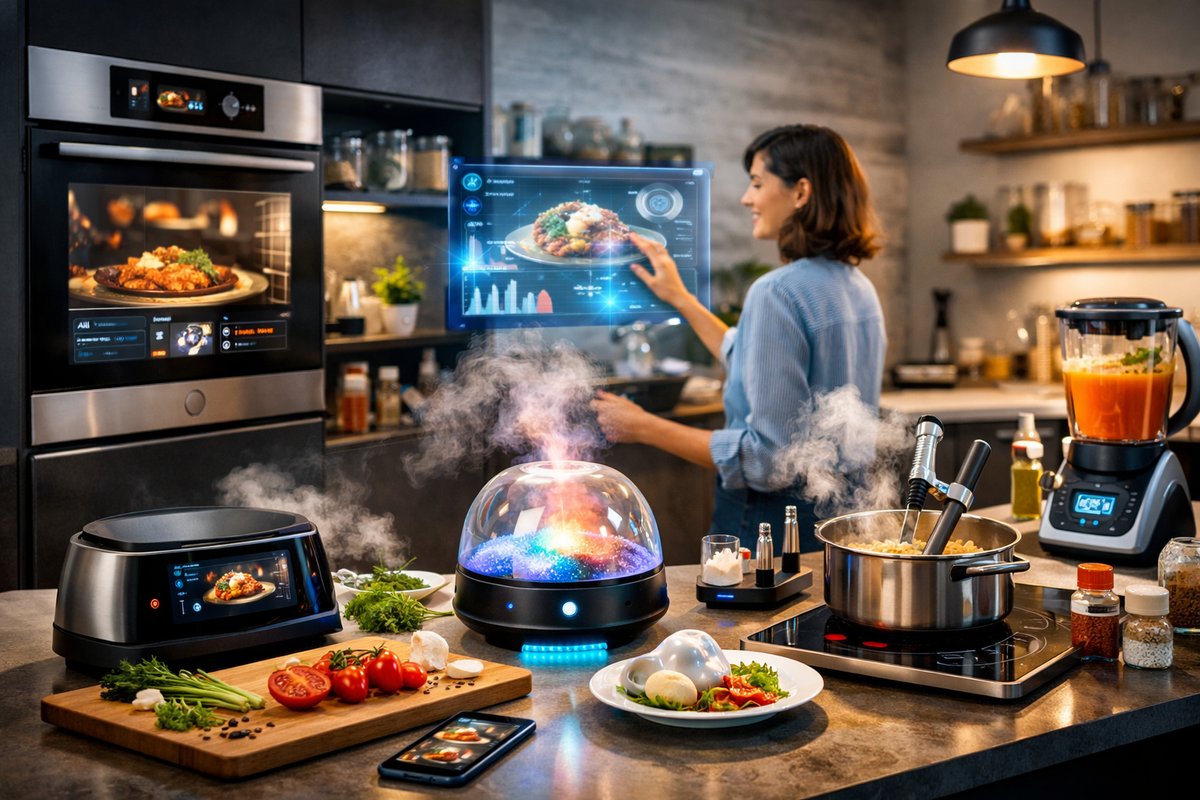
The kitchen is evolving from a place of routine cooking to a dynamic hub of culinary exploration, thanks to innovative technology. From AI-powered appliances to multisensory flavor enhancers, modern tools are transforming how we interact with food and flavor.
In recent years, the kitchen has undergone a profound transformation, evolving from a simple space for meal preparation into a dynamic playground for flavor discovery and culinary creativity. This shift is largely driven by the integration of cutting-edge technology that redefines how ingredients are treated, how cooking processes are managed, and how sensory experiences are crafted. These innovations are not only enhancing convenience but also opening up new avenues for adventurous cooks to engage with food in more immersive and playful ways.
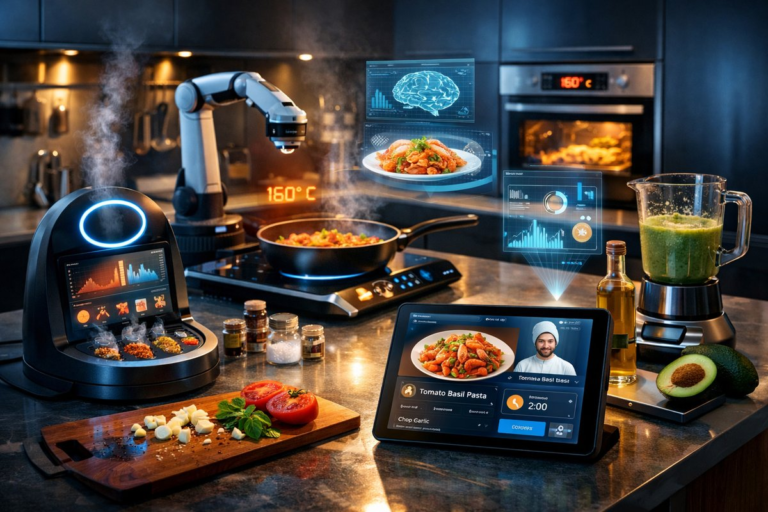
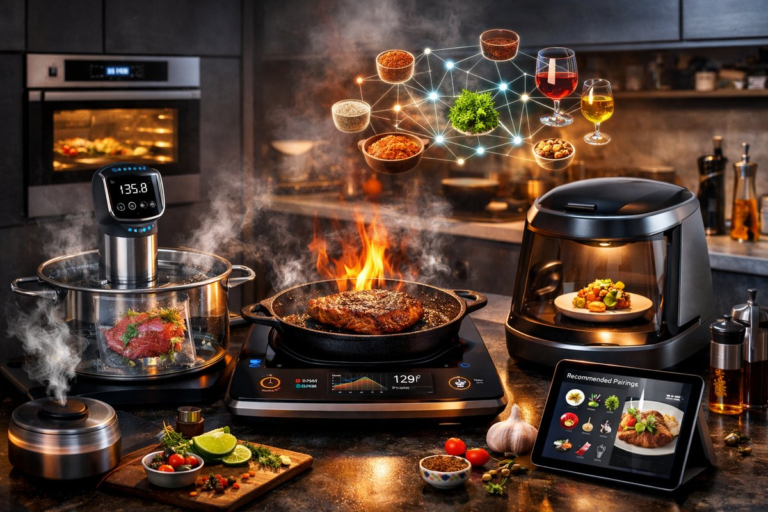
One of the most fascinating trends reshaping the culinary landscape is the rise of smart appliances that incorporate artificial intelligence and machine learning. These devices do more than automate cooking steps; they analyze ingredient combinations, adjust cooking parameters in real time, and even offer flavor profile suggestions tailored to individual preferences. This technology empowers home cooks to experiment with complex recipes and techniques that were once the exclusive domain of professional chefs.
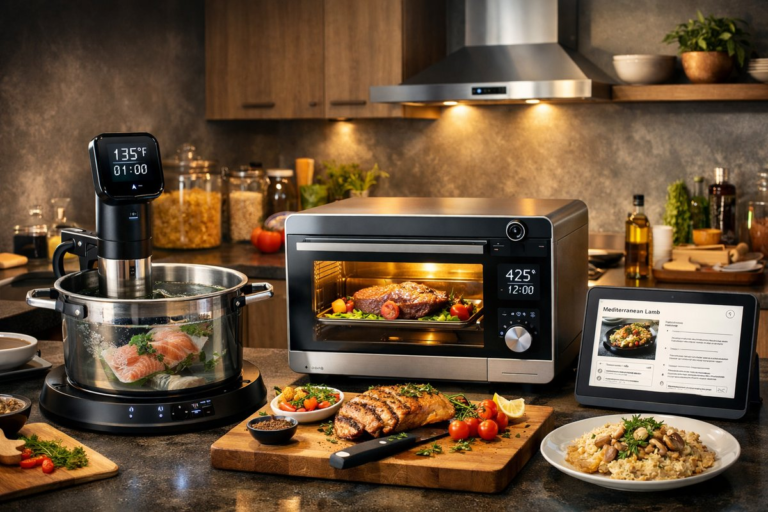
Take, for example, smart ovens equipped with integrated cameras and sensors. These ovens can monitor the progress of a roast or baked goods, adjusting temperature and humidity to optimize texture and flavor without user intervention. Some models also connect to recipe apps that provide step-by-step guidance, allowing even novice cooks to attempt intricate dishes with confidence. Beyond precision, these ovens contribute to sustainability by reducing energy waste through more efficient cooking cycles.
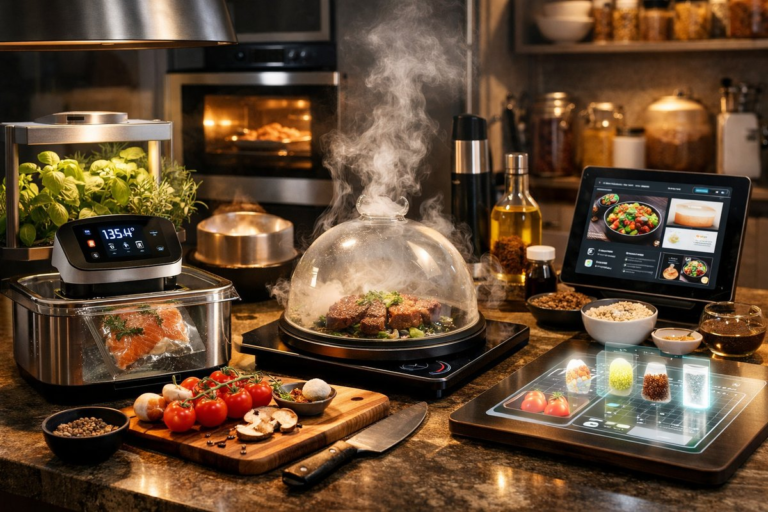
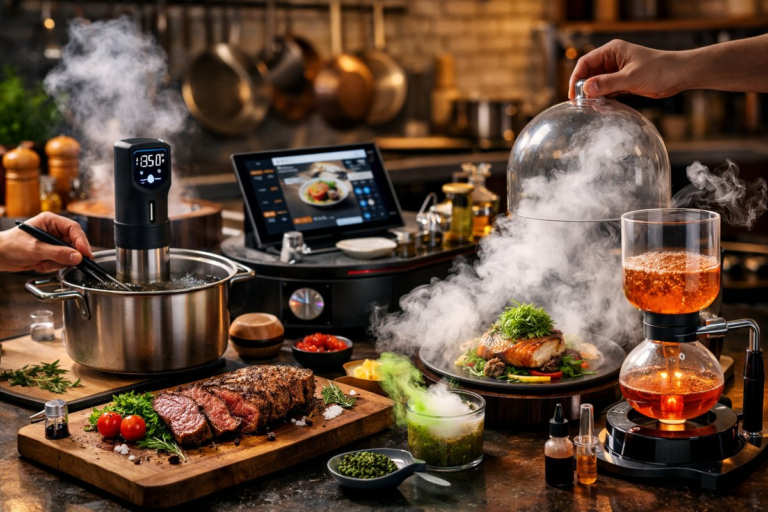
Complementing smart appliances are innovative kitchen tools designed to enhance flavor extraction and ingredient transformation. One such advancement is the rise of ultrasonic and high-frequency devices that can tenderize meat or infuse flavors more deeply in a fraction of the traditional time. These tools use sound waves to alter food texture or accelerate marination, providing new dimensions of taste and mouthfeel.
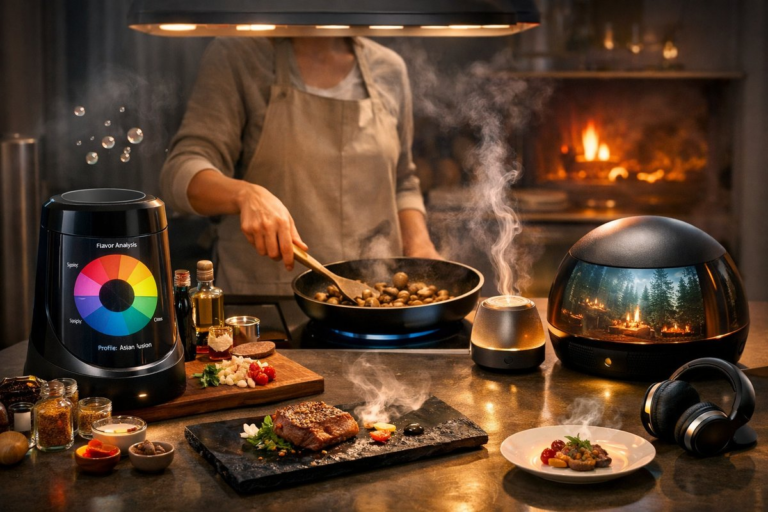
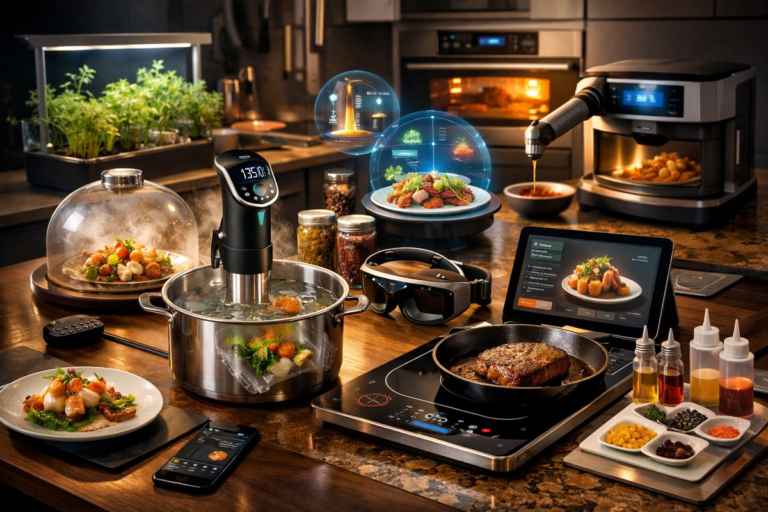
Another technological frontier is the incorporation of multisensory elements into cooking rituals. Devices that emit aromas, manipulate lighting, or generate subtle soundscapes are being used to heighten the dining experience, creating environments that engage more than just the palate. This approach acknowledges that flavor perception is a multisensory phenomenon, influenced by context, mood, and atmosphere.
Ingredient innovation is also intertwined with technology. Advanced food printers capable of layering pureed ingredients with precision are emerging, allowing cooks to create intricate shapes and textures previously impossible to achieve by hand. These printers offer a platform for experimentation, enabling the design of personalized nutrition profiles and artistic culinary presentations.
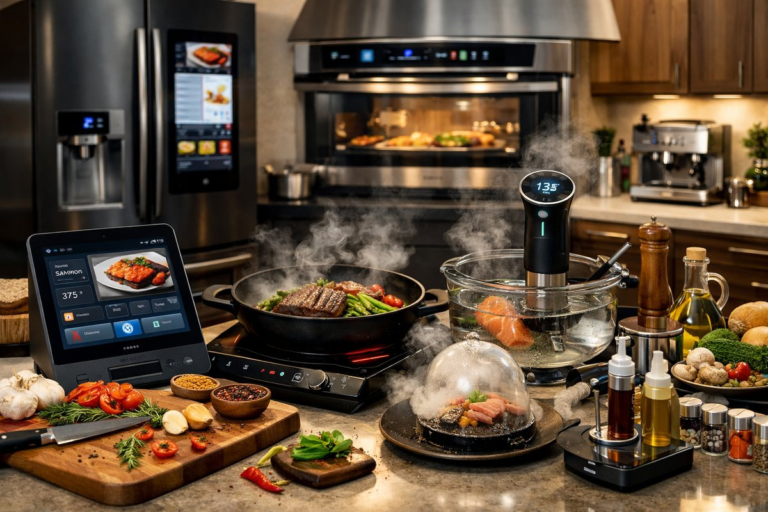
Connectivity plays a crucial role in this evolving kitchen ecosystem. Smart refrigerators now track inventory, suggest recipes based on available ingredients, and even monitor freshness to reduce food waste. Integrated apps allow users to plan meals, shop efficiently, and share culinary creations within communities, fostering a culture of continuous learning and inspiration.
While the infusion of technology into cooking is exciting, it also invites reflection on the balance between automation and the human touch. The most successful innovations enhance creativity rather than replace it, providing tools that respect the art of cooking and encourage exploration. They invite users to engage their curiosity, experiment boldly, and savor the process as much as the result.
Privacy and sustainability are also central to responsible kitchen technology development. Devices that collect data about cooking habits or dietary preferences must prioritize user control and transparency. Moreover, energy-efficient designs and materials that minimize environmental impact ensure that culinary innovation aligns with broader values of stewardship and care.
In essence, the modern kitchen is becoming a laboratory of flavor adventure, where technology acts as both a guide and an enabler. It transforms everyday cooking into a multisensory journey, blending science, art, and play. For curious cooks and playful palates alike, this new frontier offers endless opportunities to rediscover food and reimagine rituals.
As these technologies continue to mature, the kitchen’s role as a social and creative space will only deepen. Whether it’s through AI-driven recipe creation, sensory-enhancing devices, or precision cooking tools, the future promises a culinary landscape where technology and human passion converge to create meaningful, joyful experiences around food.