Location
Mount Vernon, WA 98274

Location
Mount Vernon, WA 98274
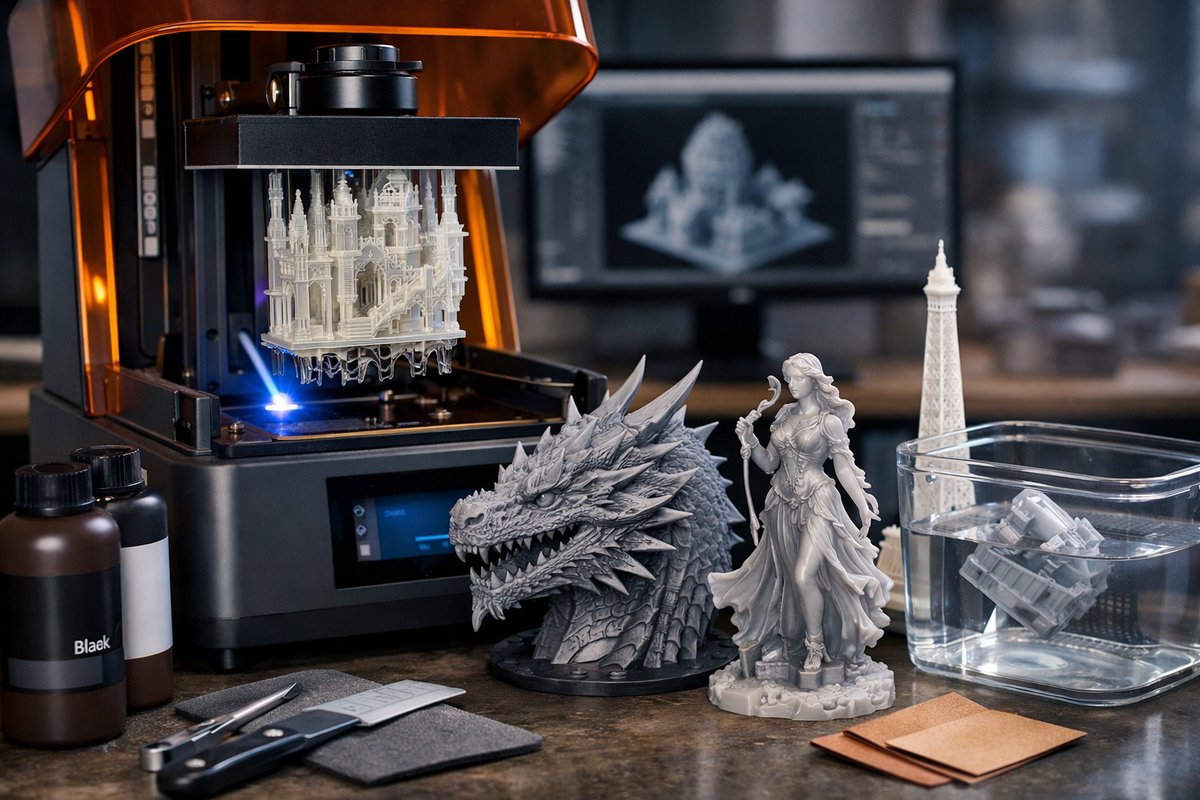
Stereolithography (SLA) offers a high-resolution approach to additive manufacturing, transforming liquid resin into intricate solid forms with exceptional detail. This guide delves into the essentials of SLA printing, from selecting the right resin and printer to mastering post-processing techniques, empowering enthusiasts and professionals alike to bring digital designs vividly to life.
In the diverse world of additive manufacturing, stereolithography (SLA) stands out for its ability to produce highly detailed and smooth objects through a photopolymerization process. Unlike filament-based methods, SLA uses a liquid resin cured by a light source, typically a laser or LCD screen, to build objects layer by layer. This technique is prized for precision, surface finish, and versatility, making it ideal for applications ranging from dental molds to intricate prototypes and artistic models.
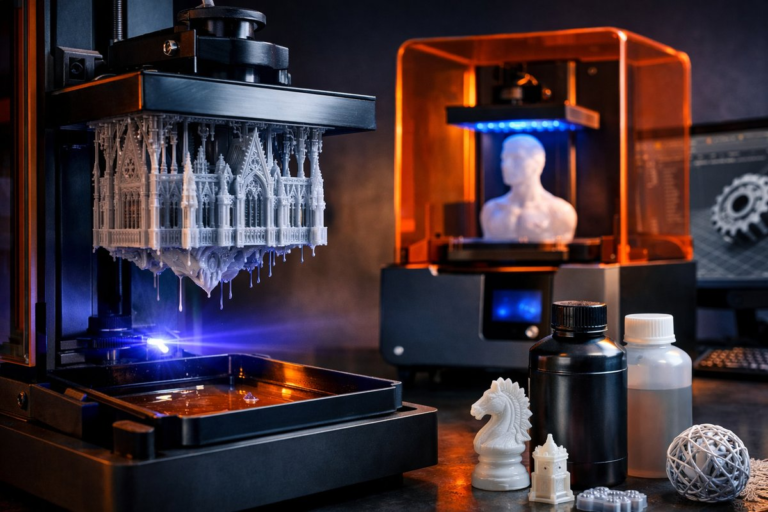
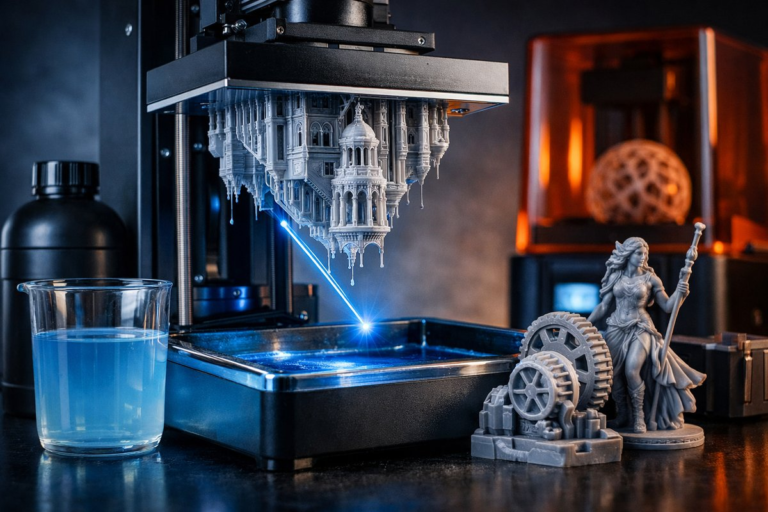
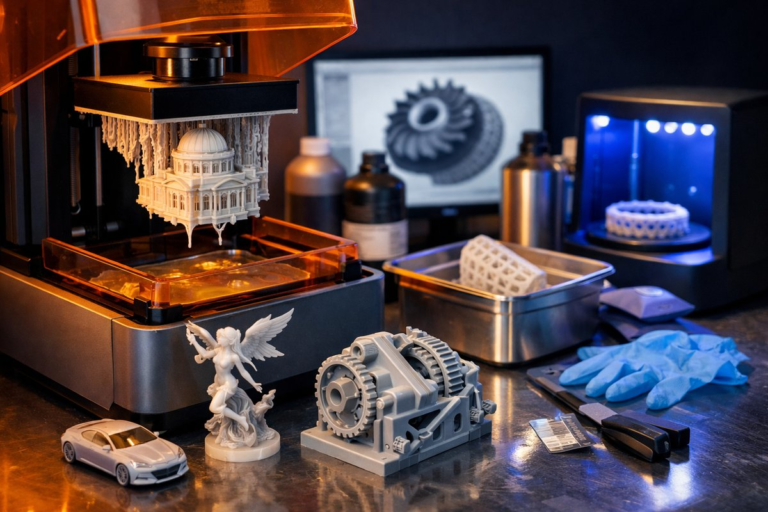
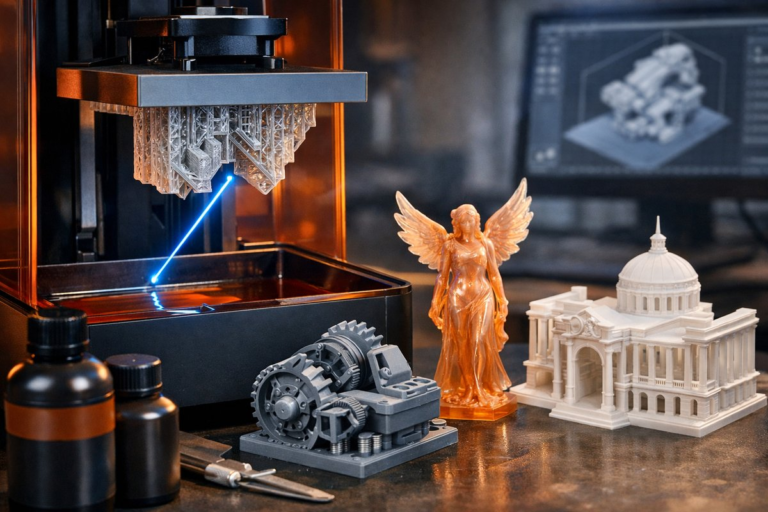
Understanding the SLA process begins with the printer itself. SLA printers typically consist of a resin vat, a build platform, and a light source that selectively cures resin in the shape of each layer. The build platform moves vertically as layers are solidified, gradually forming the object. This method allows for incredibly fine layer thicknesses, often as low as 25 microns, resulting in smooth surfaces and sharp features that are difficult to achieve with other additive manufacturing techniques.
Choosing the right resin is crucial. Photopolymer resins come in various formulations tailored for specific properties such as flexibility, toughness, transparency, or biocompatibility. For beginners, standard resins offer a good balance of ease of use and quality, while specialty resins enable functional parts suited to engineering or medical applications. It’s important to consider factors like curing time, odor, and post-processing requirements when selecting a resin.
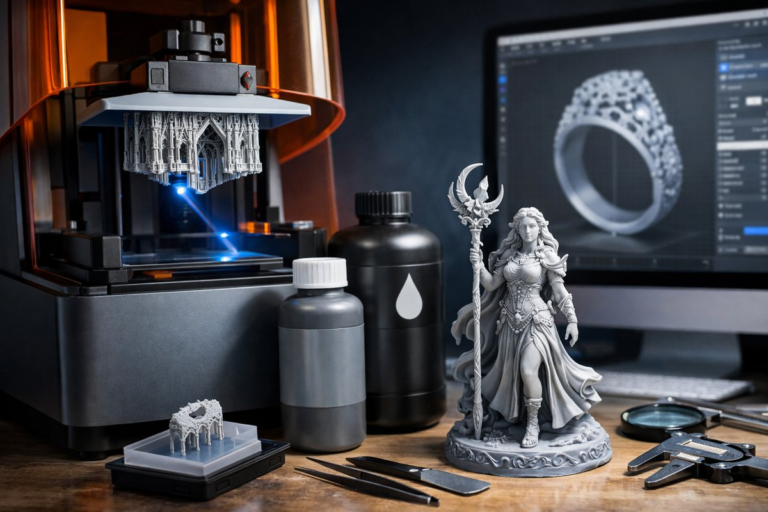
Before printing, ensure your digital model is properly prepared. SLA printing demands watertight 3D models with no holes or non-manifold edges. Slicing software converts the model into thin cross-sectional layers and generates support structures to hold overhangs during printing. Supports are essential but should be placed thoughtfully to minimize marks on visible surfaces and ease removal after printing.
Once the print job starts, the printer’s light source cures each layer of resin sequentially. Layer adhesion is critical, so maintaining a clean resin vat and regularly checking the printer’s calibration helps avoid print failures. The printing environment should be stable in temperature and free from dust or vibrations to ensure consistent results.
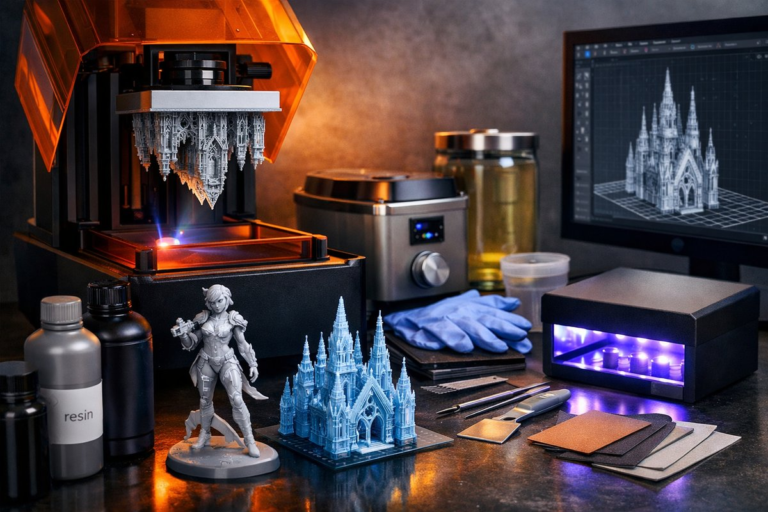
Post-processing is a defining step in SLA printing that enhances both aesthetics and durability. After printing, parts are typically rinsed in isopropyl alcohol to remove uncured resin, then cured under UV light to complete polymerization. Removing support structures carefully prevents damage, and sanding or polishing can further improve surface finish. For functional parts, additional treatments like epoxy coating or painting may be applied.
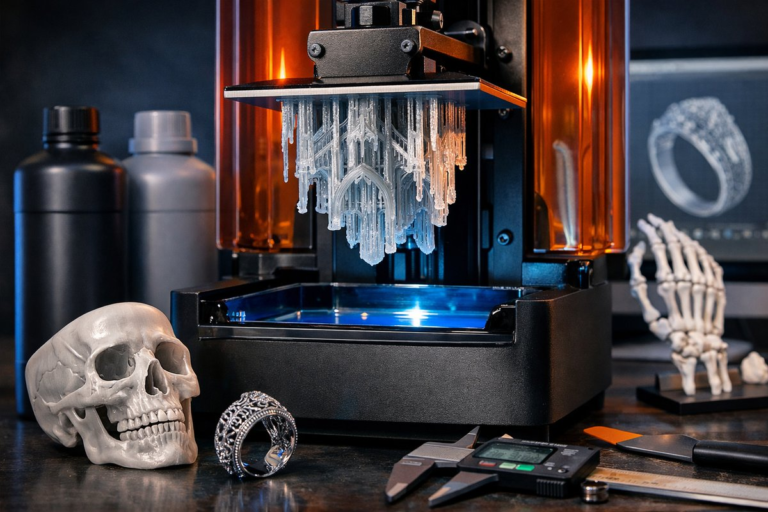
SLA printing opens doors to creative and technical possibilities that are difficult with other methods. Its precision makes it ideal for jewelry design, dental applications, and complex engineering prototypes where fine details matter. Moreover, the smooth surface finish reduces the need for extensive post-processing, speeding up the path from concept to functional object.
For those eager to try SLA printing, starting with a reliable desktop SLA printer offers an accessible entry point. These machines have become more affordable and user-friendly, featuring intuitive interfaces and compact footprints. Pairing the printer with high-quality resins and essential post-processing tools creates a workflow that balances quality, speed, and ease of use.
In addition to the hardware and materials, investing in safety equipment is important. Resin handling requires gloves and eye protection, and working in a well-ventilated area minimizes exposure to fumes. Proper disposal of resin waste and cleaning solvents also aligns with sustainable and responsible maker practices.
By mastering SLA printing, users can achieve remarkable detail and surface quality in their additive manufacturing projects. Whether crafting artistic models, precise prototypes, or functional parts, the combination of careful preparation, quality materials, and diligent post-processing transforms digital designs into tangible realities with exceptional fidelity.
Embarking on this journey encourages experimentation and learning, fostering a deeper appreciation for the interplay between technology and creativity. As the field of additive manufacturing evolves, SLA remains a powerful technique that bridges imagination and precision, inviting makers of all levels to explore its potential.